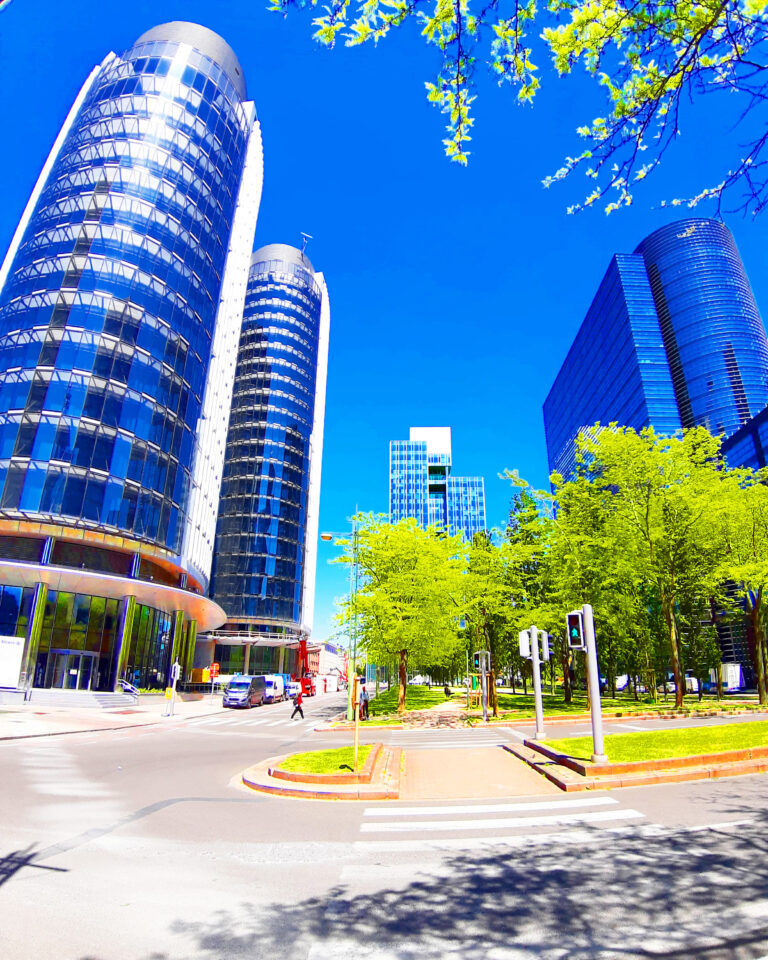
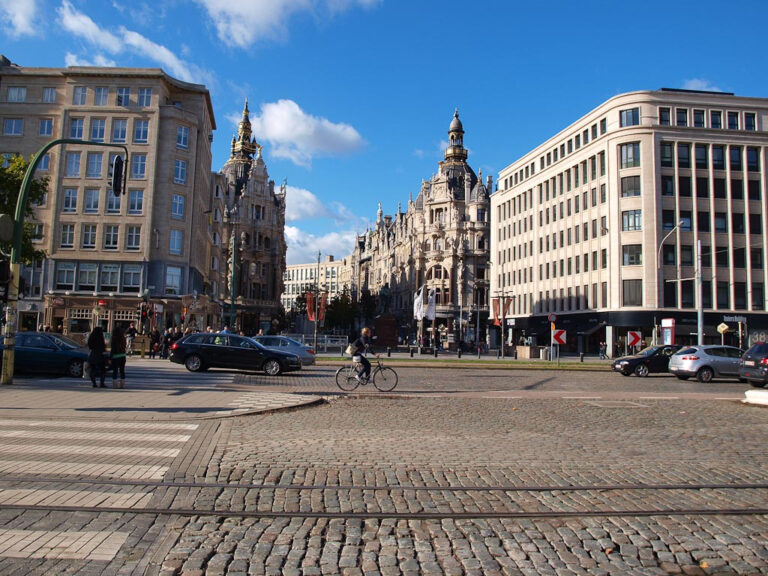
National rail modernization, iconic Type 1 steam locomotives, and dense industrial railway transport founded in Brussels.
In the aftermath of the First World War, Belgium faced the immense task of rehabilitating a national railway network that had suffered severe wartime destruction, rolling stock depletion, and mounting financial deficits. Recognizing that modern industrial recovery demanded unified commercial governance, King Albert I and the Belgian Parliament enacted landmark legislation on 23 July 1926. The decree established the Société Nationale des Chemins de fer Belges (SNCB / NMBS), creating an autonomous public corporation to manage, modernize, and operate the entire sovereign railway infrastructure of the kingdom.
Engineering Marvels, High-Speed Steam, and Industrial Corridors
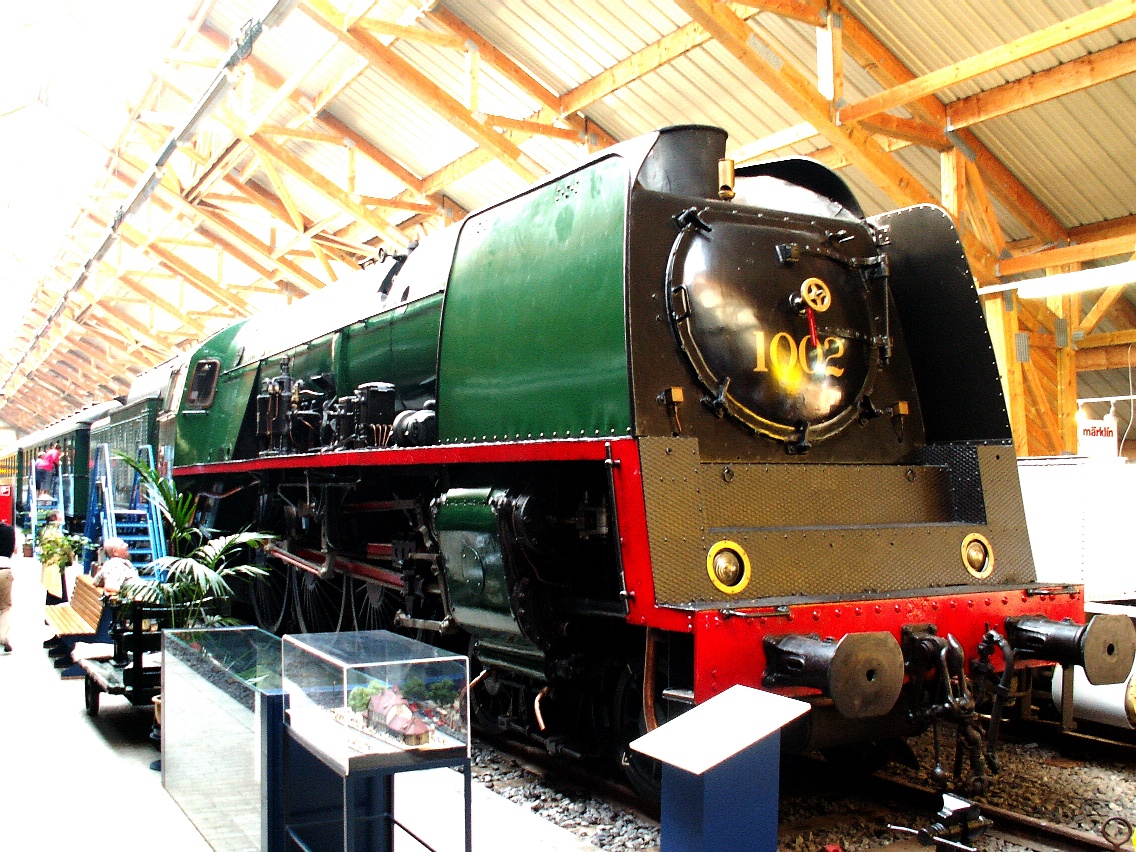
Operating one of the densest railway systems per square kilometer in the world, the SNCB embarked on an extraordinary technological renaissance. The company commissioned the legendary Belgian Type 1 Pacific steam locomotives—towering mechanical masterpieces designed by chief engineer Raoul Notesse that ranked among the most powerful and fastest steam engines ever operated in continental Europe. These locomotives pulled heavy express passenger services between Brussels, the port of Antwerp, Ostend, and the vital coal and steel basins of Wallonia at speeds exceeding 140 kilometers per hour.
Electrification Milestones and European Rail Centrality
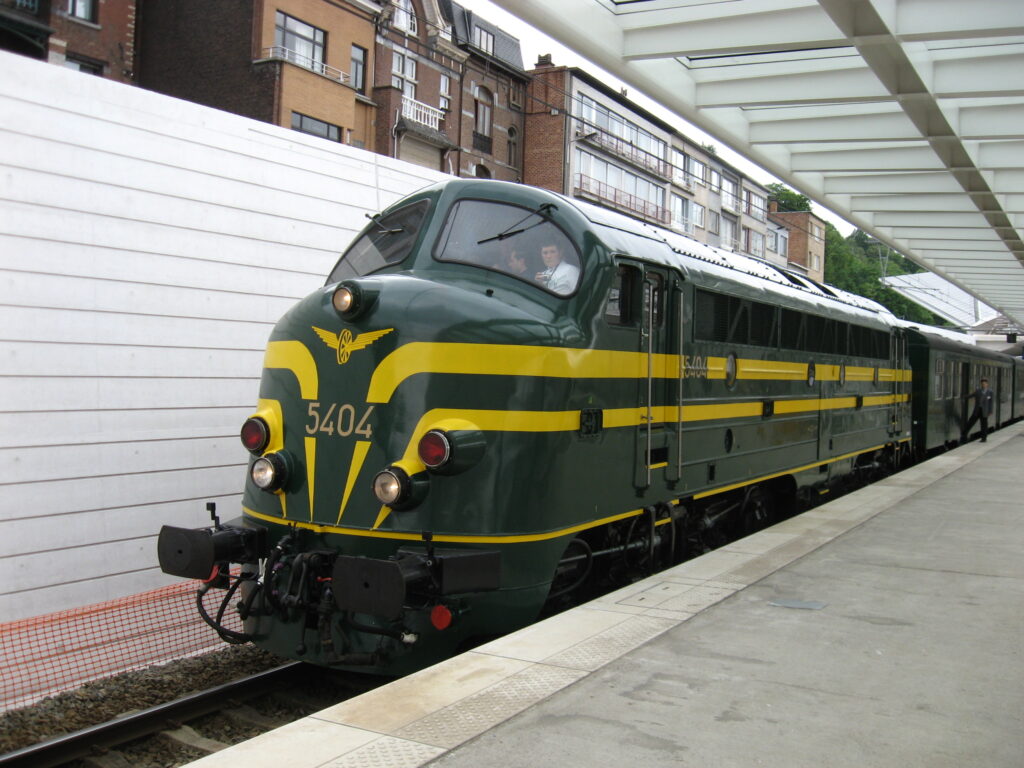
Beyond high-speed steam, the SNCB became a pioneer of mainline railway electrification. In 1935, the company inaugurated the landmark electrified corridor linking Brussels to Antwerp, deploying sleek aerodynamic electric trainsets that set new continental benchmarks for commuter frequency and energy efficiency. Anchored around the monumental terminals of Brussels-Midi, Brussels-Nord, and the historic workshops of Schaerbeek, the Belgian rail network served as an indispensable circulatory system for continental European trade and mobility throughout the twentieth century.
Today, the SNCB / NMBS continues to stand as a vital backbone of European sustainable passenger transit. Its foundational 1926 consolidation marks a celebrated triumph of Belgian civil engineering, institutional modernization, and railway heritage.
Historic Site & Location
Historic Address: Place Victor Horta, 1060 Bruxelles, Belgium
Nearby in the archive
Sources
- S1 — Train World, Musée Officiel de la SNCB, Gare de Schaerbeek — https://www.trainworld.be/
- S2 — Archives Générales du Royaume de Belgique, Fonds Chemins de Fer de l’État — https://arch.arch.be/
- S3 — Société Nationale des Chemins de fer Belges, Patrimoine et Histoire — https://www.belgiantrain.be/
Spotted an error? Write to editorial@culturalheritageonline.com and we correct it the same day.