In 1923, amid the humanist twilight of interwar Vienna, Dr. Béla Horovitz, Ludwig Goldscheider, and Frederick Ungar founded Phaidon Verlag. Named after Phaedo of Elis—Plato’s disciple who spoke on the immortality of the soul—Phaidon democratized masterworks of fine art and classical civilization, elevating art book design into an architectural monument that permanently transformed international visual culture.
Viennese Humanism and the Democratic Art Monograph
In the austere economic environment following the collapse of the Austro-Hungarian Empire, luxury art folios were the exclusive preserve of aristocratic collectors and elite academic institutions. In 1923, passionate young intellectual Dr. Béla Horovitz (1898–1955) joined forces with typographer Ludwig Goldscheider in Vienna with a revolutionary civic ambition: to publish lavishly illustrated, scholarly authoritative books on painting, sculpture, and ancient philosophy at prices accessible to ordinary students and cultured citizens.
Phaidon’s monumental breakthrough arrived in the 1930s with large-format monographs on Van Gogh, Rembrandt, and the French Impressionists. Collaborating with master photogravure printers in Central Europe, Horovitz paired tipped-in color plates with rigorous critical essays, pioneering the modern art monograph format that established Phaidon as the world’s most respected fine art imprint.
The London Sanctuary: Gombrich and the Universal Canon
Fleeing Nazi persecution on the eve of the Anschluss in 1938, Horovitz transferred Phaidon’s editorial headquarters to London with the help of British publishing colleagues. In 1950, Phaidon published Sir Ernst Gombrich’s monumental The Story of Art, which became the most influential and widely read introduction to art history ever written, translated into more than thirty languages and selling over eight million copies worldwide.
Today, Phaidon operates from its publishing house in London, continuing Horovitz’s foundational creed that the visual arts belong to all humanity. Its century-long catalogue forms a cornerstone of twentieth-century humanist education, bridging classical European scholarship with contemporary global design.
Fiera del Libro e la cultura tipografica ed editoriale
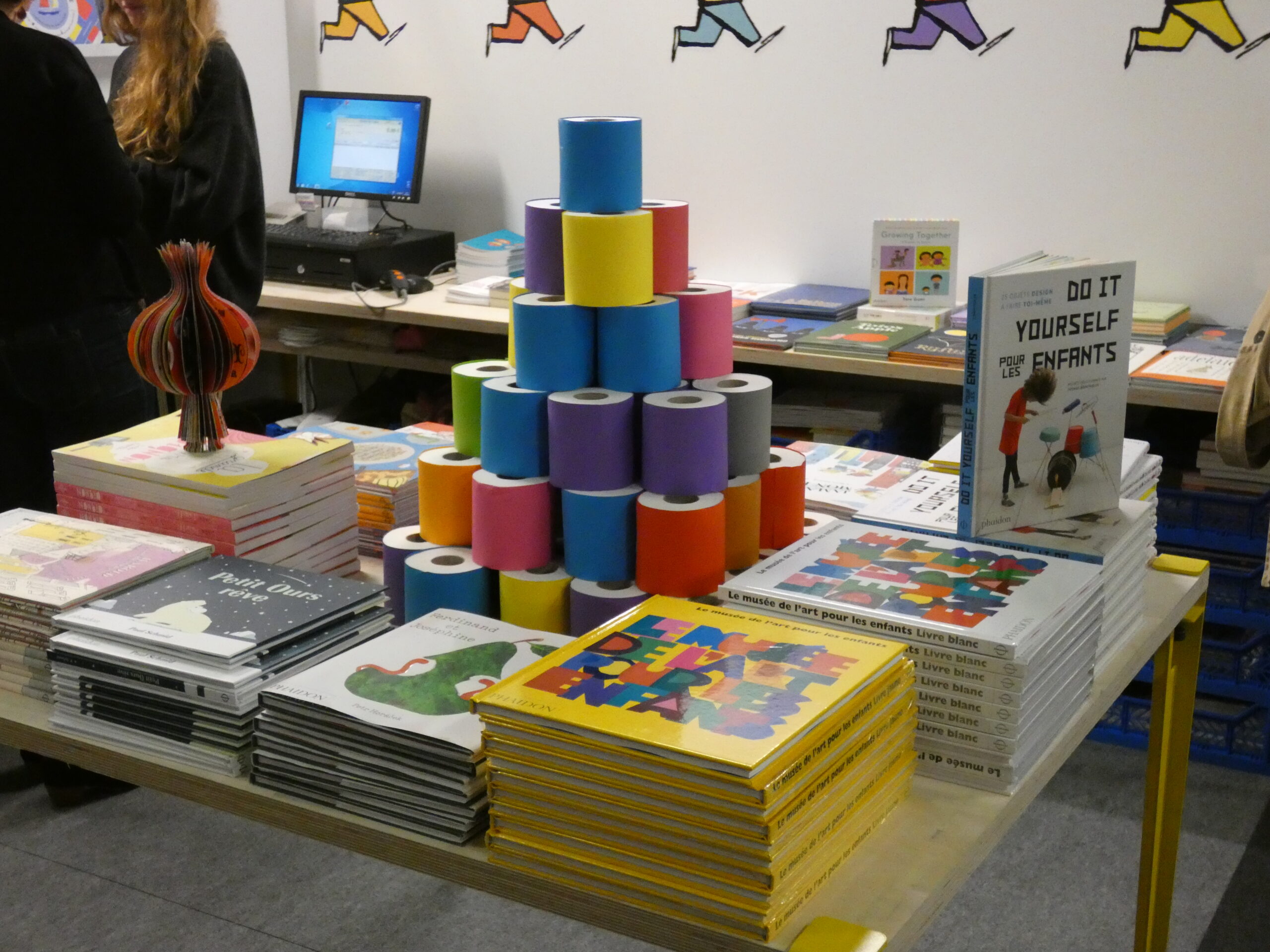
Immagini d'archivio storico dell'Istituto Luce che testimoniano l'arte tipografica, la stampa monumentale e la diffusione dei grandi capolavori dell'arte e della letteratura in Europa. (Fonte: Archivio Storico Istituto Luce Cinecittà)
Interactive 360° Heritage View: Phaidon Press Historic London Publishing Quarter
Historical Location: 20-24 Old Street, London EC1V 9AP, United Kingdom (Coordinates: 51.5244, -0.0963)
Sources
- S1 — Horovitz, Joseph. Phaidon 100: A History of Art Book Publishing. Phaidon Press, 2023. ISBN 978-1-83866-641-5.
- S2 — Gombrich, E. H. The Story of Art. Phaidon Press, 1995. ISBN 978-0-7148-3247-0.
Spotted an error? Write to editorial@culturalheritageonline.com and we correct it the same day.