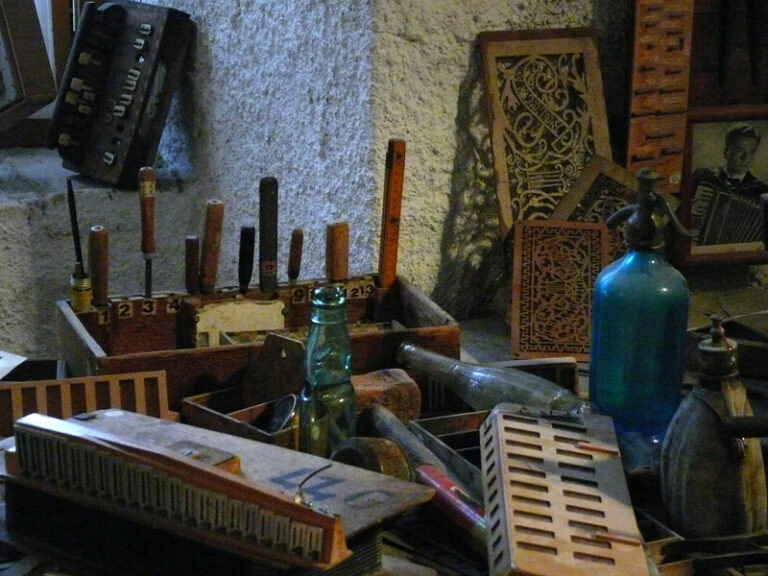
In 1930, in the historic Umbrian city of Foligno, master organ builder Nicola Pinchi founded the atelier of Organi Pinchi. Blending multi-century Italian organ-building traditions with innovative mechanical, pneumatic, and electrical windchest engineering, Pinchi crafted magnificent pipe organs for cathedrals, basilicas, and symphonic concert halls worldwide, establishing Foligno as a supreme European citadel of sacred and classical musical craft.
Sacred Acoustics and the Master Builders of Umbria
In 1930, the historic Umbrian plains surrounding Foligno—steeped in centuries of choral singing, franciscan spirituality, and artisan metal casting—witnessed the establishment of Nicola Pinchi’s (1899–1968) independent organ workshop. Having trained extensively in traditional voicing, pipe casting in tin-lead alloys, and cabinet carpentry with regional master builders, Pinchi established an atelier dedicated to restoring and building monumental pipe organs.
Pinchi’s breakthrough lay in his acoustic philosophy: preserving the bright, transparent vocal registers of the classic Italian *principale* and *ripieno*, while incorporating modern precision sliders and electro-pneumatic actions. His bespoke instruments offered organists unmatched dynamic expression, attracting prestigious commissions from cathedrals across Central Italy and prominent academic conservatories.
Monuments of Sound Across the Cathedrals of the World
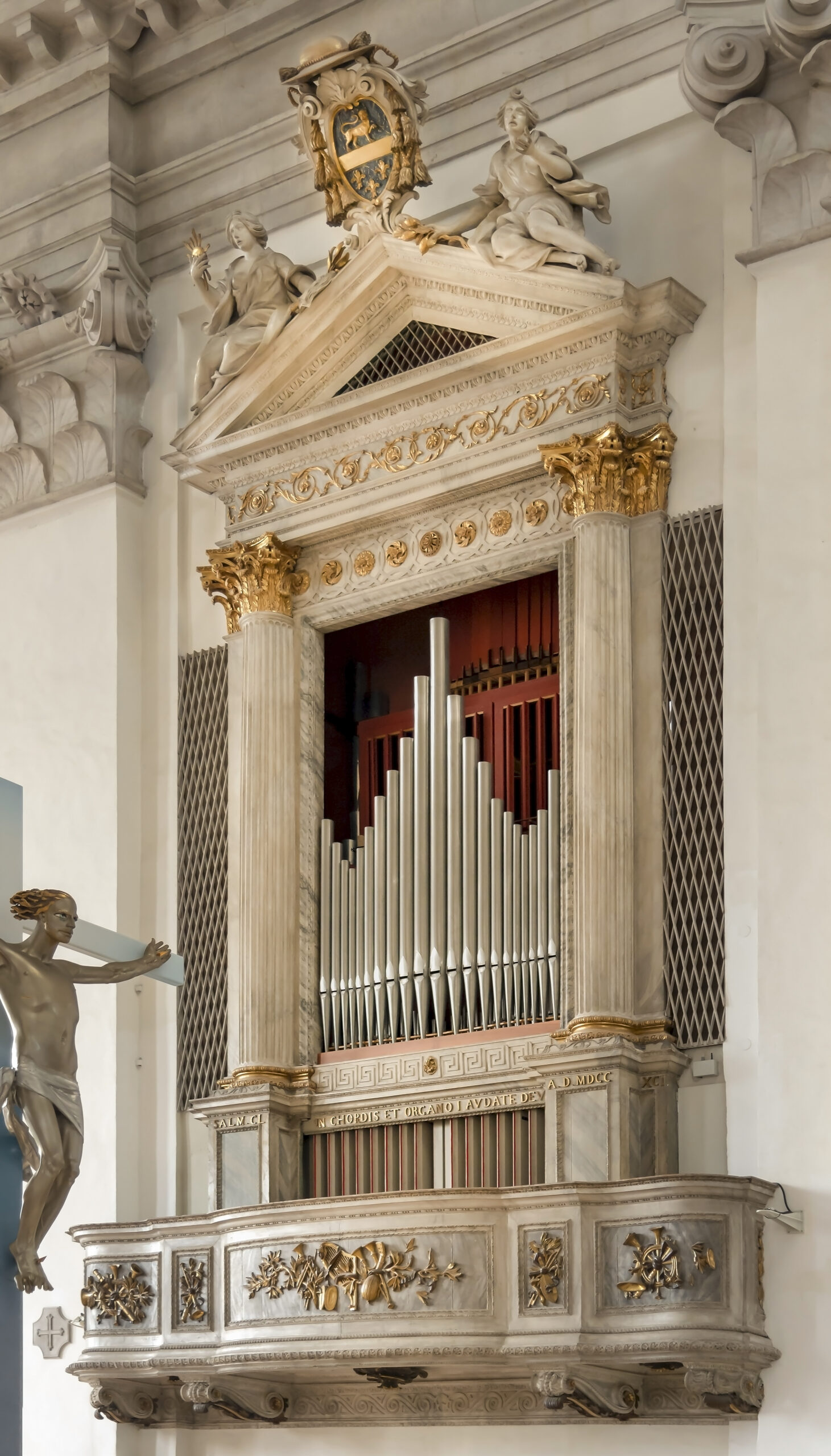
Over subsequent generations led by Guido, Andrea, and Claudio Pinchi, the workshop built and restored over four hundred monumental instruments, including the colossal five-manual grand organ of the Sanctuary of the Madonna delle Lacrime in Siracusa, the organ of the Duomo of Arezzo, and international concert installations from Japan to the Americas.
Today, the Pinchi atelier in Foligno remains an extraordinary sanctuary of musical archaeology and live acoustic creation. Hand-planing century-old spruce soundboards and voicing zinc-tin pipes by ear, the craftsmen of Foligno preserve a living renaissance heritage that continues to reverberate through the grandest vaults of sacred architecture.
L'artigianato sacro, la musica liturgica e i grandi organi monumentali in Umbria
Immagini d'archivio storico dell'Istituto Luce che celebrano le grandi cattedrali, l'arte organaria e la musica sacra in Umbria negli anni Venti e Trenta. (Fonte: Archivio Storico Istituto Luce Cinecittà)
Interactive 360° Heritage View: Historic Pinchi Organ Workshop and Cathedral Setting
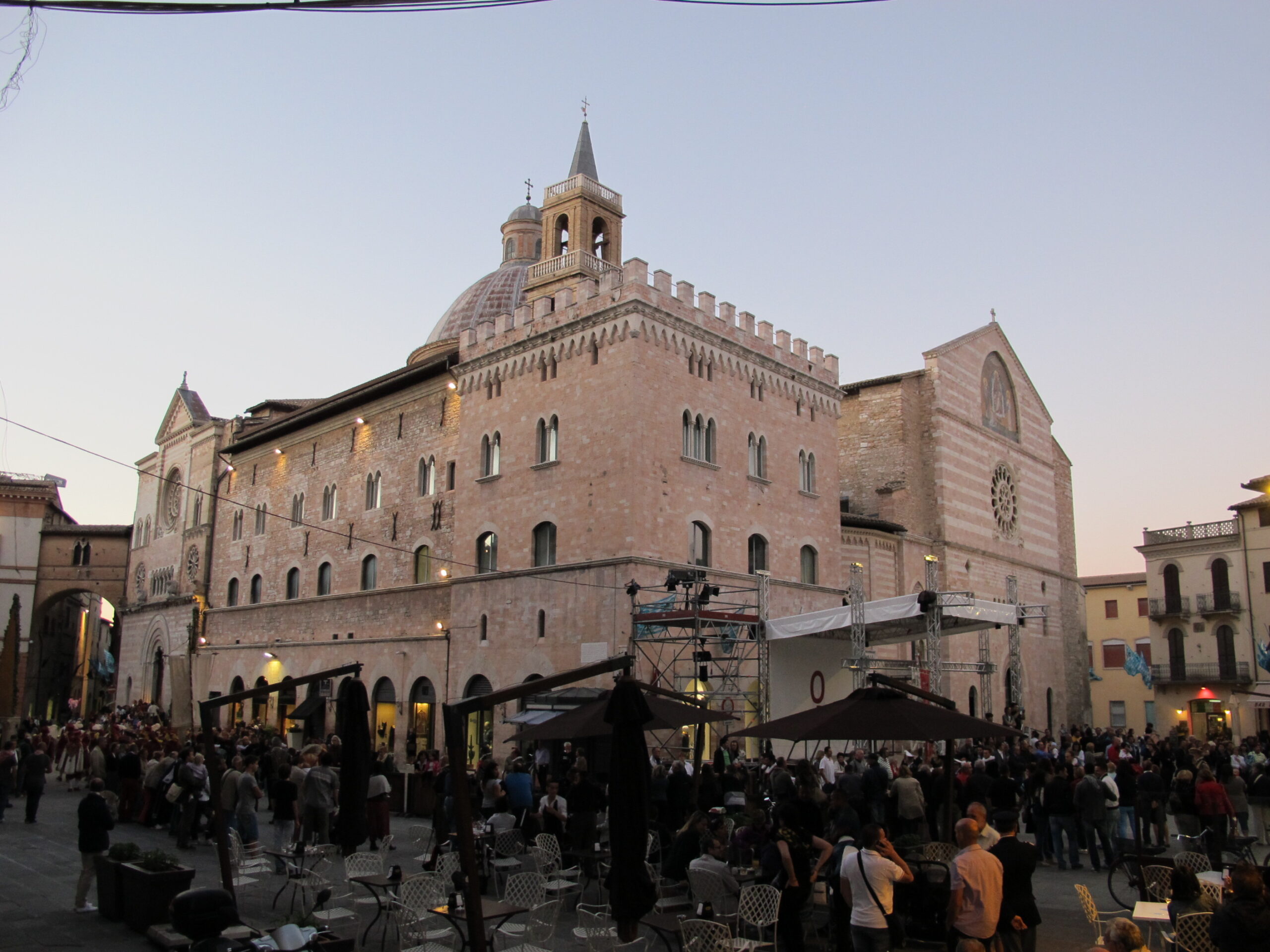
Historical Location: Piazza della Repubblica / Duomo di Foligno, 06034 Foligno PG, Italy (Coordinates: 42.9561, 12.7039)
Historical Archive Gallery
Sources
- S1 — Moretti, Corrado. L'organo italiano. Casa Musicale Eco, 1989. ISBN 978-88-6053-030-1.
- S2 — Mischiati, Oscar. Studi e bibliografia organaria. Patron, 1998. ISBN 978-88-555-2489-6.
Spotted an error? Write to editorial@culturalheritageonline.com and we correct it the same day.