Junkers F 13 corrugated monoplanes, historic Aspern airfield operations, and interwar trans-European passenger routes born in Vienna.
In the immediate aftermath of the Treaty of Saint-Germain, Austrian aviation was virtually paralyzed by severe post-war military restrictions and the economic collapse of the Austro-Hungarian Empire. Yet by 1923, civic visionaries recognized that the newly forged Austrian Republic occupied a vital geographic pivot point between western Europe, the Danube basin, and the Balkans. On 3 May 1923, Walter Barda-Czernik, backed by Austrian banking capital and an industrial partnership with Junkers-Luftverkehr, incorporated the Österreichische Luftverkehrs AG, universally celebrated as ÖLAG. It became the pioneering national flag carrier of Austrian civil passenger aviation.
All-Metal Junkers Monoplanes and the Vienna-Munich Air Bridge
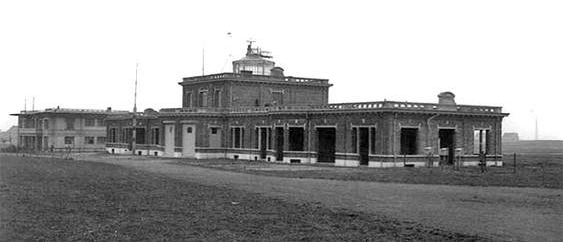
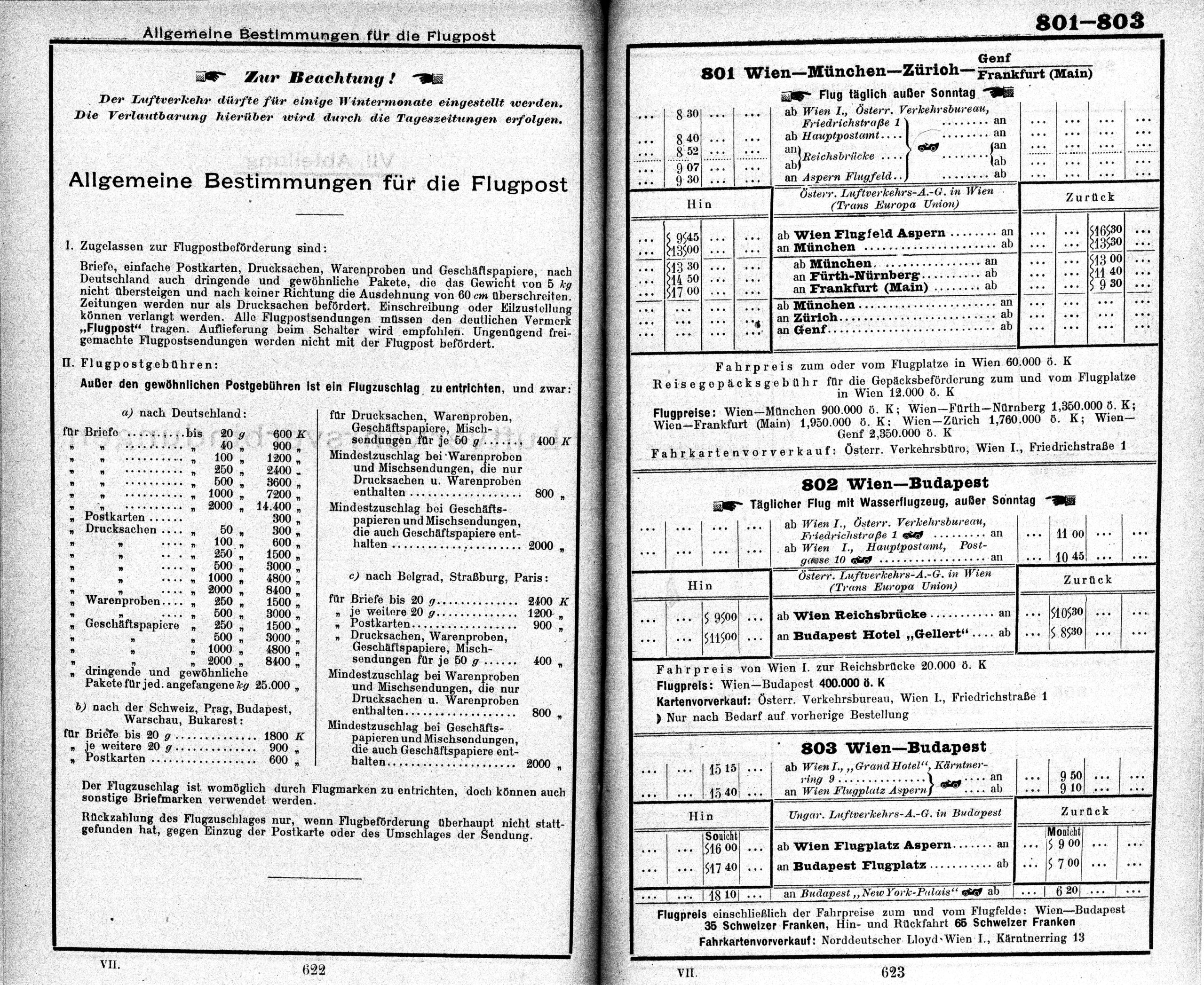
Just eleven days after its formal incorporation, on 14 May 1923, ÖLAG inaugurated regular commercial passenger service with a landmark flight connecting Vienna to Munich. Operating from the historic Aspern Airfield east of Vienna, the company deployed pioneering all-metal Junkers F 13 monoplanes. Featuring enclosed passenger cabins, corrugated duralumin alloy skin, and comfortable leather seating for four passengers, these robust German-engineered aircraft offered unprecedented safety and weather resistance compared to fragile wood-and-fabric biplanes of the era.
Danube Seaplane Corridors and Trans-European Airline Network
Throughout the late 1920s, ÖLAG expanded its route network across central and southern Europe. The airline established scheduled services linking Vienna to Budapest, Salzburg, Innsbruck, Klagenfurt, Zurich, Berlin, and Venice. Demonstrating remarkable technical versatility, ÖLAG fitted Junkers floatplanes to operate water landings directly on the Danube River at Vienna and along alpine resort lakes like the Wörthersee. By 1930, operating in close pooling agreements with Deutsche Luft Hansa, ÖLAG ranked as the fourth-largest passenger airline in Europe, praised for punctual schedules and zero passenger fatalities across millions of passenger kilometers.
Although the tragic political events of 1938 and the Second World War ultimately absorbed ÖLAG into Deutsche Lufthansa, its foundational legacy directly inspired the post-war rebirth of Austrian Airlines. The memory of its brave pilots and silver monoplanes at Aspern remains a glorious chapter in the history of European aeronautical transport.
Historic Site & Location
Historic Address: Aspern, 1220 Wien, Austria
Nearby in the archive
- Alma-Motzko-Seitz-Hof, Schwedenplatz 3–4, Vienna — Josef Vytiska’s Post-War Block on the Site of a Medieval Tower — 9.9 km away
- Hotel Post, Vienna — Carl Caufal’s House on the Fleischmarkt and the Hall of the Kammeroper — 10.0 km away
- Palais Coburg, Vienna — the “Asparagus Castle” on the Last Stretch of the City Wall — 10.2 km away
Sources
- S1 — Österreichisches Staatsarchiv, Archiv der Zivilluftfahrt und Verkehrsministerium — https://www.oesta.gv.at/
- S2 — Technisches Museum Wien, Luftfahrtabteilung und Sammlungen historischer Flugzeuge — https://www.technischesmuseum.at/
- S3 — Wiener Stadt- und Landesarchiv, Historische Bestände des Flughafens Aspern — https://www.wien.gv.at/kultur/archiv/
Spotted an error? Write to editorial@culturalheritageonline.com and we correct it the same day.