
Open-display shopping counters, fixed affordable pricing, and modern retail mass merchandising founded in Sydney’s Imperial Arcade.
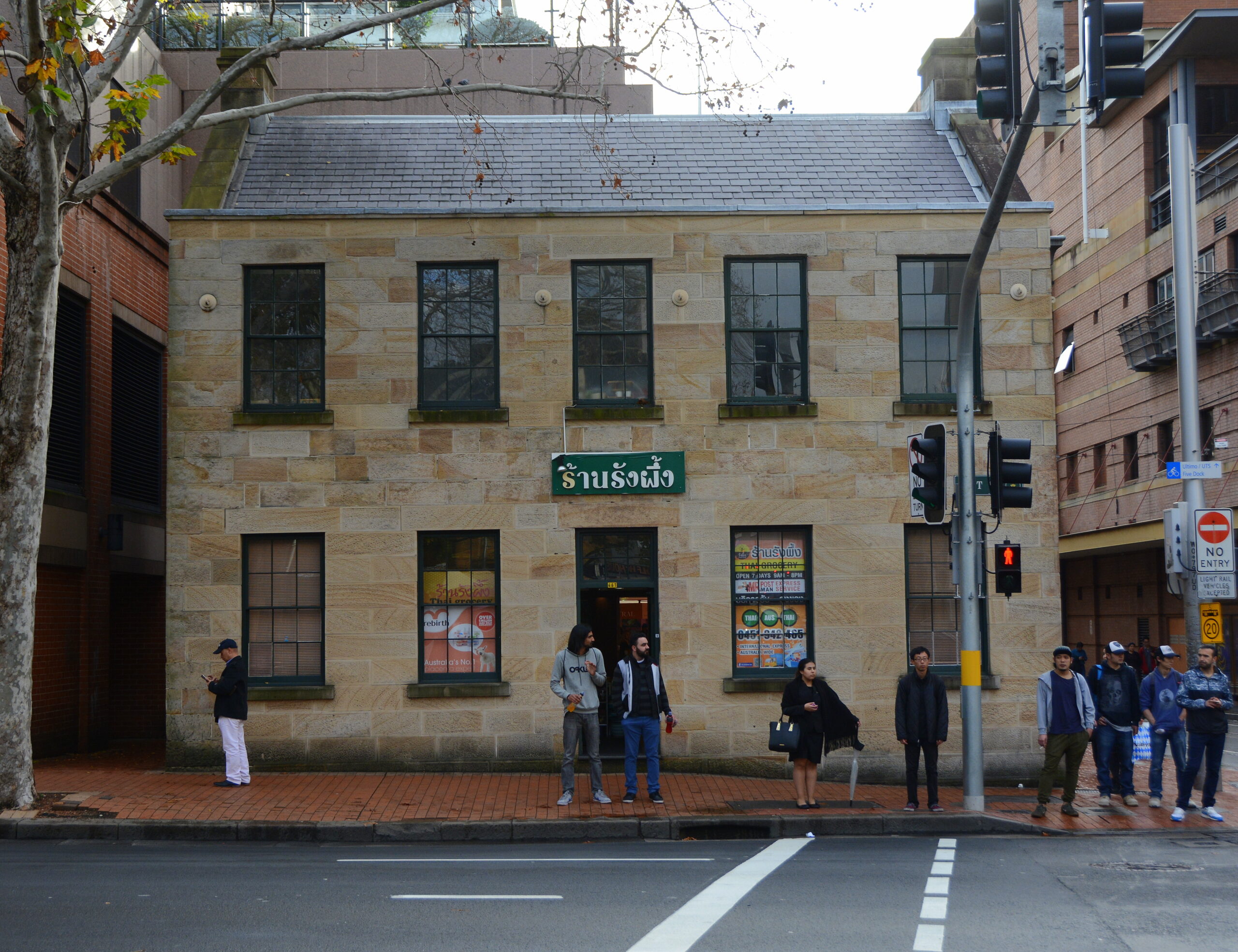
In the early 1920s, Australian retail was still predominantly characterized by traditional counter service, where patrons waited for clerks behind polished wooden barriers to retrieve goods from high shelves, with prices frequently negotiated or unlisted. On 22 September 1924, five ambitious Sydney entrepreneurs—Percy Christmas, Stanley Chatterton, Cecil Scott Waine, George Creed, and Ernest Williams—revolutionized this paradigm. Renting a disused basement space inside the bustling Imperial Arcade on Pitt Street, they opened the first store of Woolworths Limited, establishing an entirely novel shopping experience for the Australian working and middle classes.
Open Merchandising Counters and Fixed-Price Accessibility
Borrowing the famous name of the American retail pioneer Frank Winfield Woolworth (though established as an entirely independent Australian corporation), Woolworths introduced open-display bargain tables where every article was clearly priced at nothing more than two shillings and sixpence. Shoppers were invited to browse freely, touch merchandise, inspect glassware, toys, haberdashery, and confectionery, and carry their selections directly to centralized cash registers. The innovative open layout eliminated social barriers, democratized consumer goods, and created an electric commercial spectacle in the heart of interwar Sydney.

Urban Expansion and National Retail Consolidation
The success of the basement shop on Pitt Street was instantaneous, drawing tens of thousands of curious shoppers and forcing management to open a second store on George Street within three years. By the late 1920s and early 1930s, Woolworths was expanding across interstate capitals, establishing monumental retail stores in Brisbane, Melbourne, and regional hubs. Surviving the economic hardships of the Great Depression through disciplined volume purchasing and razor-thin profit margins, the enterprise evolved over subsequent decades from a novelty department chain into Australia’s foremost supermarket and retail logistics conglomerate.
A century after its modest basement debut in the Imperial Arcade, Woolworths remains an indelible fixture of Australian commercial life. Its foundational 1924 venture on Pitt Street marks a watershed moment in the history of southern hemisphere mass retailing, consumer culture, and urban commercial architecture.
Historic Site & Location
Historic Address: Pitt Street, Sydney NSW 2000, Australia
Nearby in the archive
- North Sydney Olympic Pool, Sydney — Inter-War decoration under the Harbour Bridge — 2.2 km away
- Sydney — city guide — the city around it
Sources
- S1 — State Library of New South Wales, Commercial and Retail Photography Collection — https://www.slsw.nsw.gov.au/
- S2 — City of Sydney Archives, Historic Commercial Leases in Pitt Street — https://archives.cityofsydney.nsw.gov.au/
- S3 — Australian Dictionary of Biography, Percy Christmas and Founders of Woolworths — https://adb.anu.edu.au/
Spotted an error? Write to editorial@culturalheritageonline.com and we correct it the same day.


