In September 2021, a comprehensive guide addressed the use of non-fungible tokens (NFTs) by photographers and creative professionals seeking new ways to sell and authenticate their work.
Understanding non-fungible tokens
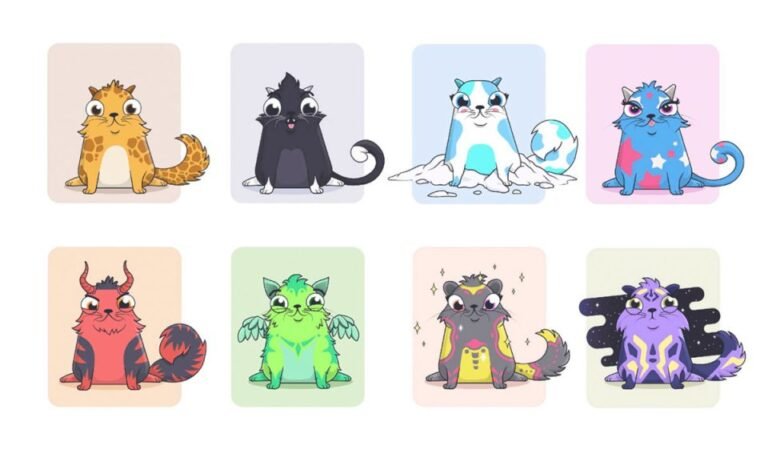
NFTs, or non-fungible tokens, represent a technology rapidly spreading among creatives across multiple disciplines, including photography. The term “non-fungible” means something that is unique and cannot be replaced by anything else. While digital products can be easily copied and edited, an NFT enables creators to establish something that cannot be stolen or counterfeited: ownership of the artwork itself. This technology allows photographers to sell works in limited editions while maintaining payment certainty, all while retaining complete image rights.
Blockchain and smart contracts
The guide provided general explanation of blockchain technology and smart contracts as foundational concepts for understanding how NFTs function. These technologies enable the creation of verifiable, unchangeable records of ownership and transaction history.
Creating your first NFT
The practical section of the guide walked through the step-by-step process of creating an NFT, including setting up an Ethereum wallet using MetaMask, creating collections on the OpenSea platform, minting the first NFT, and listing it for sale. The guide covered wallet creation, collection organization, NFT minting procedures, and sales listing processes in sequential detail.
On video
Frequently asked questions
What does non-fungible mean?
Non-fungible means something is unique and cannot be replaced by something else, establishing verifiable ownership that cannot be stolen or counterfeited.
Can photographers retain their rights when creating NFTs?
Yes, the NFT process allows photographers to create limited-edition sales while retaining all image rights.
What platforms are used to create NFTs?
OpenSea and MetaMask were identified as key platforms for creating wallets and minting NFTs in the practical demonstration.