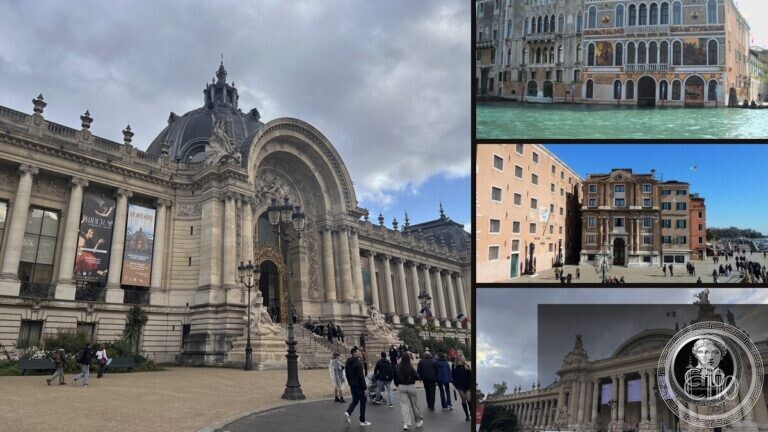
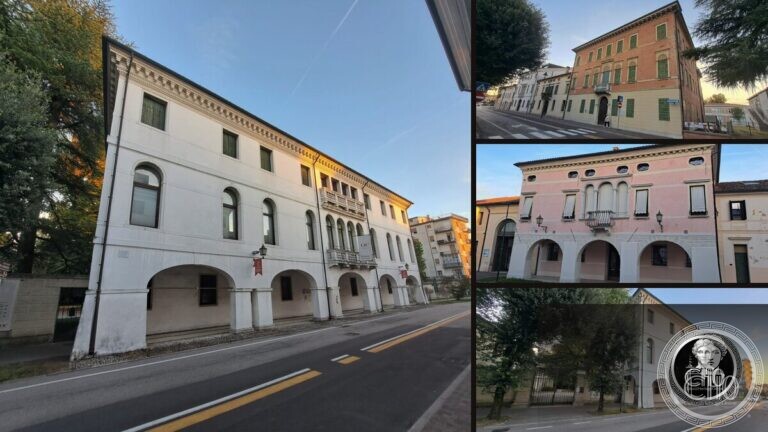
A hotel sells two different things online, and most strategies mix them: a room, which is a commodity compared on price, and a building, which is not. The second is where a historic property wins, and it is the one thing the booking platforms do not sell.
1. The three layers
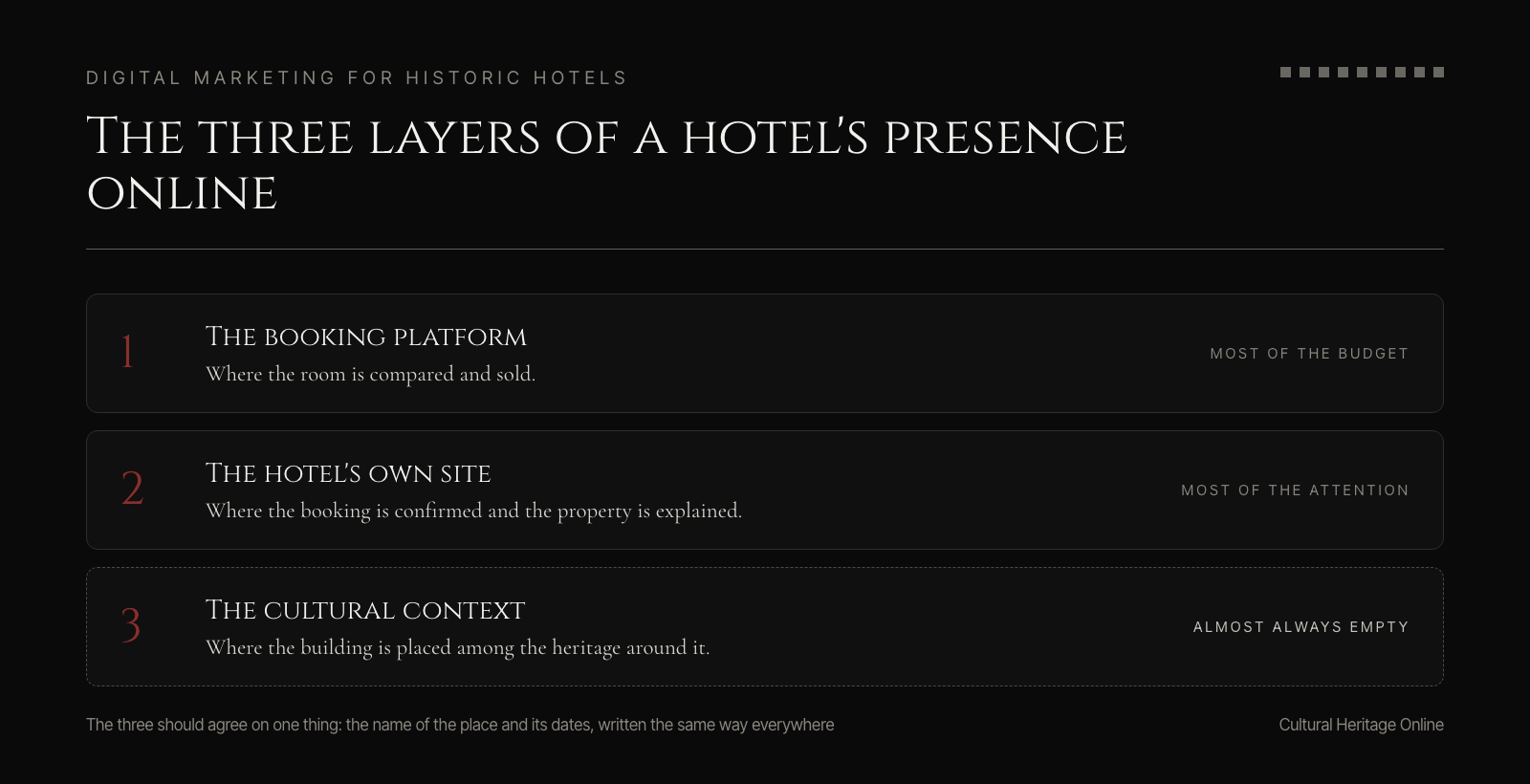
A hotel’s presence online is made of three layers, and each has a different job:
- the booking platform, where the room is compared and sold;
- the hotel’s own site, where the booking is confirmed and the property is explained;
- the cultural context, where the building is placed among the heritage around it.
Most budgets go to the first layer and most attention to the second. The third is where the difference is made, and it is almost always empty. The three should agree on one thing: the name of the place and its dates, written the same way everywhere.
2. What the booking platform does not do
The platform shows a room, a price and a rating. It does not explain that the building was a convent, that the staircase is Liberty, that the street was the artisans’ quarter, or that there are seven heritage sites within ten minutes on foot.
That is not a fault of the platform: it is built to compare rooms, and it keeps the guest relationship — the email, the review, the ranking — in its own hands. A hotel that wants to be chosen for the building has to say it somewhere the platform is not.
3. The page that answers "why this building"
A page that answers the question has four parts:
- the building, with dates and the name of who built or transformed it;
- the evidence: photographs with credits, documents, the sources;
- the position: a map, and the heritage within walking distance;
- the stay: what a guest can do this month, with dates.
This page does a job the OTA cannot: it gives a reason to choose the property before the price is compared. It is also the page a journalist, a guide or a tour operator links when they write about the city, which is how a hotel enters other people’s pages.
4. Email, and the guest who returns
The most profitable guest is the one who comes back. Email is the only channel the hotel owns, and it is the only one a platform cannot change or rent back to you.
Two messages do most of the work: the one after the stay, which asks a question and offers the next season; and the one before the season, which tells the guests what has changed in the building or in the programme.
5. The measurement
Three numbers, by source: bookings from the site, bookings from the platforms, direct requests. If the site brings requests and the platform brings bookings, the page is doing its job: it is the page that convinced, even when the booking happens elsewhere. The number to watch is not the page’s traffic, it is the requests it produces.
6. What the partner programme adds
For a historic property, the missing piece is context: the place around the building, the route that connects it, the story that makes it a destination and not only a bed. The partner programme builds the place-card, the route and an editorial feature inside an archive of 16,968 places and 6,341 cities (figures measured on 22 October 2026), and it is the page that sells the building.
See what the partner programme builds around a historic property: /founding-partner/