

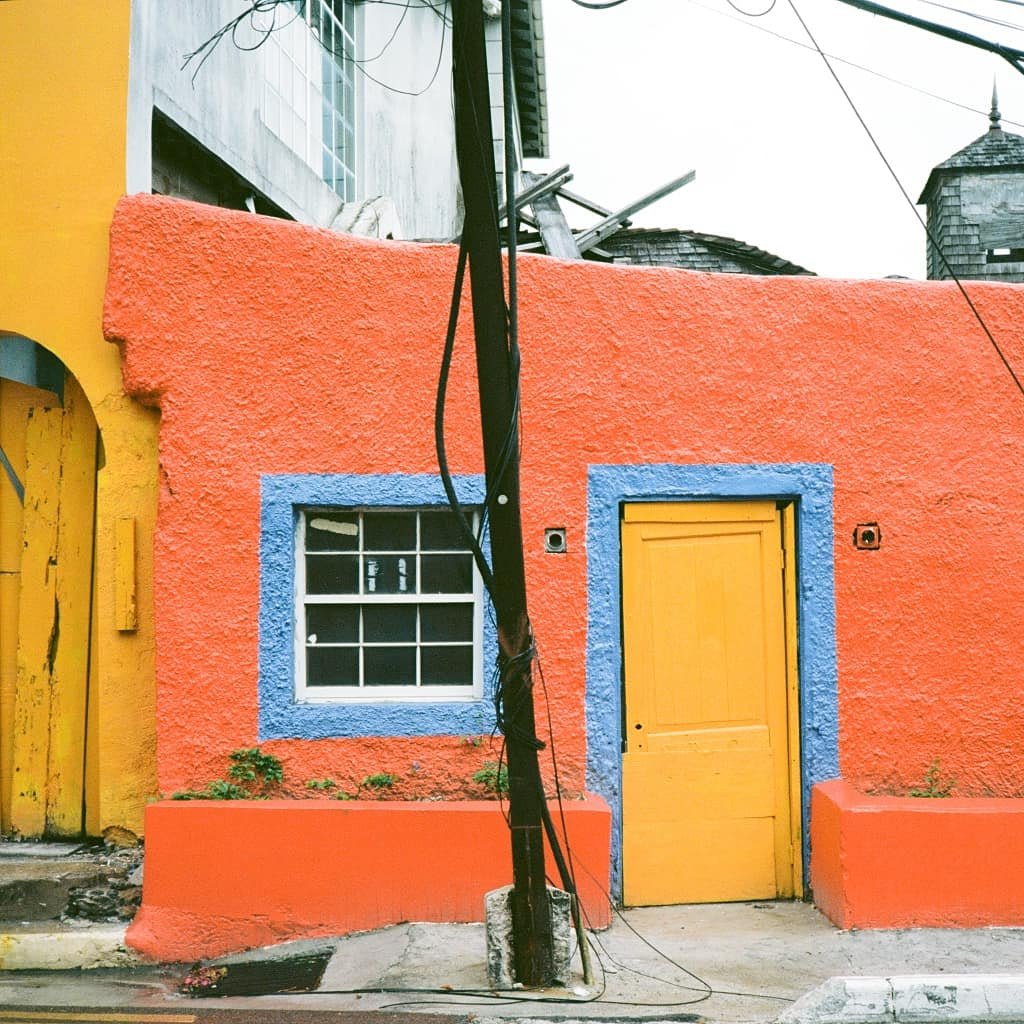
UNESCO Heritage Sites Near Nassau, Bahamas
The Bahamas has no UNESCO World Heritage Sites, but offers Columbus’s 1492 landfall site on San Salvador and the world’s third-longest barrier reef off Andros — both within reach of Nassau.

The Bahamas has no UNESCO World Heritage Sites, but offers Columbus’s 1492 landfall site on San Salvador and the world’s third-longest barrier reef off Andros — both within reach of Nassau.
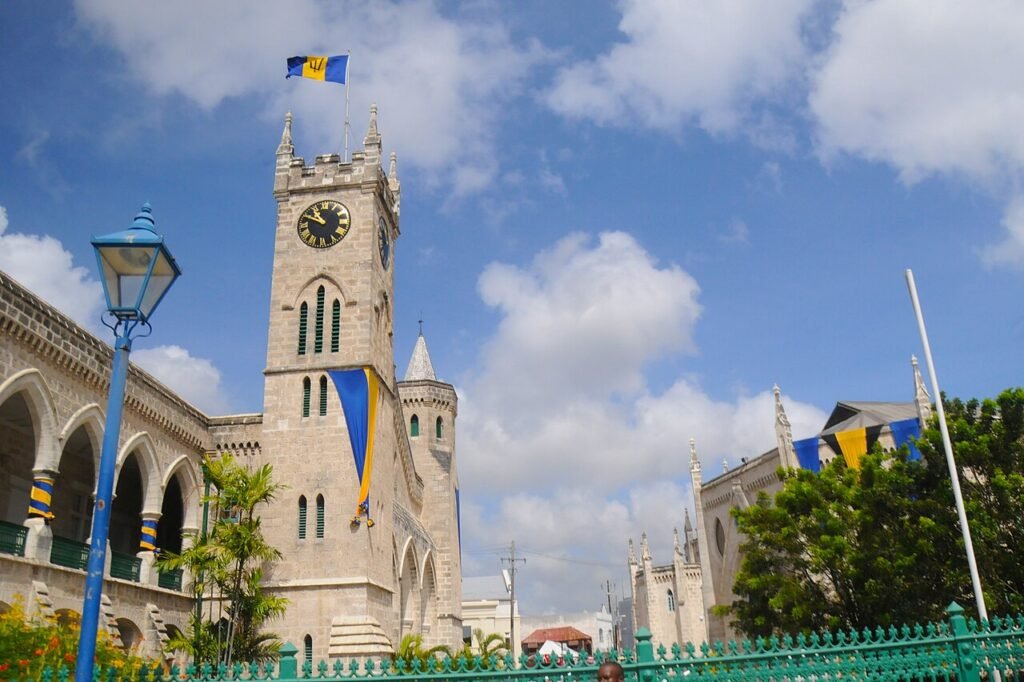
Barbados’s only UNESCO World Heritage Site covers colonial Bridgetown — with its pre-London Nelson’s Column — and the Garrison, home to the world’s largest collection of 17th-century iron cannon.
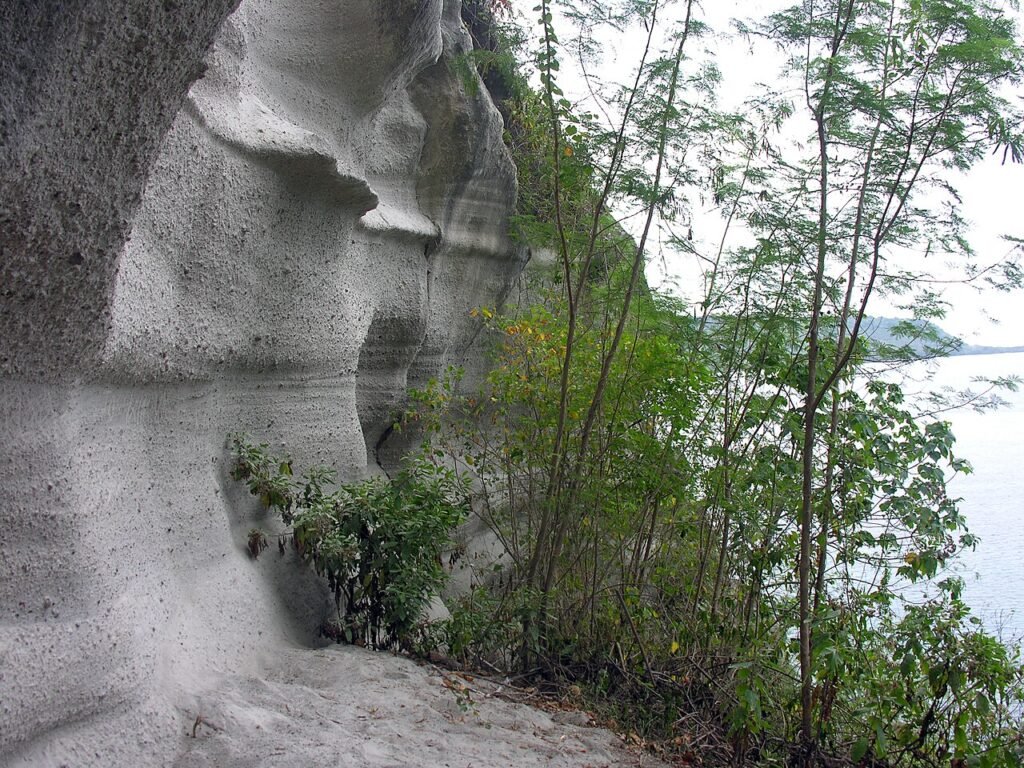
Vanuatu’s only UNESCO World Heritage Site — Chief Roi Mata’s Domain — preserves the burial ground and sacred landscape of a 17th-century paramount chief, still managed by his descendants 25 km from Port Vila.
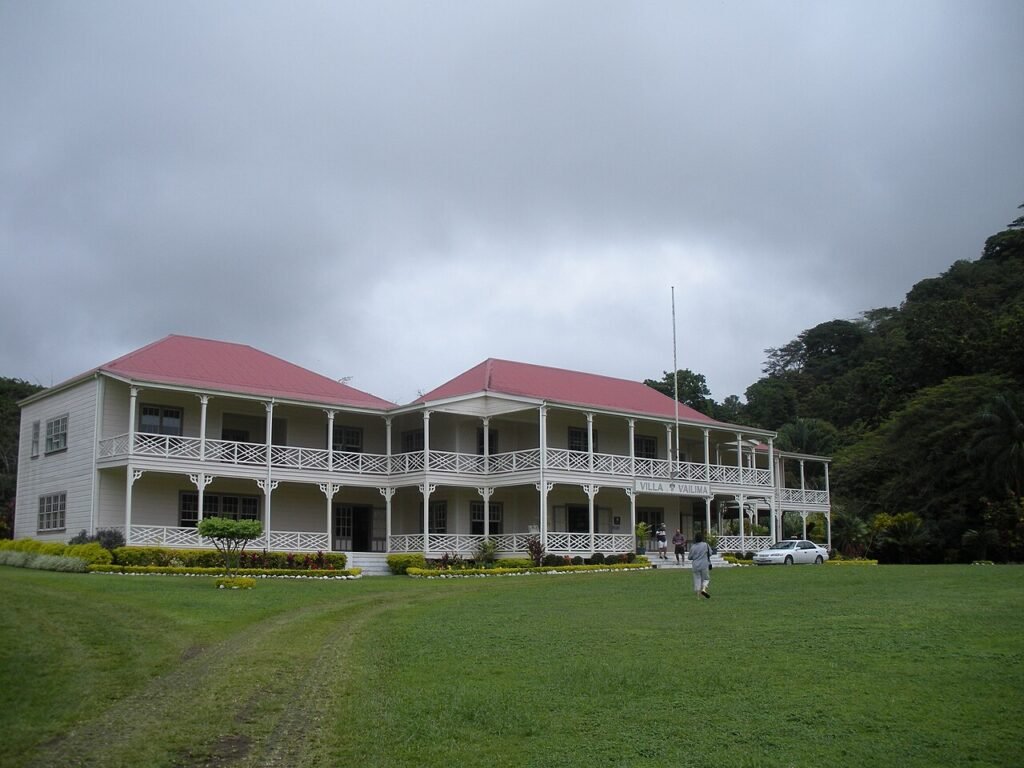
Samoa has no inscribed UNESCO World Heritage Sites, but Apia sits minutes from Vailima — the preserved home of Robert Louis Stevenson — and Savai’i’s volcanic lava tubes are among the Pacific’s most striking natural heritage.
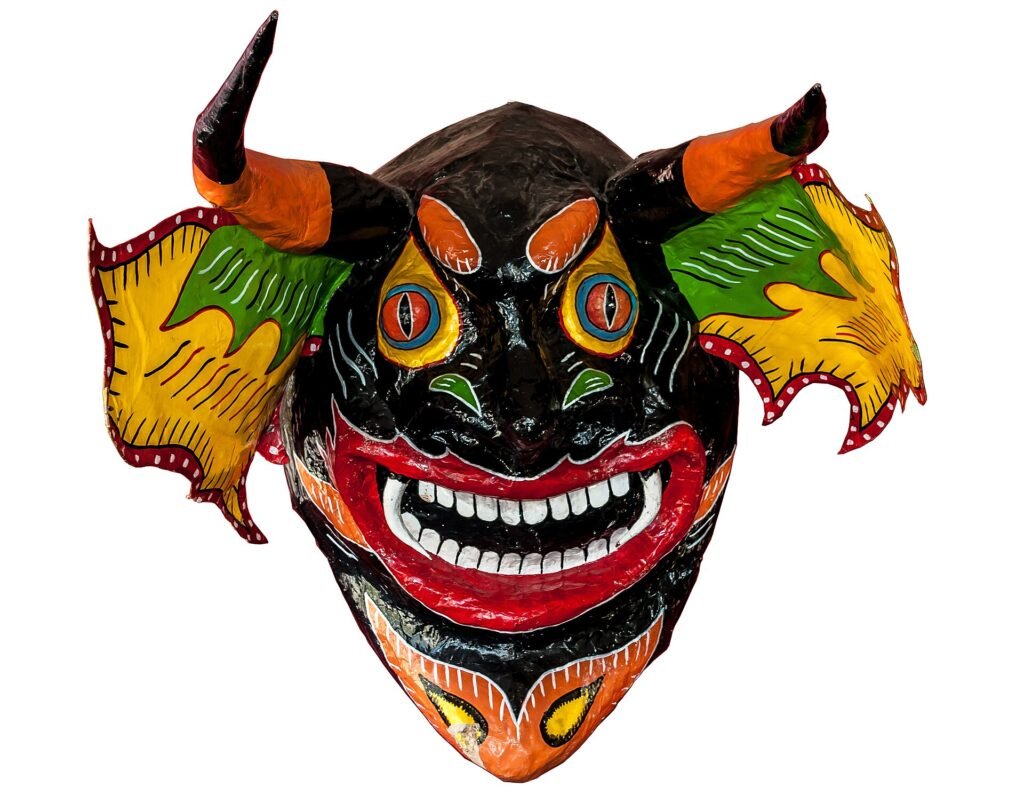
Venezuelan brotherhoods dressed as devils perform synchronized dances on Corpus Christi, blending Catholic devotion with African and Indigenous traditions in a 500-year-old practice honouring Christ in the Eucharist.
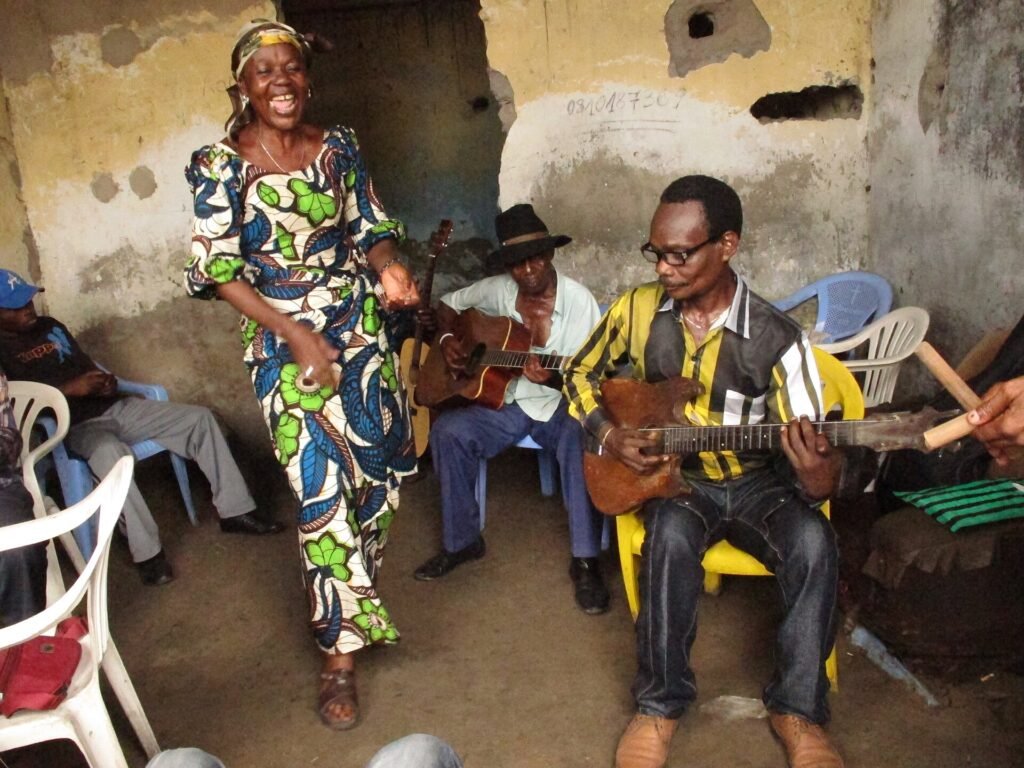
A dance music genre born from the fusion of Bakongo rhythms and Cuban son, Congolese rumba captivates with multilayered guitar riffs, emotive Lingala vocals, and the high-energy sebene bridge.
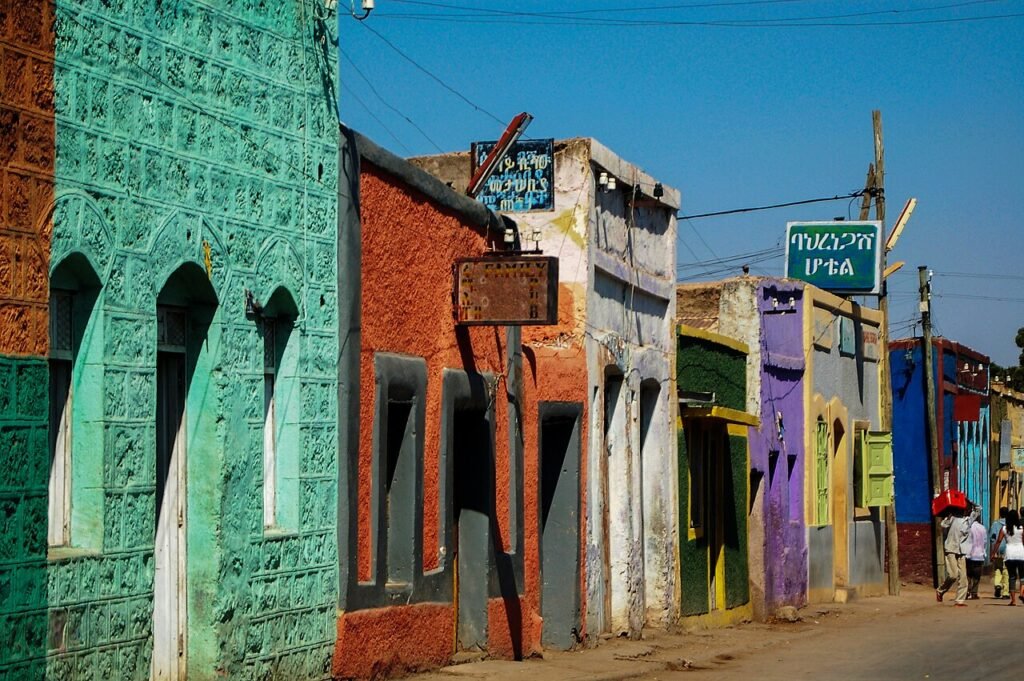
Djibouti has no inscribed UNESCO sites, but Harar Jugol in Ethiopia — a walled Islamic city with 82 mosques and a 500-year hyena-feeding tradition — is reachable in under four hours.
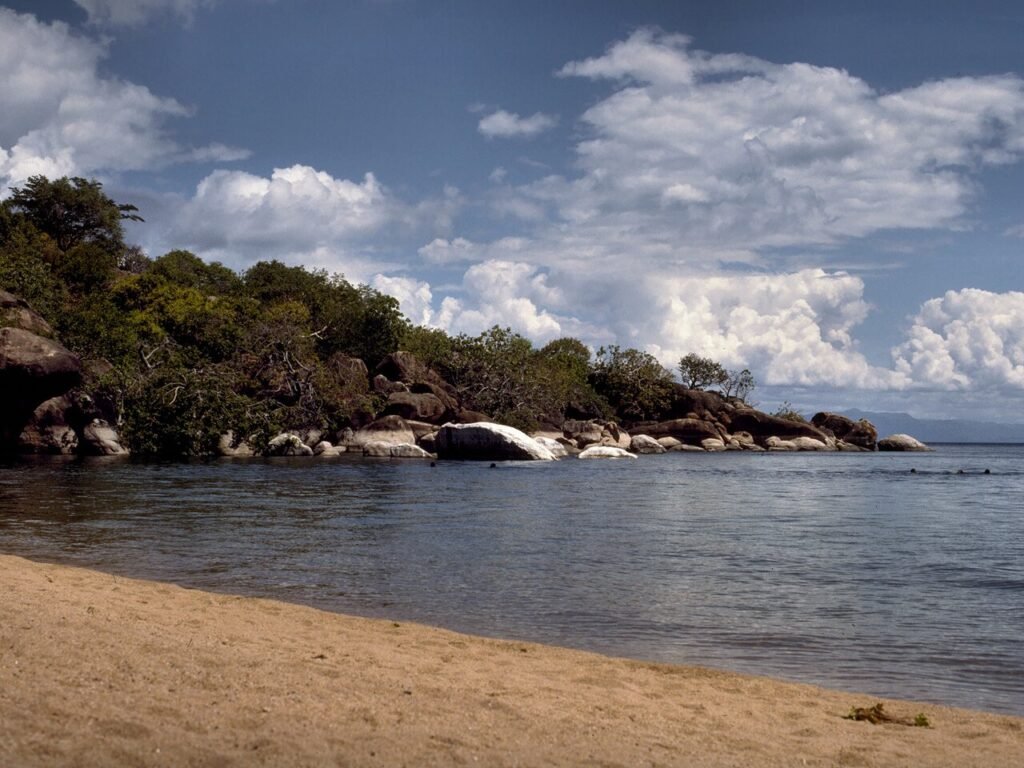
Malawi’s two UNESCO World Heritage Sites — the Chongoni Rock Art Area and Lake Malawi National Park — are both reachable from Lilongwe in a single day.
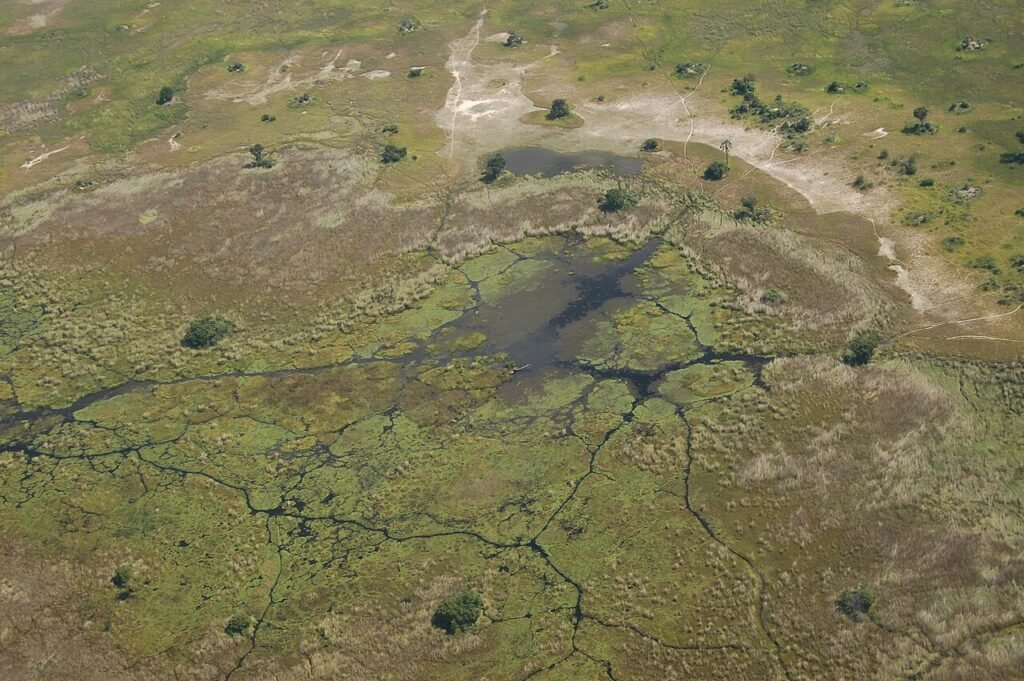
Botswana’s two UNESCO World Heritage Sites — the rock-art sanctuaries of Tsodilo Hills and the vast Okavango Delta wetland — are both reachable from Gaborone by domestic flight.
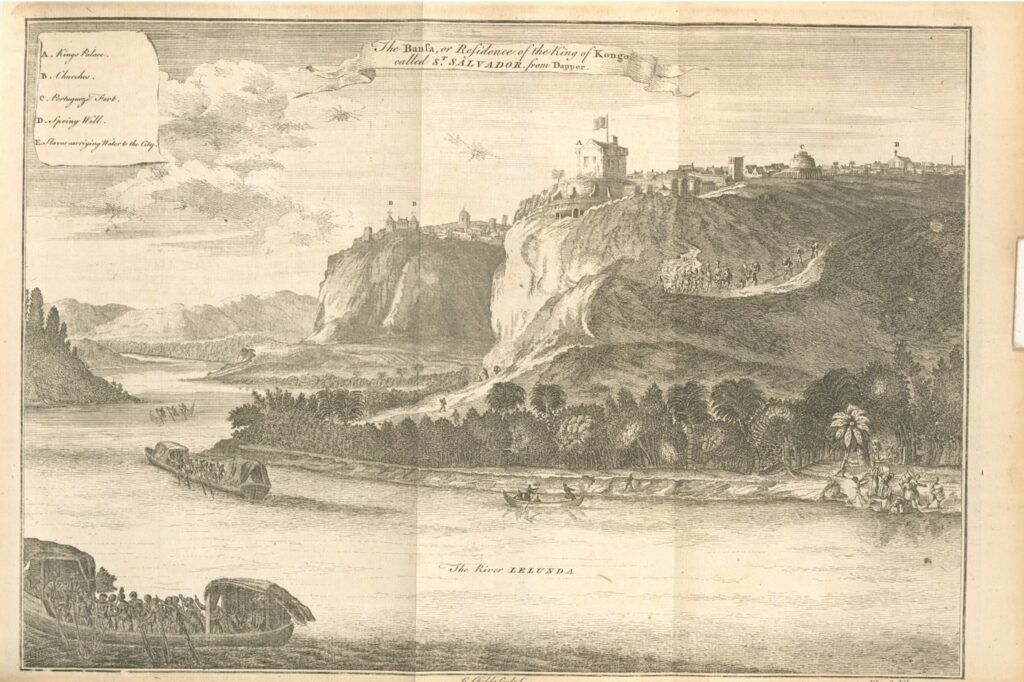
Angola’s sole UNESCO World Heritage Site, Mbanza Kongo, preserves the ruins and living culture of one of pre-colonial Africa’s most powerful kingdoms — 650 km north of Luanda.