

Pysanka: Traditional Ukrainian Egg Decorating Art
Pysanka is the Ukrainian wax-resist egg decoration tradition, blending pagan symbols with Christian meaning through intricate batik patterns applied with a traditional kistka stylus.

Pysanka is the Ukrainian wax-resist egg decoration tradition, blending pagan symbols with Christian meaning through intricate batik patterns applied with a traditional kistka stylus.
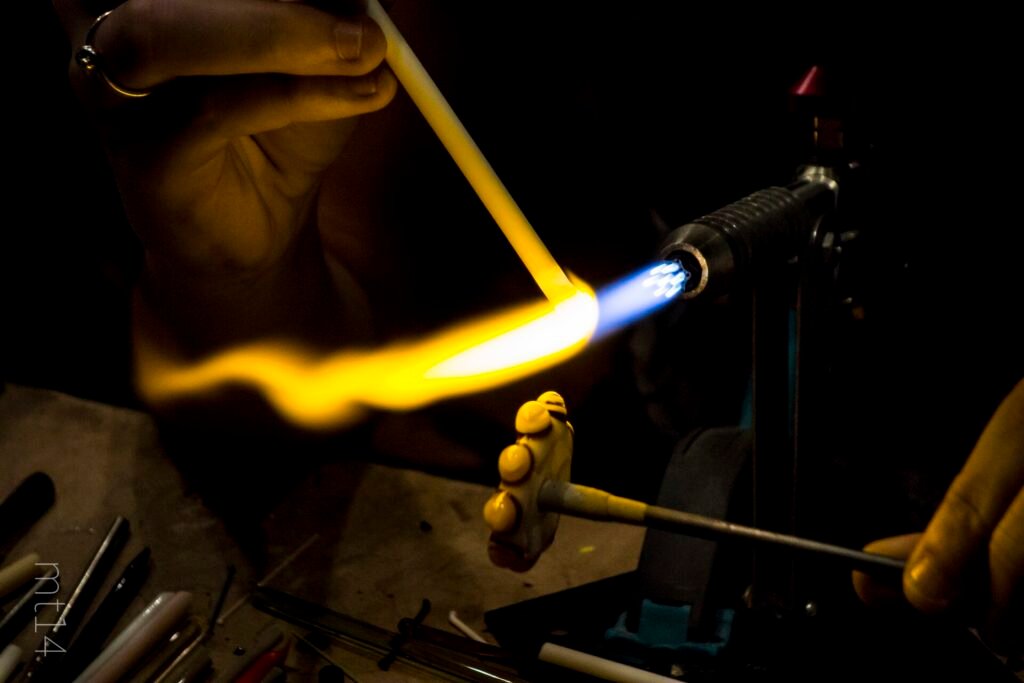
An ancient craft spanning 3,000 years, glass bead making shapes molten glass into luminous beads through skilled hand techniques, embodying trade, artistry, and human connection across civilizations.
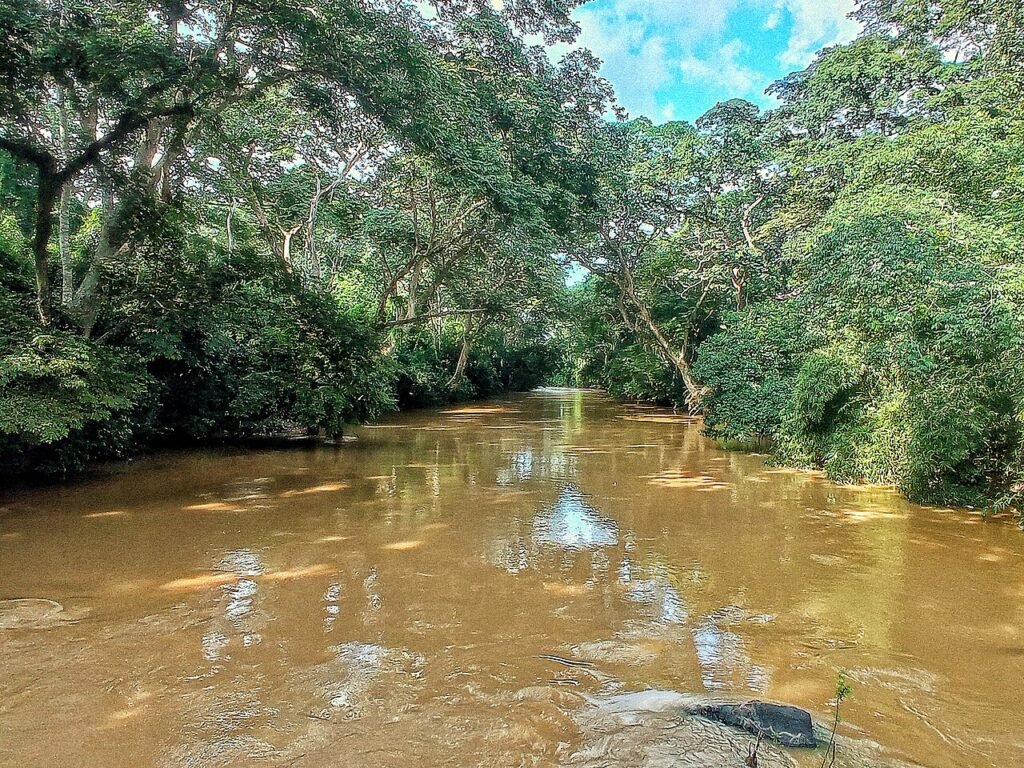
From Abuja, two Nigerian UNESCO World Heritage Sites: the Yoruba Osun-Osogbo Sacred Grove (250 km south) and the Sukur Cultural Landscape iron-smelting mountain chiefdom (500 km northeast).
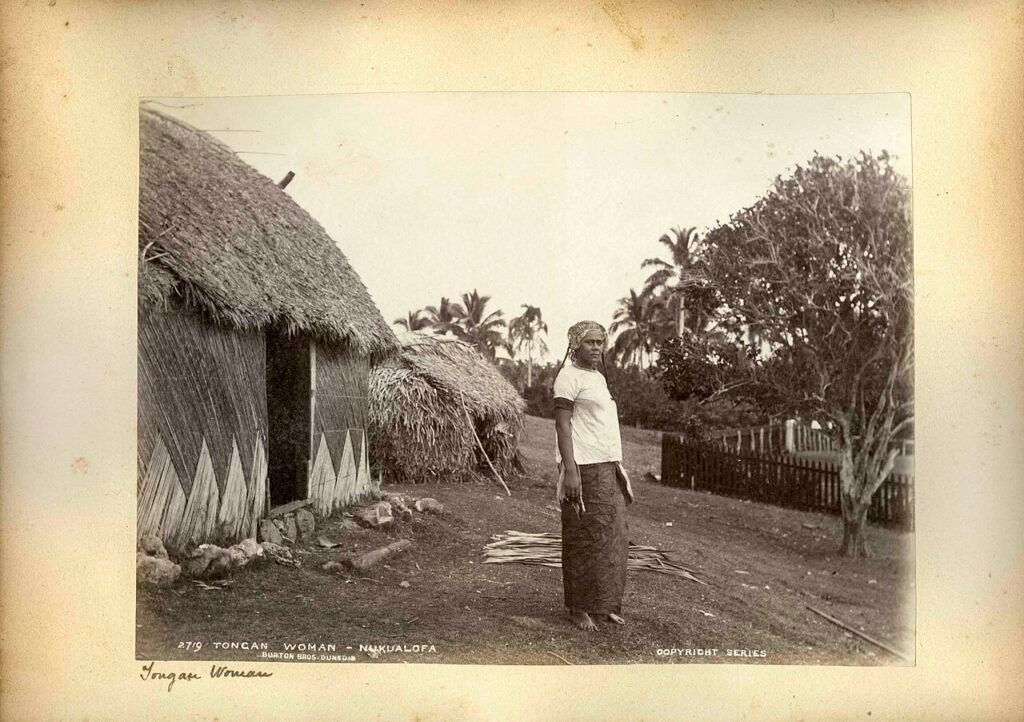
Tonga has no UNESCO sites, but the Ha’amonga ‘a Maui trilithon (built c. 1200 AD, 35 km east of Nuku’alofa) and the royal burial mounds of Lapaha are among the most significant heritage monuments in the Pacific.
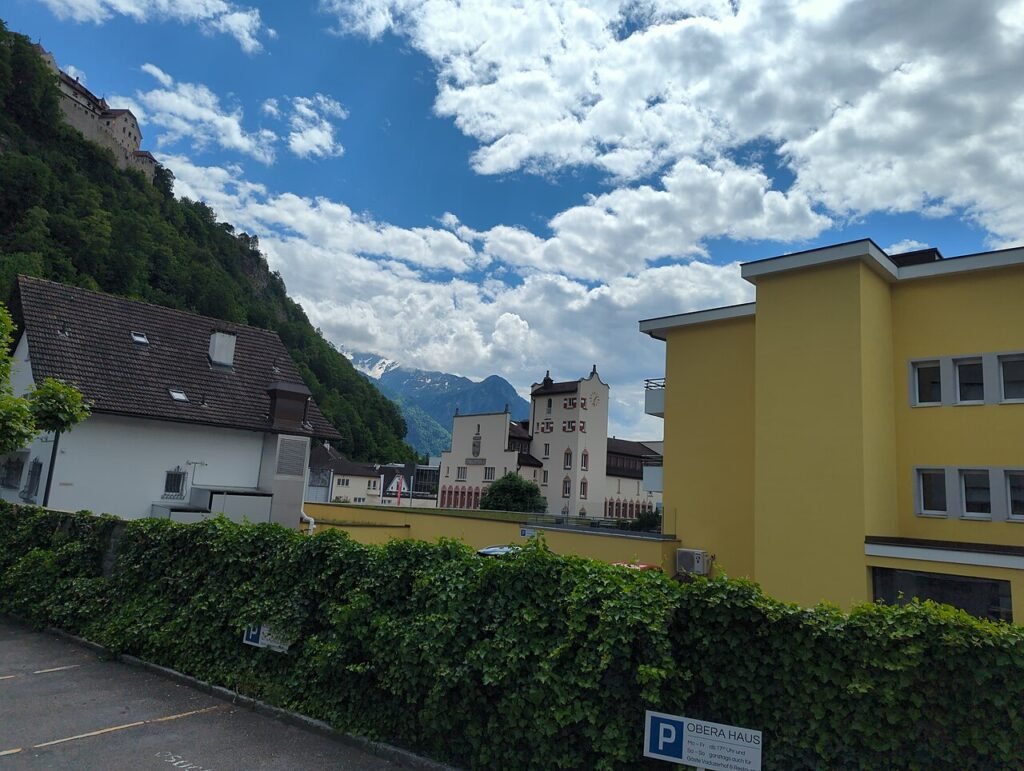
Liechtenstein has no UNESCO sites, but from Vaduz you can reach prehistoric Lake Constance pile dwellings (70 km) and the Swiss Tectonic Arena Sardona (60 km) in under an hour.
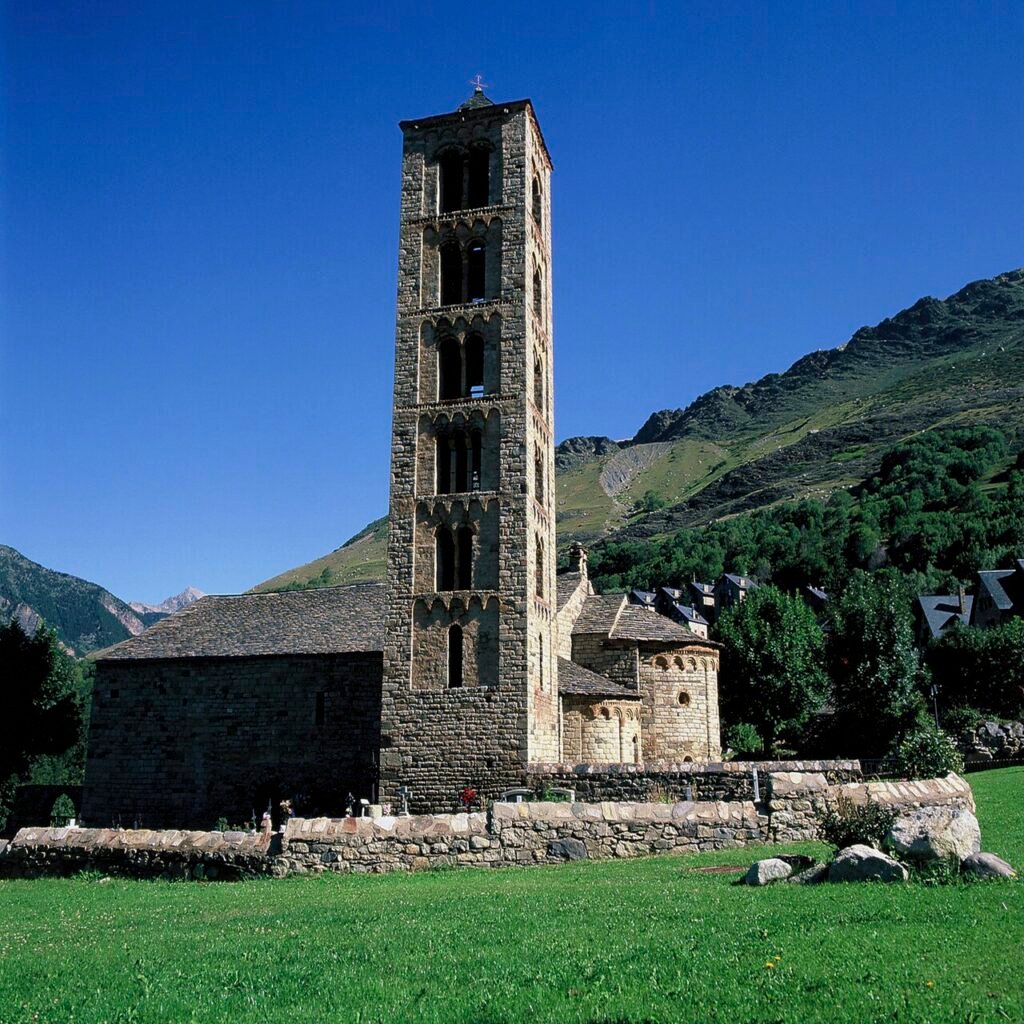
Andorra has no UNESCO sites, but the Catalan Romanesque Churches of the Vall de Boí lie 100 km southwest and the Pyrenees-Mont Perdu landscape 200 km east — both reachable as day trips.
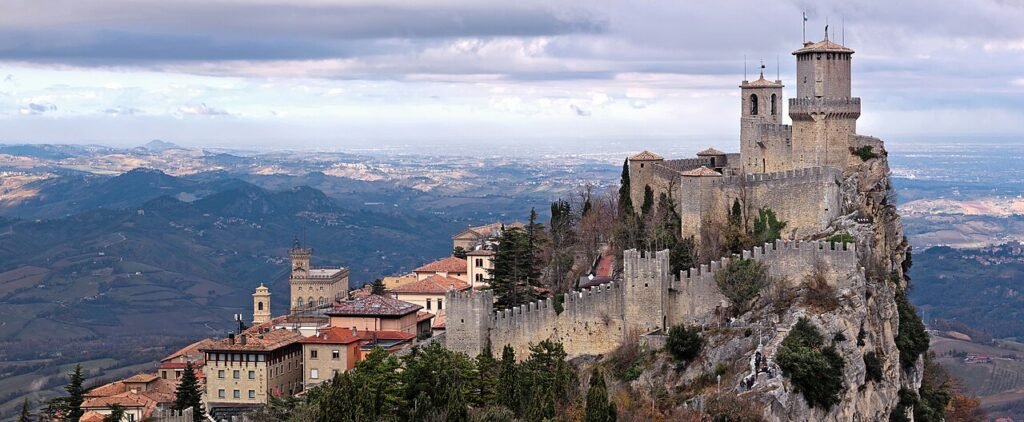
San Marino is itself a UNESCO World Heritage Site — the medieval centre and three summit towers of Monte Titano, seat of the world’s oldest surviving constitutional republic, inscribed in 2008.
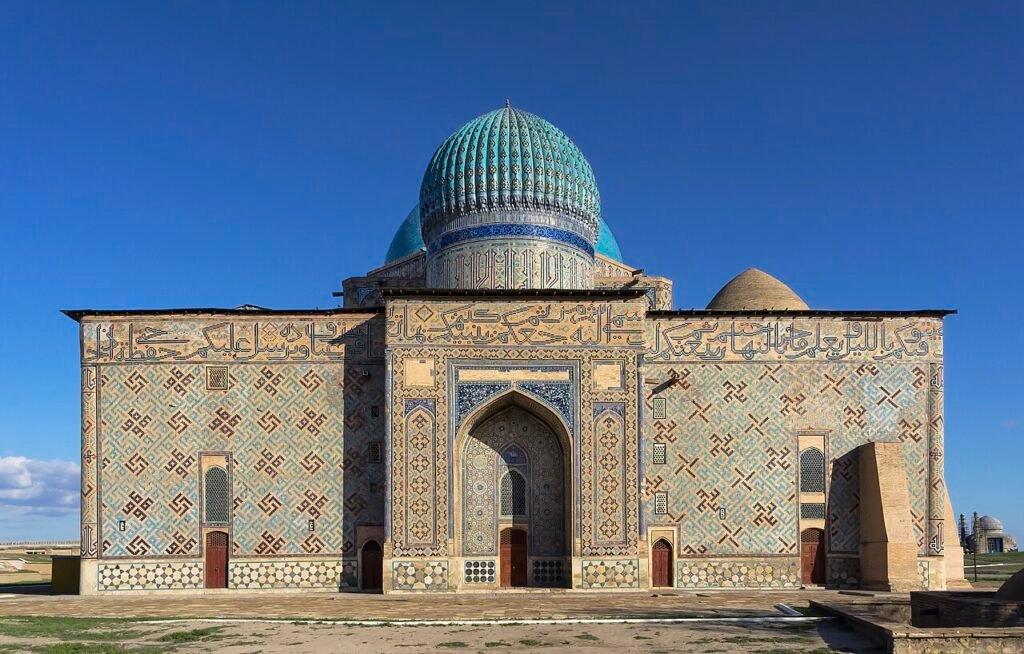
From Astana, reach two UNESCO World Heritage Sites: the Timurid Mausoleum of Khoja Ahmed Yasawi at Turkestan (1 hr flight) and the Saryarka flamingo steppe (3 hr drive).
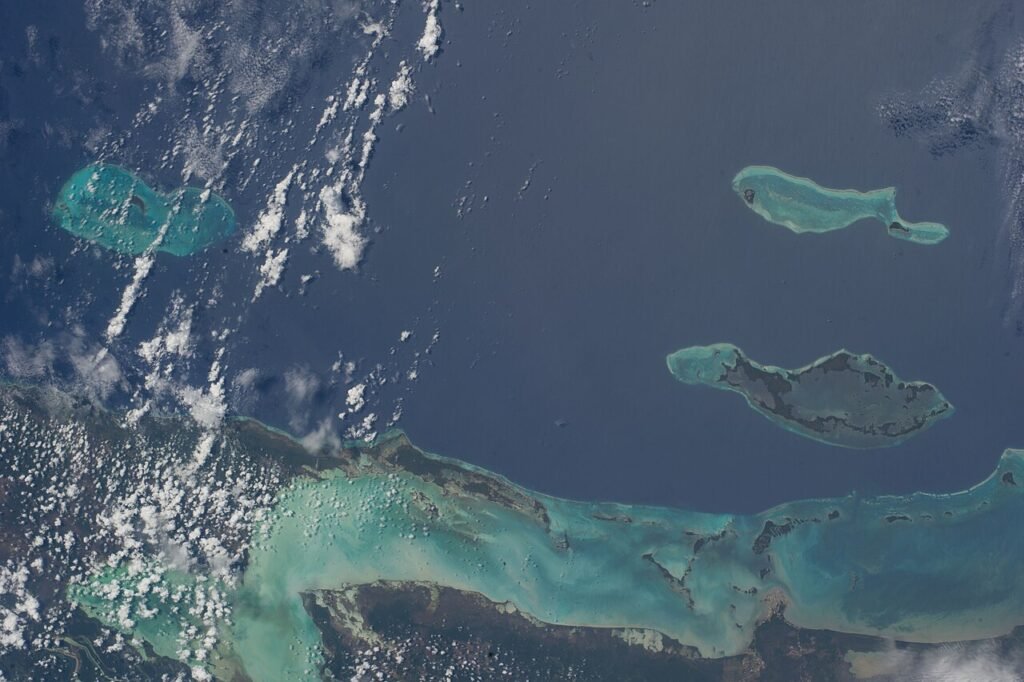
Belize’s UNESCO Barrier Reef Reserve System — the Northern Hemisphere’s largest reef, including the Great Blue Hole and seasonal whale shark sites — is reachable from Belmopan within 2 hours.
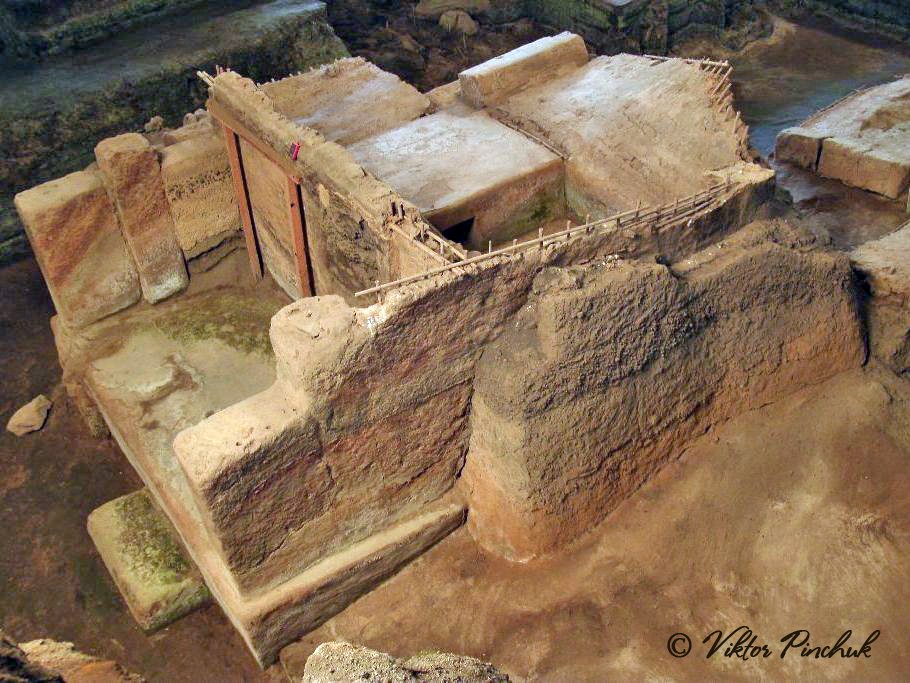
El Salvador’s only UNESCO World Heritage Site, Joya de Cerén, preserves a Maya farming village complete with thatched roofs, food stores, and planted gardens — buried under volcanic ash around 600 AD, 36 km from San Salvador.