Paola Bonometti
Content Editor

Paola Bonometti

Contributions: 1.027 articles

Nome dell'autore: Paola Bonometti

UNESCO Heritage Sites Near Djoudj Bird Sanctuary

UNESCO Heritage Sites Near Djoudj Bird Sanctuary

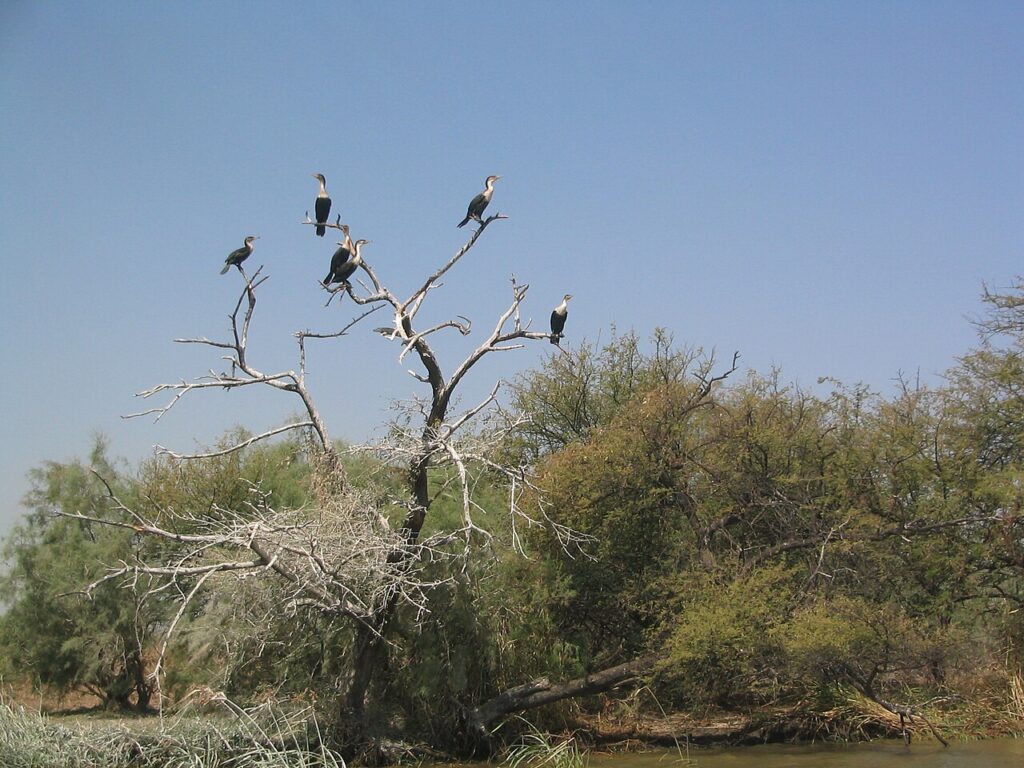
Djoudj National Bird Sanctuary in northwestern Senegal covers 16,000 hectares of Senegal River delta wetland at the Sahara-Sahel boundary, hosting 1.5 to 3 million migratory birds annually including a great white pelican colony of 10,000–15,000 breeding pairs — one of the world’s three largest. A UNESCO World Heritage Site since 1981, it was twice listed as In Danger due to invasive plant infestations subsequently brought under control, and is currently 60 kilometres northeast of Saint-Louis.
UNESCO Heritage Sites Near Vredefort Dome, South Africa

UNESCO Heritage Sites Near Vredefort Dome, South Africa

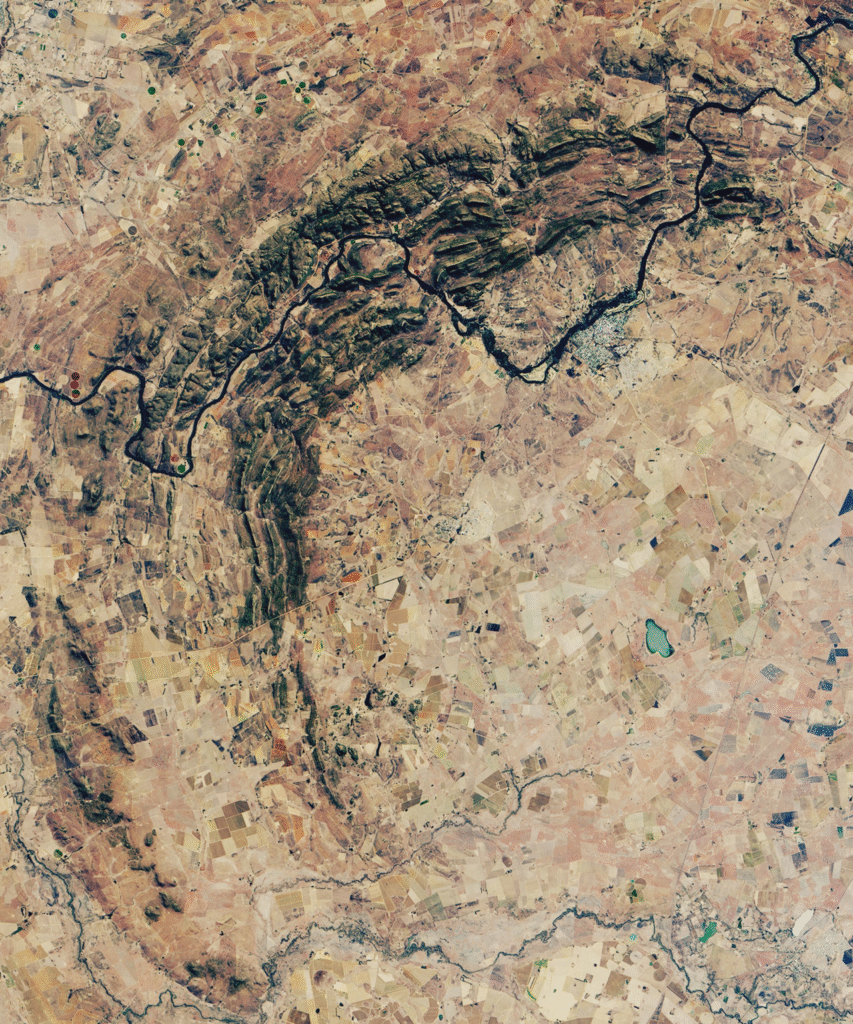
The Vredefort Dome in South Africa’s North West Province is the Earth’s largest and oldest confirmed meteorite impact structure, formed 2,023 million years ago and inscribed as a UNESCO World Heritage Site in 2005. Pseudotachylite veins and shatter cones in road cuts and outcrops record the physics of a 300-kilometre-wide catastrophe now eroded to a 40–50 km central dome, located 120 kilometres southwest of Johannesburg near the town of Parys.

UNESCO Heritage Sites Near Island of Saint-Louis

UNESCO Heritage Sites Near Island of Saint-Louis

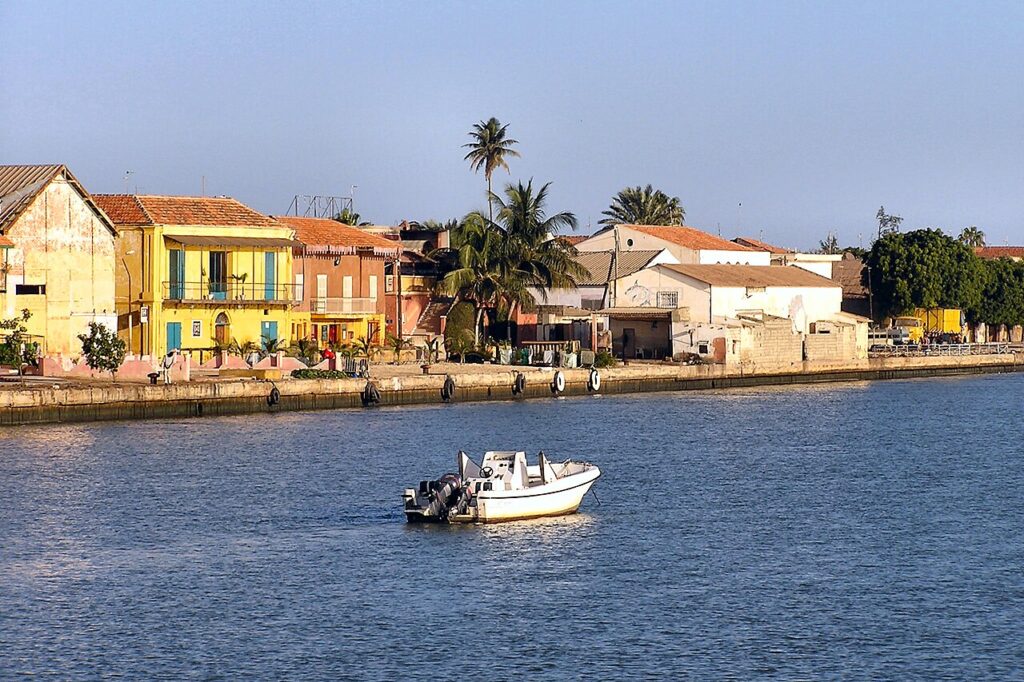
The Island of Saint-Louis — two kilometres long, four hundred metres wide, at the mouth of the Senegal River — was the first permanent French colonial settlement in sub-Saharan Africa and capital of French West Africa for over two centuries. Its arcaded colonial townhouses, built from the seventeenth century onward in a style that fuses French merchant architecture with tropical adaptation and North African ornamental craft, constitute one of the most complete historic urban ensembles on the continent. The island is inscribed on the UNESCO World Heritage List and, simultaneously, on the List of World Heritage in Danger — facing one of the most acute climate-driven displacement crises in the world.

UNESCO Heritage Sites Near Lopé-Okanda, Gabon

UNESCO Heritage Sites Near Lopé-Okanda, Gabon

The Lopé-Okanda mixed UNESCO site in Gabon combines one of Central Africa’s last intact forest-savanna mosaics with more than 1,800 ancient rock engravings left by early Bantu-speaking communities along the Ogooué River, creating an extraordinary superimposition of ecological and human history. Accessible by the Transgabonais Railway from Libreville, it offers gorilla tracking, mandrill supergroup sightings, and guided visits to the engraving sites.

UNESCO Heritage Sites Near Ambohimanga, Madagascar

UNESCO Heritage Sites Near Ambohimanga, Madagascar

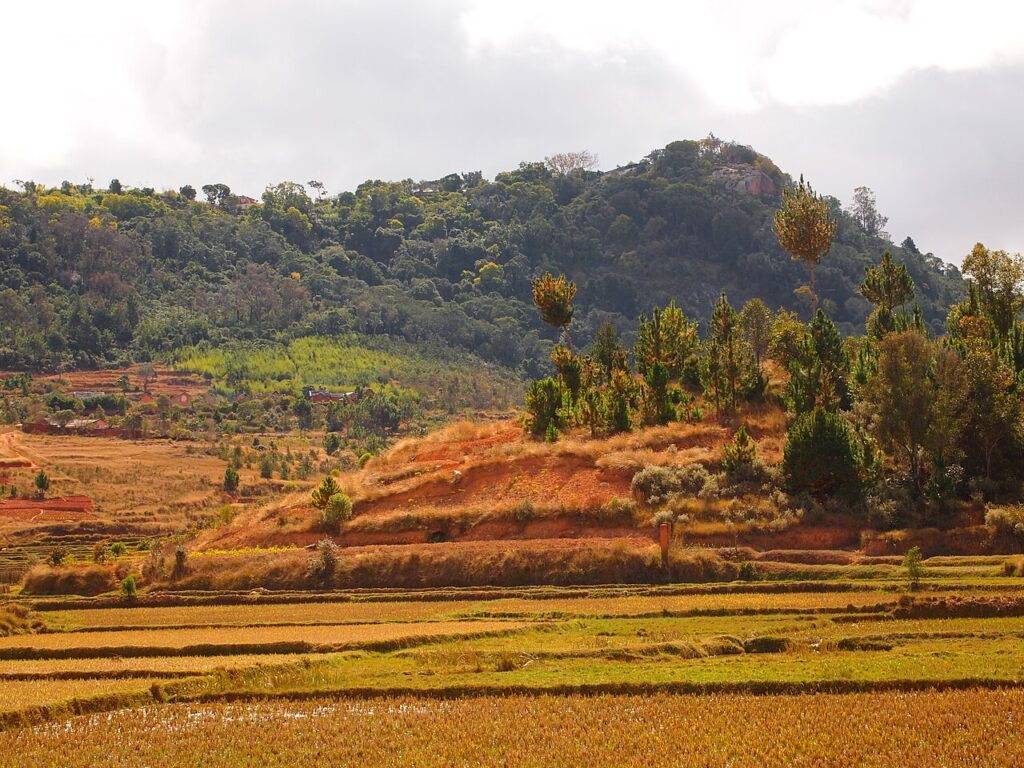
The Royal Hill of Ambohimanga in Madagascar’s central highlands is the most sacred site in the country — a forested hilltop enclosure where the palaces of the Merina kingdom’s greatest ruler stand alongside active ancestral shrines, and where pilgrims from across Madagascar and the diaspora continue to pray and leave offerings. UNESCO inscribed it in 2001 as Madagascar’s only cultural World Heritage Site.

UNESCO Heritage Sites Near Tsodilo, Botswana

UNESCO Heritage Sites Near Tsodilo, Botswana

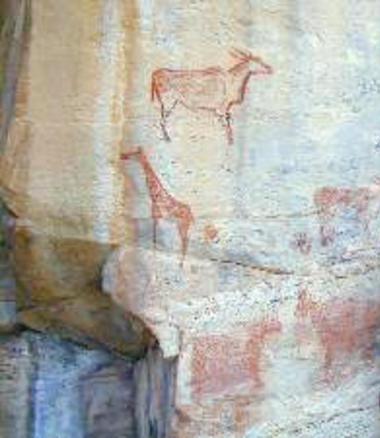
Tsodilo in Botswana is a group of four quartzite hills bearing more than 4,500 San rock paintings made over approximately 24,000 years — the highest concentration of rock art per square kilometre in the world, and one of the most sacred places in San cosmology. Remote, rarely visited, and extraordinary in scale and depth, it was inscribed by UNESCO in 2001.

UNESCO Heritage Sites Near Bandiagara Escarpment, Mali

UNESCO Heritage Sites Near Bandiagara Escarpment, Mali

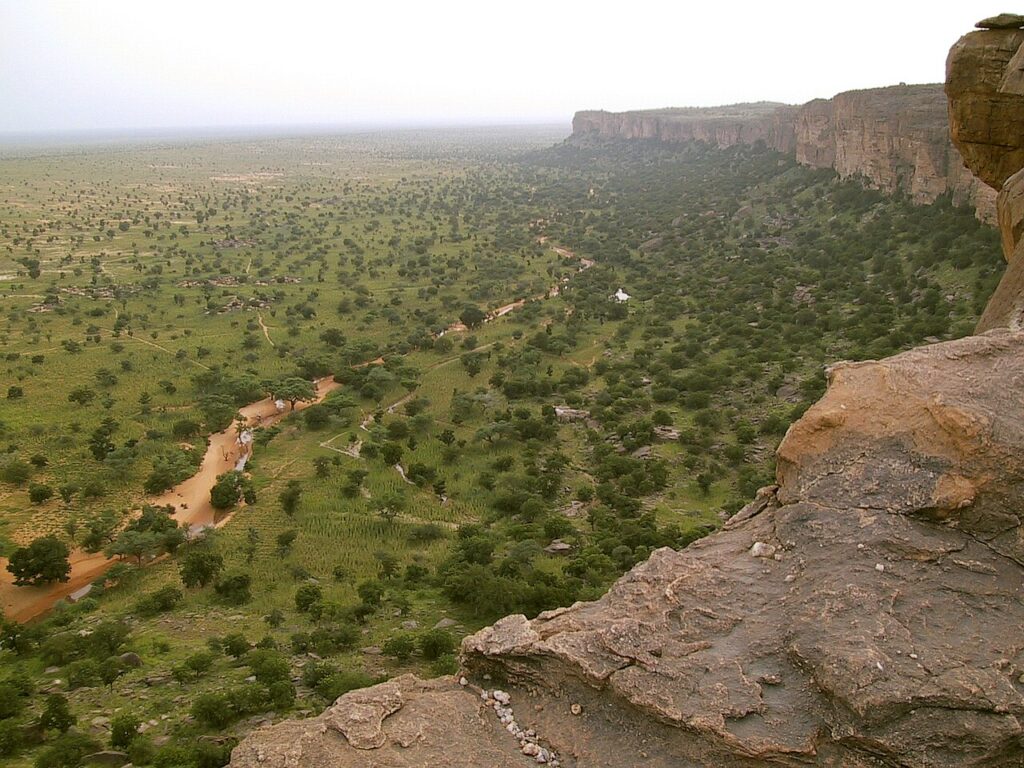
The Bandiagara Escarpment in Mali is a 150-kilometre sandstone cliff where Dogon communities have lived for more than 700 years, preserving one of Africa’s most complex cosmological traditions and most distinctive architectural landscapes. A UNESCO World Heritage Site since 1989, it has been listed as in Danger since 2023 due to regional insecurity in the Sahel.

UNESCO Heritage Sites Near Thimlich Ohinga, Kenya

UNESCO Heritage Sites Near Thimlich Ohinga, Kenya

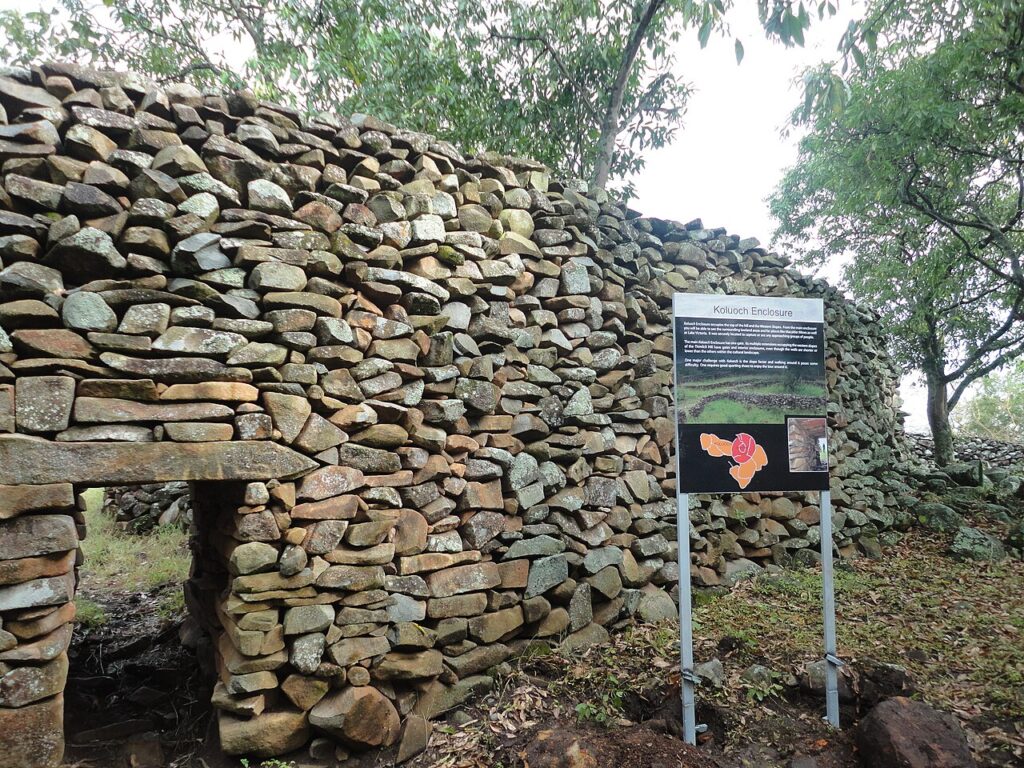
Thimlich Ohinga in Migori County, western Kenya, is the largest and best-preserved dry-stone enclosure of the ohinga tradition built by Iron Age Luo-ancestral communities around Lake Victoria from approximately 1500 CE. Its concentric granite walls — up to 4 metres high and 1.4 metres thick, built without mortar — enclosed a socially stratified settlement inhabited continuously for roughly 450 years. UNESCO inscribed it in 2018 as Kenya’s seventh World Heritage Site.

UNESCO Heritage Sites Near Mapungubwe, South Africa

UNESCO Heritage Sites Near Mapungubwe, South Africa

Mapungubwe Cultural Landscape in South Africa’s Limpopo Province preserves the capital of southern Africa’s first hierarchically organized Bantu-speaking kingdom (c. 1000–1290 CE), which grew wealthy controlling the ivory and gold trade to the Indian Ocean. The hilltop royal graves yielded the Golden Rhinoceros — gold foil over carved wood — the earliest evidence of sophisticated gold working in the region. UNESCO inscribed the site in 2003.

UNESCO Heritage Sites Near Kondoa Rock Art, Tanzania

UNESCO Heritage Sites Near Kondoa Rock Art, Tanzania

The Kondoa Rock Art Sites in central Tanzania’s Dodoma Region contain more than 150 painted rock shelters spanning at least 19,000 years of continuous artistic tradition, from late Pleistocene hunter-gatherer imagery through Iron Age pastoral scenes. UNESCO inscribed the 2,336 km² landscape in 2006, recognizing both its archaeological depth and its living sacred significance for the Hadza and Sandawe peoples whose ancestors created the paintings.

Torna in alto