

Joropo: The Traditional Llanero Music and Dance
A centuries-old dance and musical genre fusing African, European, and indigenous influences, joropo defines Venezuelan identity and was inscribed on UNESCO’s Intangible Cultural Heritage list in 2025.

A centuries-old dance and musical genre fusing African, European, and indigenous influences, joropo defines Venezuelan identity and was inscribed on UNESCO’s Intangible Cultural Heritage list in 2025.

Two UNESCO World Heritage Sites lie within reach of Kota Kinabalu: the biodiverse heights of Kinabalu Park and the record-breaking cave system of Gunung Mulu.

Vientiane is the gateway to Laos’s two UNESCO World Heritage Sites: the living Buddhist town of Luang Prabang (2 hr by train) and the ancient Khmer sanctuary of Vat Phou in Champasak.

Rabat sits at the centre of a UNESCO arc spanning 250 km: the city’s own Almohad and colonial heritage, the medieval labyrinth of Fez, and the Roman mosaics of Volubilis.

Sydney sits within reach of three UNESCO World Heritage Sites: the Opera House on its harbour point, the eucalyptus wilderness of the Blue Mountains, and the remote volcanic gem of Lord Howe Island.

Two UNESCO World Heritage Sites are reachable from Auckland: the sacred volcanic peaks of Tongariro National Park and the vast temperate wilderness of Te Wāhipounamu on the South Island.

Two Jesuit mission ruins in Paraguay’s southeast — Trinidad and Jesús de Tavarangue — form part of a UNESCO trans-boundary site and rank among the best-preserved reductions in South America, reachable from Asunción in under four hours.
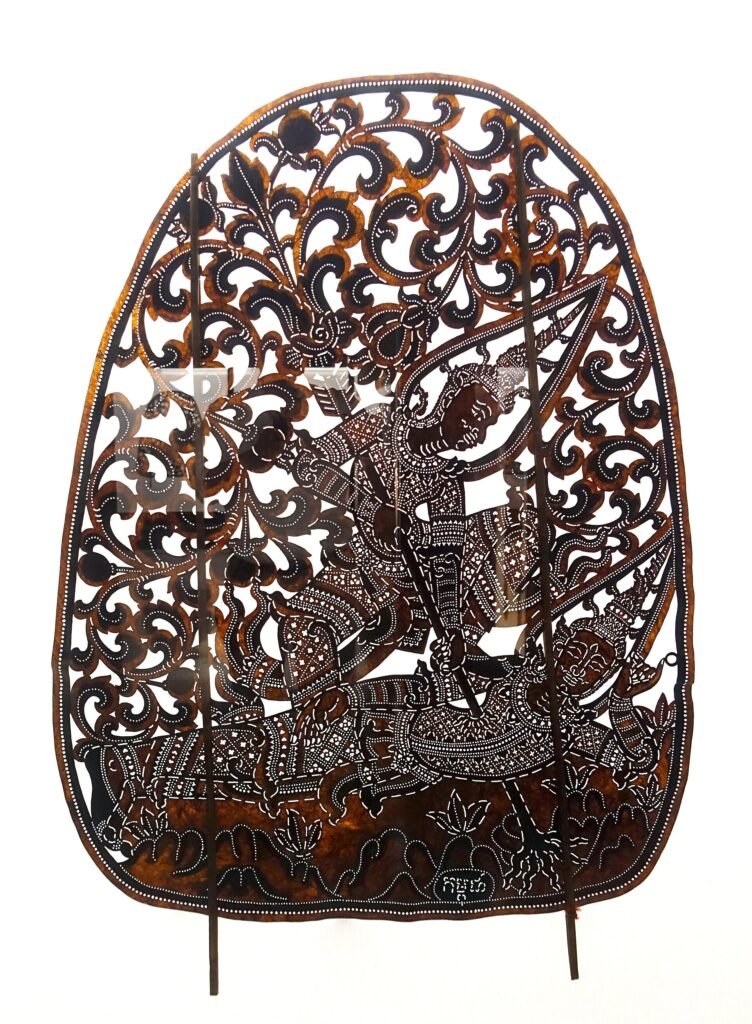
Khmer shadow puppeteers manipulate large leather figures against a glowing screen, enacting the Ramayana while narrators and orchestras breathe life into…
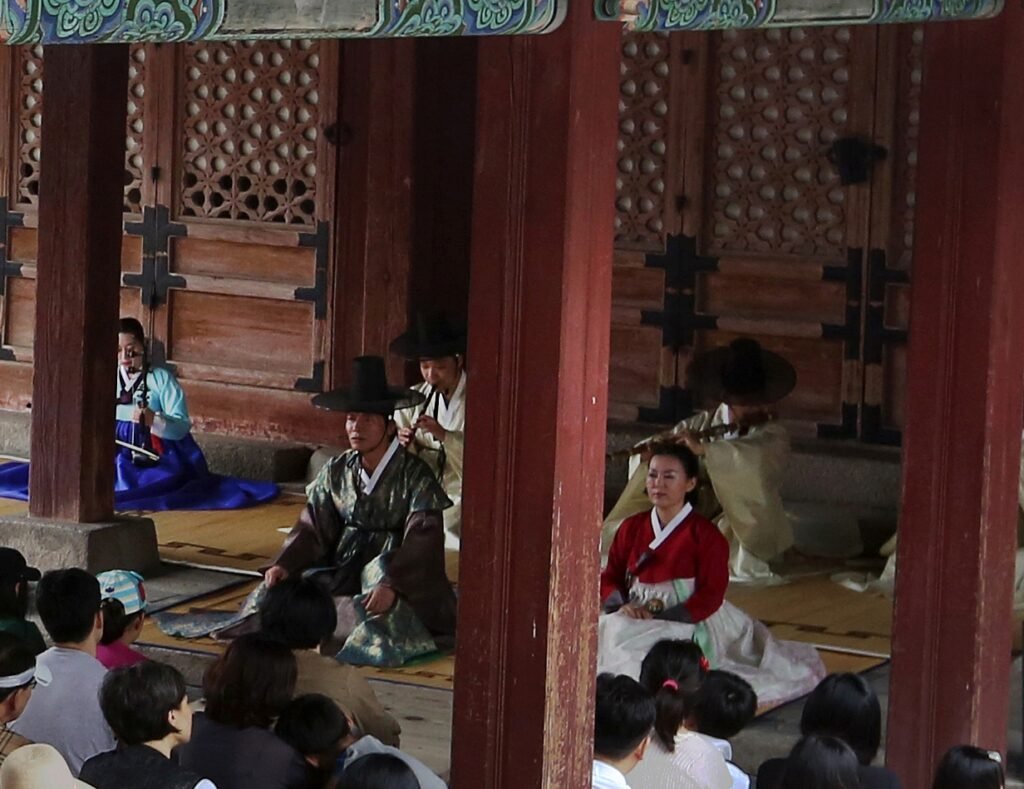
Gagok is a refined Korean vocal art form in which singers perform lyric cycles to classical poetry accompanied by ensemble instruments, preserving…
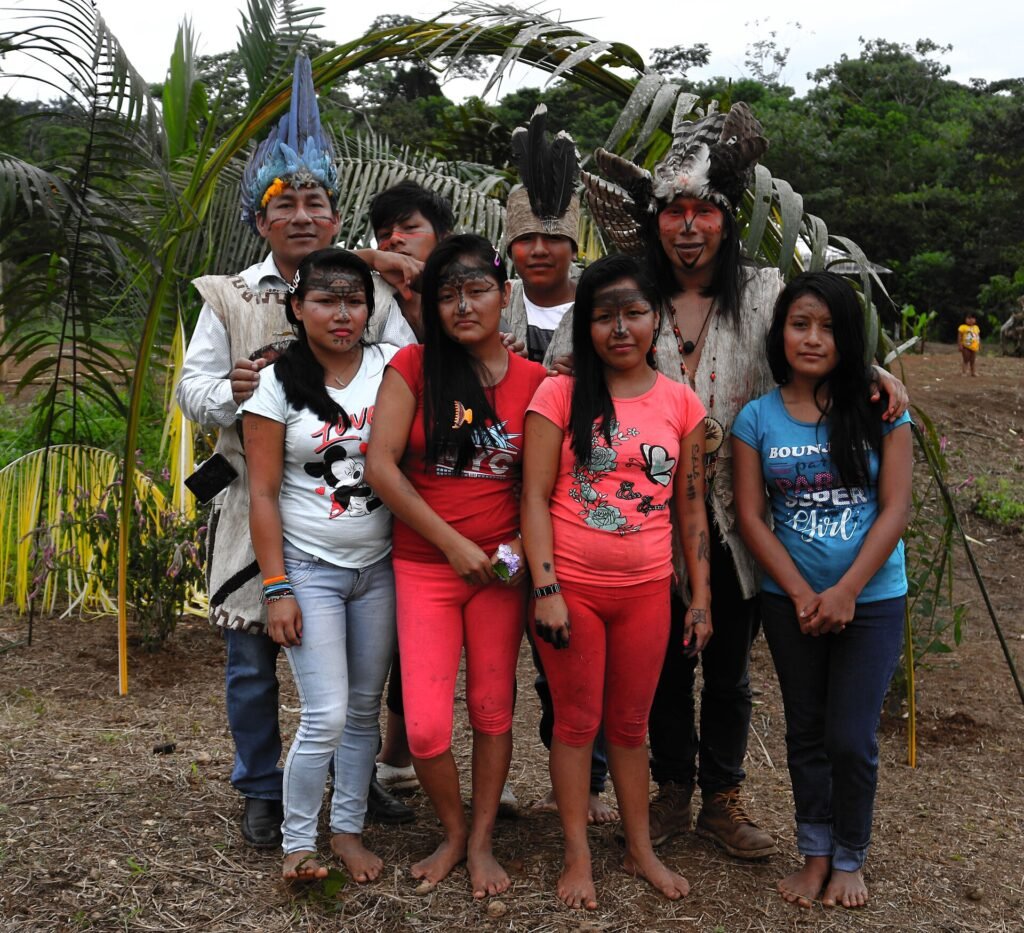
The Sápara people preserve an intricate oral tradition of forest knowledge, ritual, and language across the Amazon rainforest of Ecuador and Peru…