Paola Bonometti
Content Editor

Paola Bonometti

Paola Bonometti is a volunteer with the ABCO association and still contributes to it today.

Contributions: 1,027 articles

Author name: Paola Bonometti

Paola Bonometti is a volunteer with the ABCO association and still contributes to it today.

UNESCO Heritage Sites Near Derbent, Dagestan

UNESCO Heritage Sites Near Derbent, Dagestan

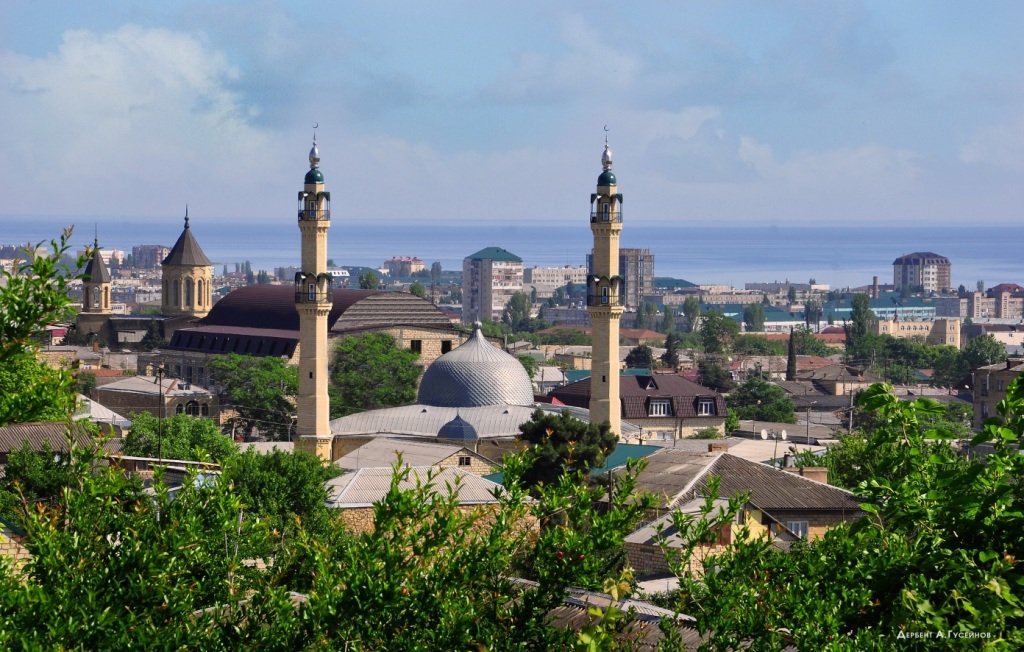
Derbent in Dagestan, claimed as Russia’s oldest city, preserves the sixth-century Sassanid Naryn-Kala Citadel and 3.5km of fortress walls that once sealed the Caspian Gate — a UNESCO World Heritage site of extraordinary strategic and historical depth at the crossroads of empires.
UNESCO Heritage Sites Near Plovdiv, Bulgaria

UNESCO Heritage Sites Near Plovdiv, Bulgaria

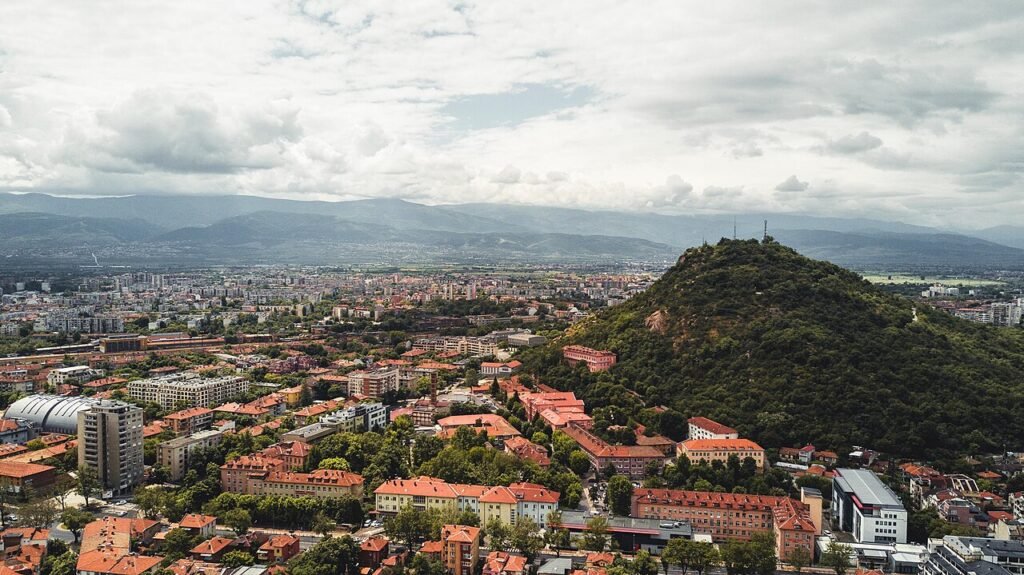
Plovdiv — ancient Philippopolis — holds one of the best-preserved Roman theatres in the Balkans and a nineteenth-century National Revival old town. The inscribed Ancient City of Nessebar is 2.5 hours east; the Thracian Tomb of Kazanlak is 1.5 hours north; Rila Monastery is 2 hours west — Bulgaria’s UNESCO heritage circuit.

UNESCO Heritage Sites Near Oaxaca and Monte Albán

UNESCO Heritage Sites Near Oaxaca and Monte Albán

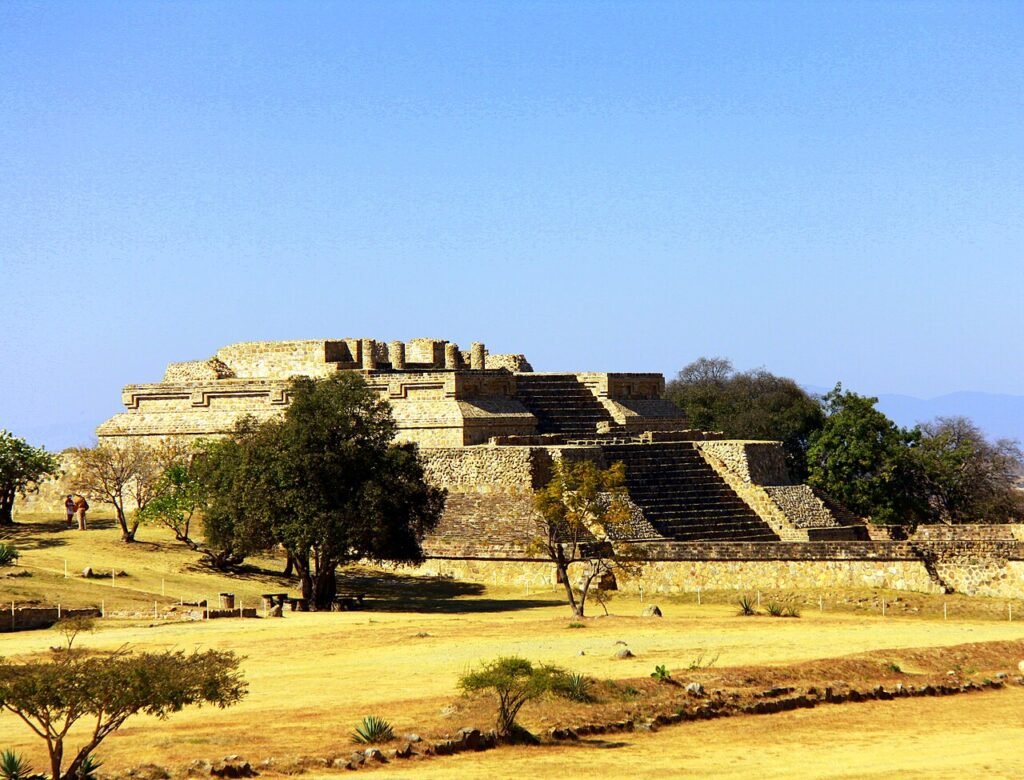
Oaxaca’s Historic Centre and Monte Albán are jointly inscribed since 1987 — the Zapotec hilltop capital (one of the first planned cities in the Americas) paired with the colonial Baroque city below. Palenque’s Classic Maya temples are 8 hours southeast; Mexico City’s Aztec ruins are 5.5 hours north.

UNESCO Heritage Sites Near Lalibela, Ethiopia

UNESCO Heritage Sites Near Lalibela, Ethiopia

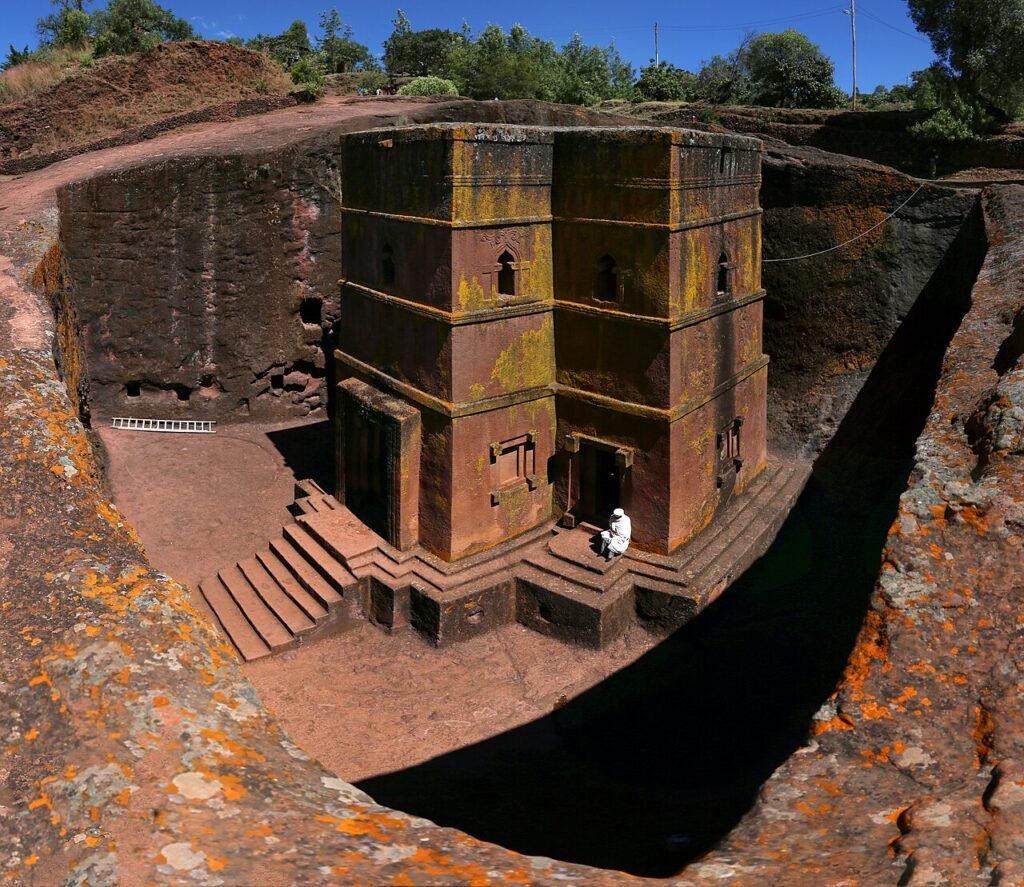
Lalibela’s eleven rock-hewn churches, inscribed since 1978, are monolithic Christian sanctuaries carved from the volcanic rock of the Ethiopian Highlands and still functioning as places of active worship. Aksum’s ancient Aksumite stelae are 45 minutes north by air; Gondar’s royal castle enclosure is 3 hours northwest.

UNESCO Heritage Sites Near Ayutthaya, Thailand

UNESCO Heritage Sites Near Ayutthaya, Thailand

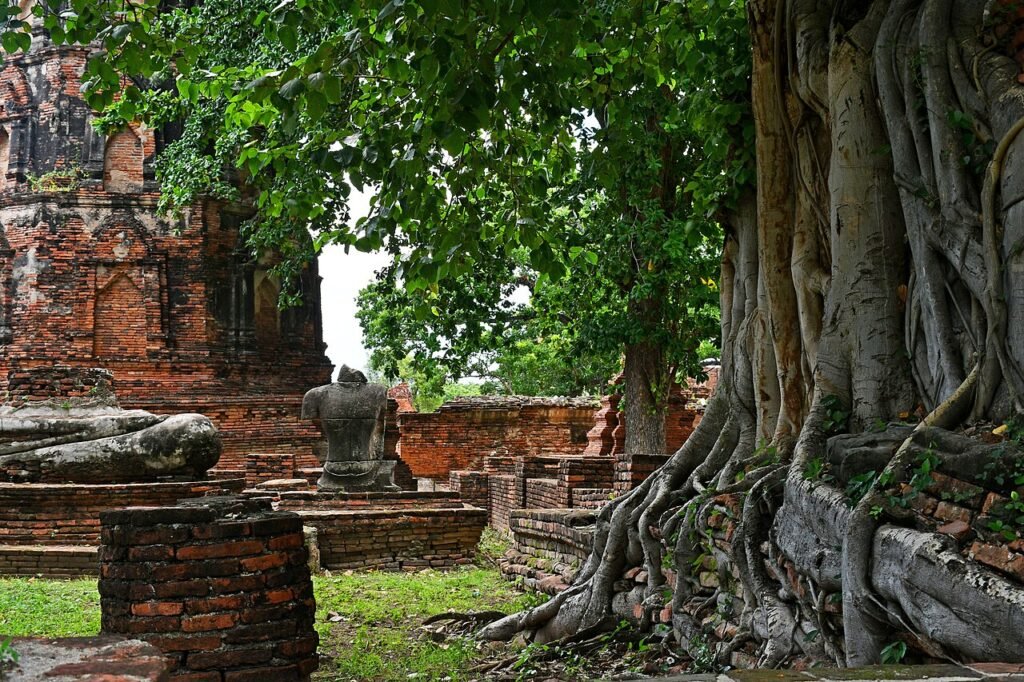
Ayutthaya’s Historic City is inscribed since 1991 — the 417-year Siamese capital sacked and burned by the Burmese in 1767, now an archaeological park of brick temple ruins. Sukhothai, Siam’s first capital, is 5 hours north; Bangkok, built to replace Ayutthaya, is 1.5 hours south by train.

UNESCO Heritage Sites Near Thessaloniki, Greece

UNESCO Heritage Sites Near Thessaloniki, Greece

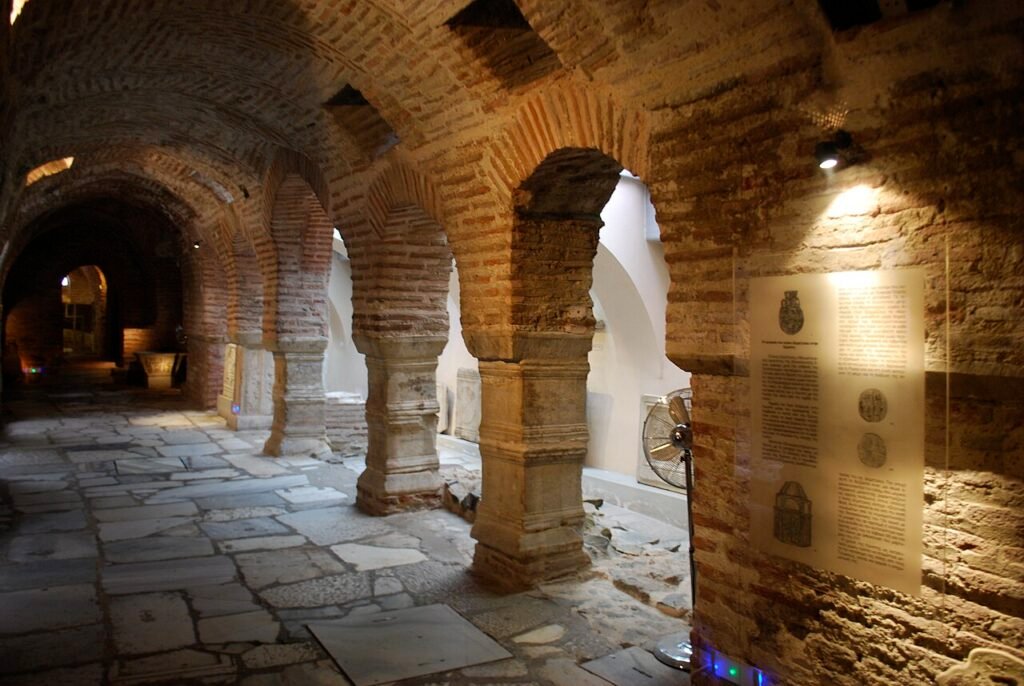
Thessaloniki’s fifteen Paleochristian and Byzantine monuments are inscribed since 1988 — from the third-century Rotunda of Galerius to the fourteenth-century frescoes of the Latomou Monastery. Vergina’s royal Macedonian tombs (Philip II) are 1.5 hours west; Mount Athos’s twenty Orthodox monasteries are 3 hours east.

UNESCO Heritage Sites Near Island of Gorée, Senegal

UNESCO Heritage Sites Near Island of Gorée, Senegal

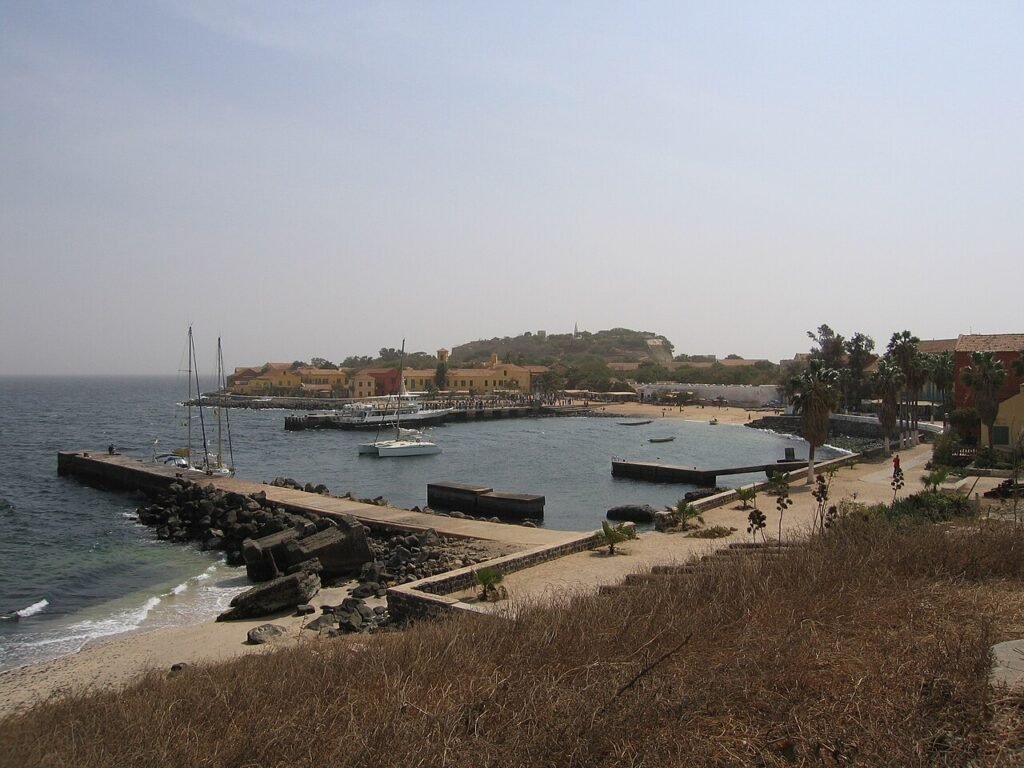
Île de Gorée, a 28-hectare car-free island two kilometres off Dakar, has been a Portuguese anchorage, Dutch fortification, French colonial town and — as one of West Africa’s major slave-trade nodes from the 15th to 19th centuries — the site of the Maison des Esclaves (1776) and its Doorway of No Return. Inscribed on the UNESCO World Heritage List in 1978, it has been visited by Nelson Mandela, Bill Clinton and Barack Obama as a site of Atlantic slave-trade memory and diaspora pilgrimage.

UNESCO Heritage Sites Near Salzburg, Austria

UNESCO Heritage Sites Near Salzburg, Austria

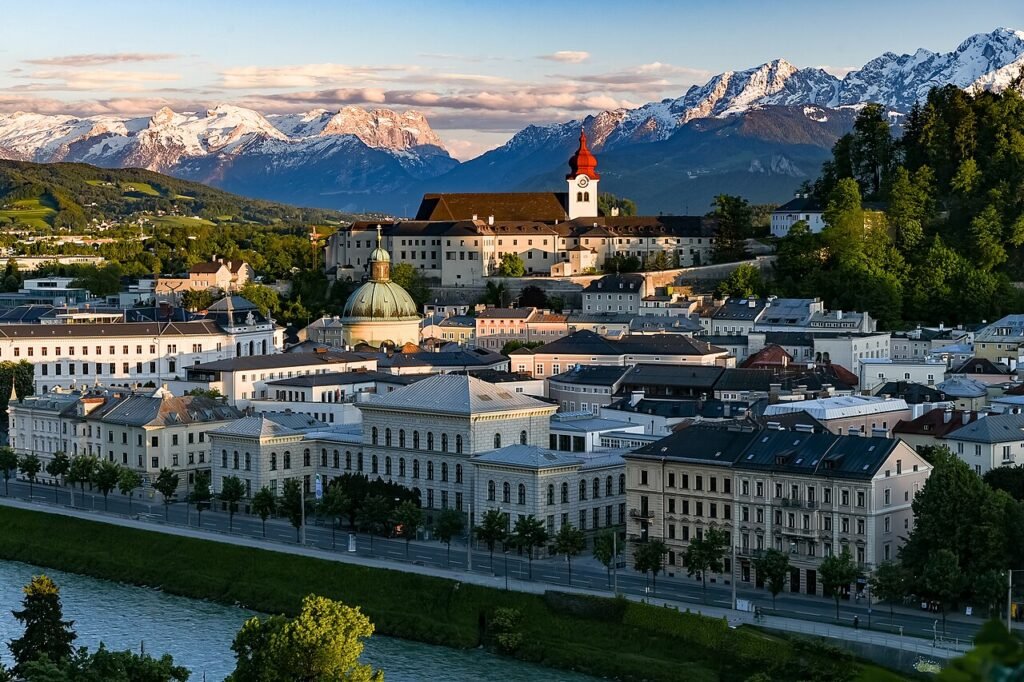
Salzburg’s Historic Centre is inscribed since 1996 for its exceptional Baroque architecture and as Mozart’s birthplace. Hallstatt-Dachstein — the lake landscape that named the Iron Age — is 45 minutes east; the Wachau Cultural Landscape with its Danube vineyards and Baroque abbeys is 2.5 hours east.

UNESCO Heritage Sites Near Djémila, Algeria

UNESCO Heritage Sites Near Djémila, Algeria

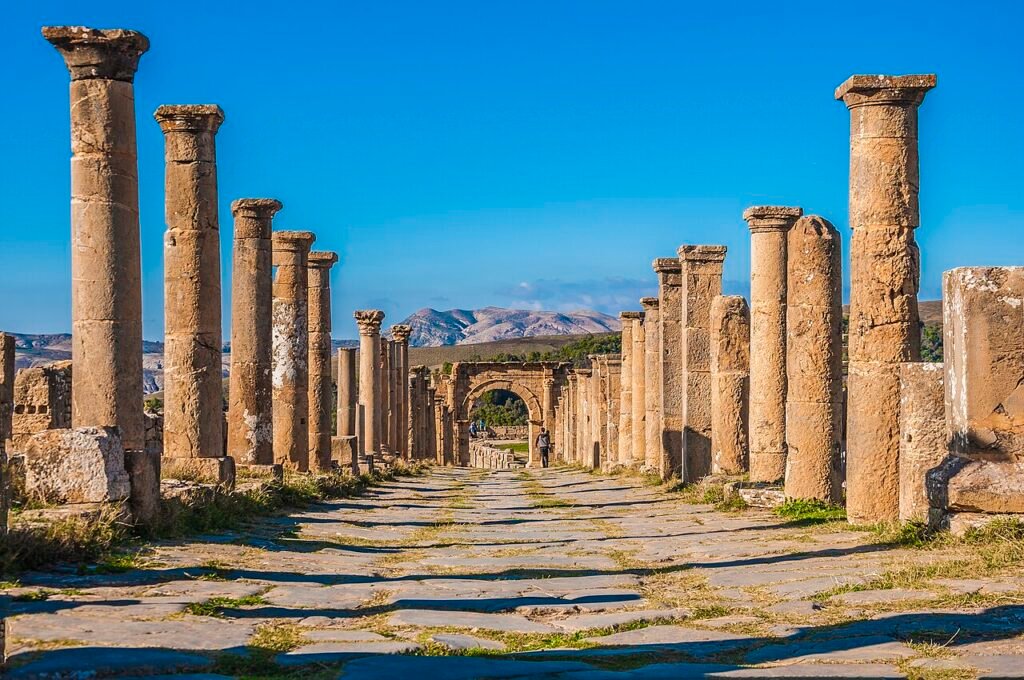
Djémila (Roman Cuicul), inscribed on the UNESCO World Heritage List in 1982, is a veteran military colony founded 96–98 CE at 900 metres altitude in the mountains of northeastern Algeria — preserved by the very isolation that eventually emptied the town. Its Arch of Caracalla (216 CE), Capitolium temple, theatre, Severan forum and early Christian basilica complex are among the most completely legible Roman urban ensembles in North Africa, described by Albert Camus as “the most beautiful Roman ruins in the world.”

UNESCO Heritage Sites Near Tipasa, Algeria

UNESCO Heritage Sites Near Tipasa, Algeria

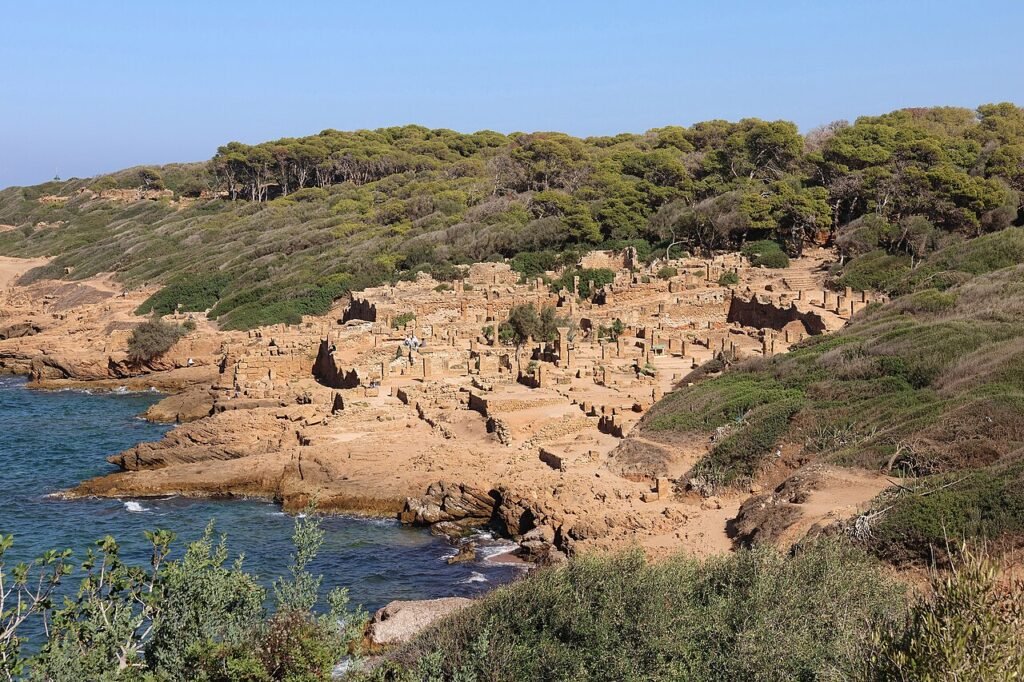
Tipasa, on the Algerian coast 70 km west of Algiers, layers Phoenician trading post, Roman colony (founded 45 CE under Emperor Claudius) and early Christian necropolises across a pine-shaded promontory overlooking the sea. The Royal Mausoleum of Mauretania nearby is the almost-certain tomb of Cleopatra Selene II, last member of the Ptolemaic dynasty, while Albert Camus’s 1936 essay “Noces à Tipasa” made the ruins one of the most celebrated landscapes in French-language literature.

Scroll to Top