

Cotham Church
A Gothic Revival parish church in Bristol’s Cotham neighbourhood, serving as the Church of St Saviour with St Mary since 1975.

A Gothic Revival parish church in Bristol’s Cotham neighbourhood, serving as the Church of St Saviour with St Mary since 1975.

A Gothic Revival folly completed in 1790 near Llanarth, Wales, Clytha Castle was built by William Jones as a memorial to his wife Elizabeth. Designed by architect John Davenport of Shrewsbury, it features three towers and castellated walls overlooking the Brecon Beacons.

A Grade I listed country house northwest of Worthing, Castle Goring embodies 1790s architecture and the Shelley family’s literary legacy.

A fortress on Scotland’s far north coast in Caithness, roughly 6 miles west of John o’ Groats, with views northward to Orkney.

An 18th-century folly built for the Duke of Northumberland, Brizlee Tower crowns a hilltop in Hulne Park with commanding views across North Northumberland and the Scottish Borders.
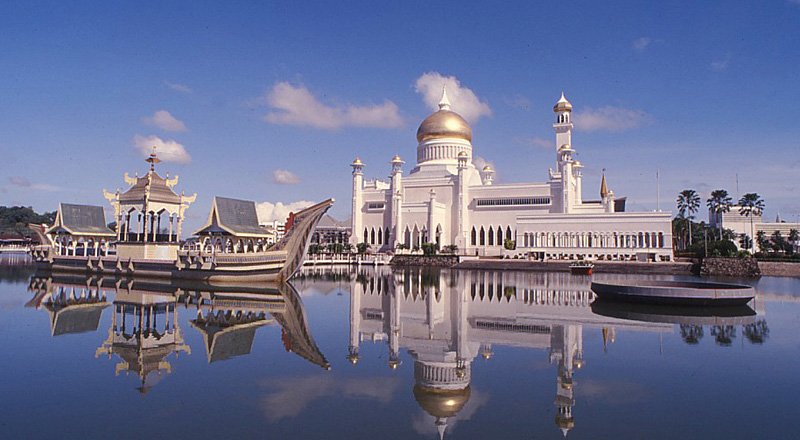
Brunei has no UNESCO sites. Nearest: Gunung Mulu NP in Sarawak (~150 km east, 2000) with world’s largest cave chamber. Brunei’s Kampong Ayer water village (13,000 residents on stilts) is an outstanding heritage site.
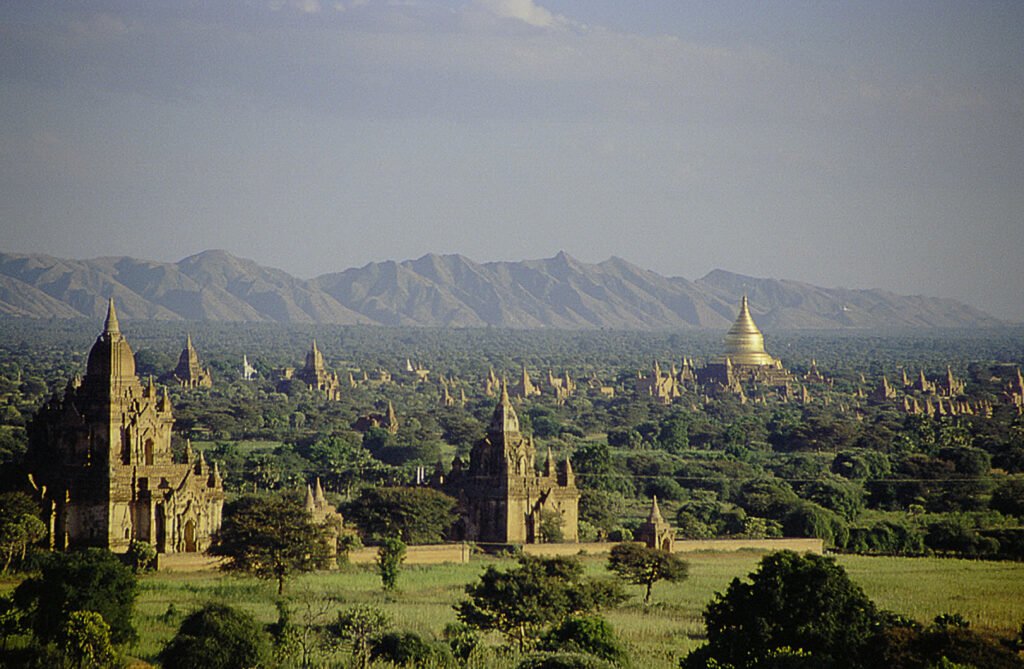
Myanmar has 2 UNESCO sites near Naypyidaw: Bagan (2019, 2,000+ Buddhist temples, 250 km NW) and Pyu Ancient Cities (2014, 165 km NW). Bagan is the largest concentration of Buddhist monuments in the world.
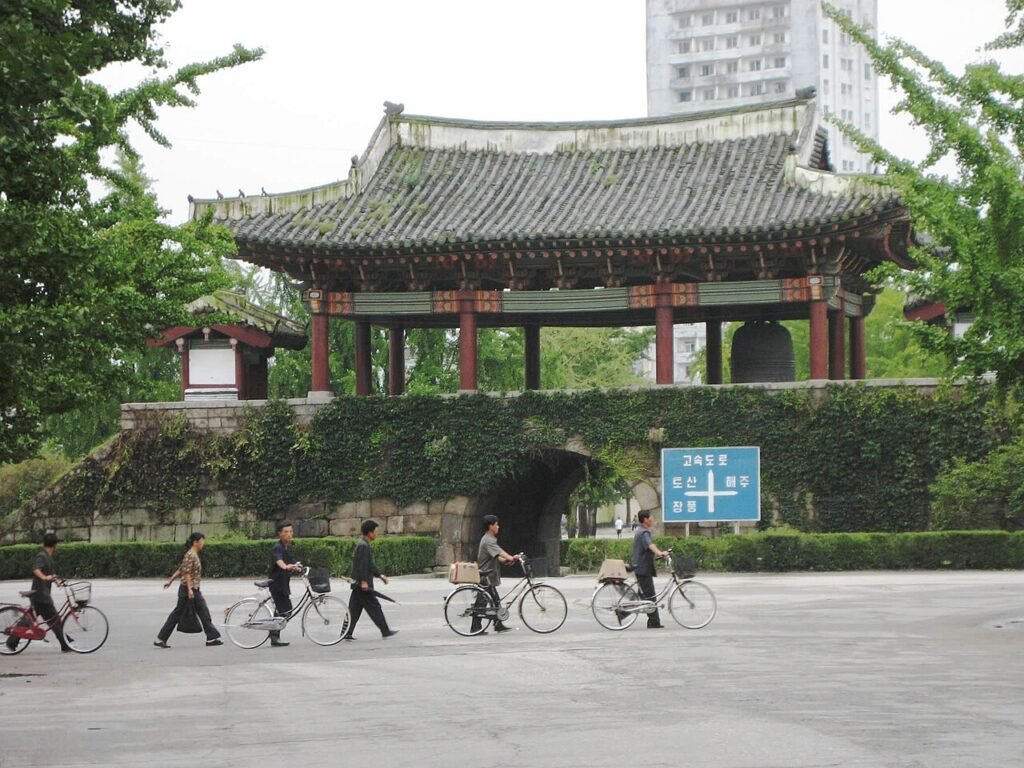
North Korea has 2 UNESCO sites near Pyongyang: Complex of Koguryo Tombs (2004, decorated 4th-7th century royal tombs) and Historic Monuments of Kaesong (2013, Goryeo Kingdom capital, 170 km south).

Antigua has no UNESCO sites. Nelson’s Dockyard at English Harbour (20 km south of St John’s) is the only continuously operating Georgian naval dockyard in the world — on the UNESCO Tentative List.
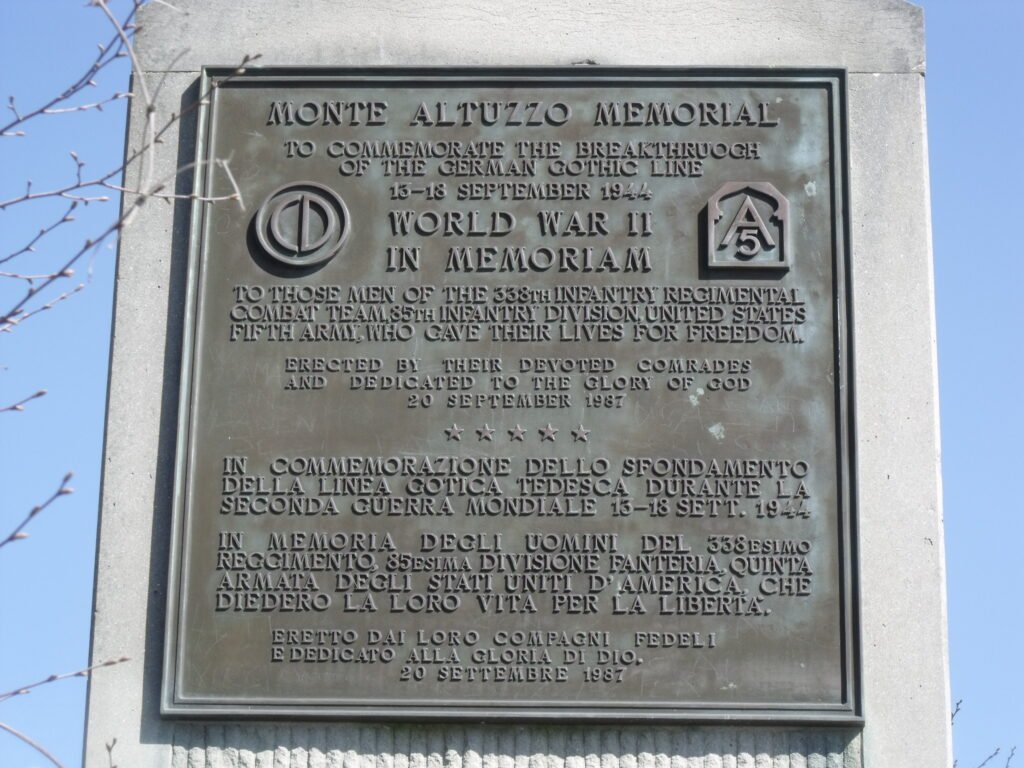
The memorial to the 85th Infantry Division and 338th Infantry Regiment at Passo del Giogo. Photo: LigaDue, Wikimedia Commons, CC