
Artefact Frascati
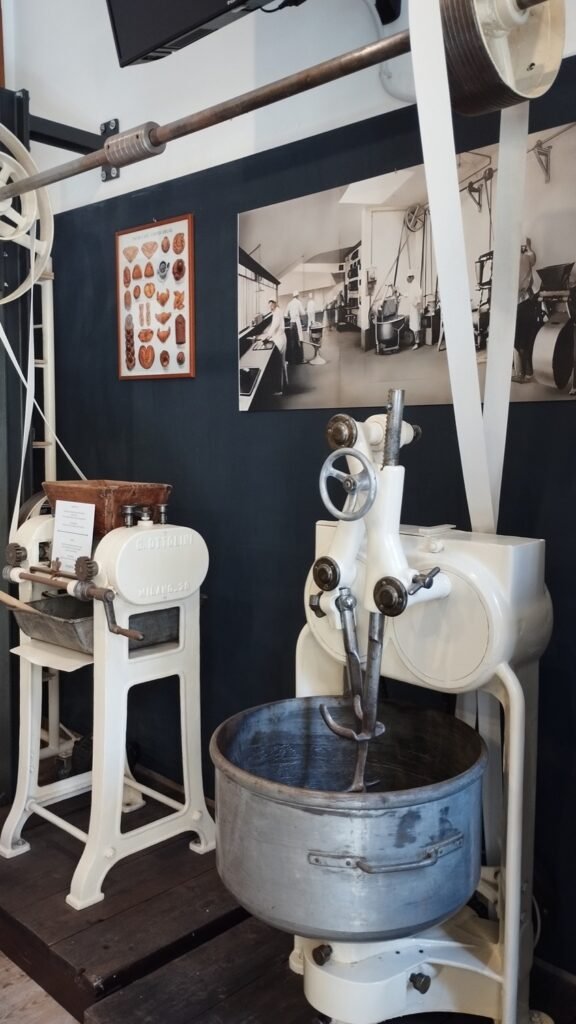
The reconstructed transmission line overhead — shaft, pulleys and belts — with an arm mixer beneath it. Photo: Omar Cirulli […]

The reconstructed transmission line overhead — shaft, pulleys and belts — with an arm mixer beneath it. Photo: Omar Cirulli […]
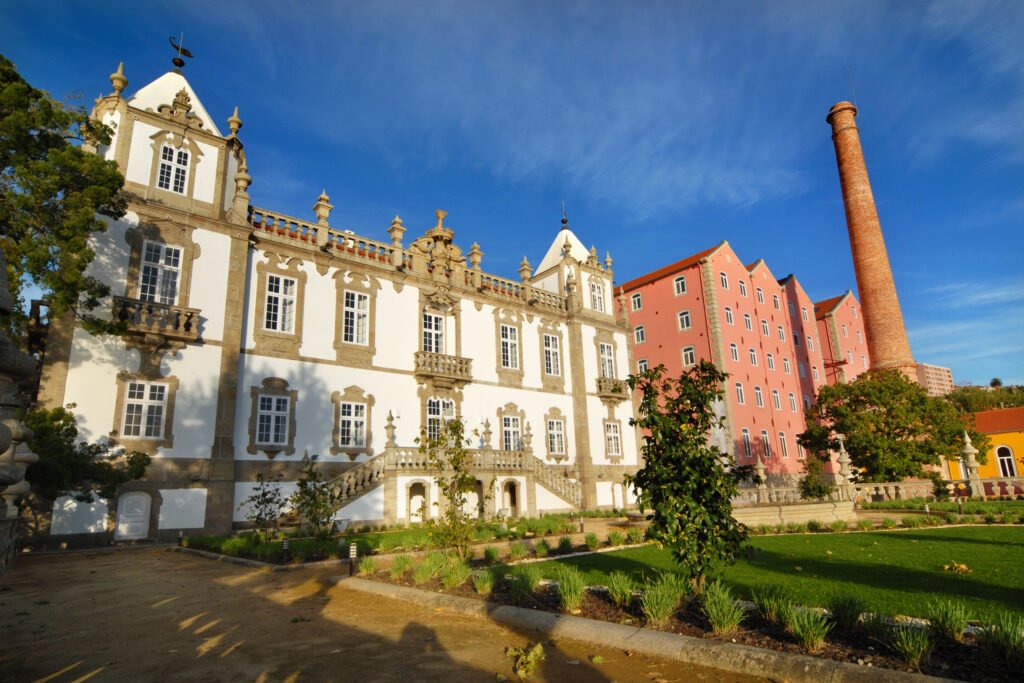
Baroque palace · Campanhã, Porto, Portugal · Mid-18th century · National monument Palácio do Freixo Nasoni built it as a
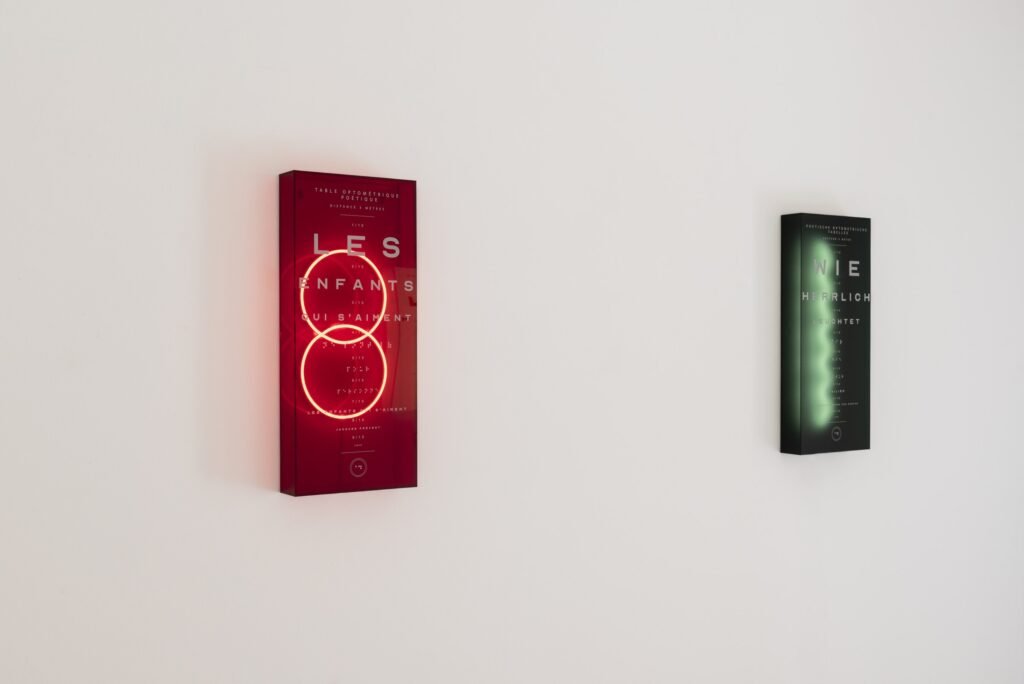
A few doors from Marignana Gallery, the space Marignana Arte gives to emerging artists and to the exhibitions that come out of open calls, prizes and residencies — including the Berlendis Venice Art Prize.

Three blocks of granite on a belvedere at the edge of Stilo, carved with the equations of infinity, a googol and E = mc², and signed dal nulla al nulla. Giorgio Taverniti, born in the town, gave it to Stilo in 2015.

Yayoi Kusama has died at ninety-seven. In 1966, uninvited, she covered the lawn beside the Italian Pavilion at the Venice Biennale with 1,500 mirrored spheres and sold them for two dollars each, until the Biennale threw her out.
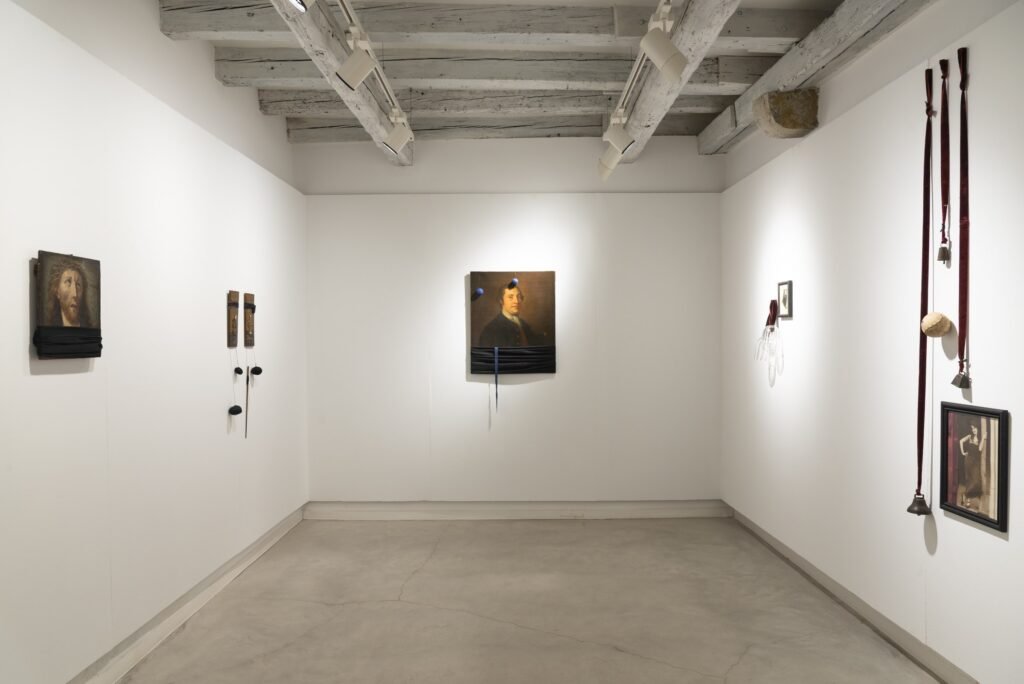
The main space of Marignana Arte, on Rio Terà dei Catecumeni between the Peggy Guggenheim Collection and the Punta della Dogana: white walls under the old beams of a Venetian house, and a street that used to be water.
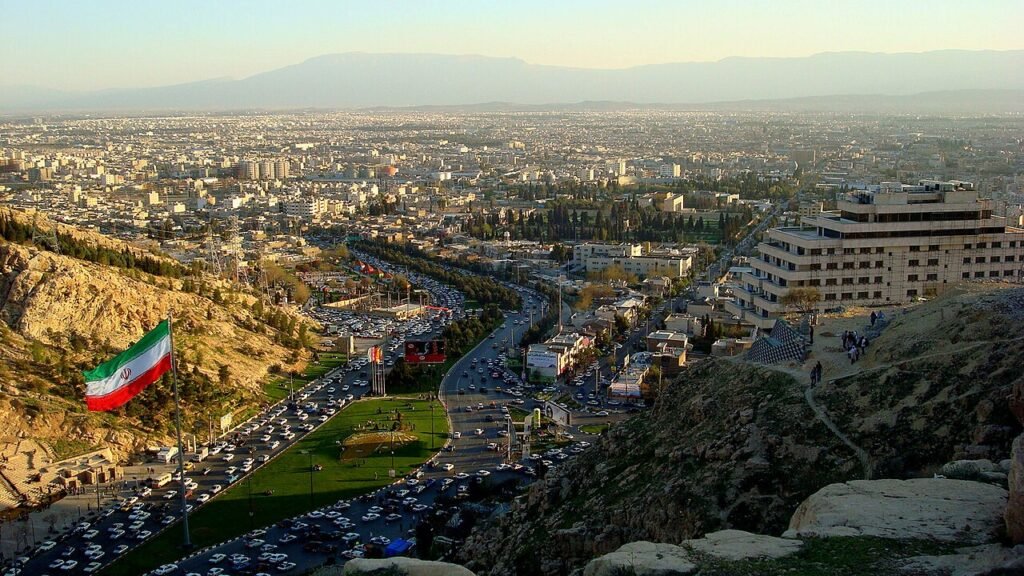
Shiraz is the gateway to Iran’s greatest Achaemenid sites: Persepolis (inscribed 1979) — Darius I’s 518 BCE ceremonial capital with its Apadana tribute-procession reliefs — and Pasargadae (inscribed 2004), the gabled limestone tomb of Cyrus the Great. In the city: Hafez’s garden tomb and the stained-glass Nasir ol-Molk Mosque.
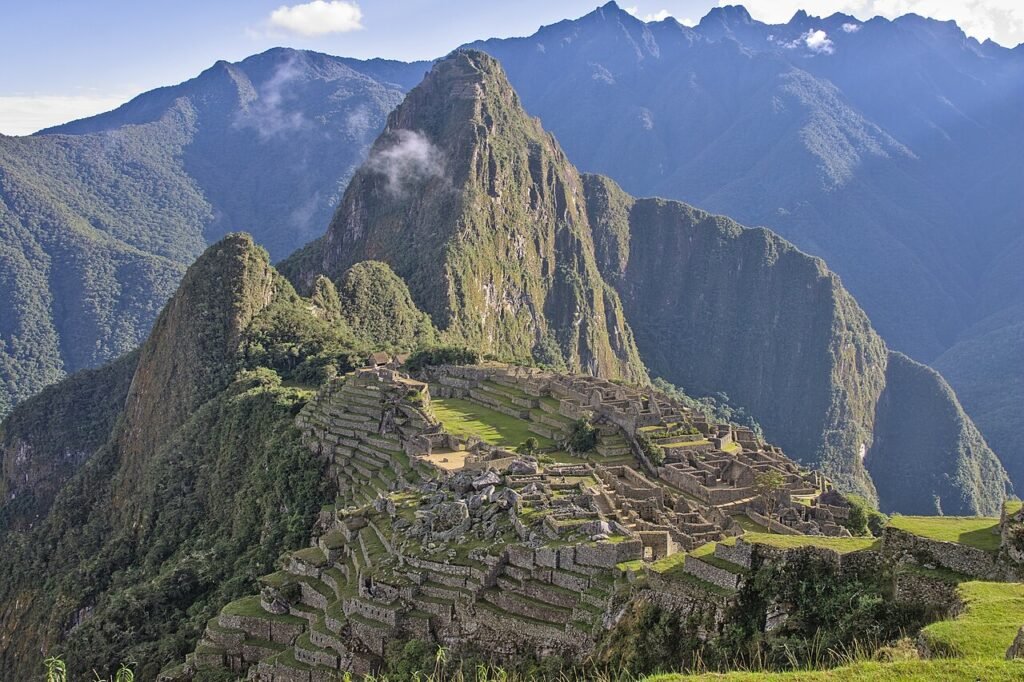
Machu Picchu (inscribed 1983, mixed cultural and natural site) is the best-preserved Inca royal estate in the Americas: a 15th-century palace of Emperor Pachacuti at 2,430m in the cloud forest, with dry-stone solar temples, agricultural terraces, and the Intihuatana solar calendar stone. Cusco — the Inca imperial capital with Coricancha and Sacsayhuamán — is 80 km south.
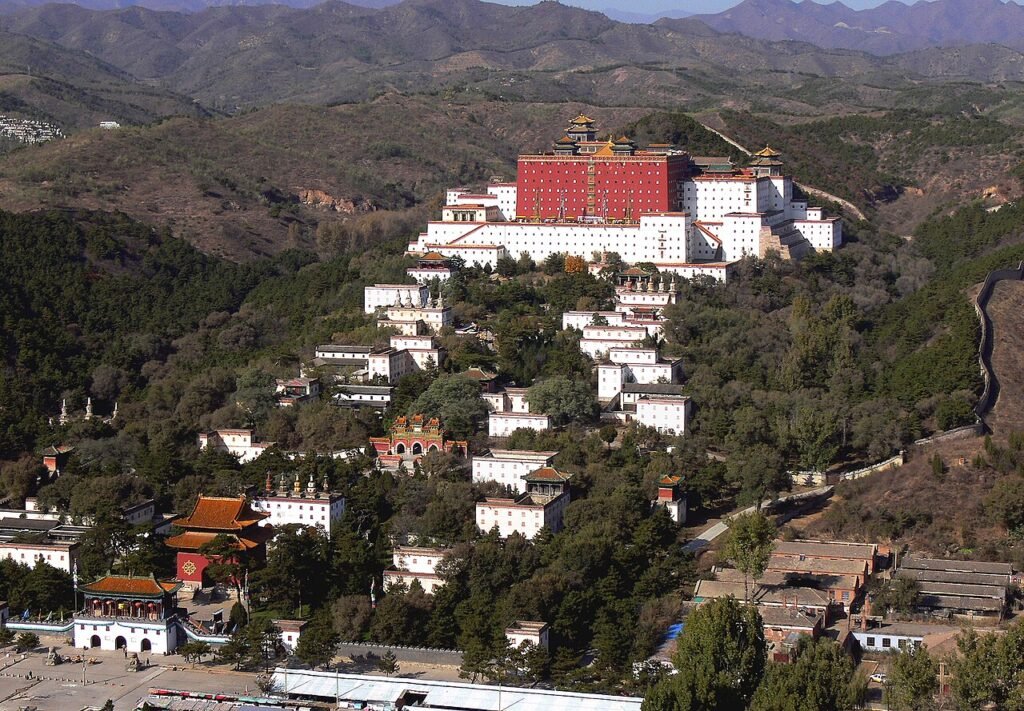
Chengde’s Mountain Resort and Outlying Temples — inscribed 1994 — is the Qing Empire’s 5,648-hectare summer palace: 12 Outlying Temples in Tibetan, Mongolian, and Chinese architectural styles, including the Temple of Putuozongcheng (Little Potala Palace, 1767–1771) and Puning Temple’s 22.28m wooden Guanyin, the world’s tallest indoor Buddha. Jinshanling’s Great Wall is 1.5 hours south.
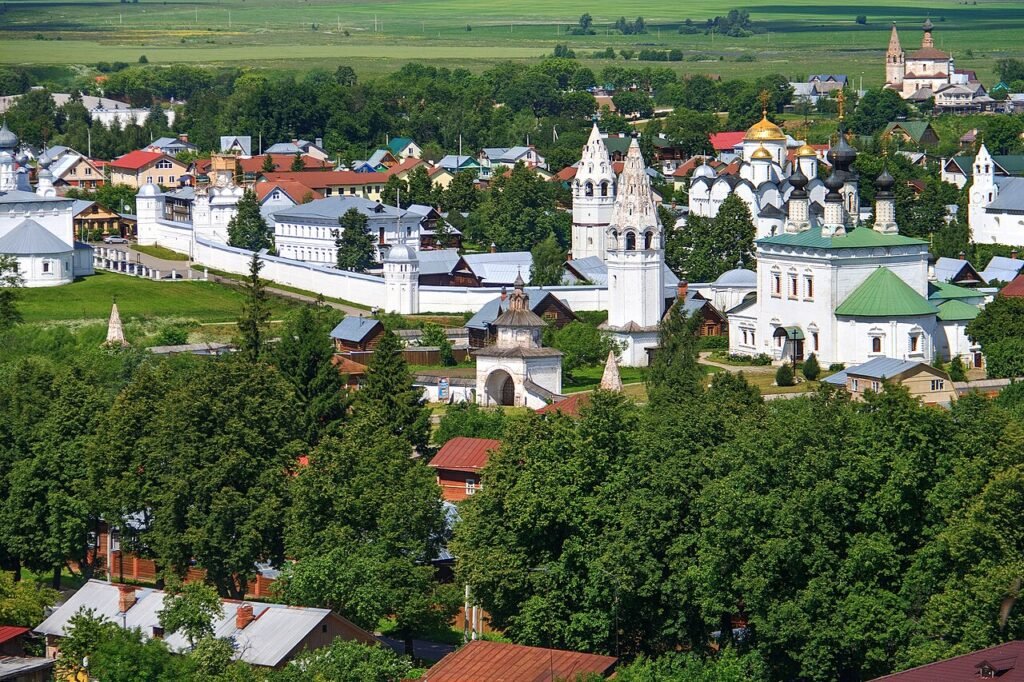
Vladimir and Suzdal’s White Monuments — inscribed 1992 — preserve the pre-Mongol capital of medieval Russia: Andrei Rublev’s 1408 Last Judgment frescoes in Vladimir’s Cathedral of the Assumption (1158), the Church of the Intercession on the Nerl (1165, the most celebrated Russian medieval church), and Suzdal’s 30-church museum town with royal exile convents.