
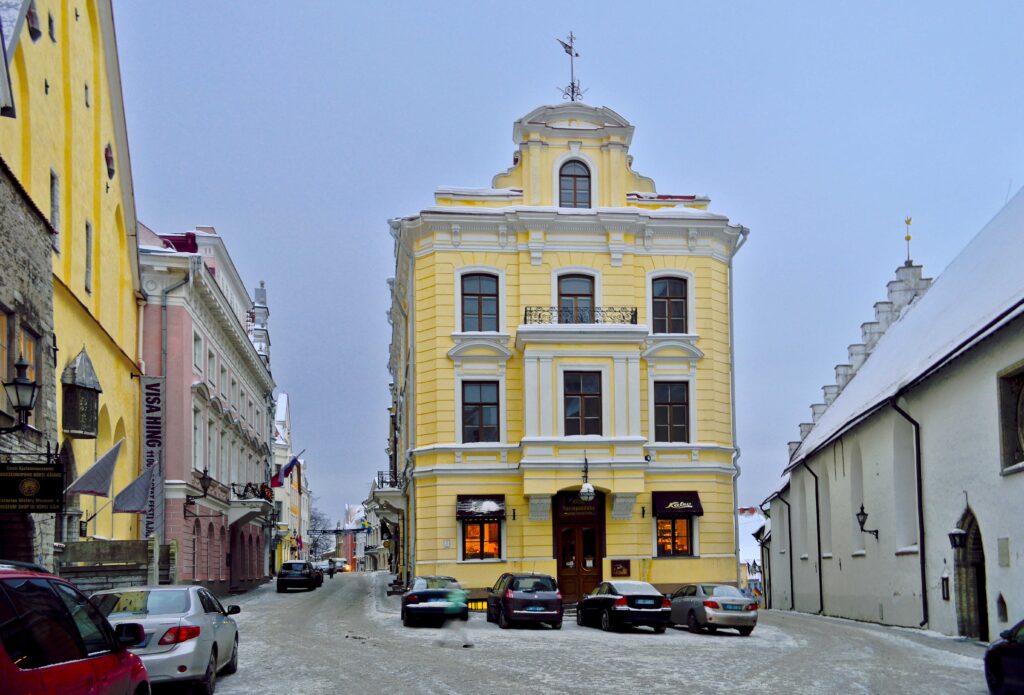
Maiasmokk, Tallinn — the Stude Confectionery House at Pikk 16
Listed 1870s corner house in Tallinn’s Old Town, rebuilt by Nikolai Thamm the Elder for the confectioner Georg Stude on a plot used by sugar bakers since 1806; home of the Maiasmokk café.

Listed 1870s corner house in Tallinn’s Old Town, rebuilt by Nikolai Thamm the Elder for the confectioner Georg Stude on a plot used by sugar bakers since 1806; home of the Maiasmokk café.
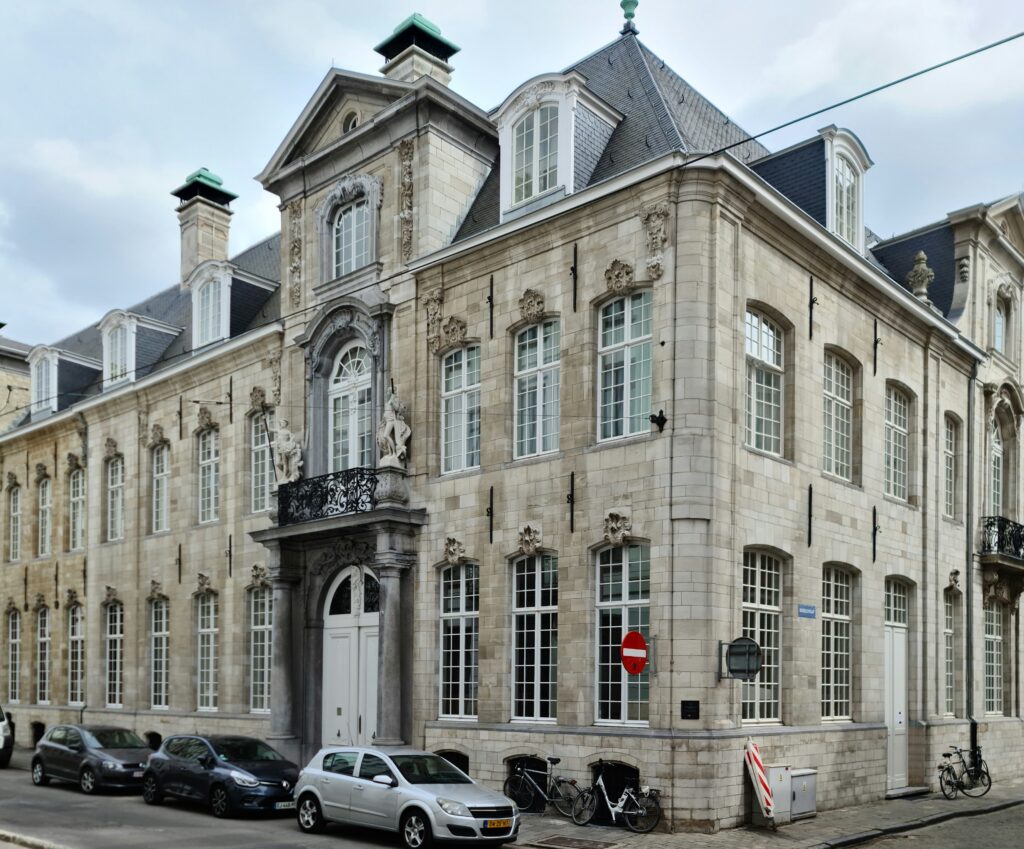
Rococo town house of the Du Bois family, rebuilt 1746-1750 by Jan Pieter van Baurscheit the Younger, later the Banque d’Anvers. Protected monument since 1938; today the hotel Sapphire House.
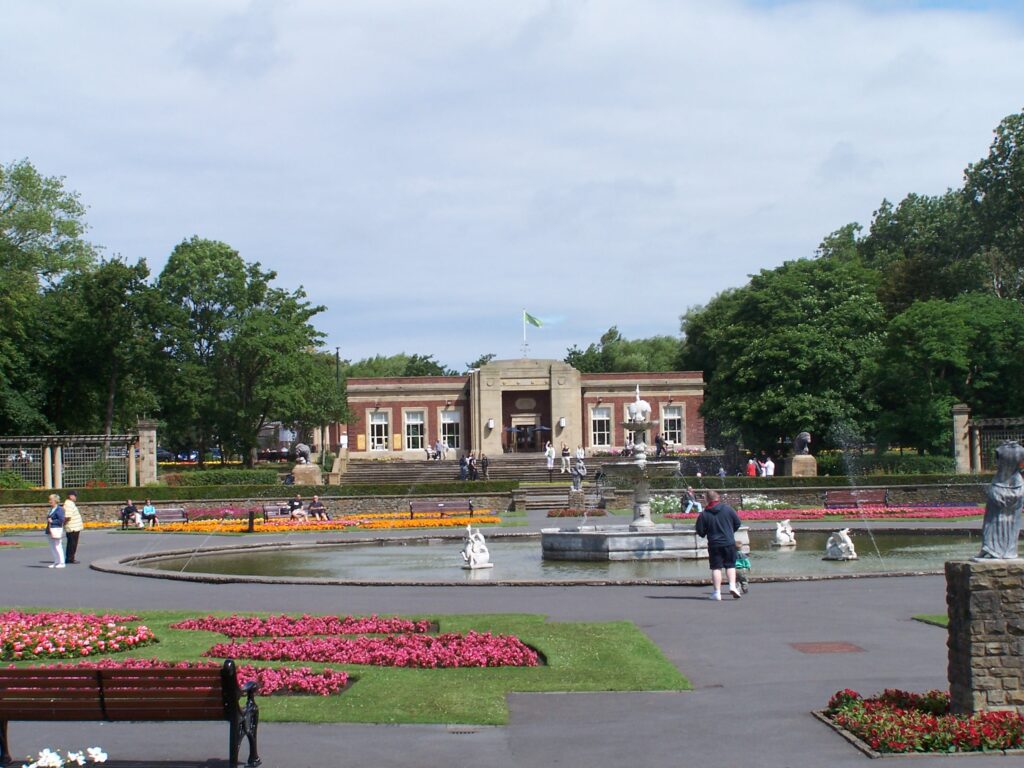
Grade II* registered public park designed in 1922 by Thomas Mawson & Sons and opened in 1926, with Italian Gardens, an Art Deco café of 1937 and the Cocker memorial clock tower.
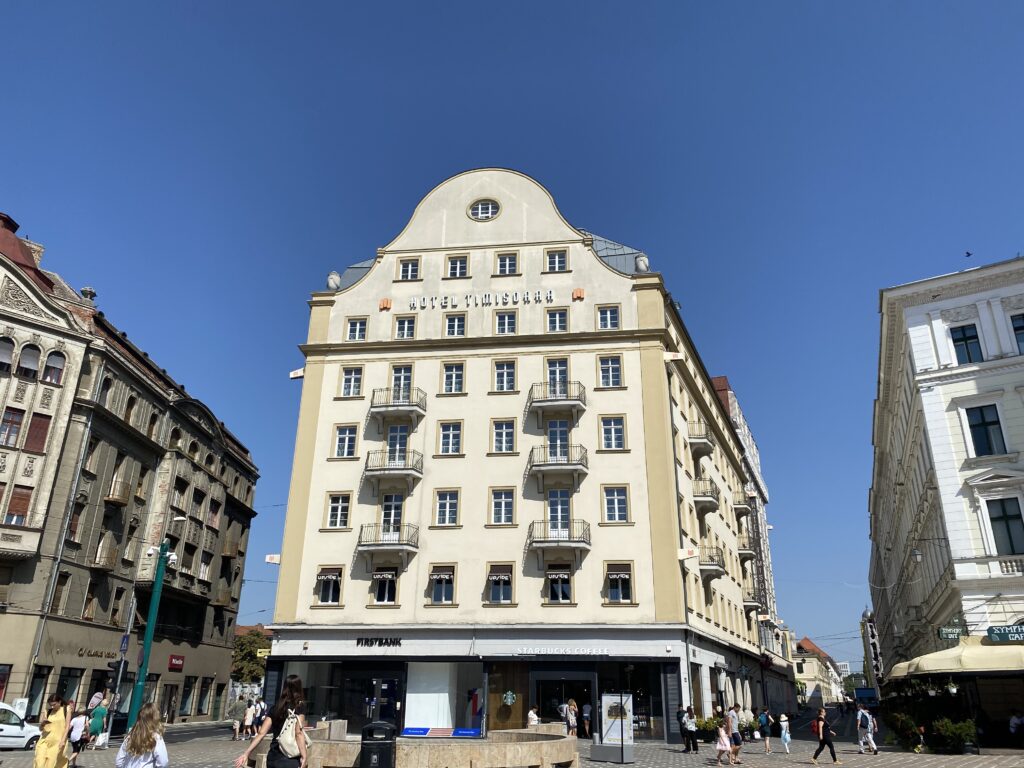
Interwar bank palace of 1931–1933 by Mathias Hubert for the Swabian banks of the Banat, with a gable borrowed from village houses; a hotel since 1931, today Hotel Timișoara.
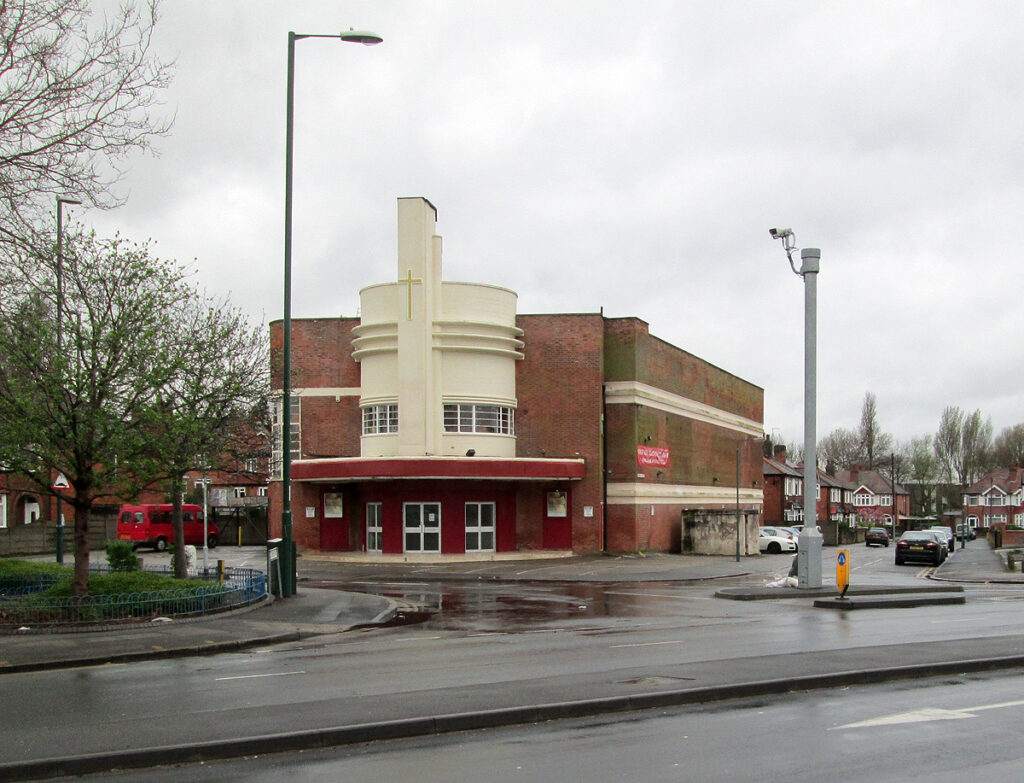
Grade II listed Art Deco cinema of 1936 by Reginald W. G. Cooper on Churchfield Lane, Radford; later a bingo club and, since 2004, the Mount Zion Millennium City Church.

Grade II listed station of 1860–62 by E. W. Elmslie, with canopy capitals by William Forsyth; Lady Foley’s private waiting room on platform 1 became the tearoom named after her.
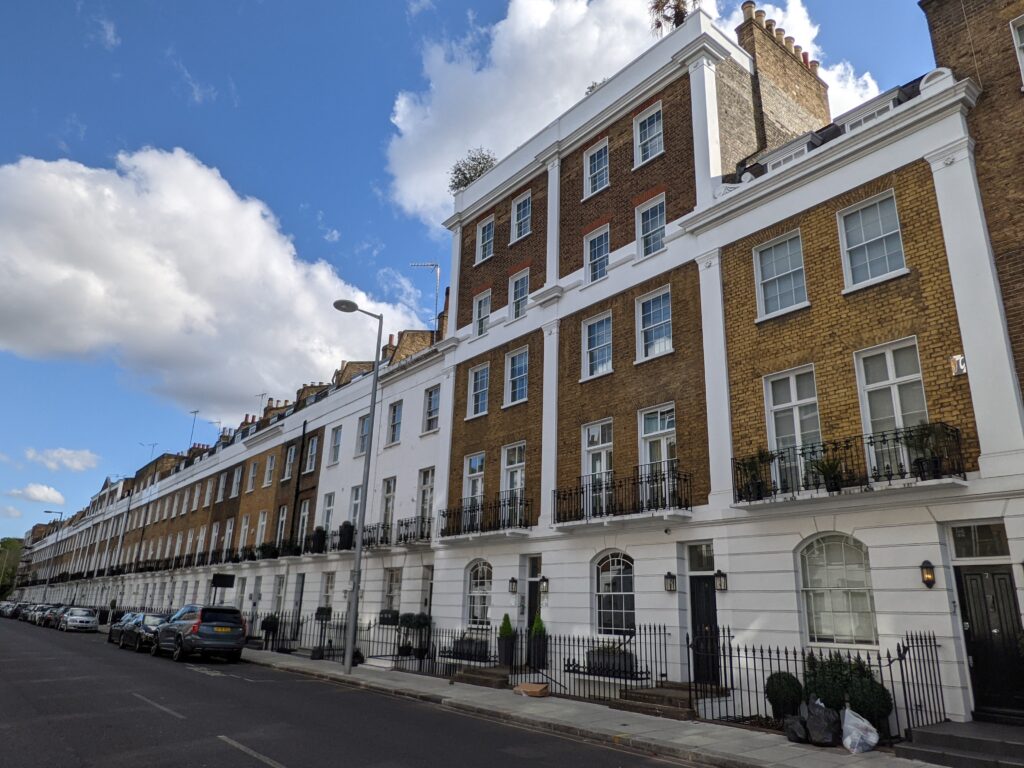
Grade II listed 19th-century terrace on the west side of Sydney Street, Chelsea, one half of a matched pair; Nos. 9–11 house the hotel Sydney House Chelsea.
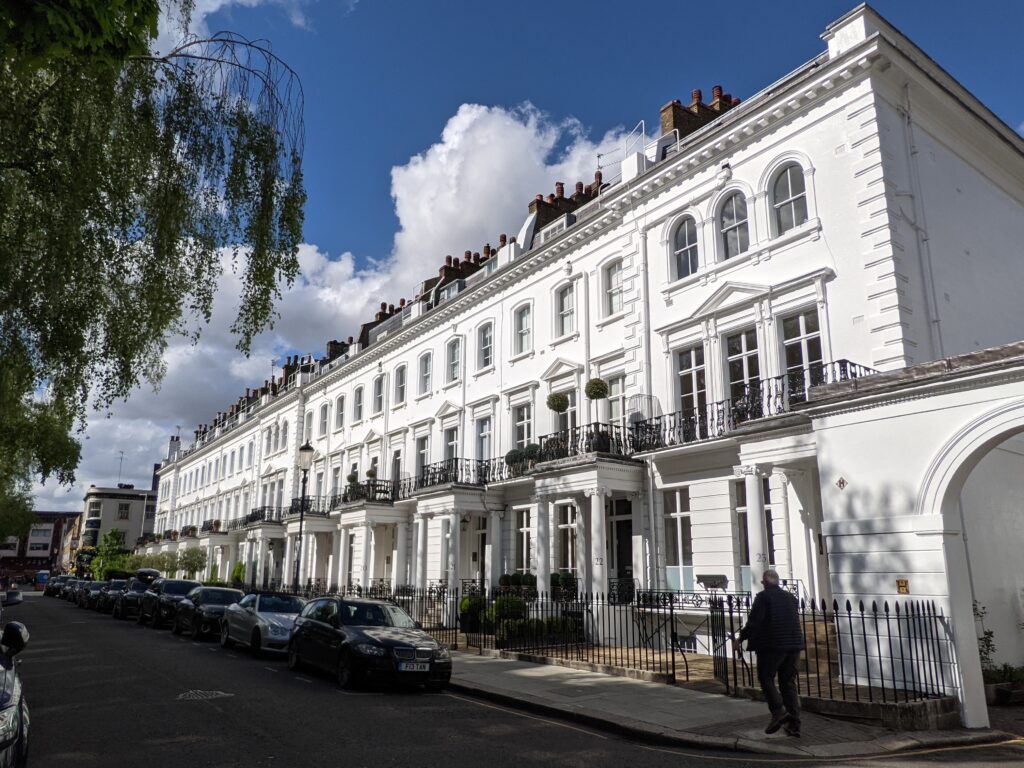
Grade II listed mid-19th-century stucco terrace in South Kensington, built on the Smith’s Charity estate by Charles James Freake; No. 16 is the Number Sixteen hotel.
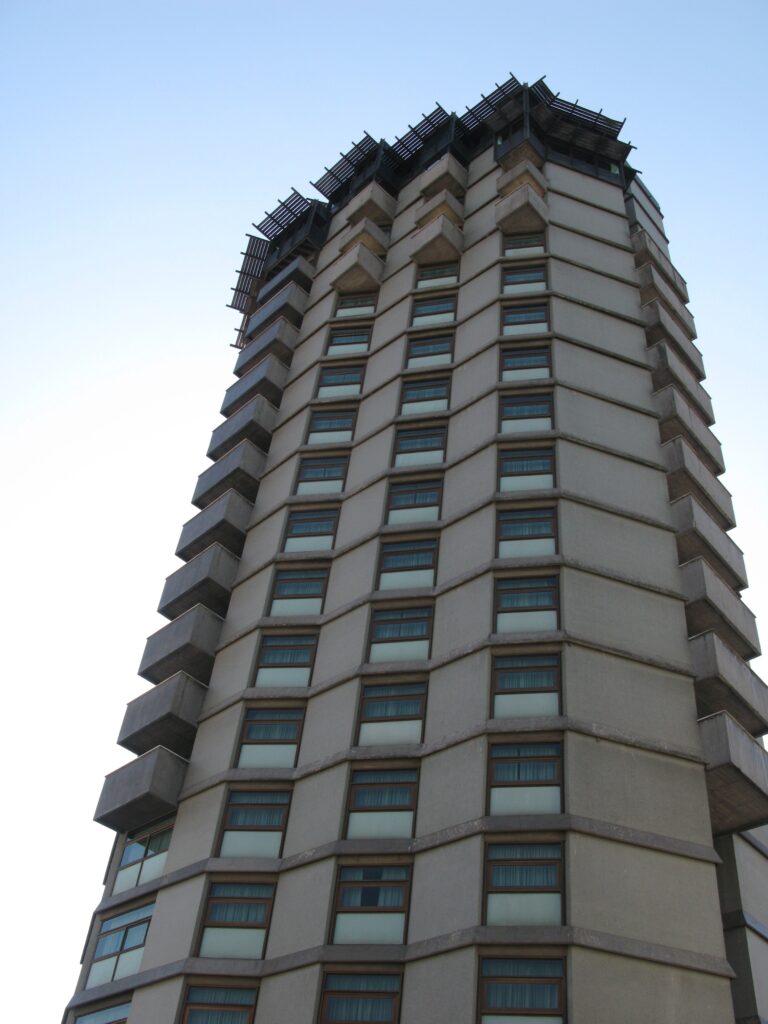
Free-standing modernist tower by José Carlos Loureiro and Luís Pádua Ramos, designed from 1965 as offices and opened as a hotel in 1973; listed by Porto as a building of heritage interest (PDM no. 458).
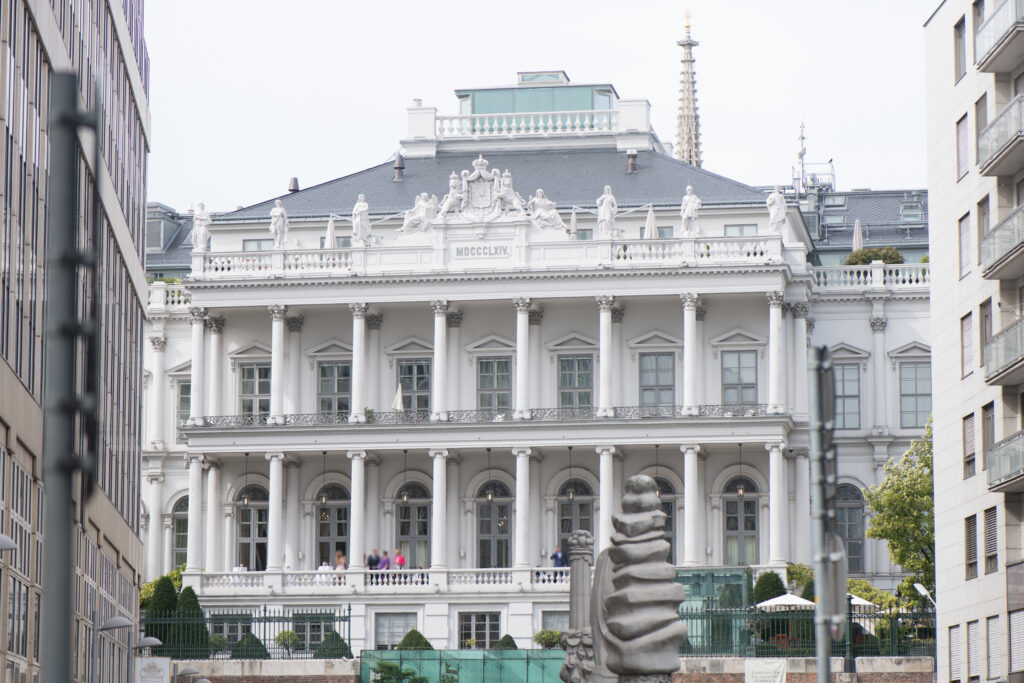
The 1840s late-classicist palace of the Saxe-Coburg-Koháry family, built by Karl Schleps and Adolf Korompay on the Braunbastei, with its columned garden front of 1864 above the surviving bastion.