
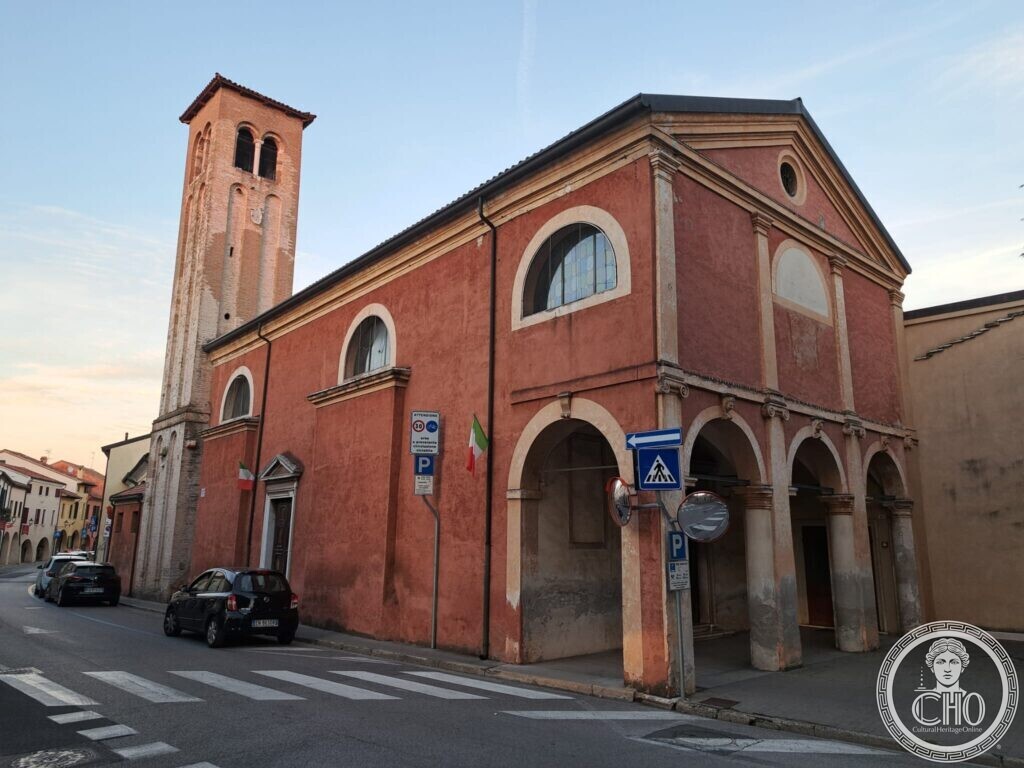
Chiesa della Maddalena — the Church of the Hermits and of the Dominican Nuns of Oderzo
The Maddalena and its bell tower from via Garibaldi. Photo: Stefano Vigolo. Oderzo (Treviso), via Garibaldi · origins around 1000,

The Maddalena and its bell tower from via Garibaldi. Photo: Stefano Vigolo. Oderzo (Treviso), via Garibaldi · origins around 1000,
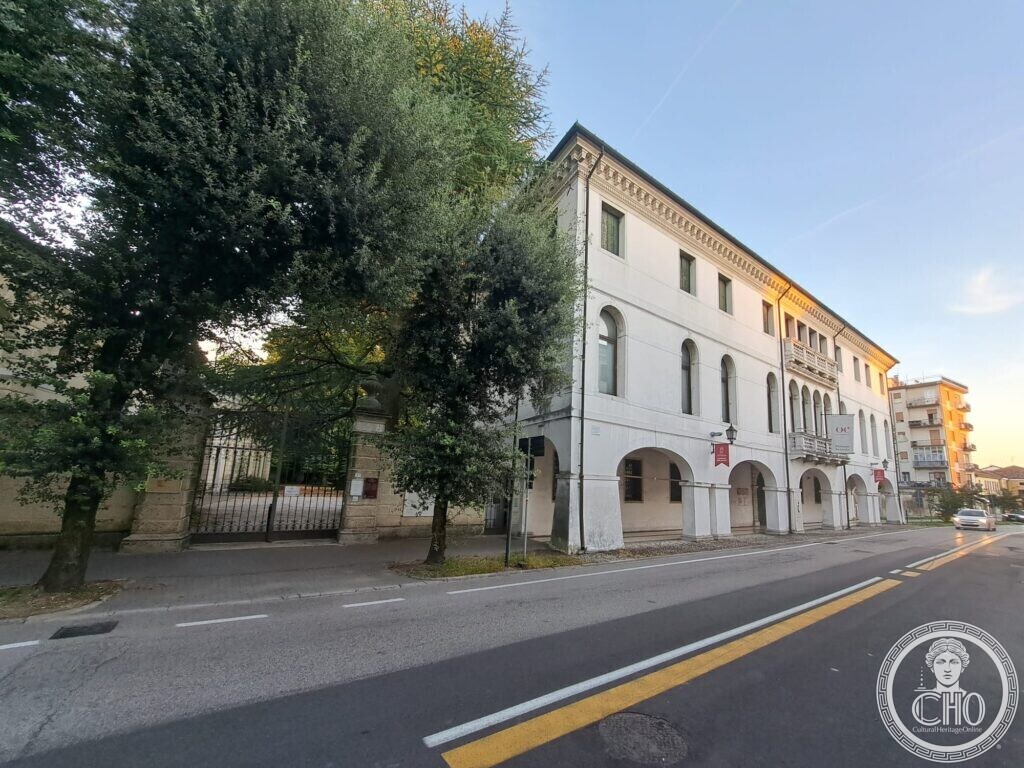
Palazzo Foscolo on via Garibaldi, with the arcade and the central balcony. Photo: Stefano Vigolo. Oderzo (Treviso), via Garibaldi 63–65
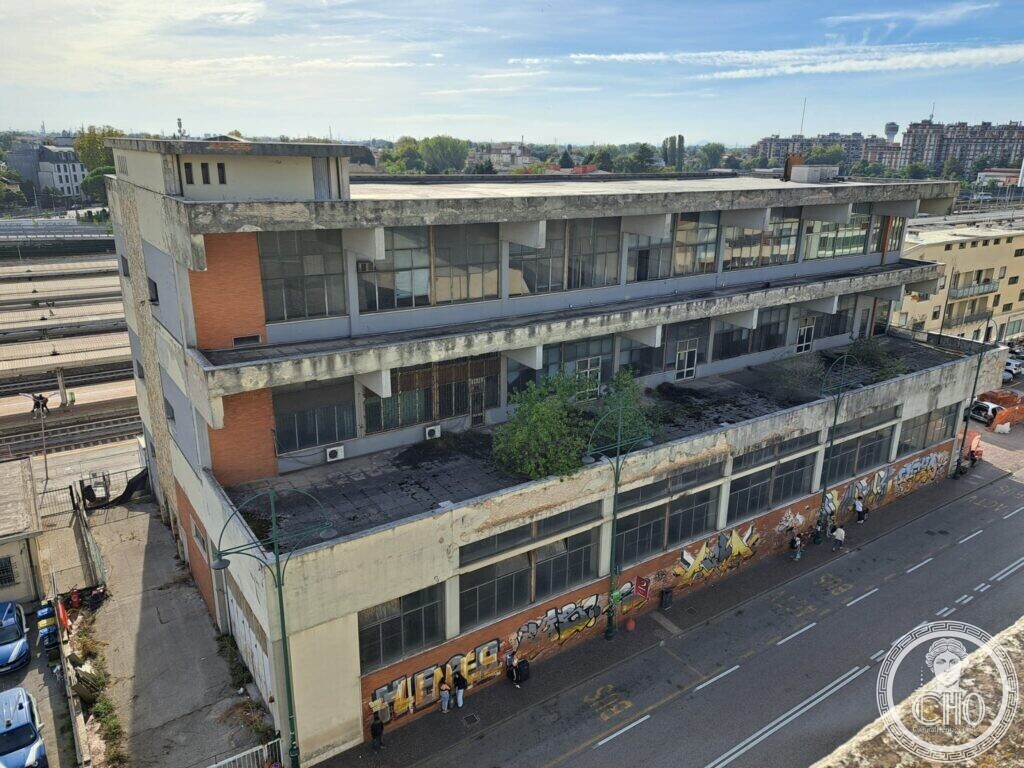
The former Post Office building from the station footbridge, with the tracks on the left. Photo: Stefano Vigolo. Mestre (Venice),
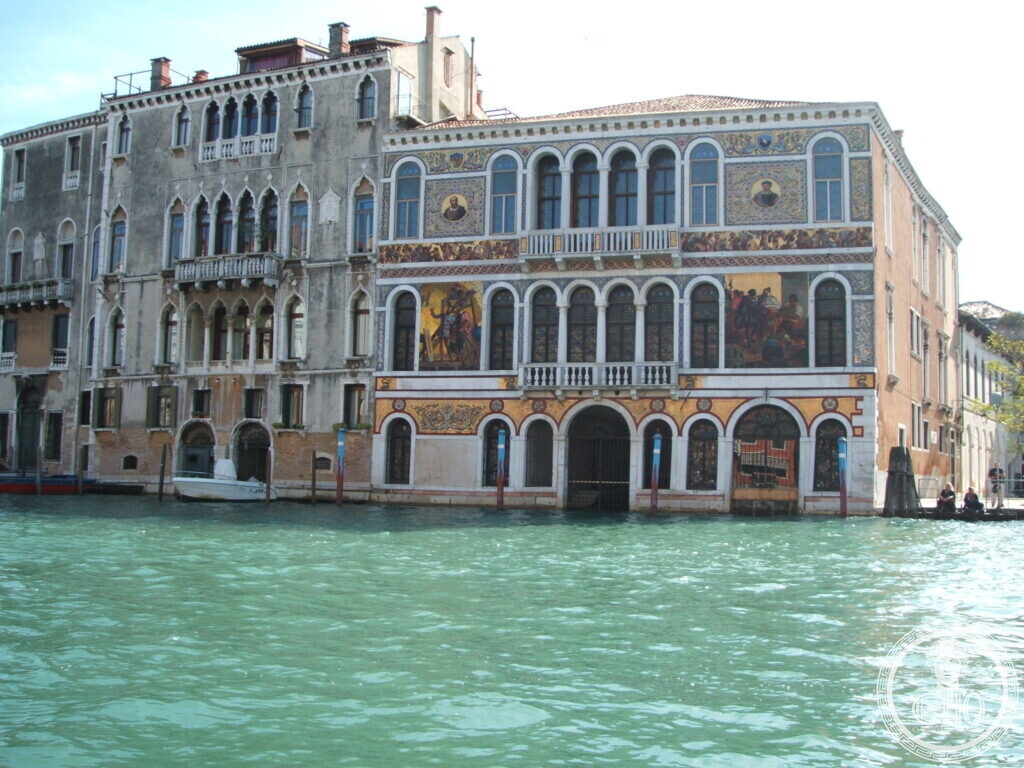
Palazzo Barbarigo from the Grand Canal, with Palazzo Da Mula Morosini on the left. Photo: Stefano Vigolo. Venice, Dorsoduro, Grand
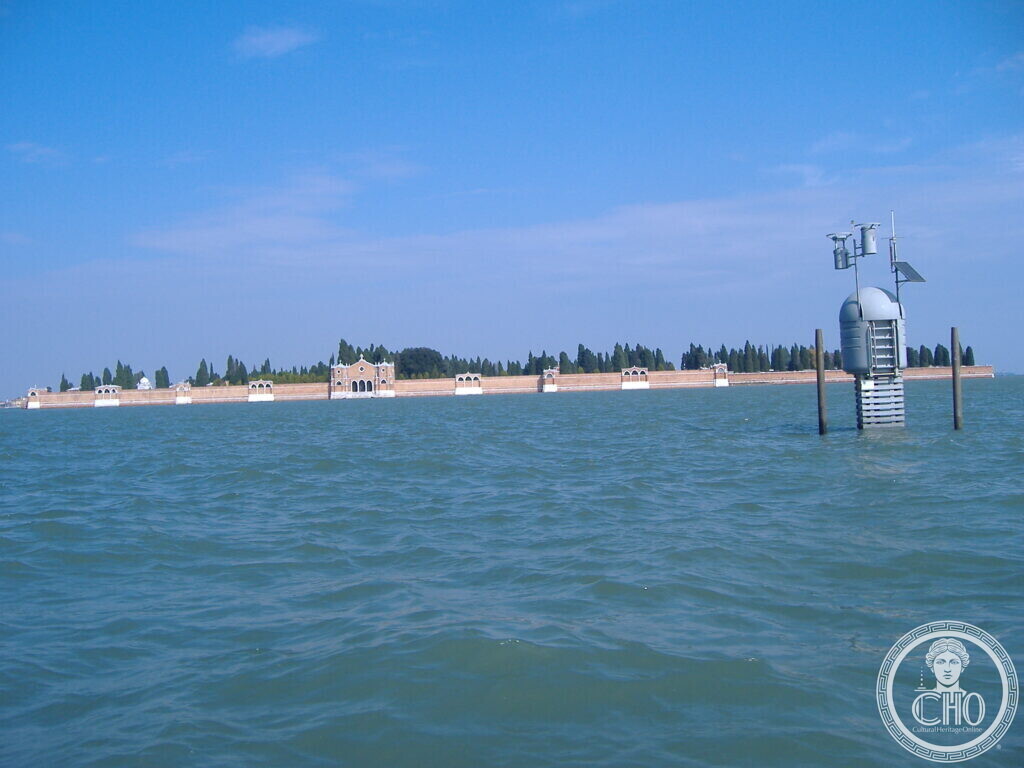
The island of San Michele from the channel towards Murano. Photo: Stefano Vigolo. Venice, lagoon between the Fondamente Nove and
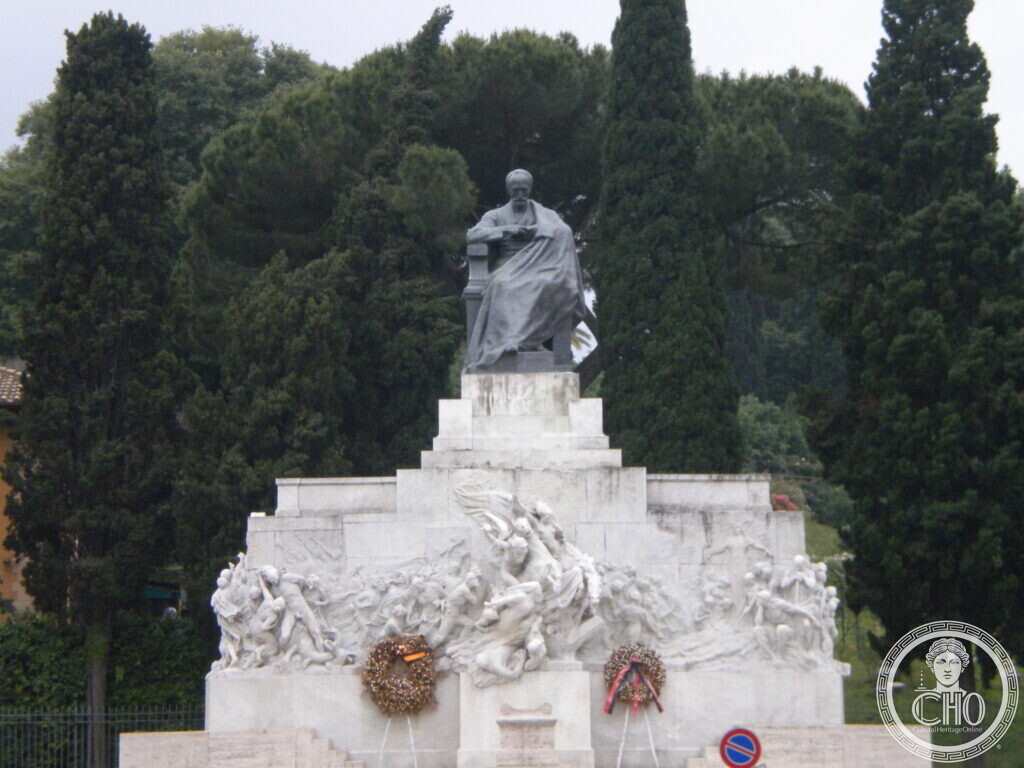
The monument to Mazzini from the road below Piazzale Ugo La Malfa. Photo: Stefano Vigolo. Rome, Piazzale Ugo La Malfa,
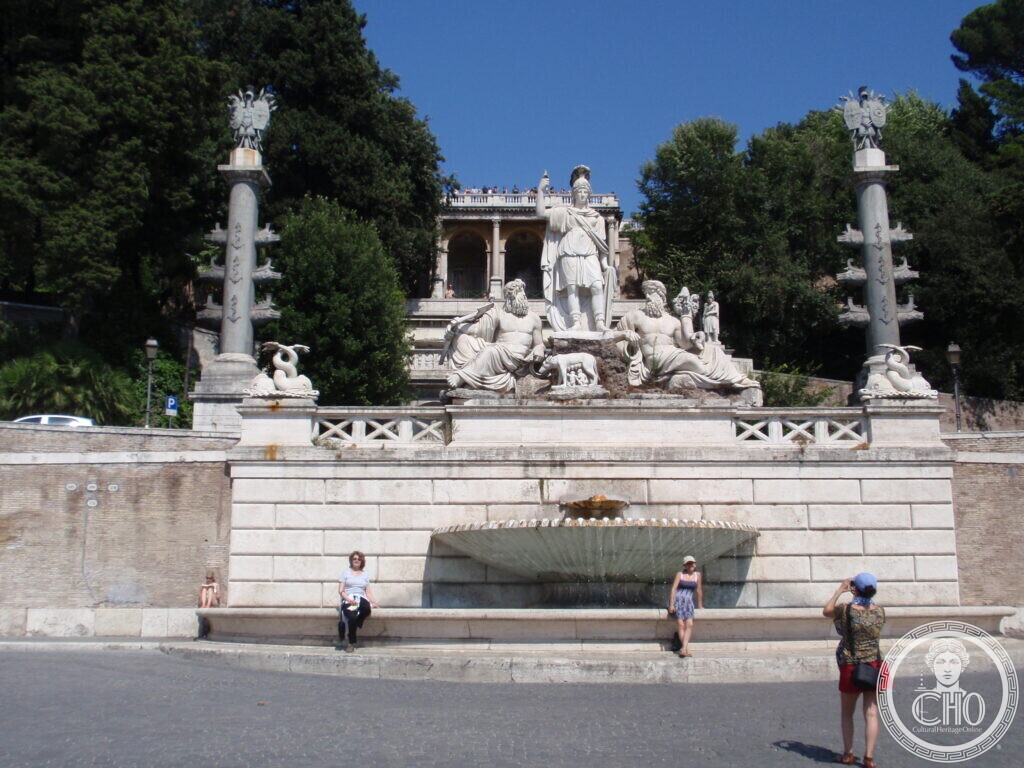
The Fountain of the Dea Roma at the foot of the Pincio. Photo: Stefano Vigolo. Rome, Piazza del Popolo, east
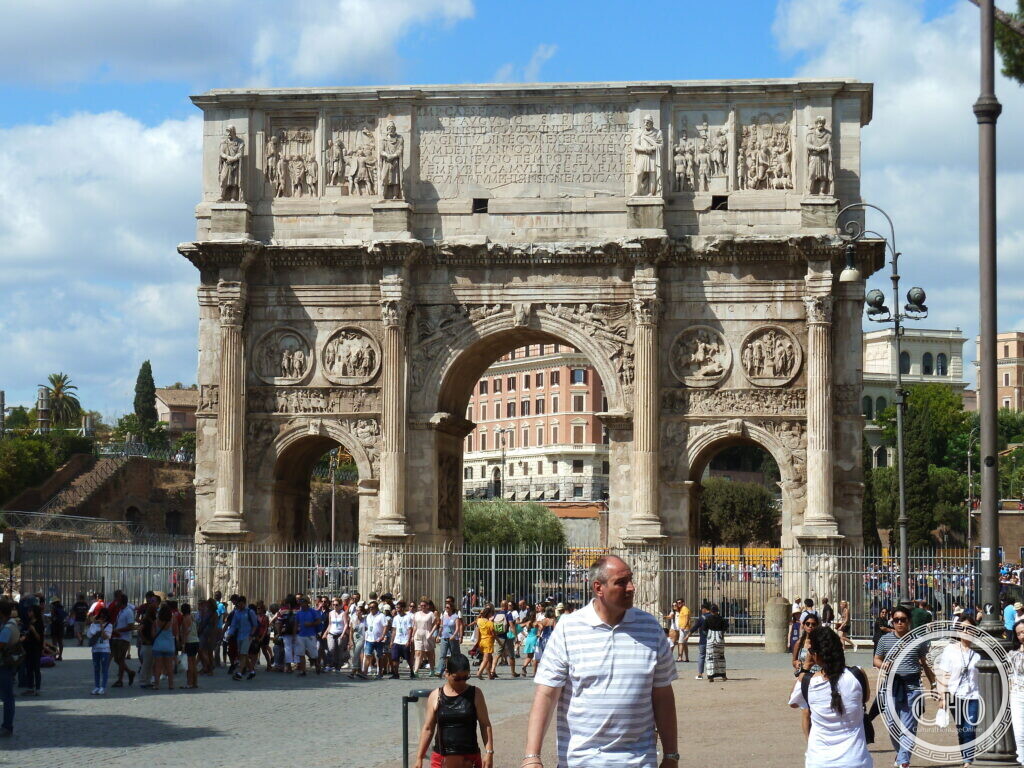
The Arch of Constantine from the Colosseum side. Photo: Stefano Vigolo. Rome, between the Colosseum and the Palatine · 315
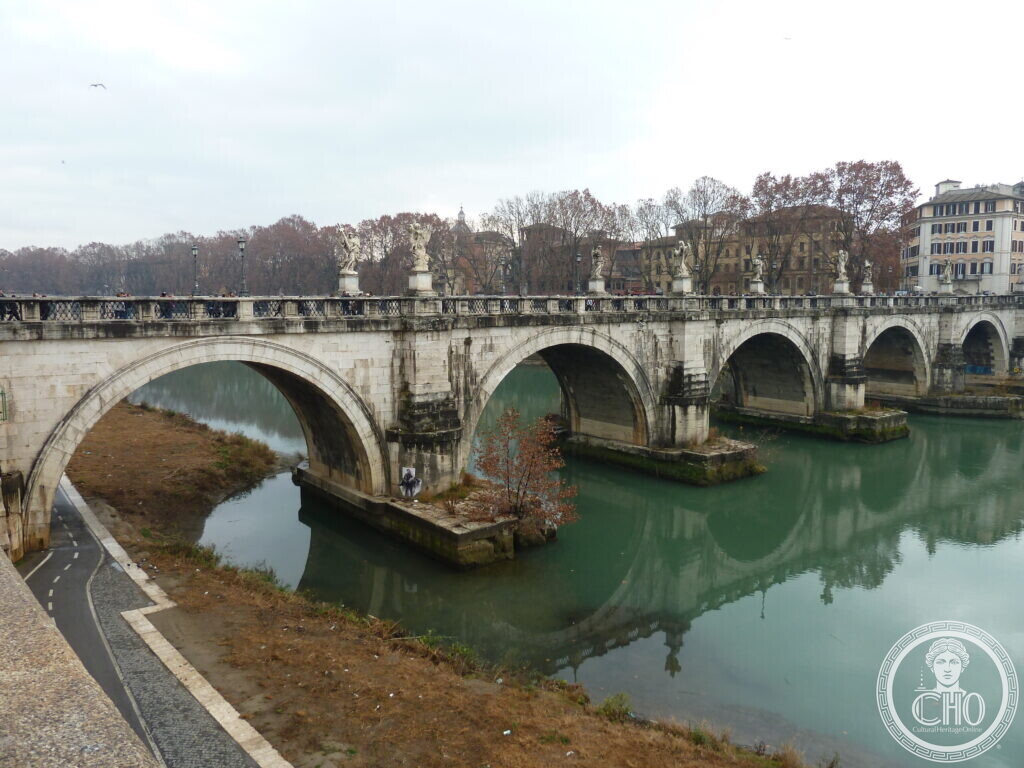
Ponte Sant’Angelo from the right bank of the Tiber. Photo: Stefano Vigolo. Rome, Tiber · 134 AD · angels 1668–1671
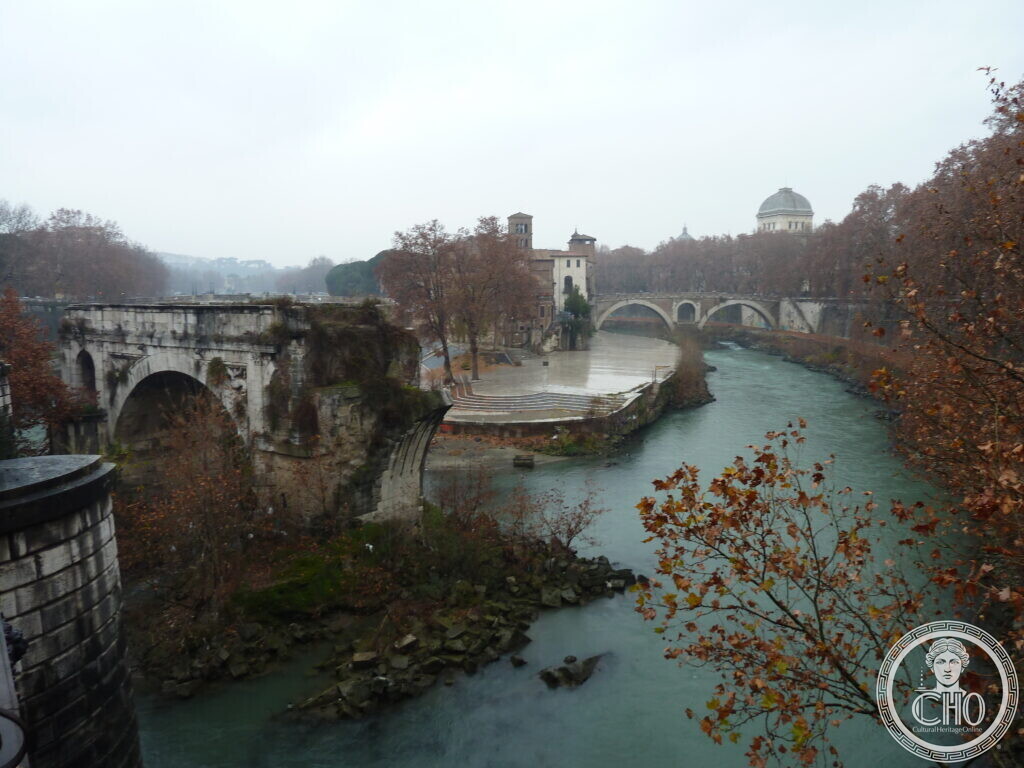
The surviving arch of the Pons Aemilius, with the Tiber Island behind. Photo: Stefano Vigolo. Rome, Tiber between the Forum