Cultural Heritage Online
The editorial desk

Cultural Heritage Online

Contributions: 831 articles · 15,399 heritage places · 166 events · 50 itineraries · 4 road-books · 16,124 photographs

Author name: Cultural Heritage Online

Kamienica Pod Białym Orłem, Kraków

Kamienica Pod Białym Orłem, Kraków

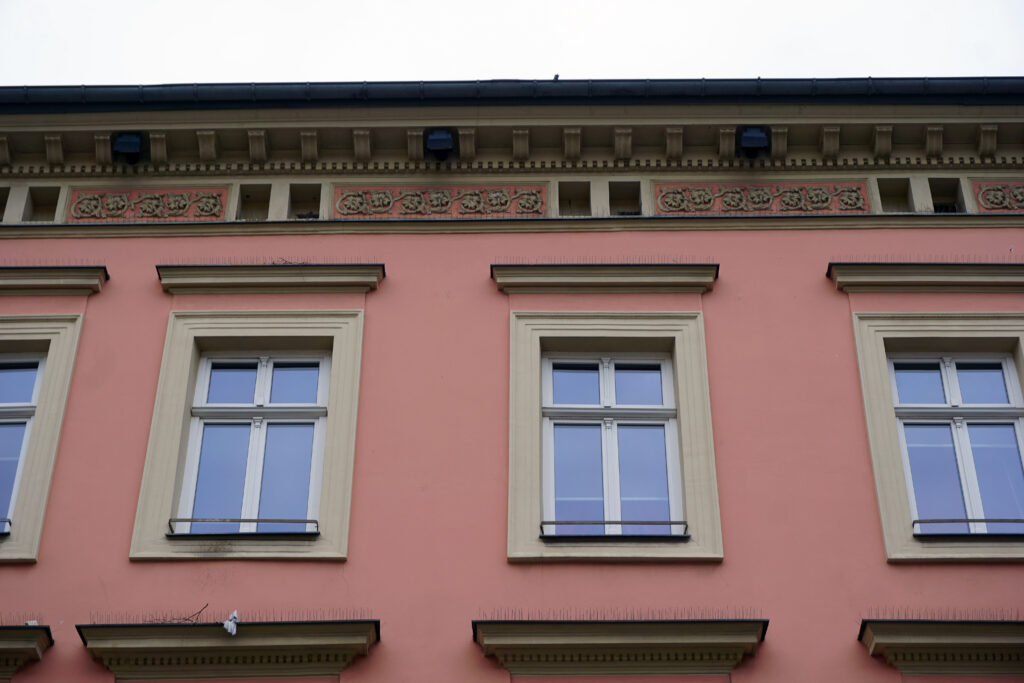
A Baroque tenement on Floriańska street inside the Florian Gate in Kraków, an inn under the sign of the White Eagle since the eighteenth century and a hotel from the nineteenth. Ludwik Waryński, founder of the Polish party Proletariat, was arrested here in 1879; the house entered the heritage register in 1966.
Zamek Biskupi, Janów Podlaski

Zamek Biskupi, Janów Podlaski

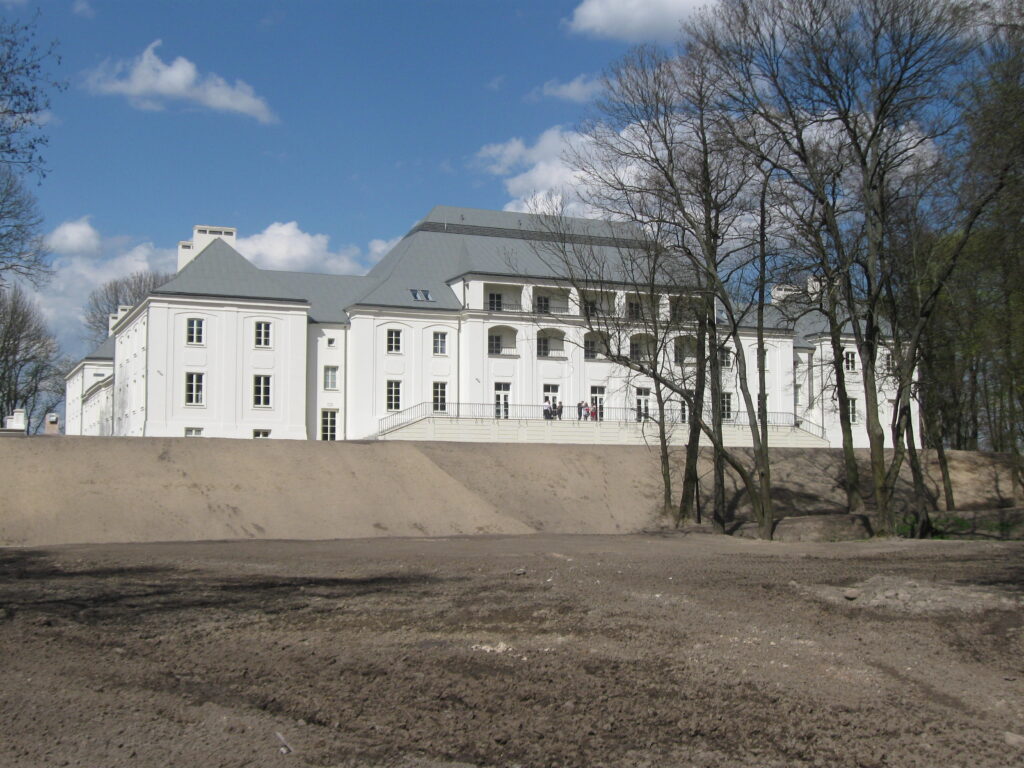
The bishops’ castle at Janów Podlaski in eastern Poland, a seat of the bishops of Łuck from the fifteenth century, burned by the Swedes in 1657 and rebuilt as a Late Baroque palace between 1770 and 1780 for Bishop Feliks Paweł Turski, with a moat, an English-style park and two free-standing pavilions on the mound.

Pałac Mierzęcin, Lubusz

Pałac Mierzęcin, Lubusz

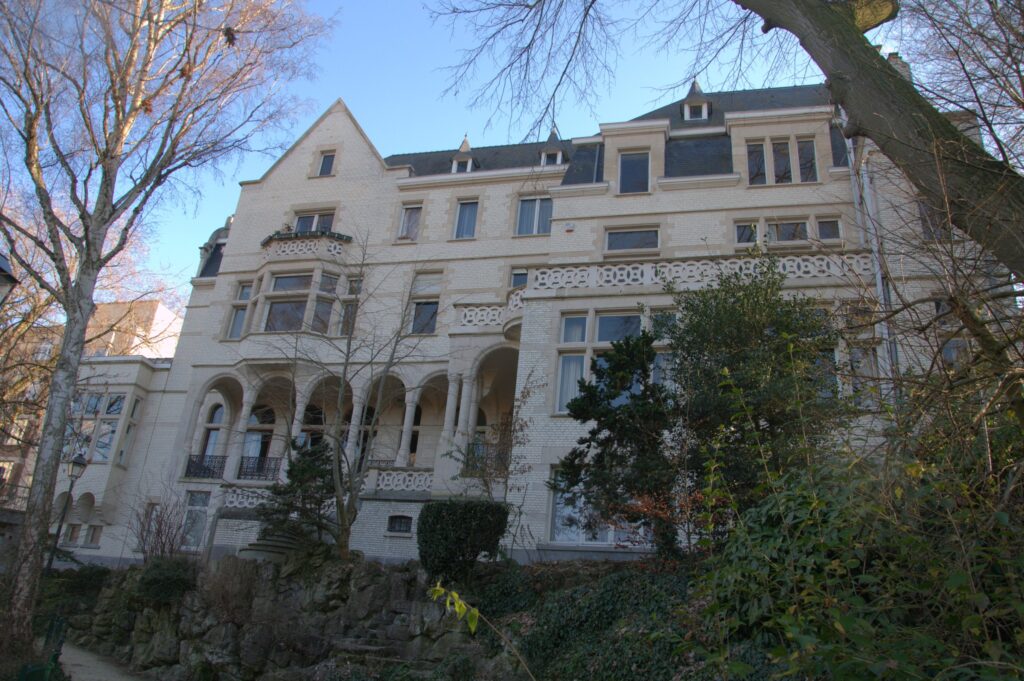
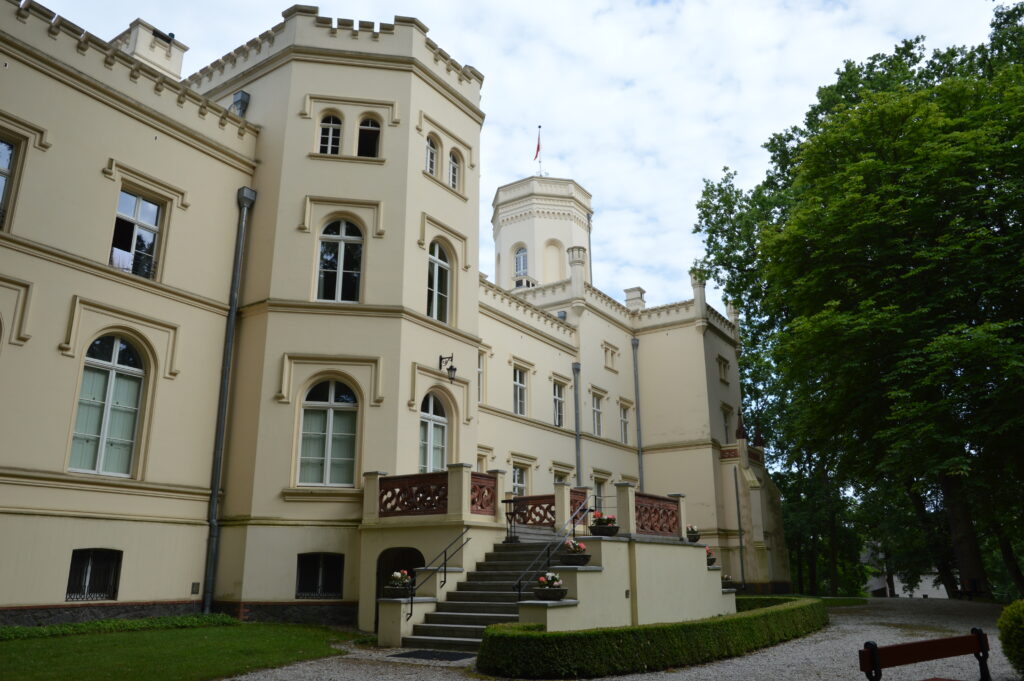
An English neo-Gothic country house of 1861-63 in western Poland, built for Robert Friedrich von Waldow on the terraced bank of the Mierzęcinka and attributed to the Berlin architect Georg Heinrich Hitzig. Now a hotel, with a vineyard of about 8.75 hectares planted from 2004.

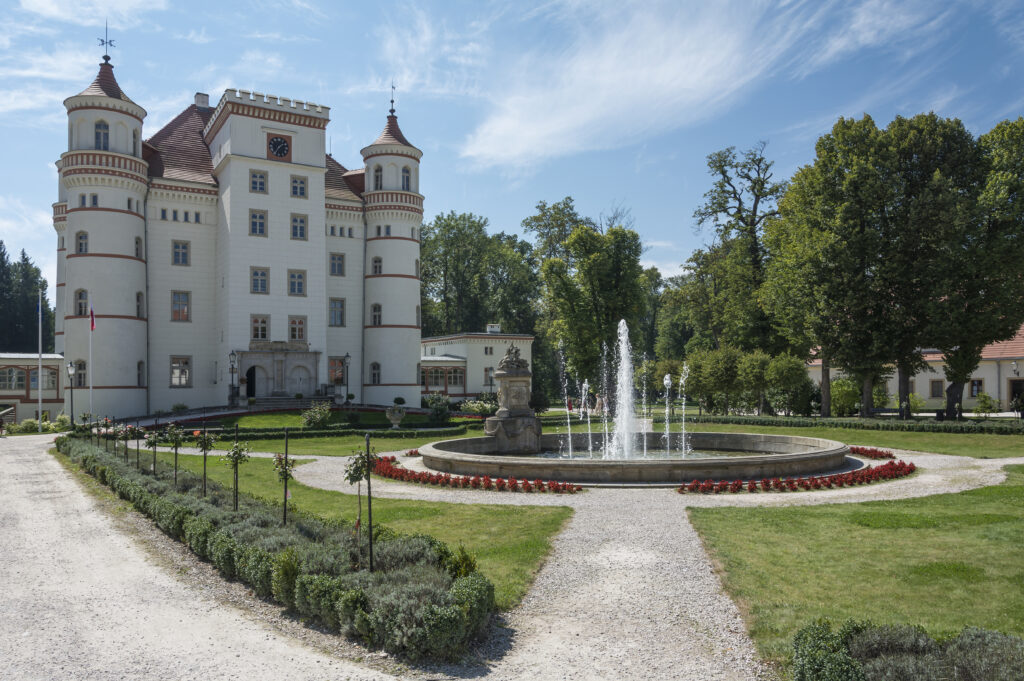
Pałac Wojanów, Lower Silesia

Pałac Wojanów, Lower Silesia

A Lower Silesian country house in the Jelenia Góra basin, modernised in 1832-33 in a neo-Gothic variant of classicism by an architect of Karl Friedrich Schinkel’s circle, and given in 1839 by Frederick William III of Prussia to his daughter Princess Louise. The park was reworked to plans by Peter Joseph Lenné; the house is now a hotel.

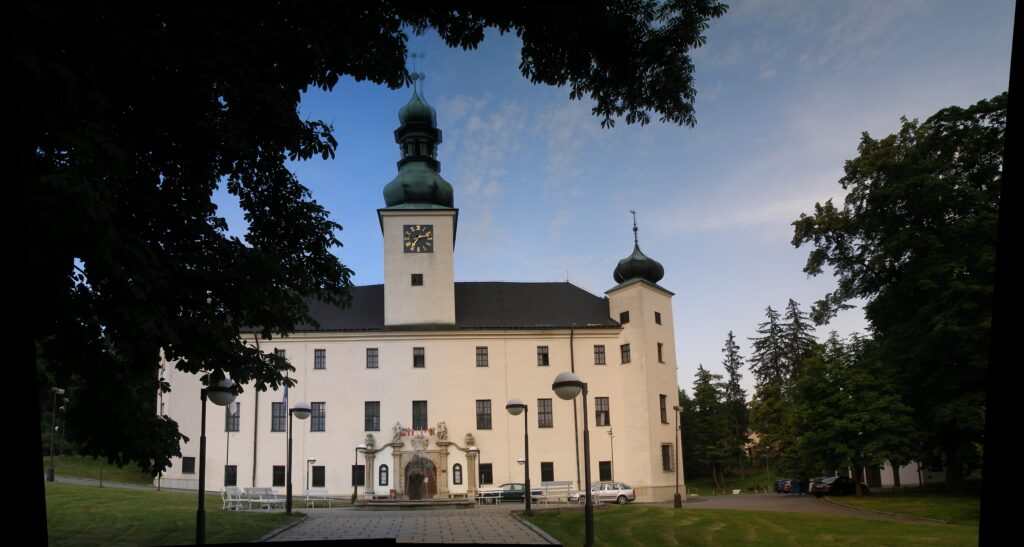
Zámek Třešť, Moravia

Zámek Třešť, Moravia

A Moravian castle in the Vysočina highlands, first recorded as a fortified house in 1513 and rebuilt in Renaissance form later that century with an arcaded, sgraffito courtyard. Its present neo-Renaissance appearance dates from 1860; the Czech Academy of Sciences has owned it since 1984 and runs it as a conference centre and hotel.

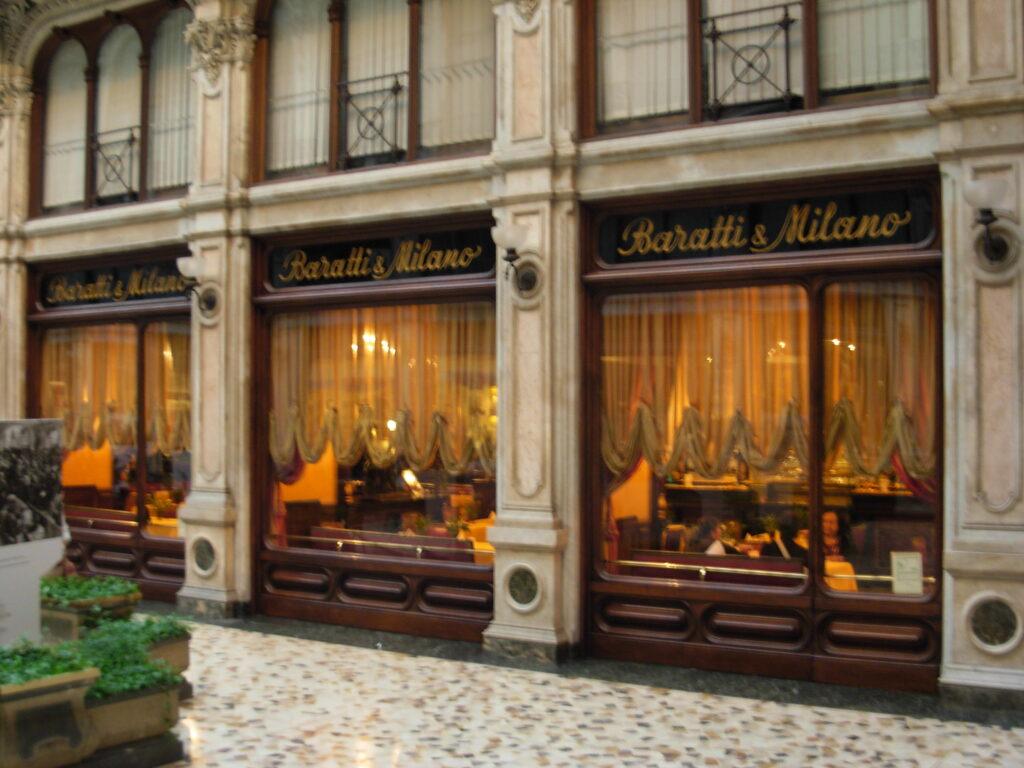
Caffè Baratti & Milano, Turin

Caffè Baratti & Milano, Turin

A Turin café in the Galleria Subalpina, founded as a confectionery in 1858 by Ferdinando Baratti and Edoardo Milano and rebuilt in 1909 by Giulio Casanova with Pietro Fenoglio and the sculptor Edoardo Rubino. Its mirrors, marble, bronze and gilding have been protected by the Italian heritage ministry, furnishings included, since 1985.

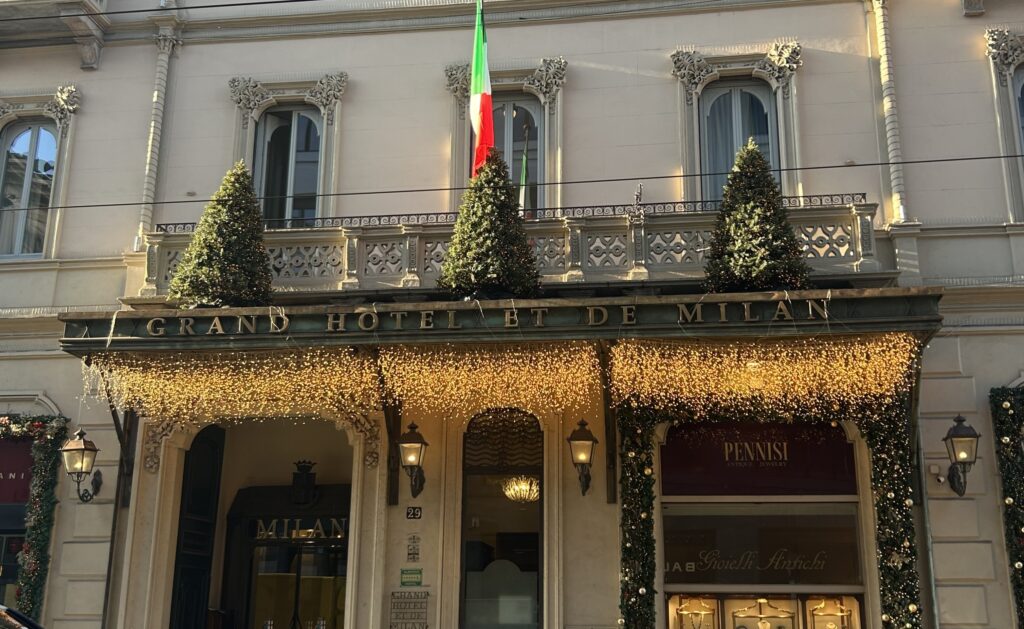
Grand Hotel et de Milan

Grand Hotel et de Milan

A Milanese hotel of 1863 on via Manzoni, designed by Andrea Pizzala with neo-Gothic leanings. Giuseppe Verdi lived here from 1872 until his death in 1901; the fourth floor, destroyed by bombing in 1943, was rebuilt by Giovanni Muzio in 1946.

Grand Hotel Tremezzo, Lake Como

Grand Hotel Tremezzo, Lake Como

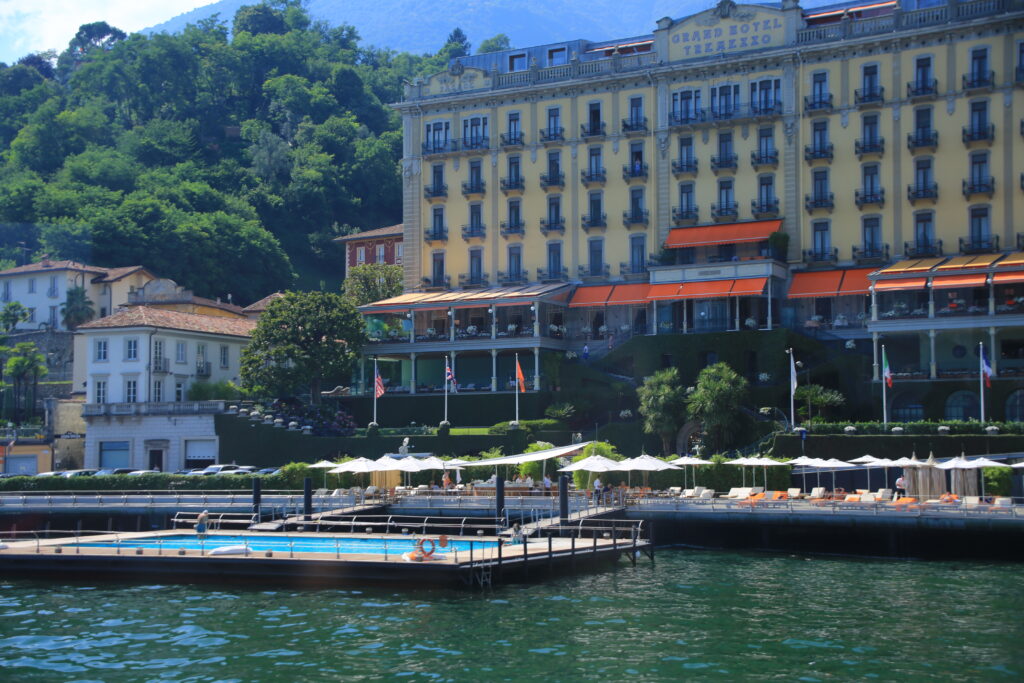
A Liberty palace hotel of 1910 on the western shore of Lake Como, facing Bellagio, built for Enea and Maria Gandola with two lifts and an electric sign over the water. Still a working hotel, in a park of about twenty thousand square metres beside Villa Carlotta.

Le Falstaff, Brussels

Le Falstaff, Brussels

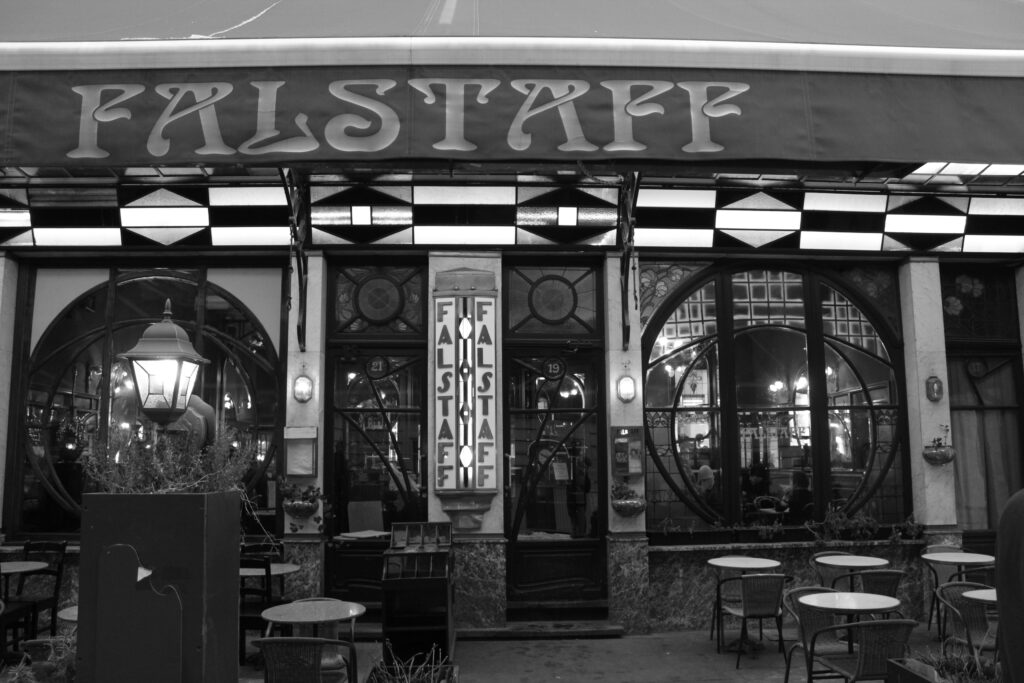
A Brussels café of 1903 beside the Bourse, its curved shopfront and glass by Émile Houbion, a joiner who had worked with Victor Horta. Art Deco canopy and sign were added later, and the whole ensemble was listed as a monument in October 2000.

Scroll to Top