

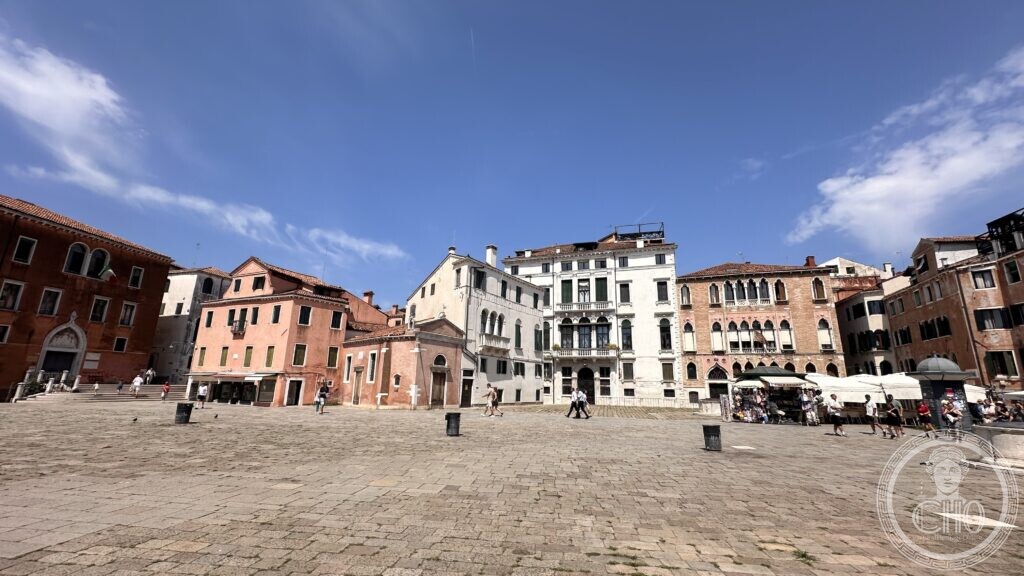
Campo Sant’Angelo
Campo Sant’Angelo, Venice — the square and its palaces. Photo: Luigi De Marchi (2026) SAN MARCO, VENICE · CHURCH FOUNDED

Campo Sant’Angelo, Venice — the square and its palaces. Photo: Luigi De Marchi (2026) SAN MARCO, VENICE · CHURCH FOUNDED
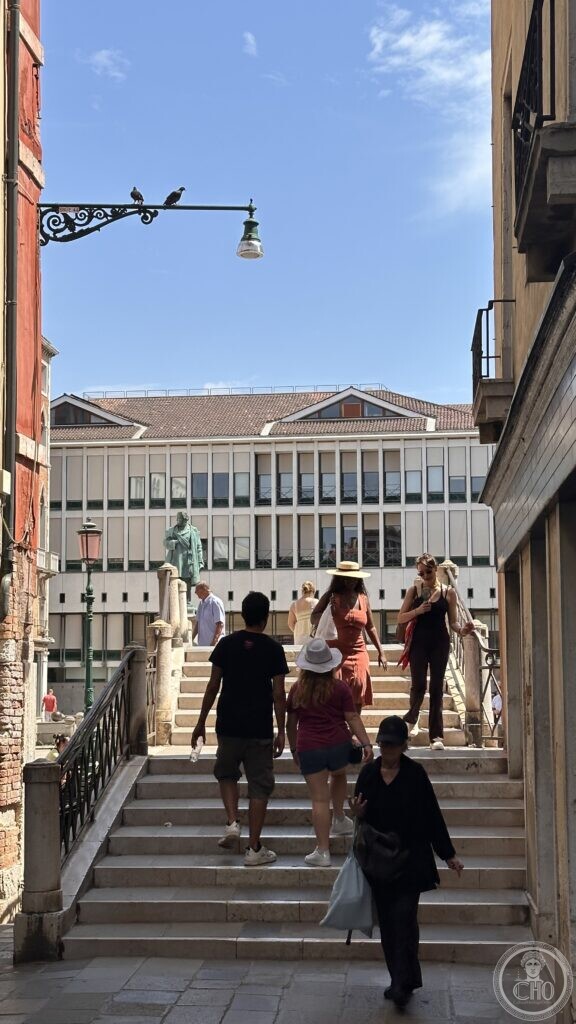
Palazzo Nervi-Scattolin, Campo Manin, Venice. Photo: Luigi De Marchi (2026) SAN MARCO, VENICE · BUILT 1963–1972 Palazzo Nervi-Scattolin A glass-and-steel
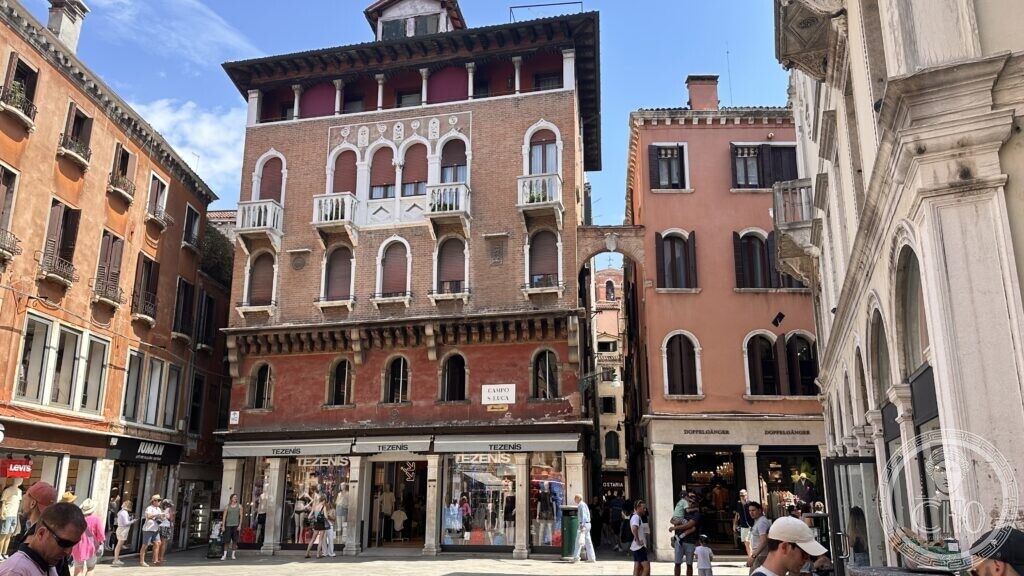
Campo San Luca, Venice — Gothic-Venetian palace facade. Photo: Luigi De Marchi (2026) SAN MARCO, VENICE · NAMED AFTER A
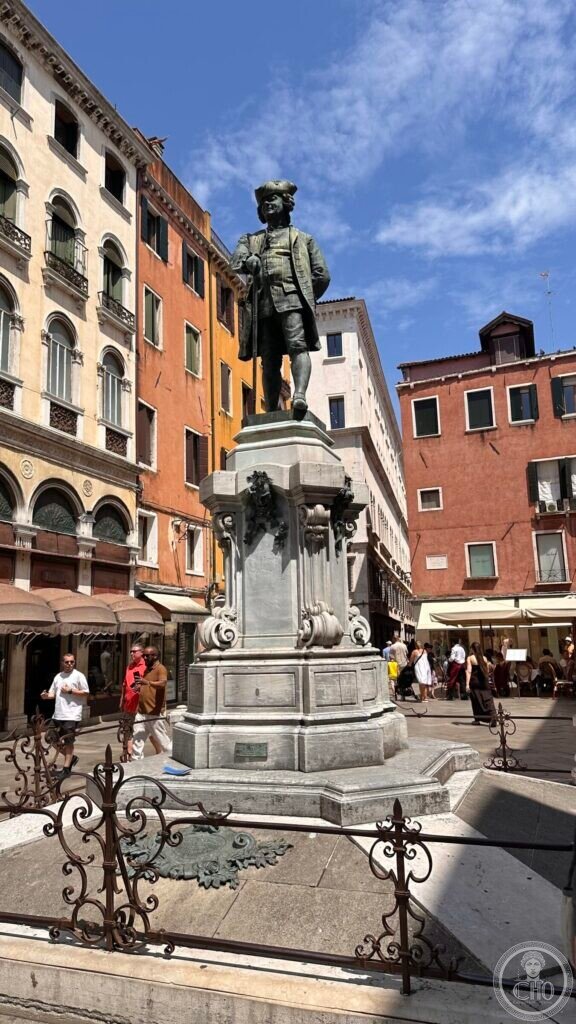
Antonio Dal Zotto’s bronze of 1883 in Campo San Bartolomeo, on a rococo pedestal by Pellegrino Orefice: the sculptor’s acknowledged masterpiece, and the meeting point of the city.
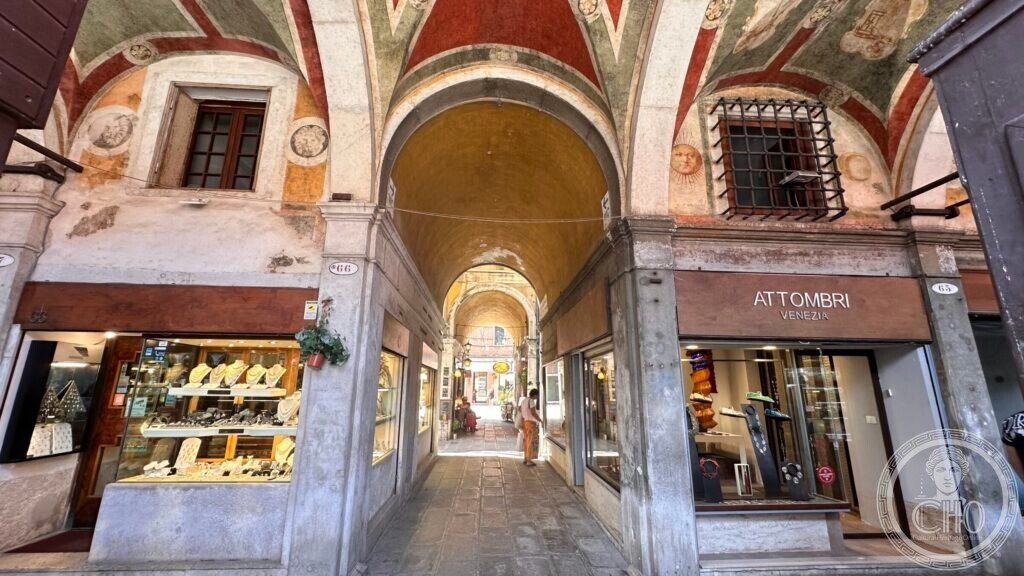
The covered passage between the Rialto bridge and the market, where each goldsmith undertook to have the vault frescoed in front of his own shop — among the last external frescoes left in Venice.
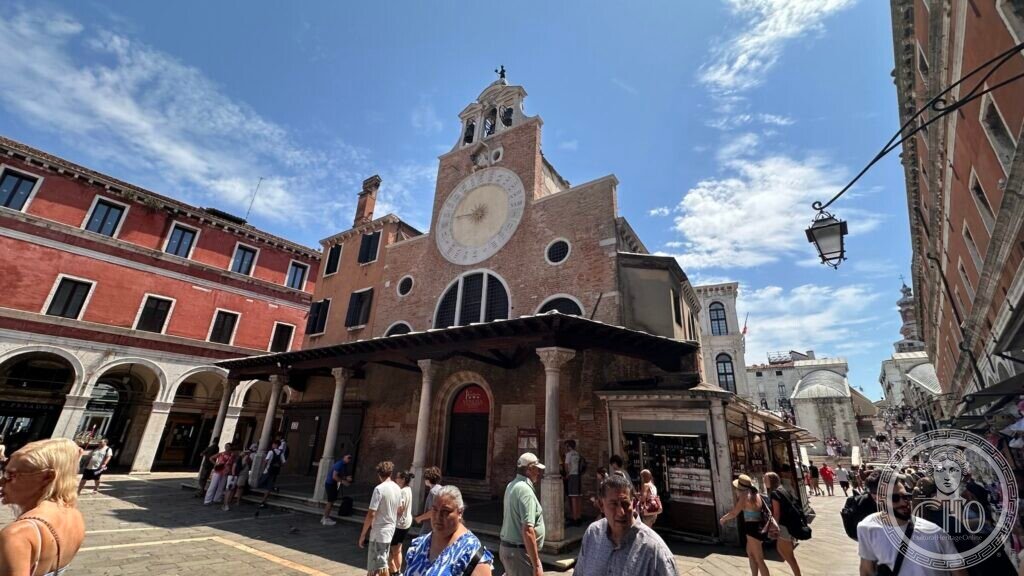
The church Venetians call San Giacometto: tradition makes it the oldest in the city, its clock dates from 1410, and its small porch of stone and wood is the only original one left in Venice.
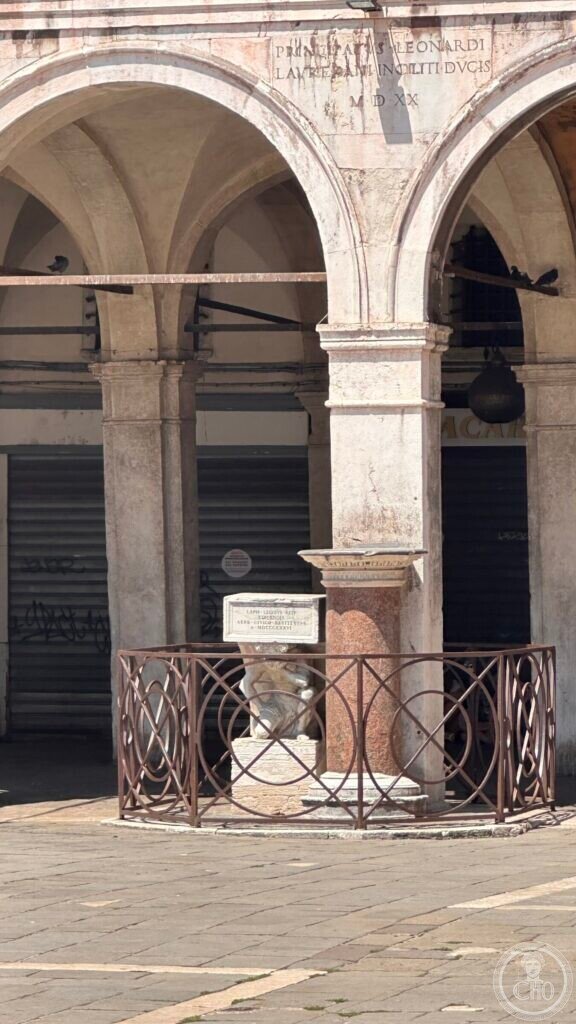
A stump of red granite with a stair beside it, in Campo San Giacomo di Rialto: the point from which heralds proclaimed sentences, and where a condemned thief’s run through the city ended.
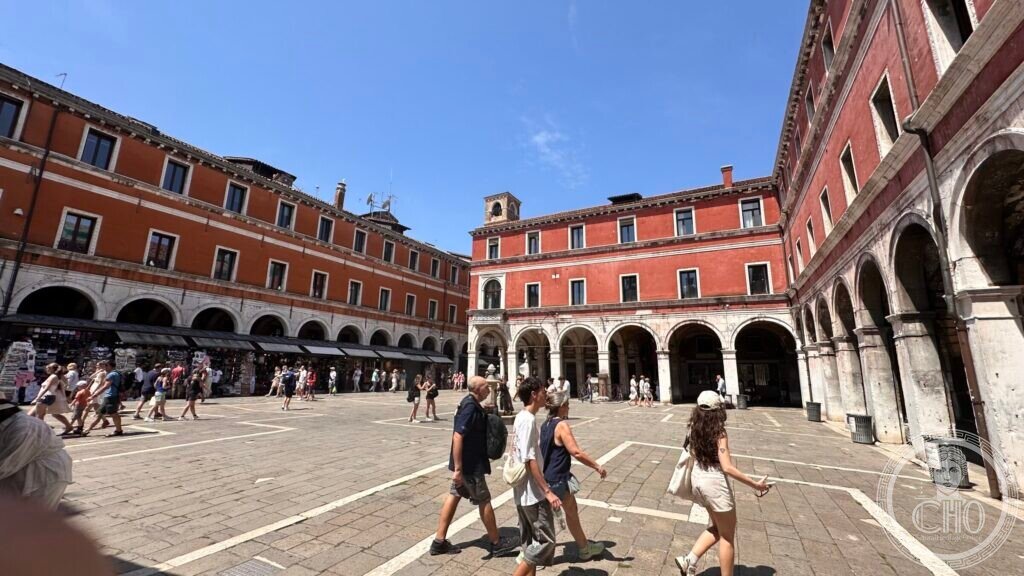
The market square at the foot of the Rialto bridge: the oldest church in Venice, the stone from which sentences were read, and seventeen categories of goods the city has forbidden to sell here since 2003.

A house museum in the Montenapoleone district: the Neo-Renaissance home the brothers Fausto and Giuseppe Bagatti Valsecchi built and furnished in the late nineteenth century, open to the public since 1994.

Founded in 1889, the National Roman Museum keeps the ancient art of Rome in four sites; its main seat, Palazzo Massimo alle Terme, holds the Boxer at Rest, the Via Labicana Augustus and the frescoes of Livia’s villa.