

Borgo di Travo — Val Trebbia
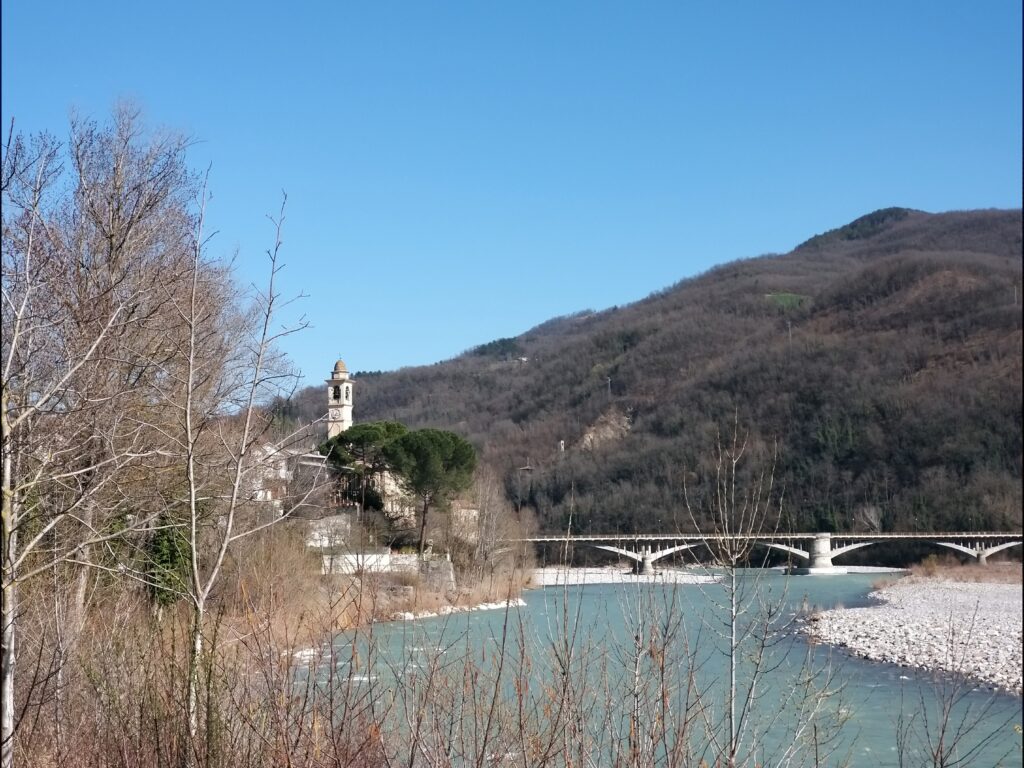
Travo above the Trebbia: the bell tower, the pines and the arched road bridge. Photo: Roberta Valla. Travo, Emilia-Romagna ·

Travo above the Trebbia: the bell tower, the pines and the arched road bridge. Photo: Roberta Valla. Travo, Emilia-Romagna ·
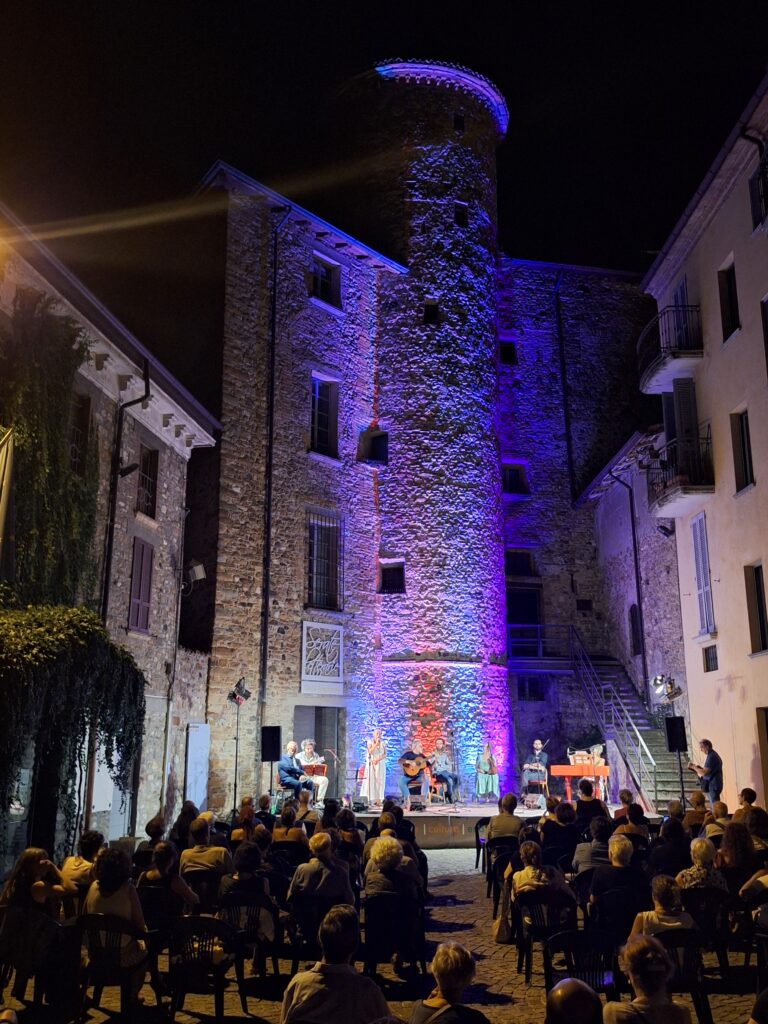
Travo, Val Trebbia: the medieval castle of the Anguissola counts on the left bank of the Trebbia, home to the Civic Archaeological Museum – and to the tower where the writer Giana Anguissola spent her summers writing from 1948.
A year ago we looked at eight European research projects that had stopped treating heritage as an inventory and started

Francesco Barzaghi’s marble of Niccolò Tommaseo was unveiled in Campo Santo Stefano in 1882. The books propping it up, half hidden by the coat, earned it the Venetian nickname cagalibri.

Mauro Codussi began Ca’ Vendramin Calergi in 1481 and the Lombardo family finished it in 1509. Richard Wagner died here in 1883; the palace has housed the winter seat of the Venice casino since 1959.

On the Rio de San Felice in Cannaregio, Ponte Chiodo is the only bridge in the city still standing without a parapet. It was private, which is why the nineteenth-century safety rules never reached it.

In the parish of San Canzian, in Cannaregio, Calle Varisco narrows to fifty-three centimetres before it reaches the canal: the narrowest street in Venice.

The two granite columns of the Piazzetta carry the lion of St Mark and St Theodore. Sentences of death were carried out in the space between them, and the phrase for being executed was to end up between Marco and Todero.

The bridge over the Rio de San Cassan marks the edge of the Carampane, the quarter to which late-fourteenth-century Venice moved its registered prostitutes, far from any church.

The four stone figures of Campo dei Mori are traditionally the Mastelli brothers, merchants said to have come from the Morea. The one at the corner of the bridge, Sior Antonio Rioba, was Venice’s talking statue.