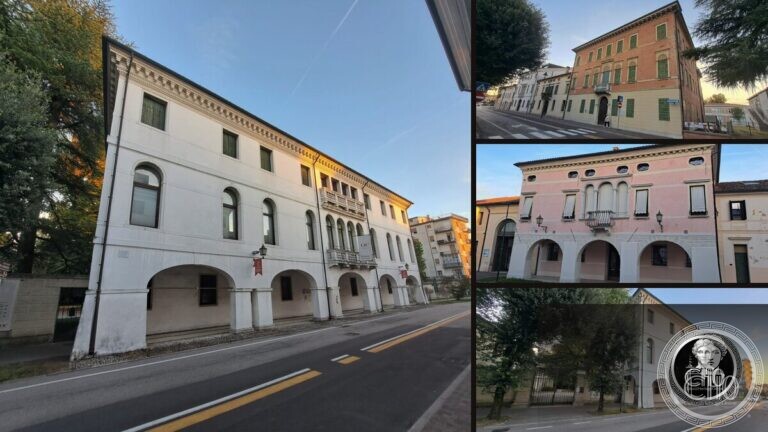
A walking tour fills, the date passes, and the page that sold it is retired. The building where the group met is still there, with a history that the page never mentioned, on a website that the ticketing platform does not own. The event and the place are two different objects, and only one of them is built to last.
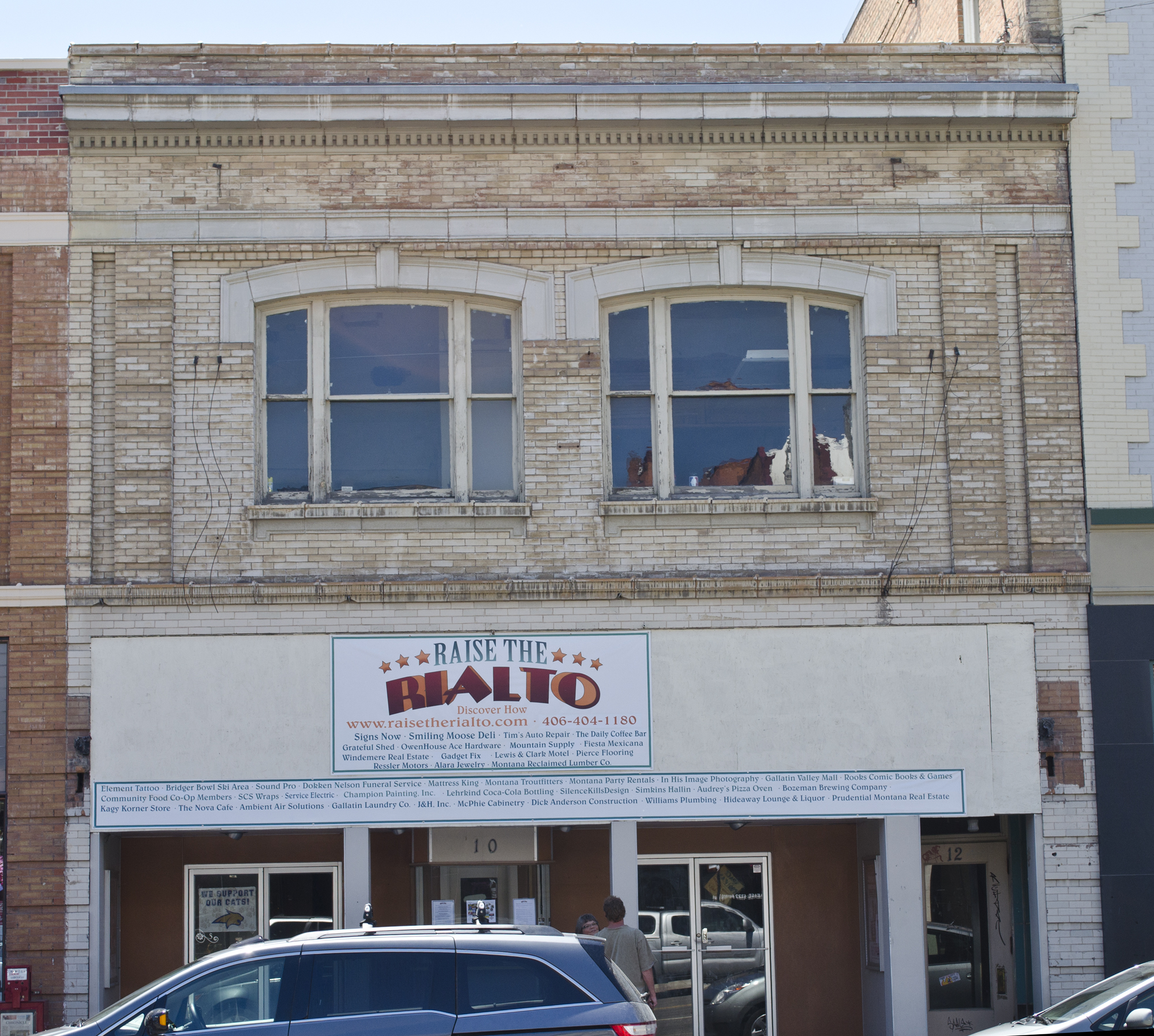
The ticket is the product
Eventbrite is the reference point, and its pricing is public: free events carry no platform fee, paid tickets carry a service fee of 3.7% plus $1.79 per ticket, and payment processing adds 2.9% per order. The platform reports 89 million monthly users and 4.7 million events. That is what the fee buys: discovery, checkout, and an attendee relationship that lives on the platform.
It works. A 2025 study by One Further of 100 UK cultural organisations found that transactional content, event and exhibition pages, held up better in search than informational content. People still look for what is on. The problem is what is not on the page.

What the event page does not carry
The event page carries a date, a price, a meeting point and a button. It does not carry the building: who built it, when, what it was before, why the street is shaped that way. It does not carry the quarter, the map, the other places within a walk. And when the date passes, the page is retired or it stays as a dead listing.
The reader who might have come is not the one who already follows the organiser. It is the traveller who searched the building, found its history, and then looked for something to do there. That reader is on the place page, not on the ticketing platform.

The event on the page of the place
A different arrangement is possible: publish the event on the page of the place where it happens, in the archive, in English, with the dates on the map and in the city guide. The listing is free. The Organiser plan, $149 a year, adds a permanent organiser page, the name and booking link on every listing, the newsletter and a quarterly report. Featured events are $29; section sponsorships are $490 and carry a visible partner label.
The event stays after the date. A reader planning a trip in six months finds the place, and the walk that happened there is part of its record.
What it does not do
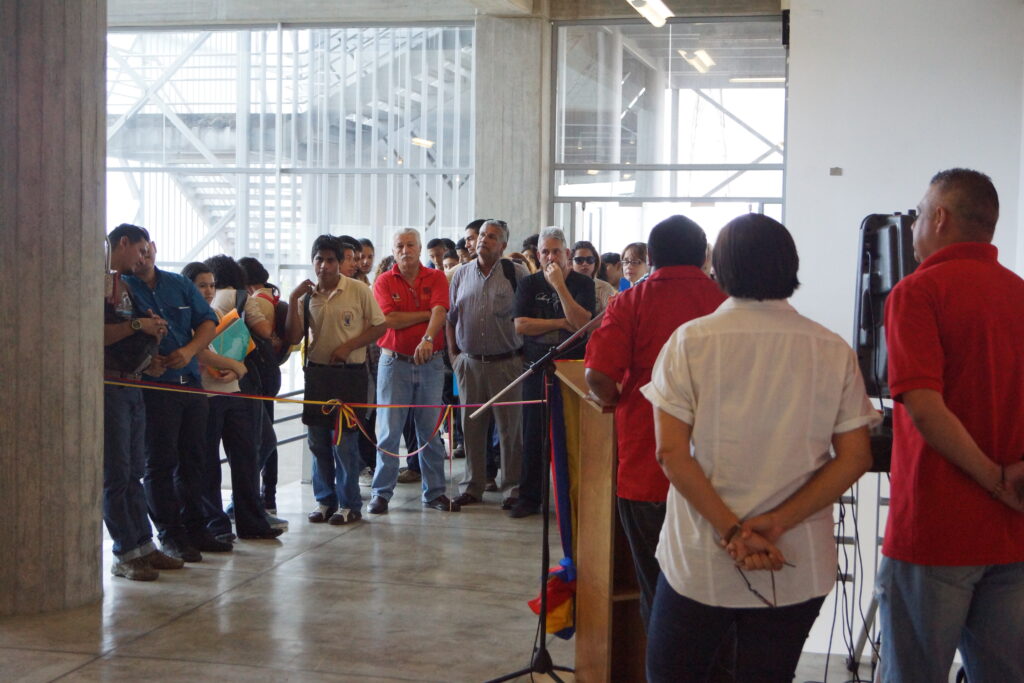
It does not sell the tickets: prices, capacity, refunds and cancellations remain the organiser’s. It does not promise attendance. It adds a page that the place already has a reason to host, and it keeps the event attached to the building instead of to a date.
The first step is small: publish one event on the place where it happens, and see whether the reader who searches the building finds it.
Sources
- Eventbrite, Create an Event for Free: Pricing: · https://www.eventbrite.com/organizer/pricing/
- Beth Downs, Report: The impact of AI Overviews in the cultural sector, One Further, 1 September 2025: · https://www.onefurther.com/insights/ai-overviews-cultural-sector-report
- Cultural Heritage Online, Organiser: · https://culturalheritageonline.com/organiser/
Curated by Stefano Vigolo for Cultural Heritage Online.
Spotted an error? Write to editorial@culturalheritageonline.com and we correct it the same day.