Pioneering Tuscan bus mobility, Mount Amiata routes, and century-long rural transport integration centered in Grosseto.
The expansive geography of southern Tuscany has historically presented formidable transport challenges. Stretching across low-lying coastal plains, reclaimed agricultural wetlands, and the steep volcanic forests of Mount Amiata, the province of Grosseto was divided by immense territorial distances and sparse population settlements. In 1913, civic administrators, farmers, and local merchants convened in Arcidosso to establish the Società Anonima Rete Automobilistica Maremmana Amiatina, universally remembered by its acronym RAMA. The foundational objective was straightforward yet audacious: replacing slow horse-drawn carriages with reliable internal combustion omnibuses capable of scaling rugged mountain passes.
Pioneering Mountain Road Lines and Fleet Mechanization
Commencing regular runs with four large passenger omnibuses and a dedicated postal transport van, RAMA established regular motorized connections between Arcidosso, Castel del Piano, Santa Fiora, and the provincial railway terminus in Grosseto. Navigating unpaved macadam roadways subject to seasonal landslides and steep mountain gradients required extraordinary driving skill and diligent mechanical workshops. The new services cut travel times from entire days to a matter of hours, revolutionizing rural commerce, delivering vital medical supplies, and linking isolated mountain hamlets to regional rail networks.
Interwar Network Expansion and Regional Integration
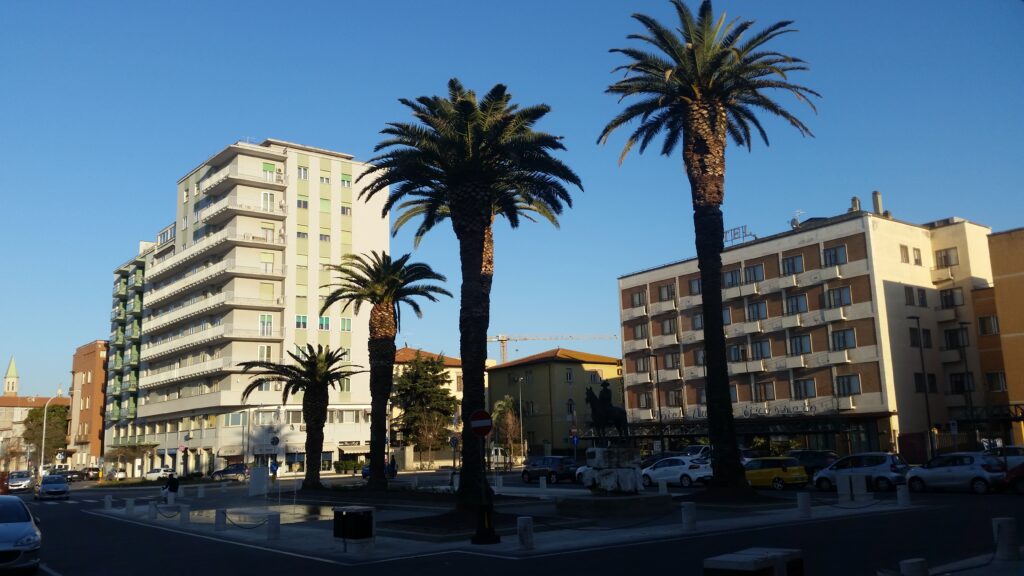
Throughout the interwar decades and the post-Second World War era of national reconstruction, RAMA expanded its provincial routes to encompass the entire Maremma territory. The transport company established dedicated garages, acquired modern diesel-powered touring coaches, and played an indispensable role during the agricultural agrarian reforms that transformed the Grosseto plain. Centered around Piazza Marconi at Grosseto railway station, RAMA buses became an indelible fixture of daily Tuscan life, ferrying generations of students, commuting workers, and seasonal visitors across southern Tuscany.
Although modern public transit reforms eventually merged RAMA into unified regional transport consortia, its pioneering 1913 heritage remains celebrated as a vital chapter in Tuscan mobility, engineering resilience, and rural territorial integration.
Historic Site & Location
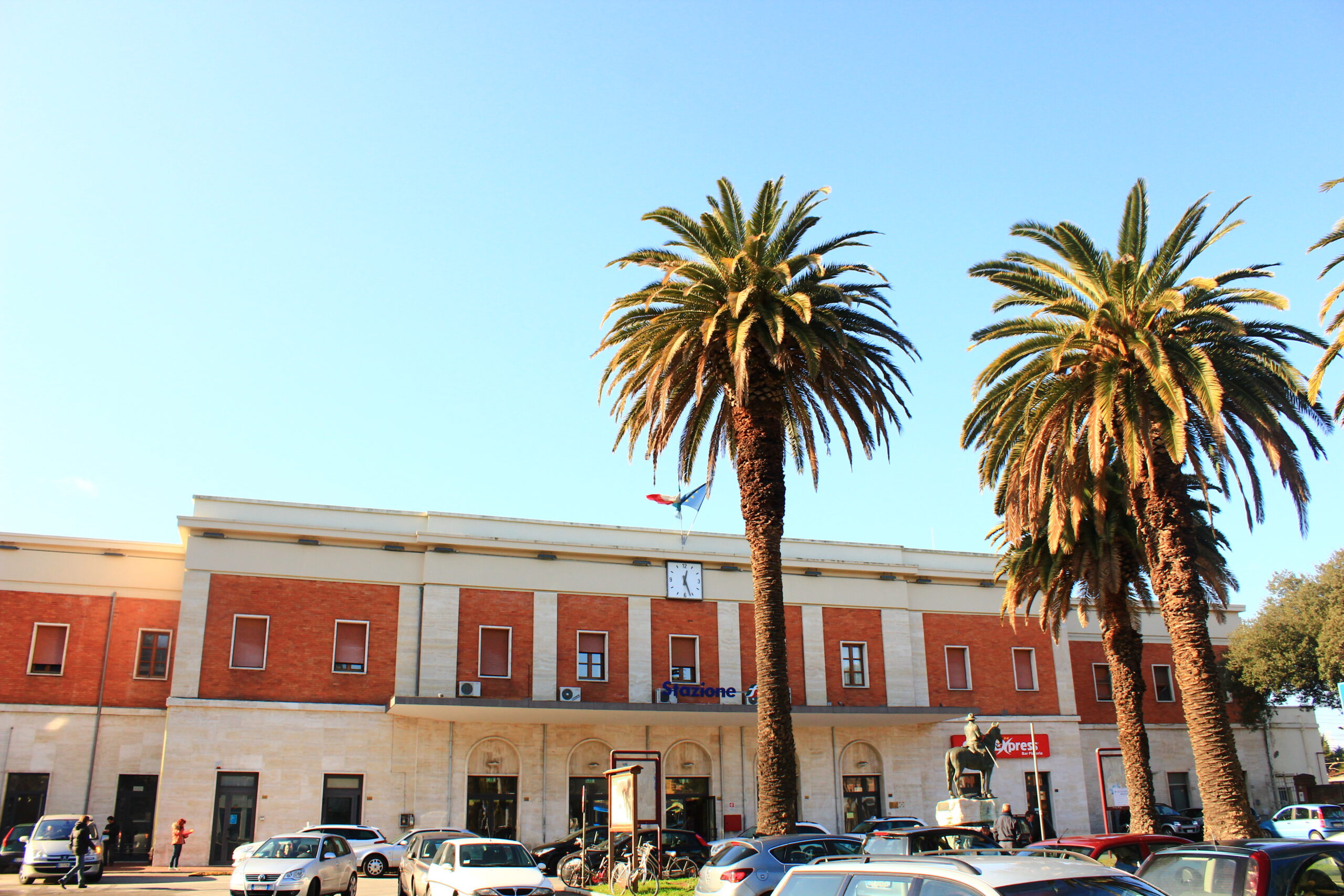
Historic Address: Piazza Guglielmo Marconi, 58100 Grosseto GR, Italy
Nearby in the archive
- Grosseto — city guide — the city around it
Sources
- S1 — RAMA Mobilità S.p.A., Archivio Storico Trasporti Maremmani — https://www.tiemmeferrovia.it/
- S2 — Camera di Commercio della Maremma e del Tirreno, Registro Imprese Storiche — https://www.lg.camcom.it/
- S3 — Regione Toscana, Fondo Documentario Linee Automobilistiche del Bacino Grossetano — https://www.regione.toscana.it/
Spotted an error? Write to editorial@culturalheritageonline.com and we correct it the same day.