Pioneering cinema production studios and literary drama in interwar Piedmont.
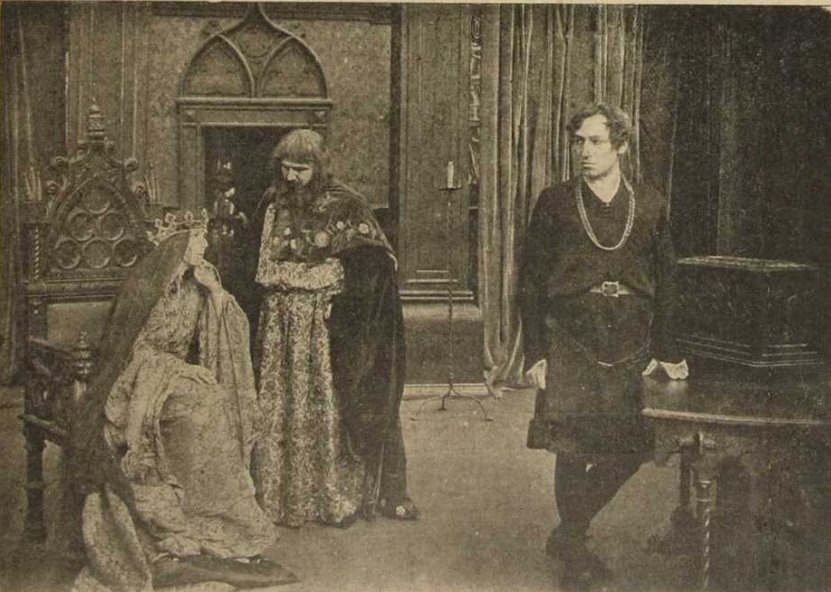
Founded in Turin in 1917 by acclaimed actor and director Eleuterio Rodolfi, Rodolfi Film represented a significant artistic and industrial enterprise during the golden age of Italian silent cinema, producing dozens of influential cinematic works against the backdrop of wartime Europe.
The Studios of Corso Vercelli
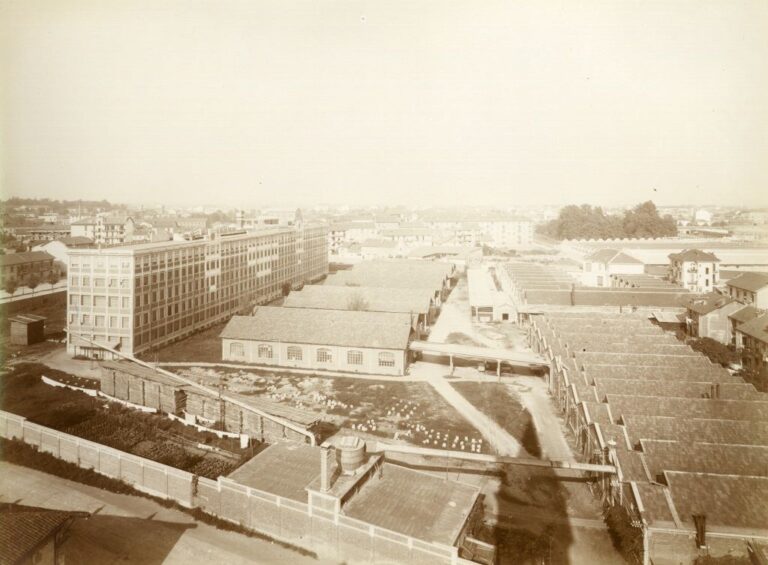
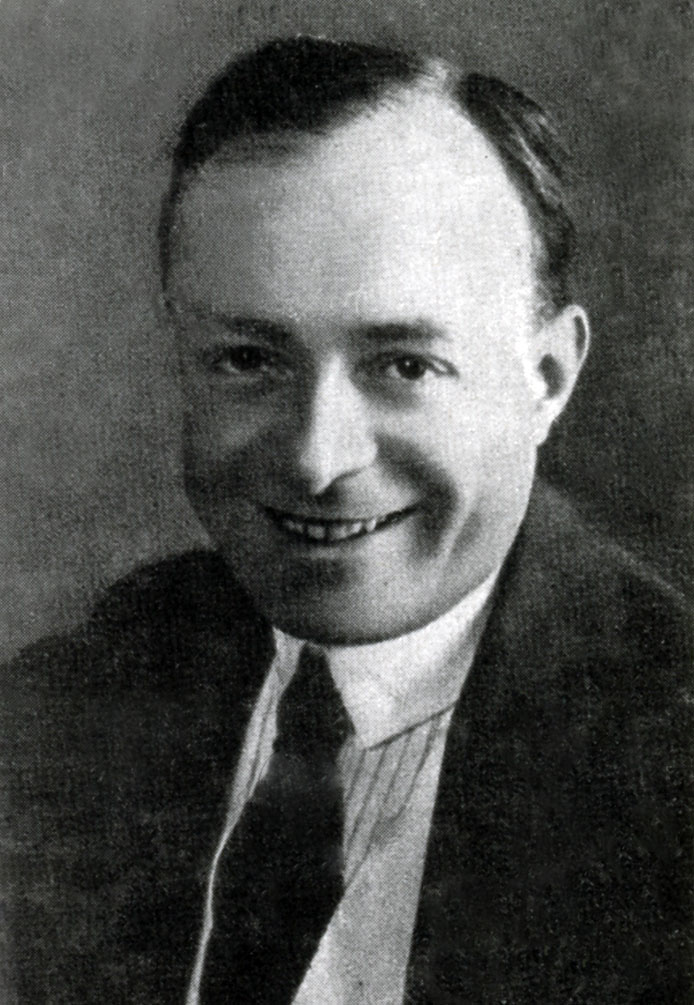
Eleuterio Rodolfi, who had previously achieved widespread renown as the comic star “Rodolfi” and chief director at Turin’s legendary Ambrosio Film, established his independent studio with legal offices on Via Bertola 39 and dedicated production soundstages on Corso Vercelli 64 in the Aurora district. The company made an ambitious artistic entrance in 1917 with its debut feature, a landmark silent adaptation of Shakespeare’s “Hamlet” starring celebrated theatrical actor Ruggero Ruggeri and Elena Makowska. The film was paired with striking avant-garde promotional posters created by Turin painter and illustrator Carlo Emilio Nicco.
Artistic Breadth and Industry Transition
Between 1917 and 1923, Rodolfi Film produced 47 silent titles spanning literary dramas, comedies, and melodramas, engaging prominent directors and actors including Mario Almirante, Guido Brignone, Mercedes Brignone, and Camillo Pilotto. Notable productions included “Federica d’Illiria” (1919), “Il quadro di Osvaldo Mars” (1921), and “I due sergenti” (1922). In 1919, seeking financial resilience amid escalating post-war film costs and intense Hollywood competition, Rodolfi Film joined the national trust Unione Cinematografica Italiana (UCI).
However, the severe structural crisis of the Italian film industry led to the company’s closure in 1923. In 1924, its Corso Vercelli facilities were purchased by film distributor and producer Stefano Pittaluga, who went on to consolidate Italy’s early sound cinema studios. Over subsequent decades, the original silent film stages on Corso Vercelli 64 were dismantled and redeveloped, and the site today is fully occupied by a bustling residential and commercial city block in the Barriera di Milano neighborhood.
Historic Site & Location
Historic Address: Corso Vercelli 64, Torino, TO, Italy
Nearby in the archive
Sources
- S1 — Enciclopedia del Cinema (Treccani), voce «Eleuterio Rodolfi» (C. Montanaro) — https://www.treccani.it/enciclopedia/eleuterio-rodolfi_(Enciclopedia-del-Cinema)/
- S2 — Museo Nazionale del Cinema di Torino, Archivio Storico delle Case di Produzione Muto Torinese — https://www.museocinema.it/
- S3 — Cineteca di Bologna, Scheda e restauro della pellicola «Amleto» (1917) — https://cinetecadibologna.it/
- S4 — Archivio Storico della Città di Torino, Censimento degli stabilimenti cinematografici di inizio Novecento — http://www.comune.torino.it/archiviostorico/
Spotted an error? Write to editorial@culturalheritageonline.com and we correct it the same day.