A seminal publishing house that profoundly shaped Italian literary culture.
The Casa Editrice Corbaccio was officially founded in Milan in 1923 by Enrico Dall’Oglio. Taking over a pre-existing editorial studio of the same name, Dall’Oglio transformed Corbaccio into one of the most intellectually vibrant and influential publishing houses in Italy during the interwar period. The publisher quickly distinguished itself through a courageous and eclectic catalog that brought major international contemporary literature to the Italian reading public, often for the first time. Corbaccio’s early lists featured works by profound European thinkers and novelists, breaking through the cultural provincialism of the era and fostering a more cosmopolitan literary discourse in Milan.
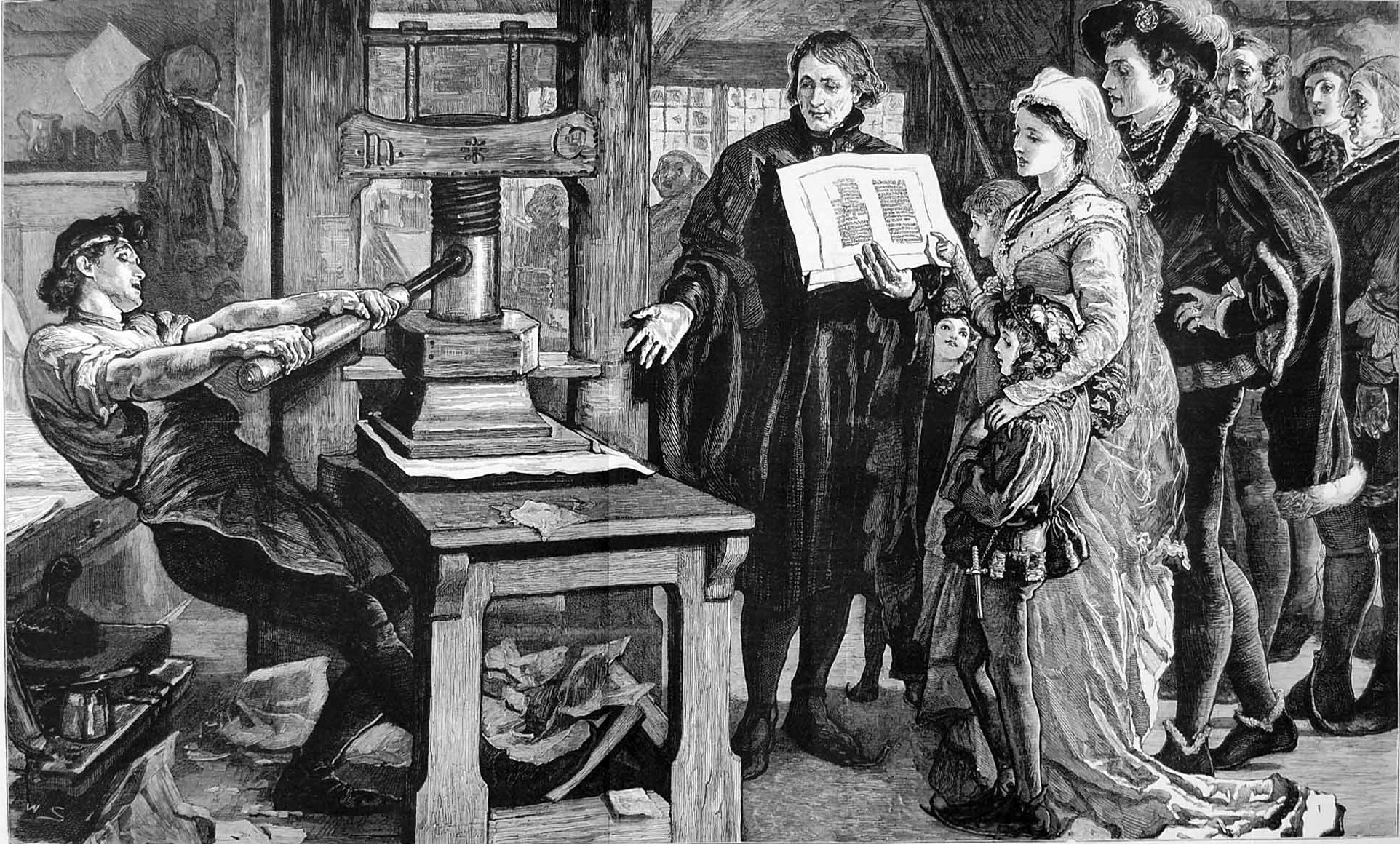
Throughout the 1920s and 1930s, Corbaccio navigated the increasingly complex political landscape of Italy while maintaining its commitment to high-quality literature and historical essays. The publishing house became renowned for its elegant typography and distinctive cover designs, which are now highly sought after by collectors of editorial design. Despite facing strict censorship challenges, Corbaccio managed to introduce generations of Italians to modern classics. The historical archives of the publishing house provide an invaluable window into the cultural tensions, intellectual debates, and typographic artistry of 20th-century Milan.
Visiting the Site: Street View & Modern Geography
Historic Address: Milano, Italy
Sources
- Archivio Storico dell’Editoria Italiana (Fondazione Mondadori)
- Dizionario Biografico degli Italiani (Treccani)
- Catalogo Storico Corbaccio