Opened in 1928 under the banner ‘Unico Prezzo Italiano Milano’, UPIM dismantled nineteenth-century bourgeois retail elitism, pioneering fixed-price mass department stores with soaring glass facades and democratic consumer goods.
In the late 1920s, shopping in an Italian city was an intimidating, bourgeois ordeal. Traditional dry-goods shops (*mercerie*) kept merchandise tucked away behind mahogany counters in closed drawers. Customers had to ask clerks for every bolt of fabric, prices were unstated and subject to arbitrary haggling, and working-class families felt distinctly unwelcome in the luxury emporiums of central Milan and Rome.
Inspired by the explosive success of five-and-dime chain stores like Woolworth’s in the United States and Marks & Spencer in Britain, a consortium connected to the luxury department store La Rinascente took a bold counter-intuitive step. On 9 May 1928, they opened their first popular store in Verona, soon followed by flagships on Corso Buenos Aires and Piazzale Loreto in Milan, incorporating the business as UPIM: an acronym for Unico Prezzo Italiano Milano (Only One Price Italian Milan).
The revolution of the visible price tag
UPIM turned the retail experience inside out. There were no closed counters and no intimidating shop assistants shadowing customers. Instead, broad open-plan sales floors were filled with low timber tables where merchandise lay fully exposed to touch and inspection. Above each table, a prominent enamelled sign stated an immutable, standardized price: 1, 2, 3, or 4 lire.
Working-class mothers, office clerks, and factory apprentices could browse freely, pick up porcelain coffee cups, celluloid combs, cotton socks, or tin toys, compare goods without pressure, and pay with small change at the exit register. UPIM democratized consumption: it transformed shopping from an anxious class interaction into an accessible modern pleasure.
Rationalist architecture and the urban consumer spine
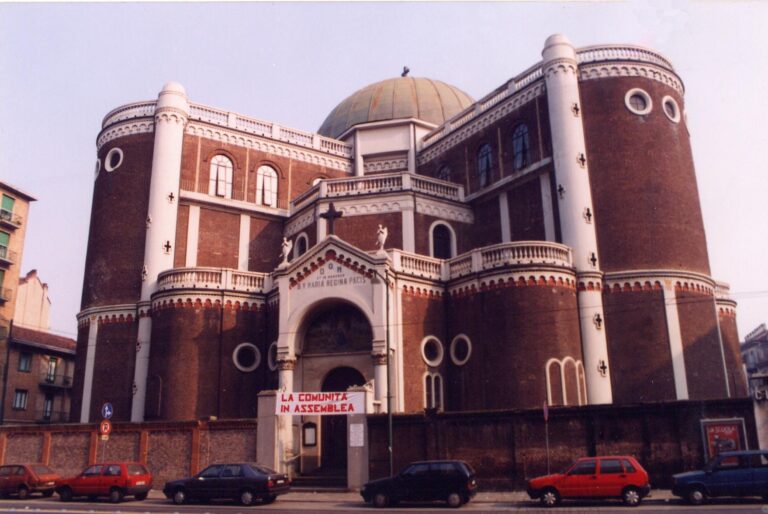
To house these democratic bazaars, UPIM commissioned cutting-edge Rationalist architects. Across Italy—from Milan and Turin to Bologna, Florence, and Bari—UPIM erected modern commercial temples featuring soaring plate-glass curtain walls, polished terrazzo floors, neon illuminated signage, and electric ventilation.
During the economic autarky drive of the 1930s, the chain pivoted to promoting domestic manufacturing: aluminium kitchenware, Italian rayon fabrics, and domestic glassware, becoming the primary pipeline connecting industrial factories directly to the pockets of the urban working class.
The corporate sunset and the modern high street
In the postwar economic boom, UPIM expanded into a nationwide network of over one hundred and fifty department stores, pioneering ready-to-wear clothing lines and modern suburban shopping centres. However, the restructuring of retail in the late twentieth century, fierce competition from hypermarkets, and repeated corporate ownership changes (from Rinascente to Coin) fragmented the historic network.
What remains today
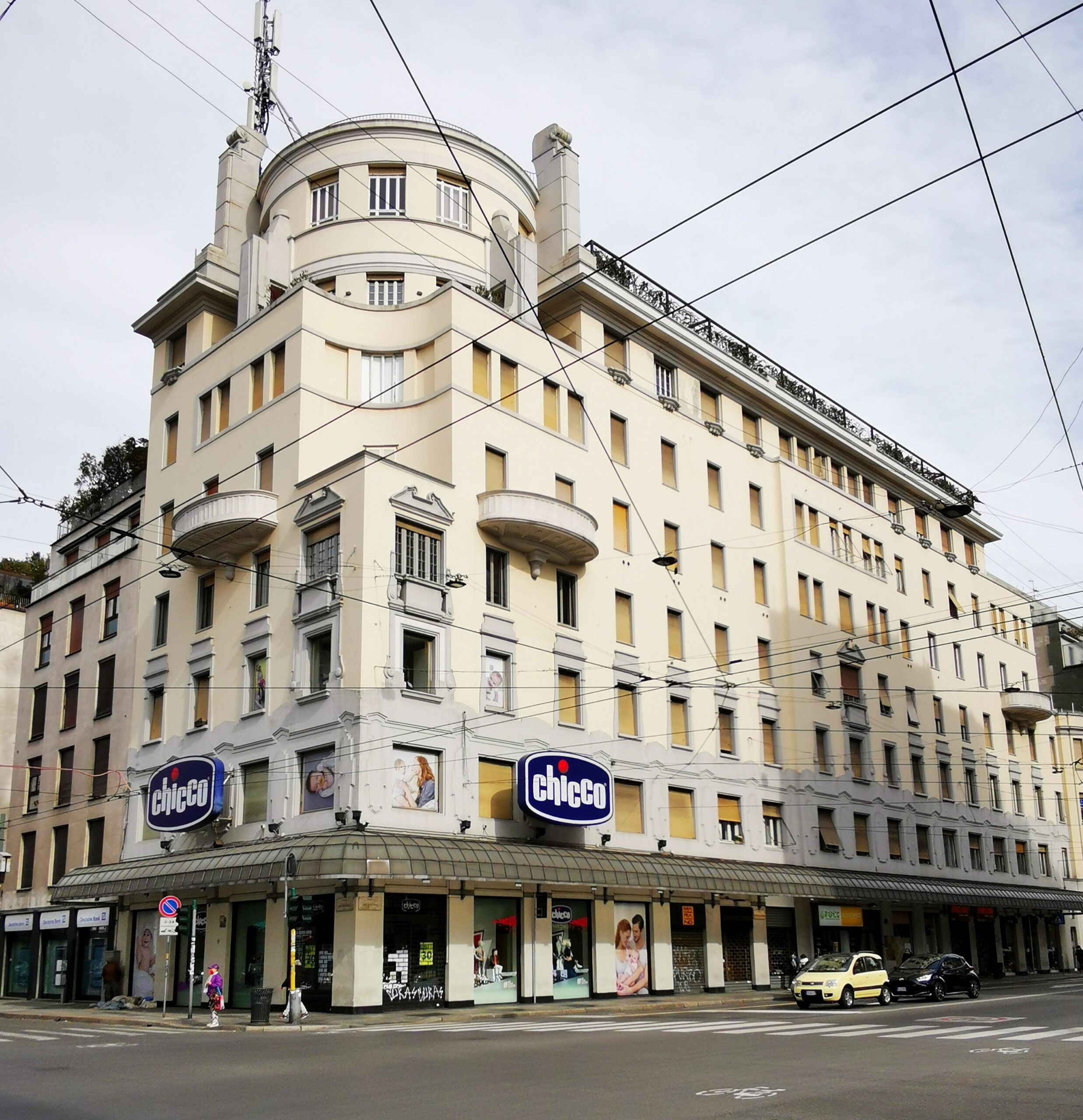
Though the autonomous 1928 corporation has been absorbed into modern retail holdings, the name UPIM remains an indelible part of the collective memory and urban topography of Italian cities. The rationalist buildings erected for UPIM along major commercial arteries like Corso Buenos Aires in Milan still define the streetscape, standing as architectural reminders of the historic moment when fixed price tags and open counters first tore down the class barriers of Italian commerce.
Historic Views & Archives
From the Archives: Historical Newsreels
Ritorna la fiducia: vetrine illuminate, grandi magazzini e commercio moderno
Rare newsreel footage capturing the bustle of Milanese commercial streets: brightly lit shopfronts, department store interiors, and the modernization of urban consumer habits during the 1930s.
Visiting the Site: Street View & Modern Geography
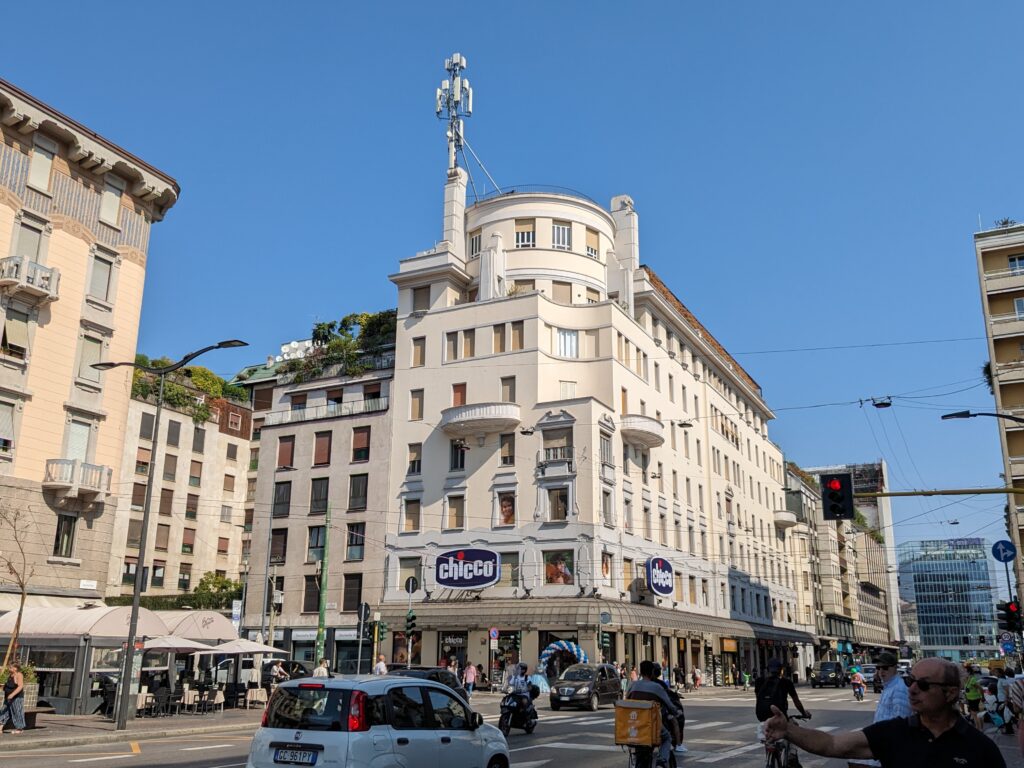
Corso Buenos Aires is Europe’s longest continuous shopping boulevard. At number 21 and the surrounding crossroads, UPIM established monumental multi-storey department stores featuring broad plate-glass display windows, open-plan sales floors, and illuminated escalators.
Historic Address: Corso Buenos Aires 21 & Piazzale Loreto, 20124 Milano, Italy
Sources
- Archivio Storico La Rinascente – UPIM, Fondo Storico Aziendale (1928–1980), Milan
- Dizionario Biografico degli Italiani (Treccani), entry on Cesare Brustio
- Valerio Castronovo, I grandi magazzini in Italia: Da La Rinascente a UPIM, Milan, Franco Angeli, 1988
- Elena Papadia, La Rinascente e l’avvento dei grandi magazzini a prezzo unico, Rome, Carocci, 2005