
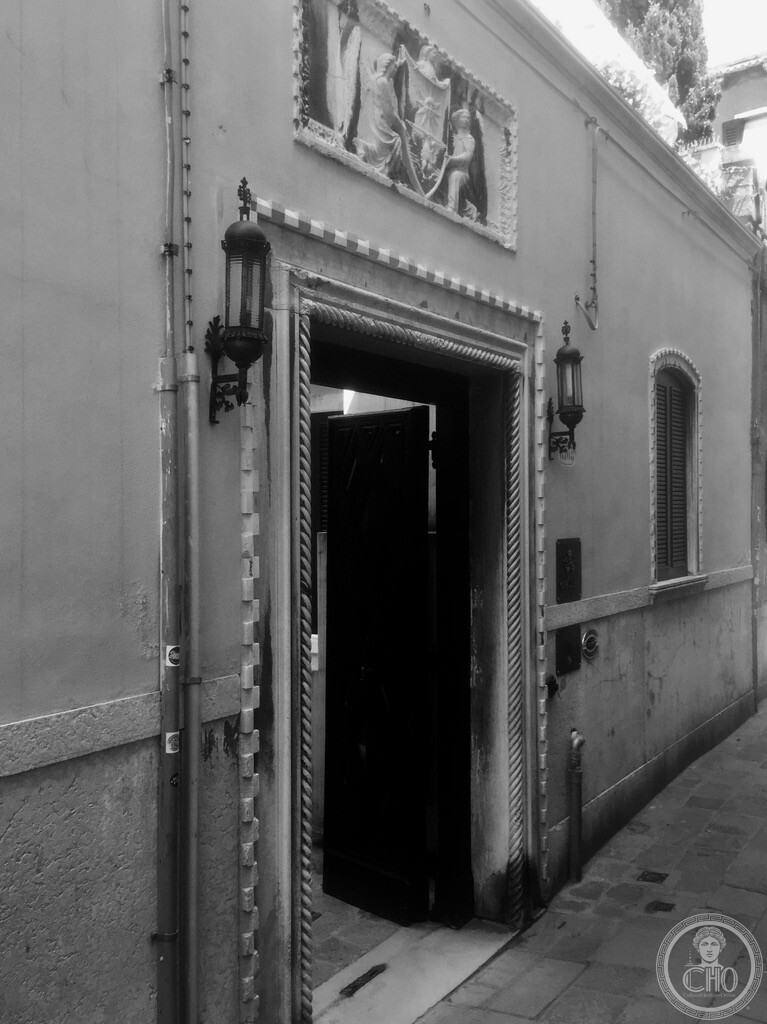
Standing at the intersection of Calle dei Cavalieri and Rio di Santa Marina, Palazzo Valier is an aristocratic 16th-century residence associated with one of the most illustrious dynasties of the Venetian patriciate. Celebrated for its carved Istrian stone portal adorned with Renaissance twisted rope moulding and angel-supported ducal crests, the palace combines grand canal perspectives with an intimate balustraded inner courtyard.
At a glance
- Type
- Patrician palace (palazzo nobiliare con corte interna)
- Period
- Mid-16th century (late Venetian Renaissance)
- Dynasty
- Valier family (produced Doges Bertuccio Valier and Silvestro Valier)
- Location
- Calle dei Cavalieri, Castello 4391, 30122 Venice, Italy
- Coordinates
- 45.43798° N, 12.33984° E
- Current use
- Historic boutique hospitality (Hotel Ai Cavalieri di Venezia)
Overview
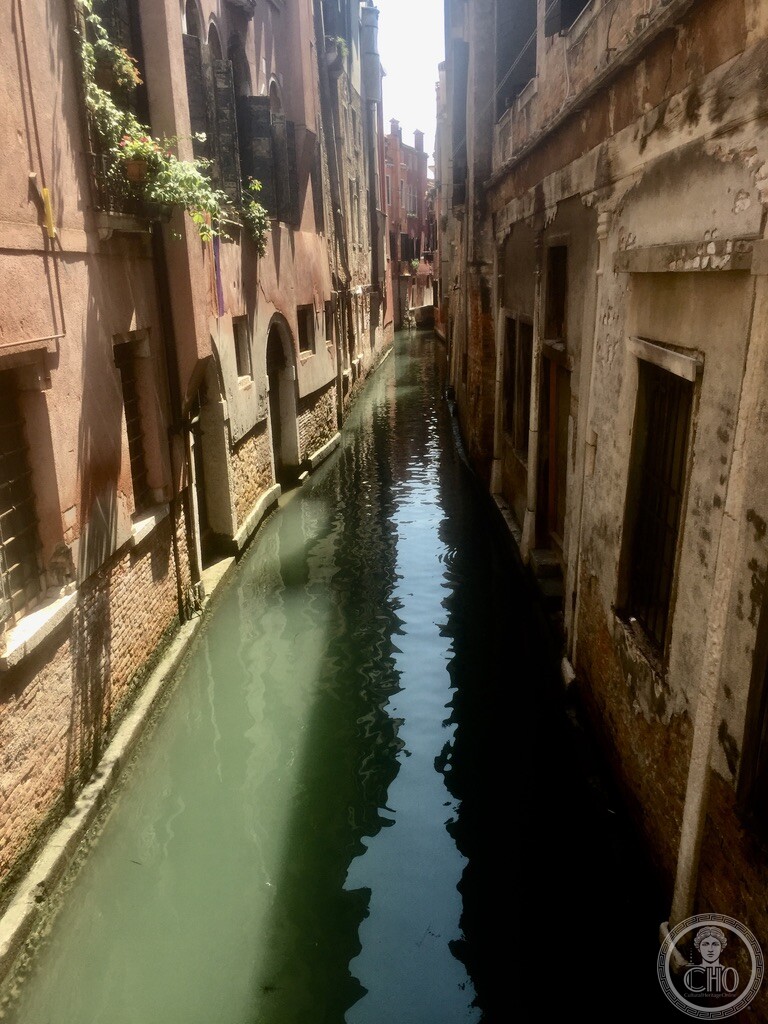
Tucked within the quiet maze of calli between Campo Santa Maria Formosa and Campo Santi Giovanni e Paolo, Palazzo Valier occupies a picturesque corner facing the canal of Rio di Santa Marina. Crossed at this point by the stepped Ponte dei Cavalieri, the waterway offers one of Castello’s most romantic vistas, framed by weathered brick foundations and Gothic multi-light windows that plunge directly into the canal waters.
History & The Ducal Lineage
The Valier were enrolled among the ancient Venetian patrician houses (*case vecchie*), amassing substantial commercial and agricultural fortunes. In the 17th century, the family achieved the supreme magistracy of the Republic twice: Doge Bertuccio Valier (reigned 1656–1658) and his son Doge Silvestro Valier (reigned 1694–1700), whose colossal joint baroque funerary monument dominates the south nave of the nearby Basilica dei Santi Giovanni e Paolo.
Their Castello residence was erected in the mid-16th century, reflecting the transitional taste between Venetian Gothic domestic traditions and classical Renaissance symmetry. The pedestrian portal on Calle dei Cavalieri is a masterpiece of Istrian stonework: its jambs and architrave are carved with an unbroken spiral cable or rope moulding (torciglione), a decorative motif rooted in Venetian Byzantine and late Gothic stonemasonry. Centered above the doorway, a rectangular sculpted marble plaque displays two winged angels supporting the Valier family coat of arms beneath a ducal bonnet.
What you see
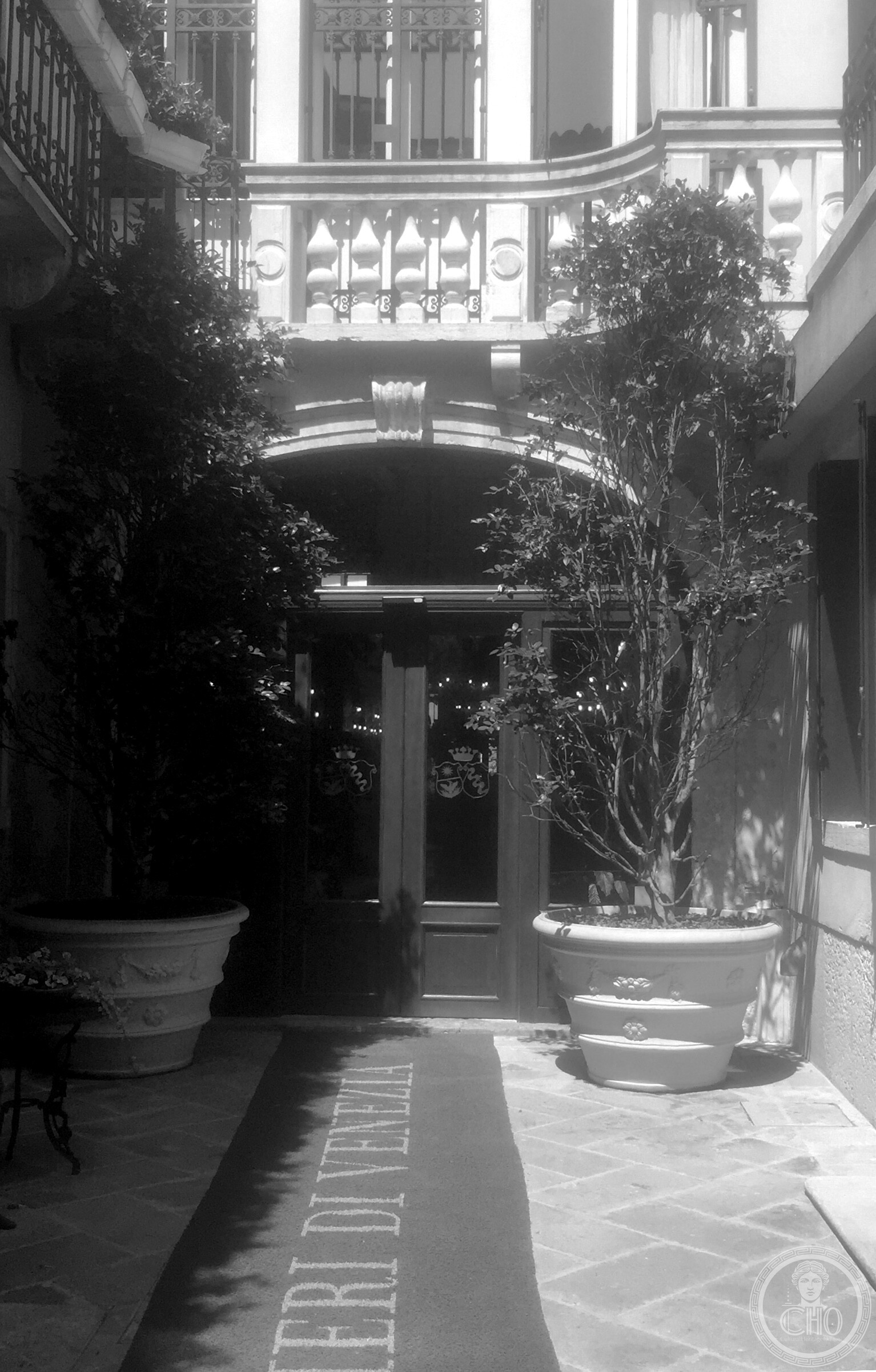
The entrance portal leads into a secluded inner courtyard featuring classical stone paving, large terracotta planters with manicured bay laurel trees, and an elevated stone loggia supported by Tuscan pillars and framed by classical balusters. Looking outward from Ponte dei Cavalieri, the palace’s water frontage presents stone water-gates and tall shuttered windows reflecting into the quiet Rio di Santa Marina.
Practical information
- Access
- Exterior portal and canal views accessible freely from Calle dei Cavalieri and Ponte dei Cavalieri; inner court and salons preserved as part of Hotel Ai Cavalieri di Venezia.
- Canal
- Overlooking Rio di Santa Marina and Rio dei Miracoli
Nearby
- Campo Santi Giovanni e Paolo — 180 m northeast
- Pasticceria Rosa Salva — 170 m northeast
- Teatro Malibran — 180 m west
Getting there
Take vaporetto line 1 or 2 to the Rialto stop. From Rialto, walk east through Salizada San Lio and Campo Santa Marina, crossing Ponte dei Cavalieri into Calle dei Cavalieri (approx. 5 minutes). From the north, walk south from the Ospedale vaporetto landing (approx. 6 minutes).
Sources & resources
- Castello, Venice — Wikipedia
- Campo Santi Giovanni e Paolo — Cultural Heritage Online
- Cultural Heritage Online — Venetian Patrician Architecture
Photo gallery
Photographs contributed by a Cultural Heritage Online member.
Find it on the map
See this place and what’s around it →Record researched and written by Carla Szathvary for Cultural Heritage Online, 2026.
📷 Become a Cultural Heritage Online photographer
Share your photos of places: they stay published under your name as the author. The more they're seen, the more you get noticed — and soon a contest will reward the most appreciated photos.
Log in or sign up free to add a photoIs this page about you?
This page is read by travellers and heritage enthusiasts who find it on Google. Tell us how you are connected to this place and we will take it from there.