
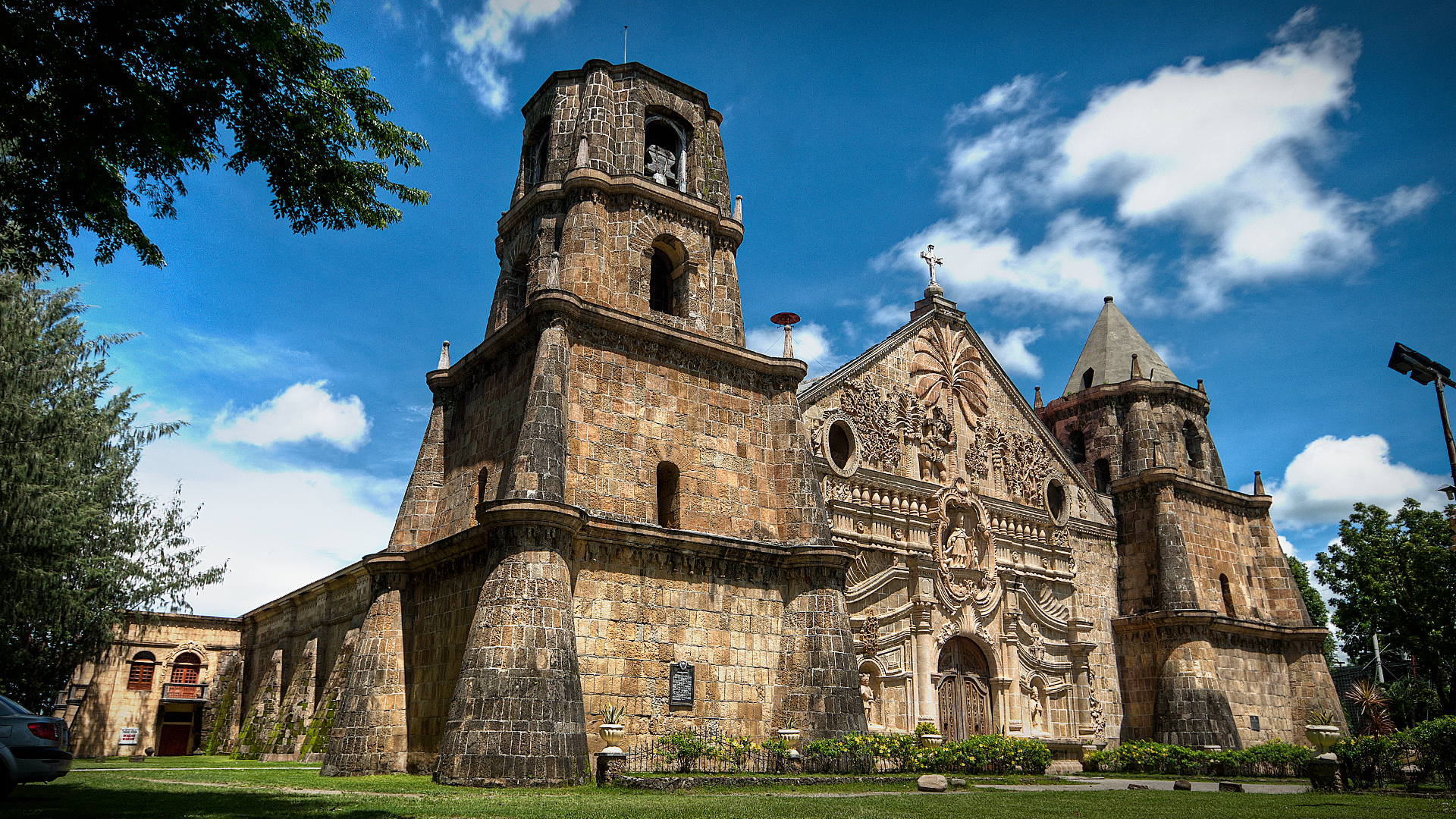
Four exceptionally preserved Spanish Colonial baroque churches represent a pinnacle of religious architecture in the Asia-Pacific region and stand as testament to centuries of Philippine cultural heritage.
At a glance
This UNESCO World Heritage ensemble comprises four distinct baroque churches constructed during Spain’s three centuries of colonial rule. Each structure reflects the sophisticated adaptation of European baroque aesthetics to Philippine materials, climate, and local building traditions. Together they form one of Asia’s most significant collections of colonial religious architecture.
History
Built during the Spanish Colonial period, these four churches represent the enduring influence of Catholic missionary efforts across the Philippine archipelago. Their construction spans several centuries, documenting the evolution of baroque style as it took root in Southeast Asian soil. The churches survived earthquakes, typhoons, and centuries of change—a testament to their structural integrity and cultural resilience.
What you see
The four churches display characteristic baroque elements: ornate façades, bell towers, and interior decorative schemes adapted to local conditions. Stone construction, intricate carved details, and spatial organization reflect both European design principles and Filipino craftsmanship. Each building demonstrates how colonial architects responded to tropical climate and available materials.
Cultural significance
These churches rank among the Philippines’ most treasured cultural monuments. Recognized by UNESCO in 1993, they embody the country’s complex colonial heritage and the fusion of Spanish Catholic tradition with indigenous Philippine culture. They remain active centers of worship and pilgrimage, bridging centuries of faith and community identity.
Key facts
- Country: Philippines
- UNESCO World Heritage Site: Inscribed 1993
- Composition: Four baroque churches
- Period: Spanish Colonial era
- Coordinates: 10.64191°N, 122.23549°E
Practical information & getting there
The four churches are distributed across different locations in the Philippines. Each remains an active parish church welcoming visitors. Local tourism offices provide detailed information on visiting hours, accessibility, and guided tours. Check regional tourism websites for current conditions and any religious observances that might affect visiting times.
Sources & resources
Find it on the map
See this place and what’s around it →📷 Diventa un fotografo di Cultural Heritage Online
Condividi le tue foto dei luoghi: restano pubblicate con la tua firma come autore. Più vengono viste, più ti fai conoscere — e presto un concorso premierà le foto più apprezzate.
Accedi o registrati gratis per aggiungere una fotoDo you manage this place?
This page is read by travellers and heritage enthusiasts who find it on Google. Keep it accurate — and make it work for you. Free for non-profit heritage institutions.