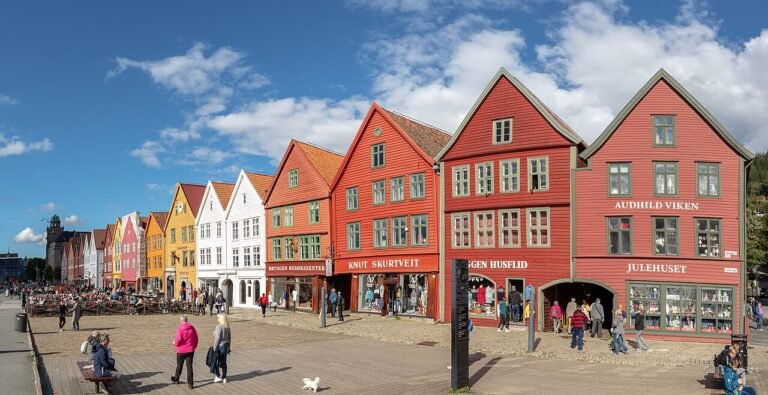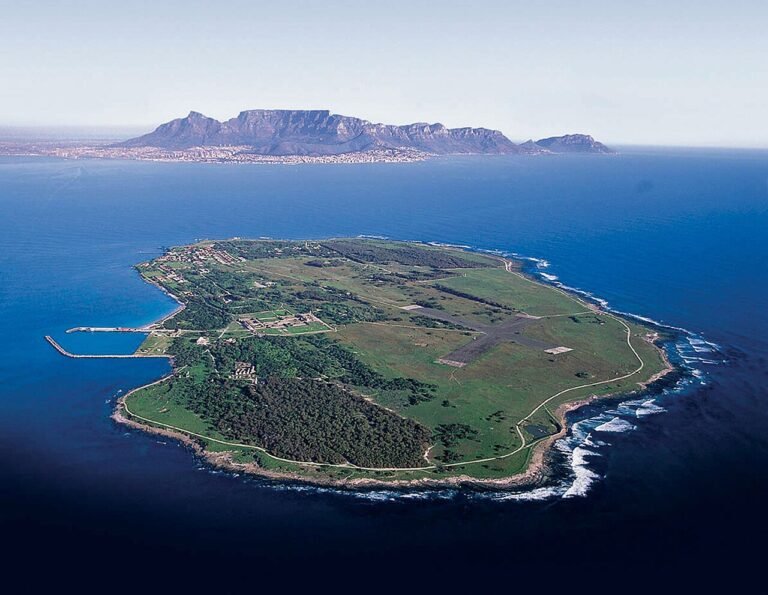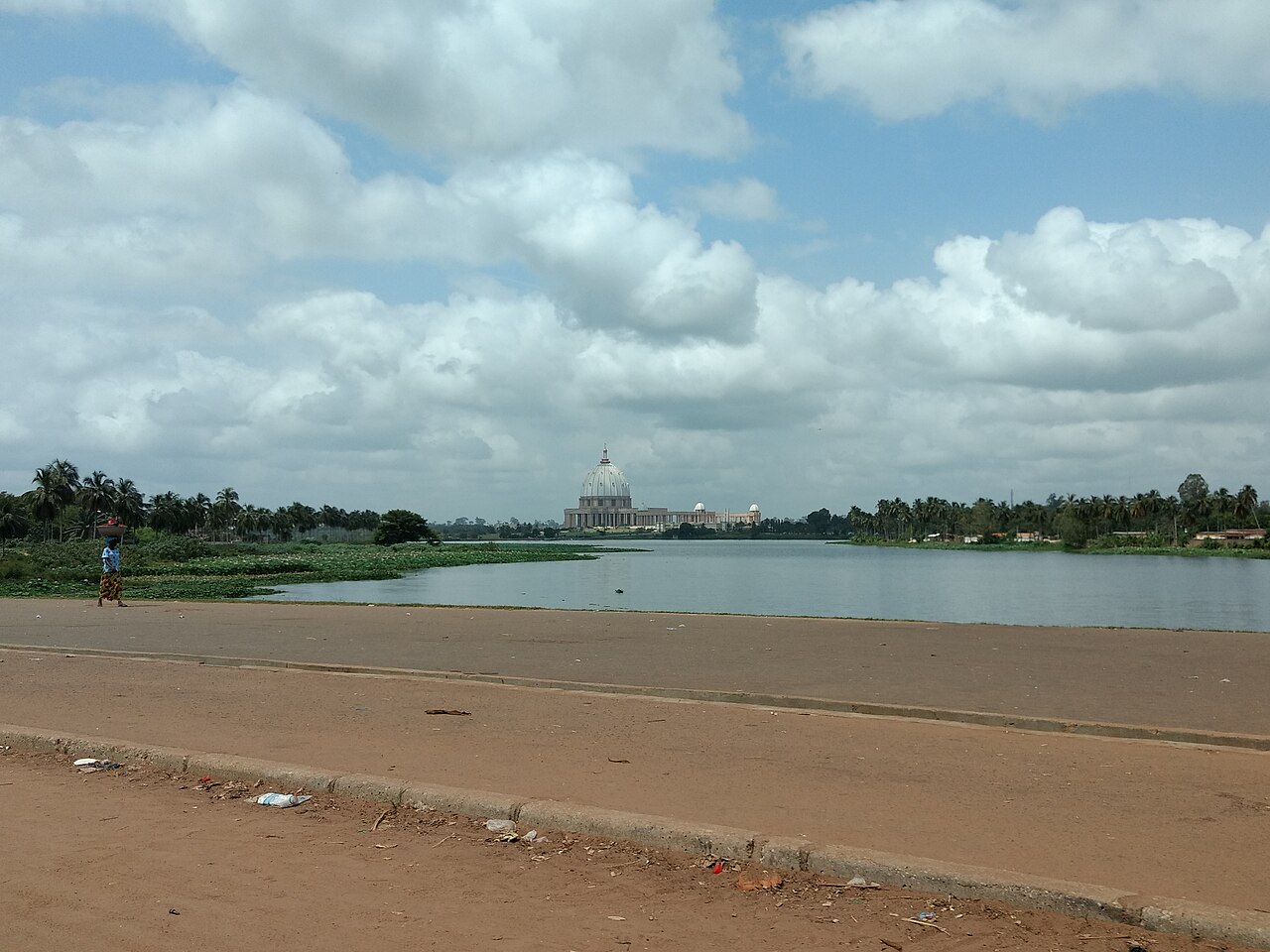
Côte d’Ivoire has four UNESCO World Heritage Sites inscribed across a range of ecosystems and historical periods. From the administrative capital Yamoussoukro, the three inscribed sites offer a cross-section of West African natural heritage: Comoé National Park to the northeast, Taï National Park to the southwest, and the Historic Town of Grand-Bassam to the southeast. From Cultural Heritage Online.
Comoé National Park 500 km northeast of Yamoussoukro — 6-7 hr by road
Comoé National Park, inscribed as a UNESCO World Heritage Site in 1983 and placed on the Danger List from 2003 to 2017, covers approximately 11,500 square kilometres along the Comoé River in northeastern Côte d’Ivoire. The park’s outstanding universal value rests on an exceptional diversity of plant associations — from savanna and gallery forest along the river to dense forest patches that represent the northernmost extent of Guinea forest in West Africa — supporting correspondingly diverse fauna. Chimpanzees, hippopotamuses, lions, leopards, elephants, buffaloes, and 11 primate species have been recorded within the park boundaries.
The park was removed from the Danger List in 2017 after the government and international conservation partners demonstrated sufficient recovery of wildlife populations following the poaching and civil-war-related security breakdown of the 2000s. A management plan is in place and ranger presence has been restored. The park is remote and access requires a four-wheel-drive vehicle; accommodation is limited to park lodges at the entry points. The best wildlife viewing occurs in the dry season (December–March), when animals concentrate around the Comoé River.
Taï National Park 450 km southwest — 6-7 hr by road
Taï National Park, inscribed in 1982, covers approximately 5,400 square kilometres of primary tropical rainforest in the southwestern corner of Côte d’Ivoire, on the border with Liberia. It is one of the last large areas of Upper Guinea rainforest in West Africa — a globally recognised biodiversity hotspot with extremely high levels of plant endemism and one of the largest remaining populations of West African chimpanzees (Pan troglodytes verus), a subspecies listed as Endangered by the IUCN with a total wild population estimated at fewer than 65,000 individuals.
The Taï chimpanzees were the subject of pioneering primatological research by Christophe Boesch and colleagues beginning in the 1970s, which documented tool use (nut-cracking with stones), cultural transmission, and cooperative hunting in wild chimpanzee communities for the first time. The park also supports pygmy hippopotamuses, forest elephants, and one of the highest densities of endemic bird species in West Africa.
Historic Town of Grand-Bassam 250 km southeast — 3 hr by road via Abidjan
The Historic Town of Grand-Bassam was the first capital of colonial Côte d’Ivoire under French administration from 1893 to 1896, when yellow fever prompted the transfer of the colonial capital to Bingerville (and subsequently to Abidjan). Inscribed in 2012, the site contains a complete colonial urban ensemble of late nineteenth- and early twentieth-century French West African architecture: administrative buildings, a courthouse, a prison, commercial warehouses, residences, and the European and African residential quarters, laid out along the lagoon and beach of the Ébrié Lagoon system approximately 40 km east of Abidjan.
Getting there from Yamoussoukro: Road connections exist to all three sites via the national highway network. Grand-Bassam is most accessible (3 hr via Abidjan), Comoé and Taï require planning and a 4WD vehicle. Allow: 1 day for Grand-Bassam; 2–3 days minimum for Comoé or Taï. Best for: Wildlife; colonial history; tropical ecology.
Frequently Asked Questions
How many UNESCO World Heritage Sites does Côte d’Ivoire have?
Four: Mount Nimba Strict Nature Reserve (shared with Guinea, inscribed 1981/1982), Taï National Park (1982), Comoé National Park (1983, on Danger List 2003–2017), and the Historic Town of Grand-Bassam (2012). The country has a diverse heritage portfolio covering tropical rainforest, savanna, and colonial-era urban fabric.
What is Grand-Bassam known for historically?
Grand-Bassam was the first colonial capital of Côte d’Ivoire under French administration (1893–1896). It was abandoned as the administrative centre following repeated outbreaks of yellow fever that decimated the European colonial staff. The town retains an unusually complete ensemble of late nineteenth and early twentieth century French colonial architecture, divided between the administrative “European quarter” and the commercial/residential “African quarter,” laid out along the Ébrié Lagoon beachfront.
Why are Taï chimpanzees scientifically significant?
Research at Taï National Park beginning in the 1970s documented for the first time that wild chimpanzees engage in systematic tool use (cracking nuts with stone hammers and anvils), cultural transmission of behaviours between generations, and cooperative group hunting. These observations were pivotal in redefining the assumed boundary between human and non-human primate cognition. The Taï chimpanzee population is also one of the largest remaining populations of the Western chimpanzee subspecies (Pan troglodytes verus), listed as Endangered.
Is Comoé National Park safe to visit?
Comoé National Park was removed from the UNESCO Danger List in 2017 following security improvements and wildlife population recovery after the instability of the 2002–2011 Ivorian civil conflict period. Visitor access requires park management approval, a four-wheel-drive vehicle, and a local guide. Travellers should check current safety advisories for the region, as security conditions in Côte d’Ivoire’s northern and eastern areas can change.
Sources
- S1 — Kipré, Pierre. Villes de Côte d'Ivoire: 1893-1940. Nouvelles Éditions Africaines, 1985. ISBN 978-2-7236-0744-5.
- S2 — Reader, John. Africa: A Biography of the Continent. Alfred A. Knopf, 1998. ISBN 978-0-679-40979-3.
Spotted an error? Write to editorial@culturalheritageonline.com and we correct it the same day.