Tuvalu has no UNESCO World Heritage Sites. The nation of nine coral atolls in the central Pacific is better known as one of the world’s most climate-vulnerable countries than as a heritage destination — but the Funafuti Conservation Area, established in 1996, protects a significant portion of the lagoon’s biodiversity, and Tuvalu itself has become an involuntary symbol of a global heritage under threat. From Cultural Heritage Online.
Funafuti Conservation Area In the lagoon — accessible by local boat from Funafuti town
The Funafuti Conservation Area covers approximately 33 square kilometres of the western portion of Funafuti lagoon and its adjacent reef, established in 1996 under Tuvaluan customary land management. The area is closed to fishing and contains some of the most intact coral reef and seagrass habitats in Tuvalu, as well as nesting sites for green sea turtles and a variety of reef fish. Dolphin populations move through the lagoon seasonally. The conservation area is managed by the local community under traditional land and sea tenure arrangements rather than by government enforcement alone.
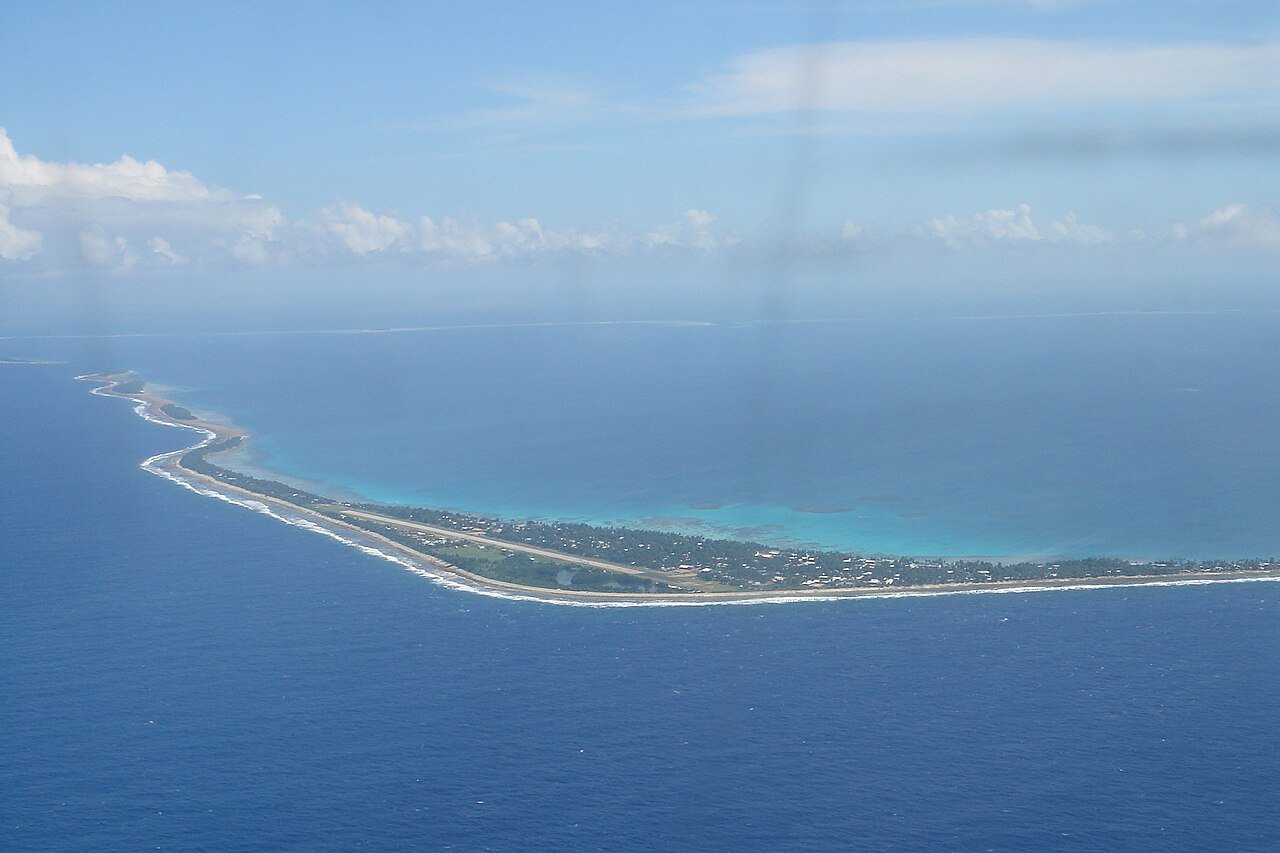
The Funafuti atoll itself is a microcosm of the climate heritage crisis facing low-lying Pacific nations. The highest point of land on the main islet of Fongafale is approximately 3 metres above sea level; most of the inhabited area is 1–2 metres above high tide. King tides — extreme high tides that occur several times annually — now regularly flood roads and homes in Funafuti town, a phenomenon unknown fifty years ago. The IPCC projects that Tuvalu could experience several significant high-tide flooding events annually by mid-century, making permanent habitation of the islands increasingly difficult. In 2023, Tuvalu signed an agreement with Australia under which Tuvaluans can migrate to Australia and maintain Tuvaluan citizenship, acknowledging the long-term likelihood of national climate displacement.
The cultural practices of Tuvalu — including the fatele dance tradition, canoe-building knowledge, navigation skills, and the oral histories preserved in each atoll community — constitute a form of intangible heritage that UNESCO categories recognise but that has not been formally inscribed. Several organisations have documented Tuvaluan intangible heritage as a preservation measure against the eventuality of climate displacement.
Getting there: Tuvalu is served by Fiji Airways from Suva (approximately 3 hours). A single runway serves the country on Fongafale islet; the main road doubles as the runway apron. Local boats serve the conservation area. Allow: 2–3 days minimum to see the conservation area; the capital covers the main islet. Best for: Pacific island culture and climate heritage visitors; conservationists and researchers.
Frequently Asked Questions
Does Tuvalu have any UNESCO World Heritage Sites?
No. Tuvalu has no inscribed UNESCO World Heritage Sites as of 2026. The Funafuti Conservation Area is a locally managed marine protected area but not a UNESCO site. Tuvalu has not submitted a Tentative List for inscription.
How high above sea level is Tuvalu?
Tuvalu is one of the lowest-lying countries in the world. The highest point of land on the main island of Fongafale (Funafuti) is approximately 3 metres above sea level; the majority of inhabited land is 1–2 metres above the high-tide mark. King tides and storm surges regularly flood roads and homes. The entire country consists of nine coral atolls with a total land area of approximately 26 square kilometres.
What is the fatele and why is it culturally significant?
The fatele is the traditional Tuvaluan song and dance form, performed communally by men and women on festive occasions and for important visitors. It involves seated singers accompanied by standing dancers who perform increasingly energetic movements, with community members joining the performance progressively. The fatele is considered a core expression of Tuvaluan identity and cultural continuity; its documentation and preservation has been a focus of UNESCO’s intangible heritage programmes in the Pacific in view of the potential climate displacement of the Tuvaluan population.
What is the Australia-Tuvalu agreement on climate migration?
In November 2023, Australia and Tuvalu signed the Falepili Union, an agreement granting Tuvaluans the right to live, study, and work in Australia. In exchange, Australia receives preferential consideration for any future security agreements Tuvalu may enter. The agreement acknowledges the long-term threat of climate change to Tuvalu’s habitability and represents one of the first formal arrangements for climate-related national relocation in international law. Tuvalu maintains that it will continue to assert its statehood and sea boundaries even if the land is no longer habitable.
Sources
- S1 — Kirch, Patrick Vinton. On the Road of the Winds: An Archaeological History of the Pacific Islands. University of California Press, 2000. ISBN 978-0-520-22347-9.
- S2 — Lal, Brij V., and Kate Fortune, eds. The Pacific Islands: An Encyclopedia. University of Hawaii Press, 2000. ISBN 978-0-8248-2265-1.
Spotted an error? Write to editorial@culturalheritageonline.com and we correct it the same day.