The Republic of Congo holds one UNESCO World Heritage Site — the Sangha Trinational, a vast trans-boundary forest shared with Cameroon and the Central African Republic, lying some 900 kilometres north of Brazzaville in the depths of the Congo Basin. For travellers based in the capital, reaching it requires a domestic flight and genuine commitment, but the reward is access to one of the last truly intact lowland tropical forests on Earth. From Cultural Heritage Online.
Sangha Trinational ~900 km north — domestic flight to Ouesso (~2 hrs) + overland transfer
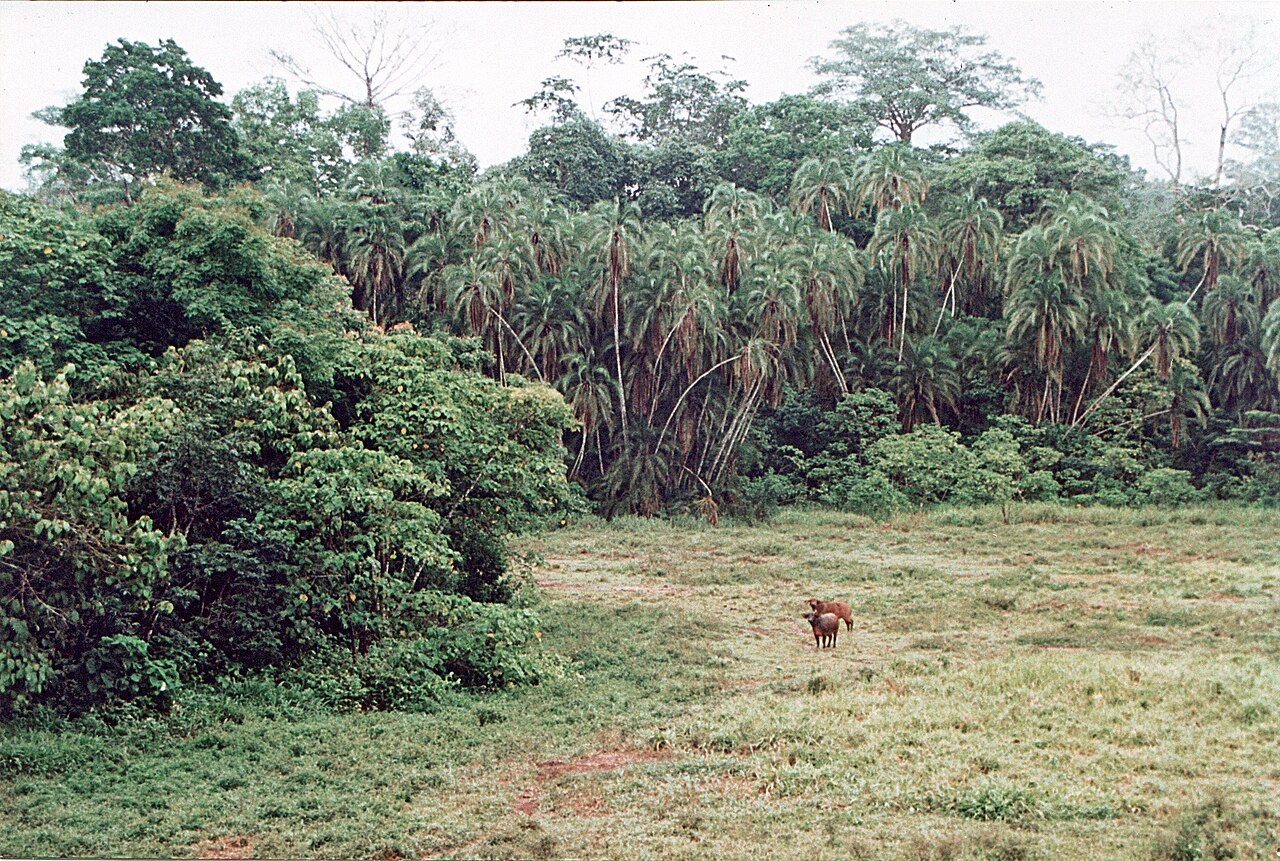
Inscribed in 2012, the Sangha Trinational covers approximately 750,000 hectares of lowland humid tropical forest straddling the borders of three countries: the Republic of Congo (the Nouabalé-Ndoki National Park sector), Cameroon (the Lobéké National Park sector), and the Central African Republic (the Dzanga-Ndoki National Park and Dzanga-Sangha Special Reserve sector). The site was recognised as a serial trans-boundary property precisely because its ecological value cannot be contained within a single national boundary — the forest, the rivers, and the wildlife that define it move without regard for political lines drawn through the canopy.
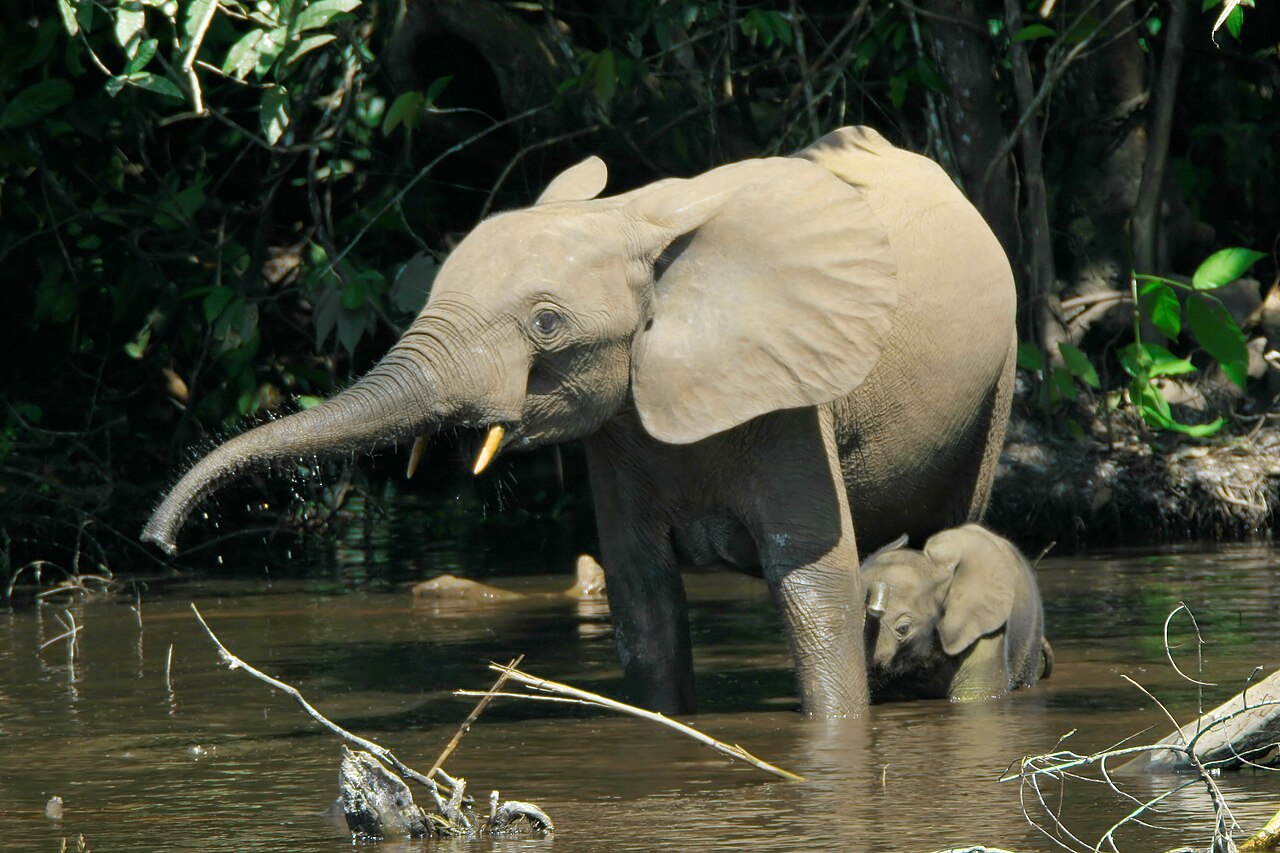
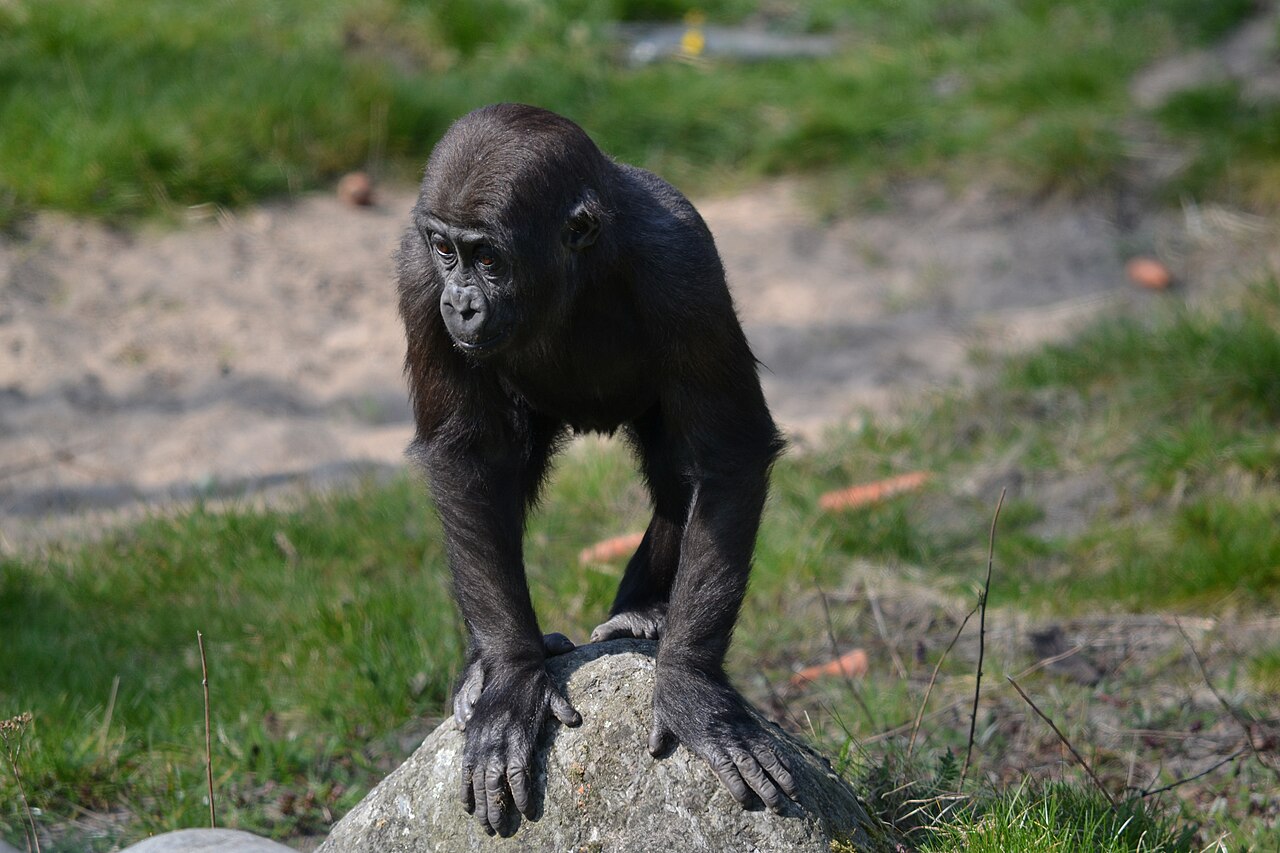
The Sangha River, a significant tributary of the Congo, runs through the heart of the tri-national area and supports exceptional aquatic diversity alongside the terrestrial richness of the surrounding forest. The landscape is one of the few remaining strongholds for the western lowland gorilla (Gorilla gorilla gorilla), the forest elephant (Loxodonta cyclotis), the central chimpanzee, the bongo antelope, the giant pangolin, and the dwarf crocodile. Within the Central African Republic section, the Bai Hokou forest clearing is considered one of the finest places in the world to observe western lowland gorillas at close range in undisturbed behaviour — researchers and wildlife guides have worked for years to habituate specific family groups, making prolonged observation possible without disturbing normal social activity.
The forests are home to the Baka and related forest-dependent peoples who have lived in and managed this landscape for generations. Their ecological knowledge is woven into the conservation frameworks of all three national parks. Since inscription, the site has attracted collaborative management between the three countries and international partners, though the remoteness that protects its biodiversity also makes governance challenging. Access from the Republic of Congo side is centred on Ouesso, the northern river town that serves as the gateway to Nouabalé-Ndoki. From Ouesso, boat travel along the Sangha River or overland tracks lead into the park, though conditions vary by season and logistics require advance coordination with park authorities or specialist operators.
Getting there: Fly from Maya-Maya International Airport (BZV), Brazzaville, to Ouesso (OUE) on domestic carriers; flight time is approximately two hours. From Ouesso, coordinate in advance with Nouabalé-Ndoki National Park (managed by the Wildlife Conservation Society in partnership with the Republic of Congo government) for permits and guided transfer into the park. The Central African Republic’s Bai Hokou sector — prime gorilla viewing — requires entry via Bangui or the town of Bayanga, which involves separate travel logistics. Allow: A minimum of five days to justify the journey; seven to ten days for a meaningful wildlife experience. Best for: Dedicated wildlife travellers, primatologists, conservation professionals, and serious ecotourists who can plan well in advance and travel in small, flexible groups.
Frequently Asked Questions
How many UNESCO World Heritage Sites are near Brazzaville?
The Republic of Congo has one UNESCO World Heritage Site: the Sangha Trinational, inscribed in 2012. It lies approximately 900 kilometres north of Brazzaville in the far north of the country, near the town of Ouesso. There are no UNESCO sites in the southern or central regions of the country. Visitors based in Brazzaville should expect a domestic flight followed by overland or river travel to reach it.
How do I get from Brazzaville to the Sangha Trinational?
The standard route is a domestic flight from Brazzaville’s Maya-Maya International Airport (BZV) to Ouesso (OUE), which takes roughly two hours. From Ouesso, access to the Nouabalé-Ndoki sector of the park requires permits and guided transport arranged in advance with the park authority or a specialist operator. The Bai Hokou sector in the Central African Republic, known for gorilla habituation, is accessed separately via Bayanga in the CAR.
What is the best season to visit the Sangha Trinational from Brazzaville?
The dry season, broadly from December to February and again from June to August, offers more navigable tracks and river conditions. The long rains (September to November) can make overland access extremely difficult. Wildlife, including gorillas and forest elephants, is present year-round, but guided wildlife encounters near bais (forest clearings) tend to be most reliable in the drier months when animals congregate around water sources more predictably.
Who lives in and around the Sangha Trinational forests?
The Baka people and related forest-dependent communities have inhabited these forests for generations, maintaining traditional ecological knowledge that informs contemporary conservation management across all three countries. The Dzanga-Sangha area in the Central African Republic in particular has a long history of co-management between indigenous communities, national park authorities, and international conservation organisations. This human dimension was a factor in the UNESCO inscription, which recognises the forests as cultural as well as natural landscapes.
Sources
- S1 — Vansina, Jan. Paths in the Rainforests. University of Wisconsin Press, 1990. ISBN 978-0-299-12574-5.
- S2 — Reader, John. Africa: A Biography of the Continent. Alfred A. Knopf, 1998. ISBN 978-0-679-40979-3.
Spotted an error? Write to editorial@culturalheritageonline.com and we correct it the same day.