Gabon holds one UNESCO World Heritage Site accessible from Libreville: the Ecosystem and Relict Cultural Landscape of Lopé-Okanda, a 5,000 sq km park where Iron Age rock engravings and the largest mandrill concentrations on Earth share the same forested ridges. The Trans-Gabon Railway places this extraordinary mixed inscription within reach of any visitor without a four-wheel drive. From Cultural Heritage Online.
Ecosystem and Relict Cultural Landscape of Lopé-Okanda 350 km SE — 6 hr by train or 4.5 hr by road
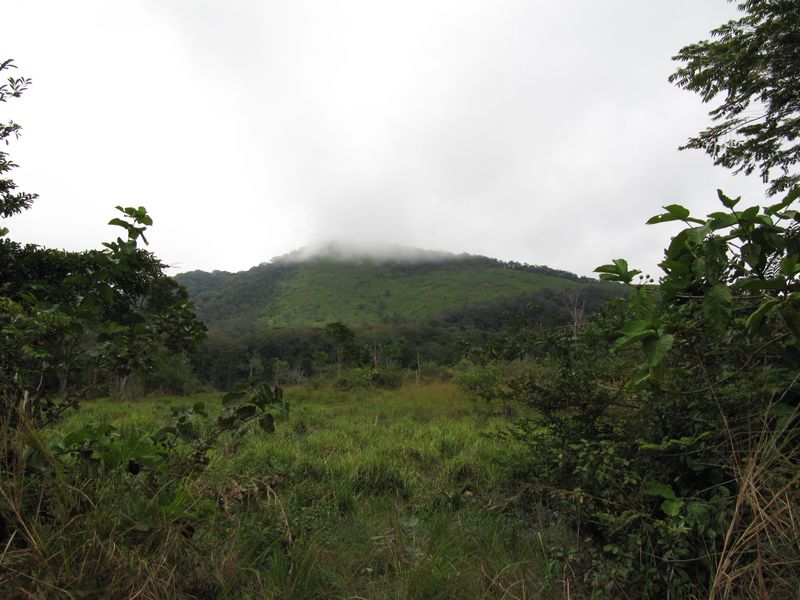
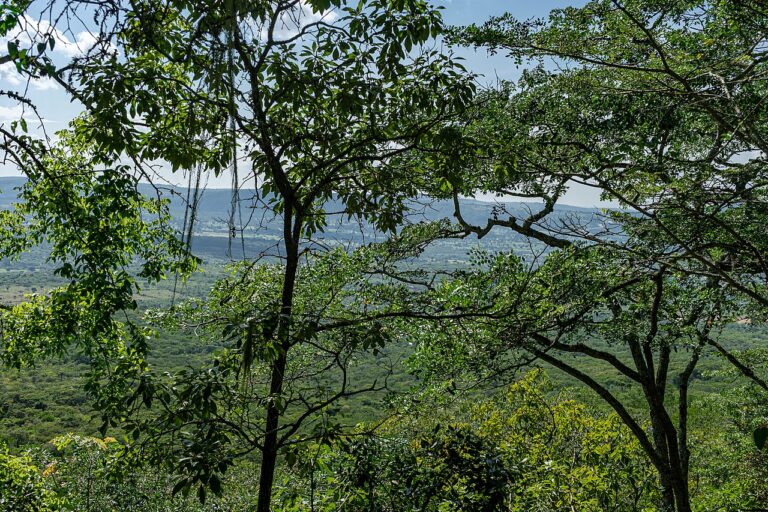
Inscribed in 2007 as a mixed natural and cultural site, Lopé-Okanda occupies a zone where the great equatorial rainforest of Central Africa meets an ancient island of savanna — a relict landscape that survived the Last Glacial Maximum when forest retreated across the continent. The park spans the Ogooué River valley southeast of Libreville, and its ecological range is exceptional: gallery forest, dense canopy, open grassland, and riparian corridors support a community of species rarely found in such proximity anywhere in Africa. The Ogooué itself ranks among the major freshwater biodiversity corridors of Central Africa, sustaining hippopotamus populations and a diversity of endemic fish.
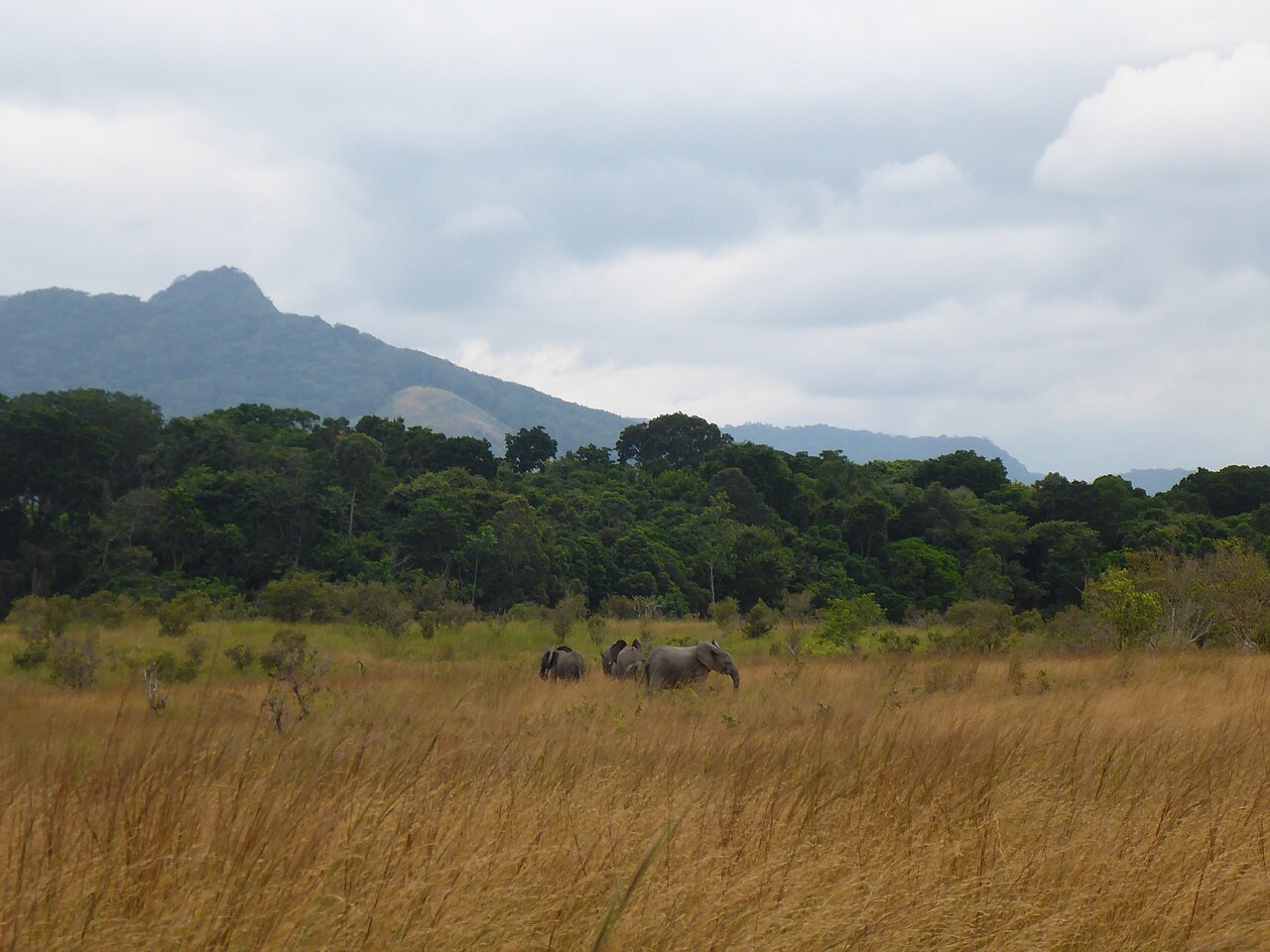
The park’s wildlife credentials are formidable. Western lowland gorillas (Gorilla gorilla gorilla) move through the forest understorey, while forest elephants — a distinct and smaller species from their savanna counterparts — are regularly seen crossing the open grasslands. Lopé holds what are considered the largest concentrations of mandrills in the world: troops of several hundred animals have been documented here. Chimpanzees, buffalo, and an extensive birdlist round out a fauna assemblage that places this park among the most significant in Central Africa.
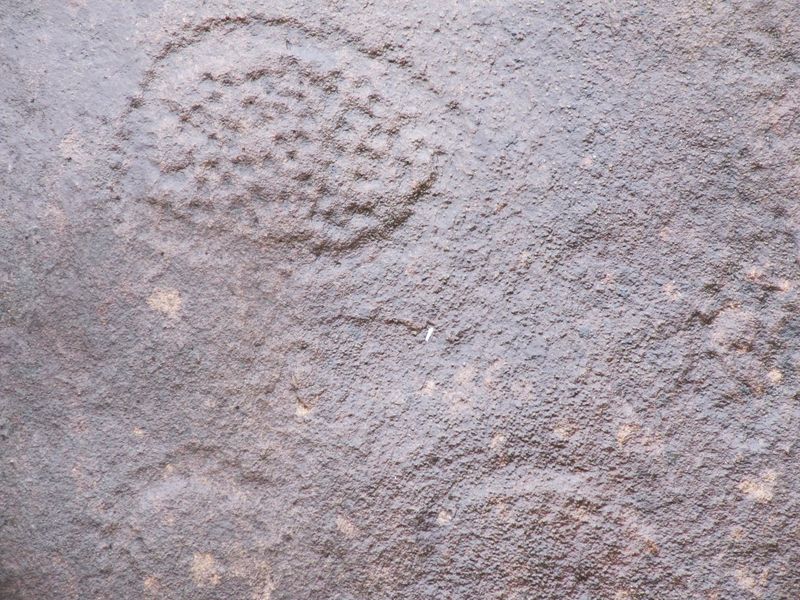
The cultural dimension of the inscription is equally striking. The northern section of the park preserves approximately 1,800 documented rock engravings on exposed outcrops, dating from around 400 BC through the Iron Age. These petroglyphs represent the only substantial pre-Iron Age cultural record from the dense equatorial forest zone of Central Africa — a region where organic materials rarely survive the humidity long enough to enter the archaeological record. The engravings include geometric motifs and zoomorphic forms, and their significance was recognised precisely because they fill a chronological gap that exists almost nowhere else in the region.
Access is straightforward by Central African standards. The Trans-Gabon Railway runs from Libreville’s Owendo terminus to Lopé station, stopping at the park’s research station after roughly six hours. No four-wheel drive is required for arrival. Accommodation within the park boundary is available at the Lopé Hotel, now managed by the park authority, which gives guests direct access to guided wildlife walks and the engraving sites without the need to organise independent logistics. Independent visitors who drive the N1 highway reach the park in approximately 4.5 hours.
Getting there: Trans-Gabon Railway from Owendo (Libreville) to Lopé station, approximately 6 hours; or N1 highway, approximately 4.5 hours by private vehicle or shared taxi to Lopé town. Allow: Minimum 2 nights to visit both the wildlife areas and the rock engraving sites; 3-4 nights for a fuller experience. Best for: Wildlife and ecology travellers, archaeological and heritage tourists, and anyone seeking an accessible Central African wilderness without requiring specialist expedition equipment.
Frequently Asked Questions
How many UNESCO World Heritage Sites are near Libreville?
Gabon has two UNESCO World Heritage Sites in total. One is accessible from Libreville: the Ecosystem and Relict Cultural Landscape of Lopé-Okanda, located approximately 350 km southeast of the capital. The second Gabonese inscription, the Sangha Trinational (2012), is a transboundary rainforest site shared with Congo and the Central African Republic and is not practically reachable from Libreville as a day or weekend trip.
Do I need a four-wheel drive to reach Lopé National Park from Libreville?
No. The Trans-Gabon Railway connects Libreville’s Owendo suburb directly to Lopé station, adjacent to the park’s research station, in approximately six hours. This makes Lopé-Okanda one of the more accessible UNESCO-inscribed national parks in equatorial Africa. Visitors staying at the Lopé Hotel can reach the main wildlife and cultural sites on foot or by park vehicle from there.
What is the best time of year to visit Lopé-Okanda?
The dry season, running roughly from June to September, is generally preferred for wildlife viewing: vegetation is lower, animals concentrate around water sources, and road conditions within the park are more predictable. The short dry season from December to January is a secondary option. The long wet season (October to May) brings heavy rainfall but also exceptional birding and lush forest scenery; gorilla tracking is possible year-round with guides from the research station.
What makes the rock engravings at Lopé-Okanda culturally significant?
The approximately 1,800 petroglyphs documented in the northern section of the park are the only substantial pre-Iron Age cultural record known from the dense equatorial forest zone of Central Africa. The equatorial forest environment is deeply hostile to organic preservation — wood, bone, and fibre rarely survive — so the rock engravings fill a chronological and geographical gap that would otherwise be almost entirely blank. They date from around 400 BC through the Iron Age and provide direct evidence of human occupation and cultural expression in a landscape that most archaeological traditions treat as opaque before the spread of Bantu-speaking agricultural populations.