
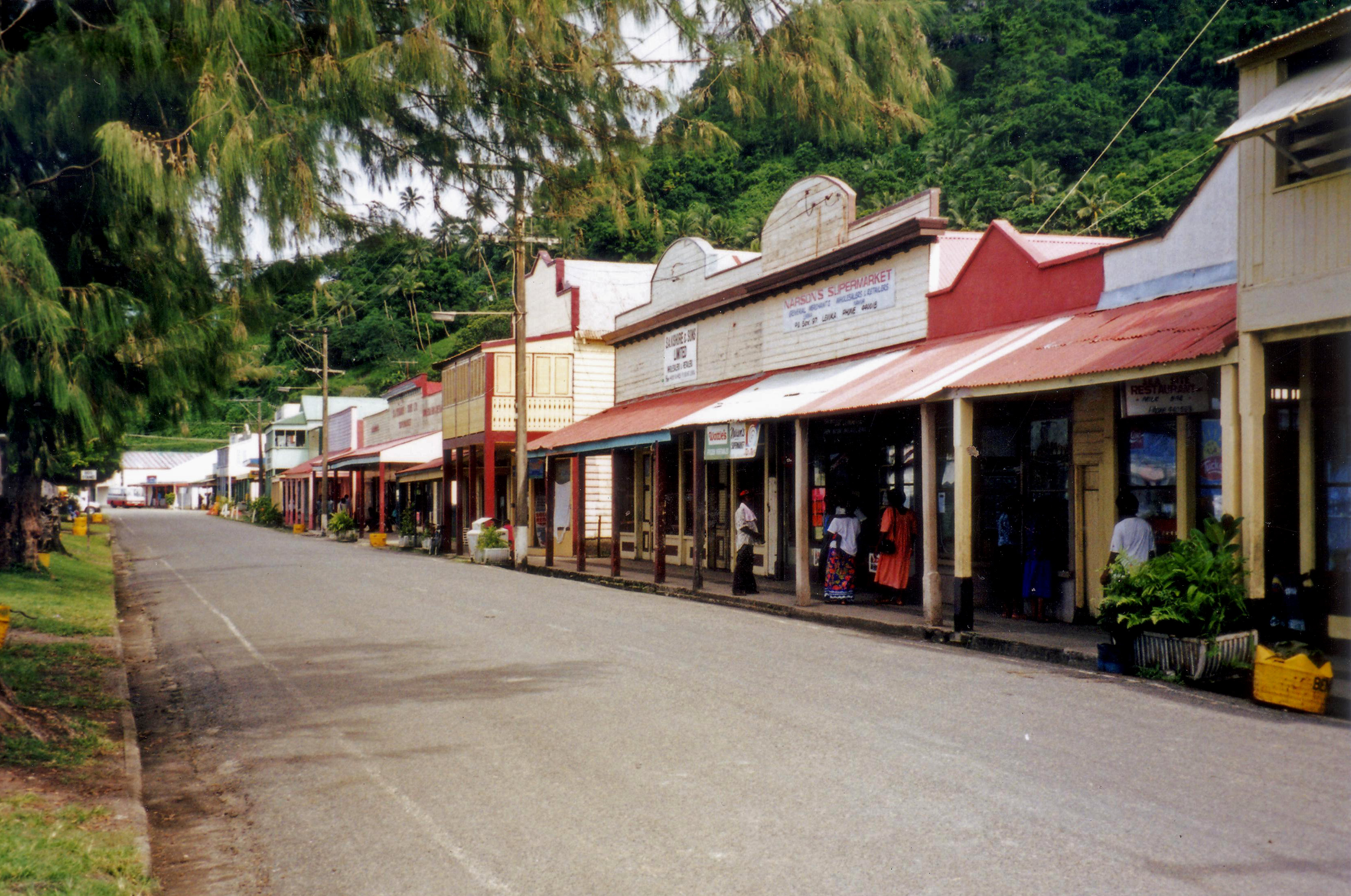
Suva sits at the heart of Fiji’s main island, Viti Levu, but the country’s only UNESCO World Heritage Site lies a short sea crossing away — on the island of Ovalau, where Levuka preserves the physical record of the Pacific’s first colonial port town. From Cultural Heritage Online.
Levuka Historical Port Town 120 km northeast — 4 hr by ferry or 1.5 hr by air
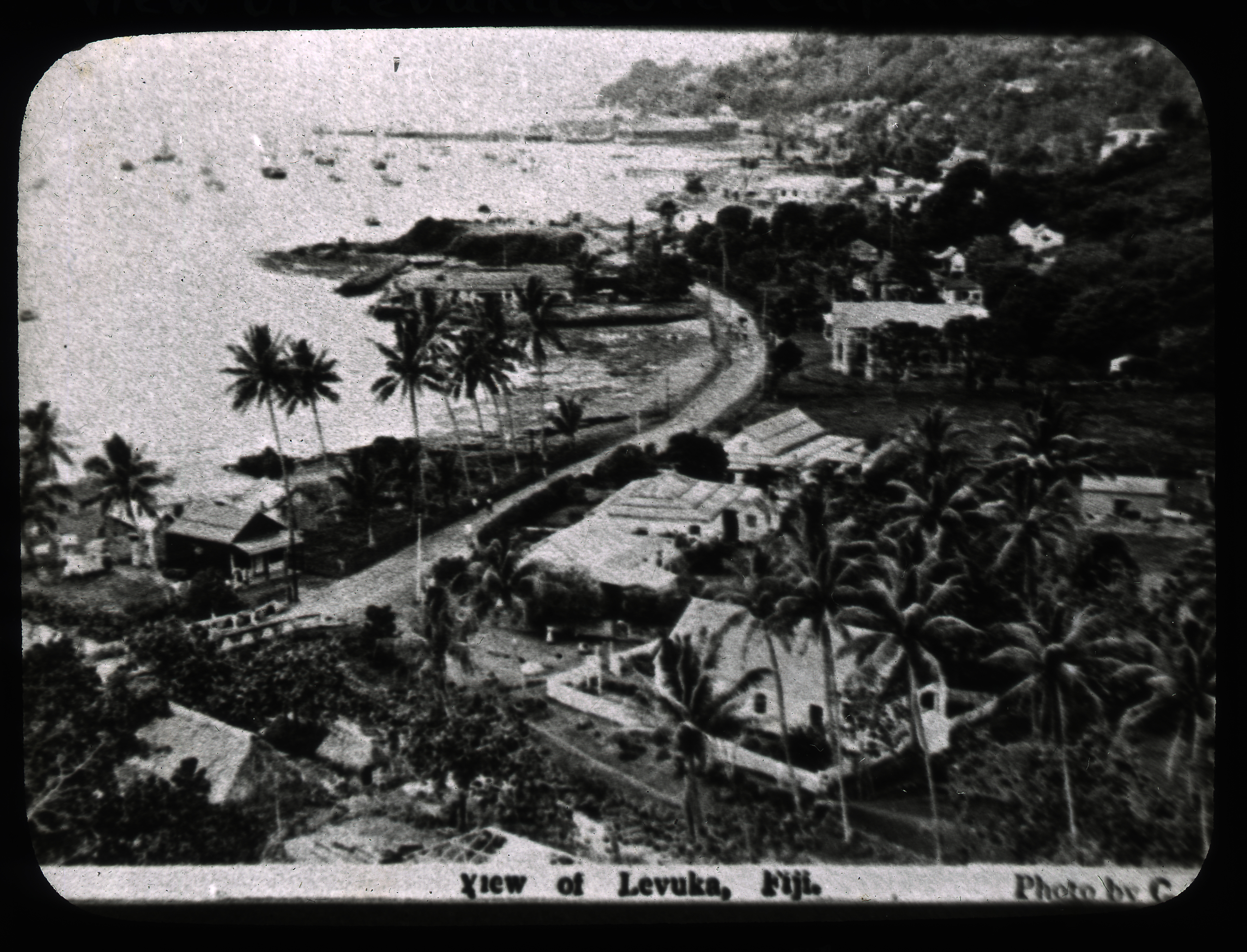
Levuka occupies a strip of flat ground barely a few hundred metres wide between Ovalau’s volcanic cliffs and the sea. The geography kept the town from ever expanding inland, and that constraint turned out to be an act of inadvertent preservation: the colonial streetscape that grew up here in the nineteenth century was simply never displaced by later development. What visitors see today is not a restored heritage precinct but a town that time largely bypassed.
European beachcombers and whalers established a trading presence at Levuka in the early 1800s, drawn first by sandalwood and then by bêche-de-mer, the sea cucumber traded extensively to Chinese markets. By the 1860s Levuka had become the main commercial hub of the Fijian islands. On 10 October 1874 Fiji’s high chiefs signed the Deed of Cession at Nasova, just south of the town centre, transferring sovereignty to Britain — an event that brought Fiji into the network of global trade and colonial governance that shaped the Pacific for the following century. Levuka served as the new colony’s capital until 1882, when the government relocated to the more spacious shores of Suva.
UNESCO inscribed Levuka in 2013 as an outstanding example of a Pacific colonial port town, recognising the integrity of its built fabric and its legibility as a record of a specific historical moment. Beach Street, the original commercial strip, retains its nineteenth-century rhythm of single- and two-storey timber buildings with corrugated-iron roofs — the regional vernacular that spread across the Pacific wherever European trade took hold. Specific heritage anchors include the Sacred Heart Church (1858, the oldest Catholic church in Fiji), the Royal Hotel (1868, plausibly the oldest operating hotel in the Pacific), the Methodist Church (1860), the Town Hall (1898), and the Ovalau Club (1905). Above the town, the remains of hill fortifications built by indigenous Fijian chiefs — occupied while Europeans settled the waterfront below — are part of the inscribed area, giving the site a layered narrative that is rarely so physically readable elsewhere in the region.
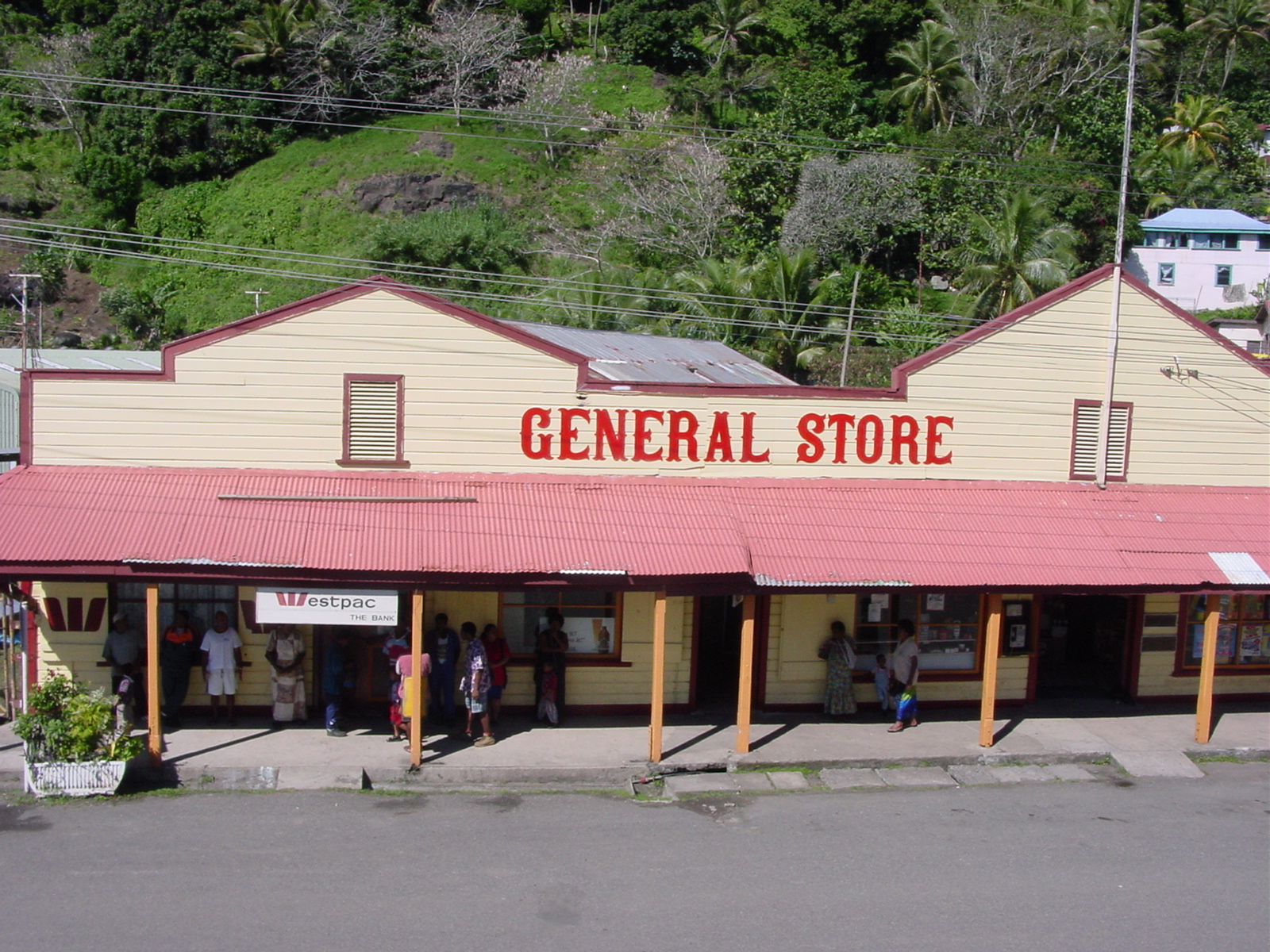
The town is quiet — Levuka’s permanent population is under two thousand — which makes it easier to walk the length of Beach Street without distraction and to spend time at each building without crowds. The Levuka Community Centre, housed in a heritage building, provides local context and maps. The site of the Deed of Cession at Nasova is marked and accessible on foot. Half a day covers the central heritage zone; a full day allows for the climb to the hill fortifications and a visit to the Sacred Heart Church.
Getting there: From Suva, take the ferry from Natovi Landing (approximately 4 hours to Levuka; Natovi is reached by road from Suva, around 1.5 hours). Alternatively, Fiji Link operates domestic flights from Nausori Airport near Suva to Bureta Airport on Ovalau (around 30 minutes), followed by a road transfer to Levuka (around 30 minutes). Allow: A minimum of one full day; two days if including the hill fortifications and surrounding villages. Best for: Travellers with a genuine interest in Pacific colonial history, architectural heritage, and off-the-beaten-path destinations — Levuka rewards curiosity and patience rather than quick itineraries.
Frequently Asked Questions
How many UNESCO World Heritage Sites are near Suva?
Fiji has one UNESCO World Heritage Site: Levuka Historical Port Town, inscribed in 2013. It is located approximately 120 kilometres northeast of Suva on the island of Ovalau, reachable by ferry (around 4 hours) or domestic flight and road transfer (around 2 hours total).
How do I get from Suva to Levuka?
The two main options are ferry and air. The ferry departs from Natovi Landing, which is about 1.5 hours by road from central Suva; the crossing to Levuka takes approximately 4 hours. Fiji Link flies from Nausori Airport (near Suva) to Bureta Airport on Ovalau in around 30 minutes, with a road transfer of another 30 minutes to Levuka town. The ferry is the more atmospheric option; the flight is more practical if time is short.
What is the best time of year to visit Levuka?
The dry season from May to October offers the most reliable weather for the crossing and for exploring on foot. The wet season (November to April) brings heavier rainfall and occasionally rough seas on the ferry route, though Levuka itself remains accessible. The Fiji Day public holiday on 10 October marks the anniversary of the Deed of Cession signed in Levuka in 1874, and local commemorations that week add historical context to a visit.
Why was Levuka chosen as Fiji’s first capital rather than Suva?
Levuka was already the dominant commercial centre when Fiji became a British colony in 1874, having grown organically over several decades as the main port for the sandalwood and bêche-de-mer trades. Its established infrastructure — warehouses, hotels, churches, and a functioning administration — made it the default choice as colonial capital. The limitation became apparent quickly: Ovalau’s volcanic topography left no room for the town to grow. By 1882 the colonial government had relocated to Suva on Viti Levu, where flat land and a deep natural harbour offered the space a capital required.



.jpg)
