
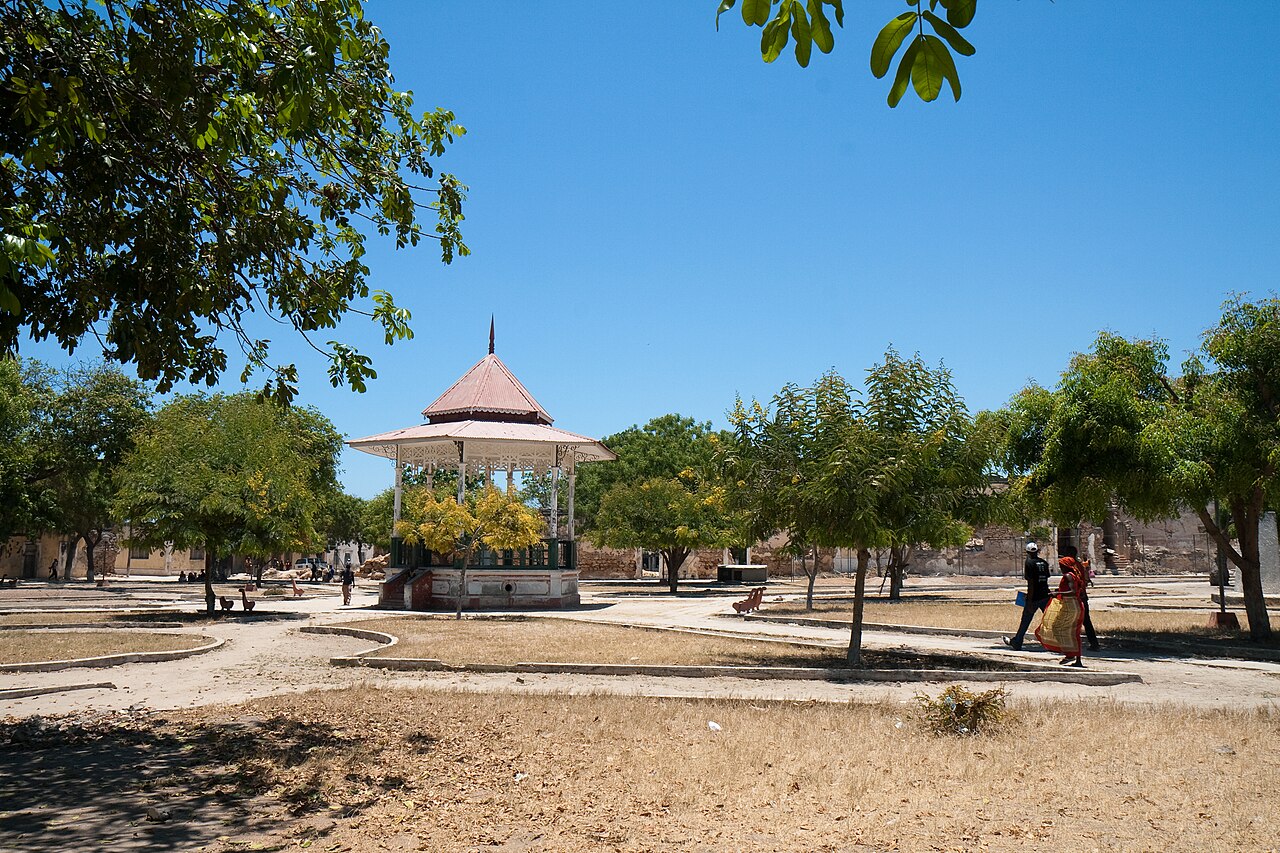
Mozambique holds one UNESCO World Heritage Site, and it sits 1,900 kilometres north of Maputo: the Island of Mozambique, a three-kilometre coral islet where five centuries of Swahili, Arab, Indian, and Portuguese history compress into a single square kilometre. From Cultural Heritage Online.
Island of Mozambique 1,900 km north — 2.5 hr flight to Nampula + 3 hr by road
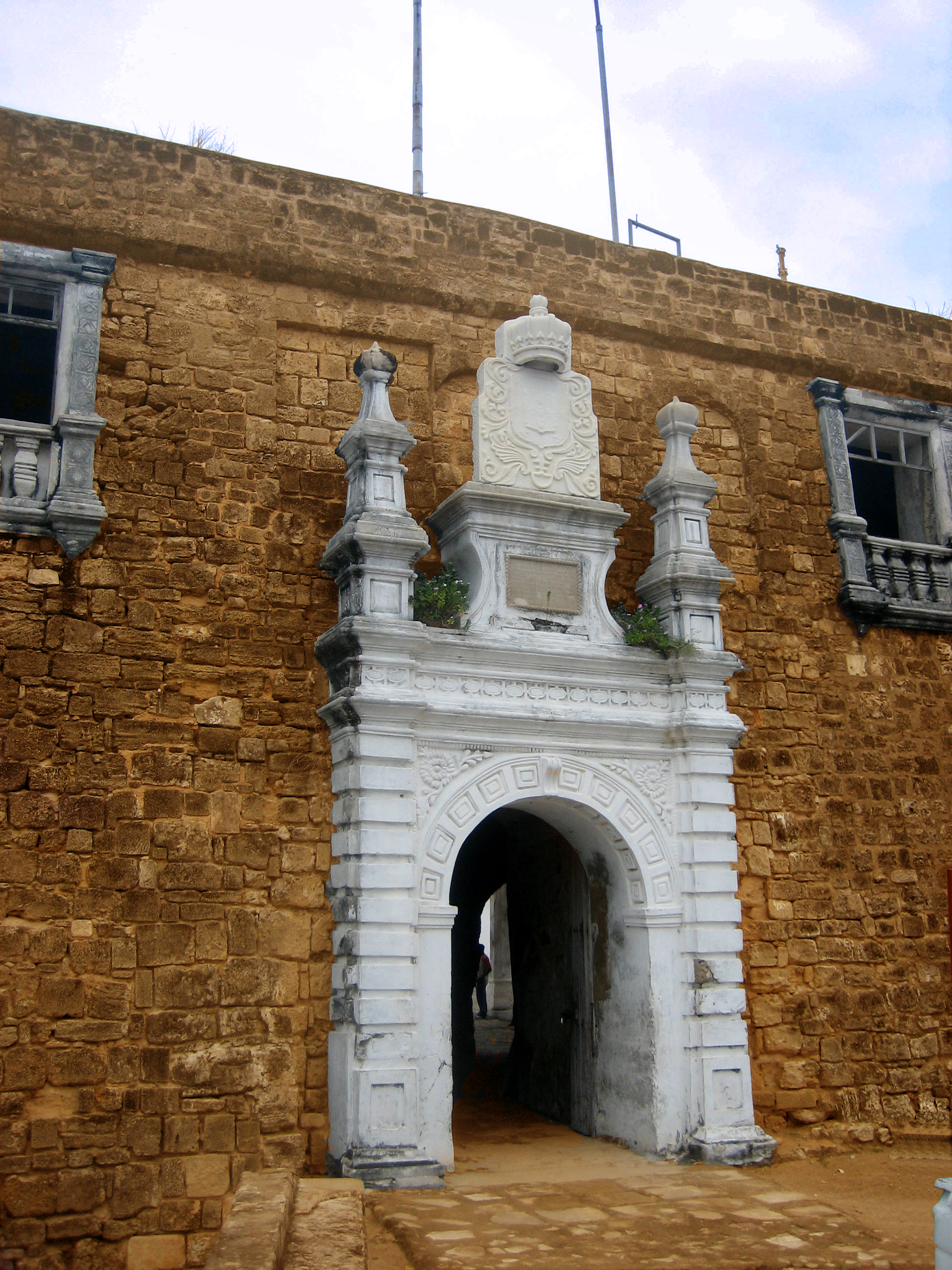
The Island of Mozambique is one of the most remarkable survivals in sub-Saharan Africa: a living town where you can walk from a 16th-century Portuguese fort to a macuti neighbourhood of reed-and-thatch houses within minutes. The island is connected to the mainland by a 3.5-kilometre causeway bridge, and its northern half — the so-called stone town — is built almost entirely of coral limestone. At its tip stands the Fort of São Sebastião, begun in 1558, which holds the distinction of being the oldest complete fortification anywhere in sub-Saharan Africa. Its sea-facing walls still display the original Portuguese royal coat of arms carved above the entrance gate.
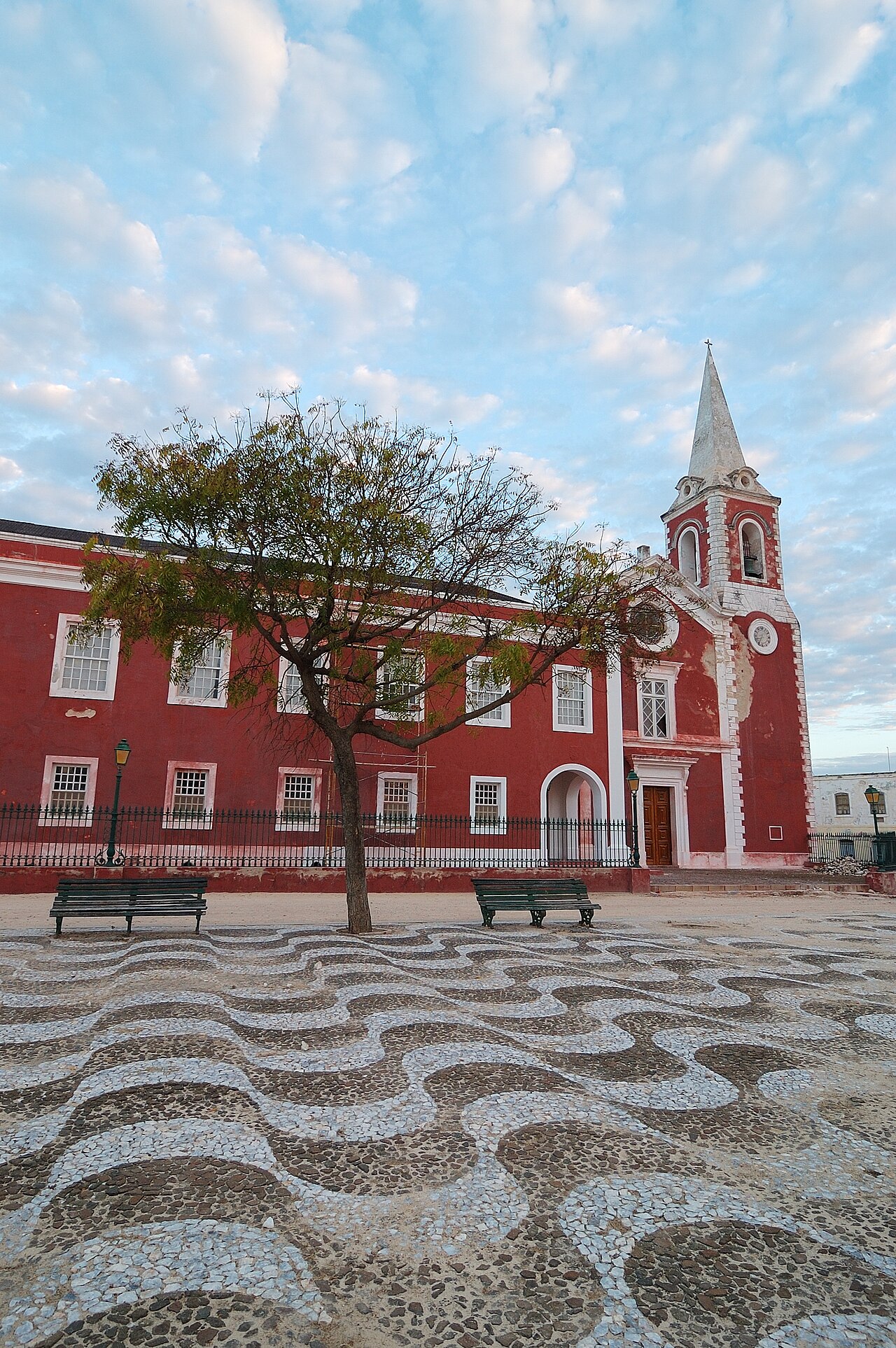
Within the fort’s compound sits the Chapel of Nossa Senhora de Baluarte, consecrated in 1522 before the fort itself was constructed. Architectural historians regard it as probably the oldest European building still standing in its original form in the entire southern hemisphere — a statement that takes some time to absorb when you are standing inside it. A short walk south along the seafront promenade brings you to the Palace and Chapel of São Paulo, a baroque structure completed around 1610 that served as the residence of the Captains-General of Portuguese East Africa. It now operates as a museum and contains a significant collection of Indo-Portuguese furniture, Chinese porcelain, and navigational instruments that document the island’s role at the crossroads of Indian Ocean trade routes.
Vasco da Gama called at the island in 1498 on his first voyage to India, making it one of the earliest documented European contacts in East Africa. The island subsequently became the capital of Portuguese East Africa and remained so until 1898, when the colonial administration moved south to Lourenço Marques — today’s Maputo. That shift explains the curious geography of Mozambique’s only UNESCO site: the country’s administrative and international hub is at the southern end, while its most significant historical monument is at the northern end, in Nampula Province. The southern part of the island, the macuti town, belongs to the Makua population and has been continuously inhabited for far longer than the Portuguese colonial period. UNESCO’s 1991 inscription recognised the entire island — stone town and macuti town together — as an outstanding example of cultural encounter and layered history.
Getting there: Fly from Maputo’s Mavalane International Airport (MPM) to Nampula (APL) — LAM Mozambique operates the route, roughly 2.5 hours. From Nampula city, the island is about 160 km east by road (around 3 hours by hire car or shared transport via the town of Monapo). The causeway bridge connects the island directly to the mainland at Lumbo. Allow: A minimum of two full days on the island; three is more comfortable for visiting the fort, palace museum, and macuti town without rushing. Budget an extra day in Nampula for connections. Best for: Travellers interested in Indian Ocean history, Portuguese colonial architecture, Swahili cultural heritage, and off-the-beaten-path destinations in Mozambique.
Frequently Asked Questions
How many UNESCO World Heritage Sites are near Maputo?
Mozambique has one UNESCO World Heritage Site in total: the Island of Mozambique (Ilha de Moçambique), inscribed in 1991. It is located approximately 1,900 kilometres north of Maputo in Nampula Province, making Maputo the international entry point to the country rather than a direct base for visiting the site. Visitors typically fly to Nampula and travel the final leg by road.
How long does it take to reach the Island of Mozambique from Maputo?
The full journey takes roughly a day of travel each way. A domestic flight from Maputo to Nampula runs about 2.5 hours, then the road transfer to the island is around 3 hours. Most travellers spend at least one night in Nampula to break the journey, and allow two to three nights on the island itself. There are small guesthouses and a handful of lodges on the island; Nampula city has more varied hotel options.
What is the best time of year to visit the Island of Mozambique?
The dry season from May to October is generally recommended. Temperatures remain warm but humidity is lower, and road conditions between Nampula and the island are at their most reliable. The wet season (November to April) brings heavy rain and occasional cyclone risk in the Mozambique Channel, which can disrupt both flights and road travel. The island’s museum and fort are accessible year-round but opening hours can vary; it is worth confirming locally before travel.
What makes the Chapel of Nossa Senhora de Baluarte historically significant?
The Chapel of Nossa Senhora de Baluarte, consecrated in 1522, is considered by architectural historians to be probably the oldest European building in the southern hemisphere still standing in its original form. It predates the Fort of São Sebastião — which surrounds it — by more than three decades. Built in the Manueline style characteristic of early 16th-century Portuguese architecture, it served the garrison and trading community that had established a permanent presence on the island following Vasco da Gama’s 1498 landfall. Its survival in largely unaltered form, despite centuries of military use and tropical climate, is the detail that most surprises first-time visitors.


.jpg)

