Kuala Lumpur sits within reach of three UNESCO World Heritage inscriptions, each representing a different dimension of human presence on the Malay Peninsula and Borneo: a multicultural colonial port city, a valley of prehistoric burials spanning 75,000 years, and a rainforest karst system holding the world’s largest cave chamber. None of these sites is in Kuala Lumpur itself, and one requires a short flight, but together they form a coherent journey through the region’s layered past. Distances and travel times are given honestly — plan accordingly. Reported by Cultural Heritage Online.
George Town, Historic Cities of the Straits of Malacca 4 hrs by train + ferry
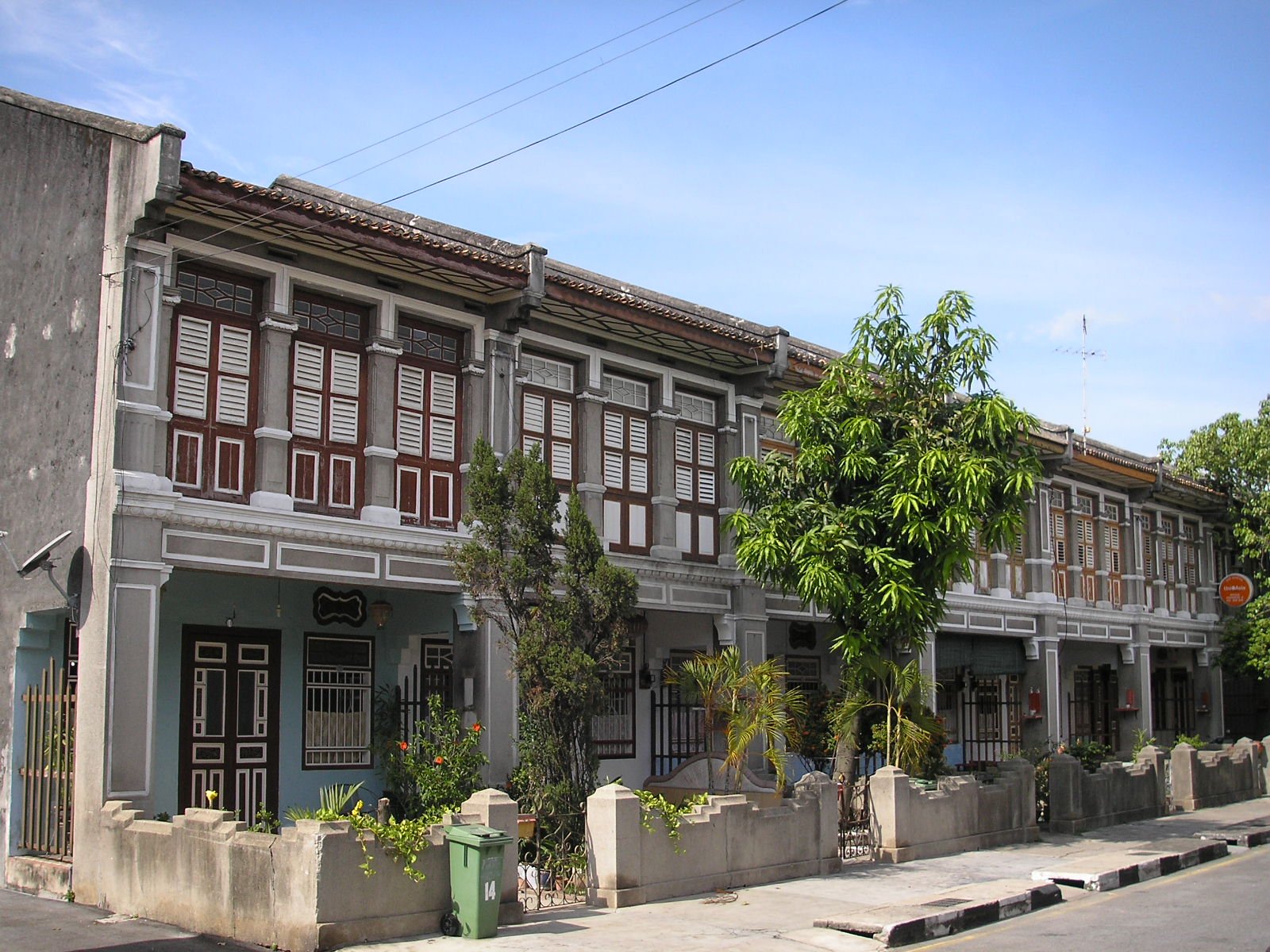
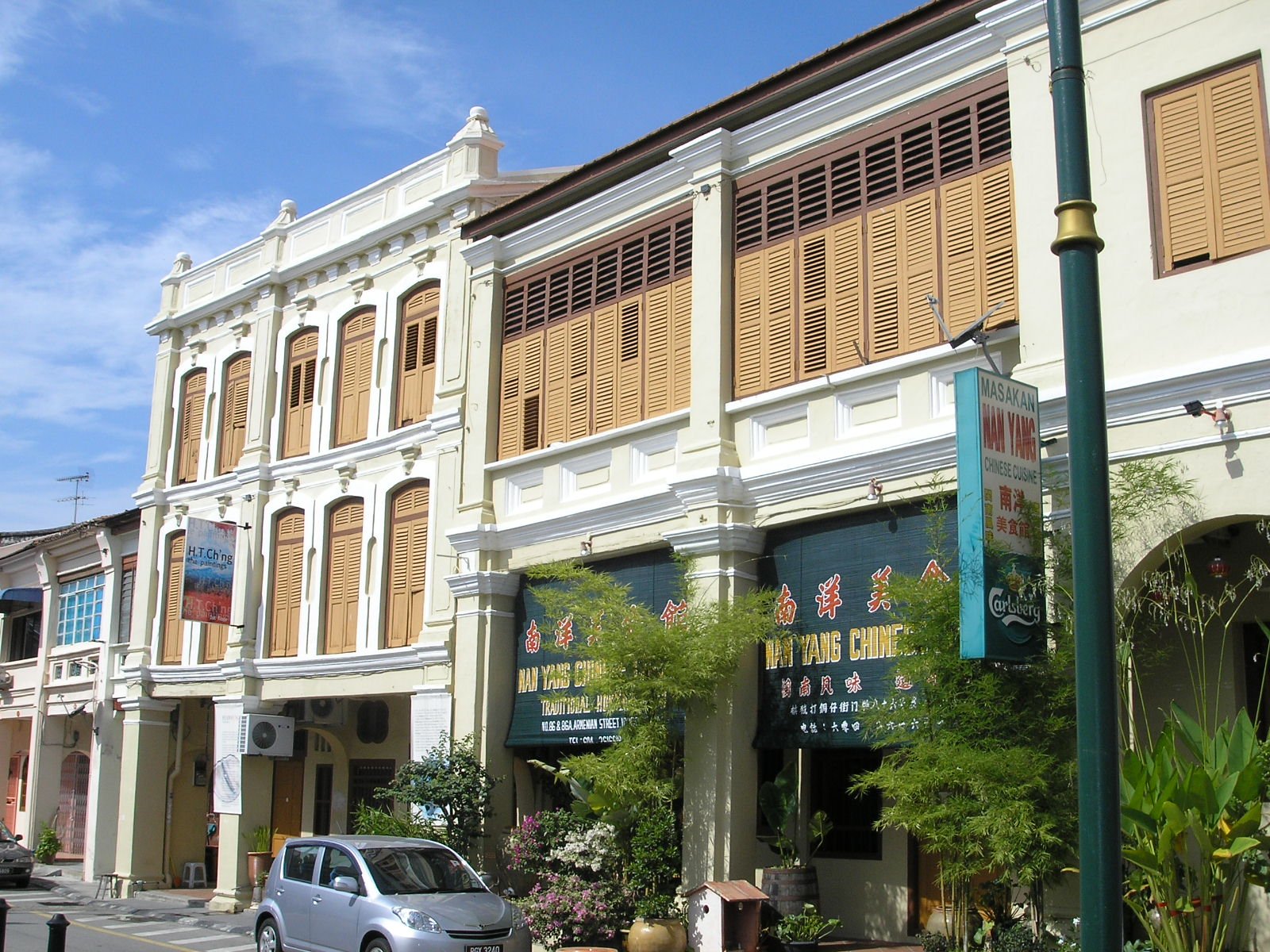
On 11 August 1786, Captain Francis Light landed on the island of Penang and established the first British possession in Southeast Asia, naming the settlement after King George III. Over the following century George Town grew into a free-trade entrepôt drawing Hokkien, Hakka, Tamil, Javanese, and Arab merchants alongside British administrators, and this layered settlement survived into the present as a compressed record of that convergence. The UNESCO inscription of 2008 recognised 109 hectares of historic core — an extraordinary density of clan jetties, Hindu temples, Islamic mosques, Anglican churches, and narrow shophouses sometimes still occupied by the same families that built them in the nineteenth century. The architecture of those shophouses follows a Southeast Asian urban model: narrow street frontage, deep interior, five-foot way arcade at ground level, and upper floors that once served as combined residence and warehouse. Walking Cannon Street, Armenian Street, and the Khoo Kongsi enclave on a Tuesday morning, when the clan associations open their doors and the smell of incense drifts into the lanes, gives an immediate sense of the city’s still-functional heritage.
Getting there: ETS Express train from KL Sentral to Butterworth (approximately 4 hours); then a 20-minute public ferry across the channel to George Town’s ferry terminal. Return trains run until early evening — check schedules at KTM before departure. Allow: one full day minimum; two days to visit Khoo Kongsi, the Peranakan Mansion, and the clan jetties without rushing. Best for: architectural history, food heritage, multicultural urban landscapes.
Archaeological Heritage of the Lenggong Valley 3 hrs 30 min by car
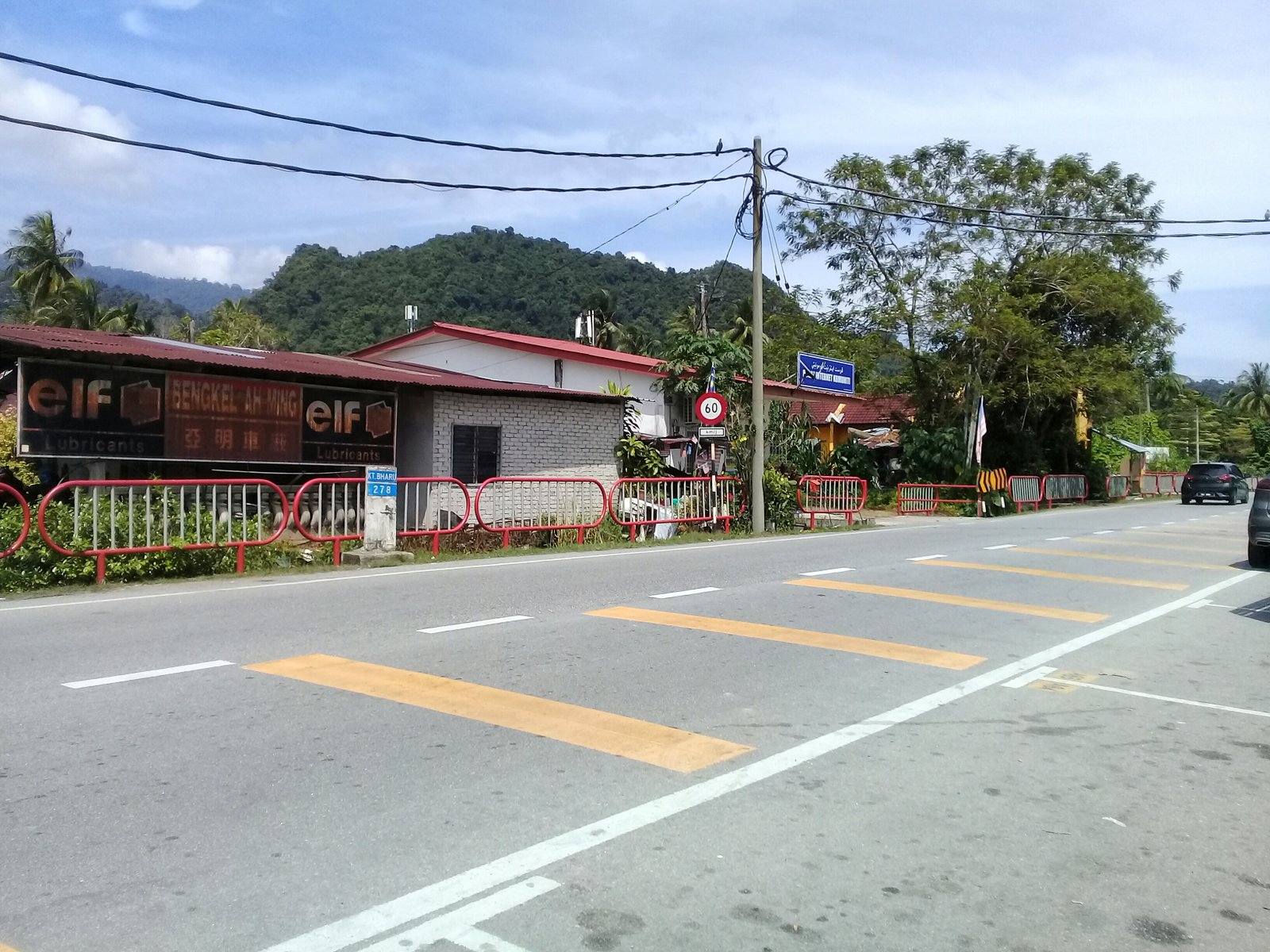
A quiet valley in the upper reaches of the Perak River holds one of Southeast Asia’s most consequential archaeological records, inscribed by UNESCO in 2012 across 398 hectares of sites spanning four open-air workshops and two cave complexes. The oldest evidence at Kota Tampan dates to approximately 75,000 years ago, when a volcanic ashfall from the Toba eruption buried a stone-tool workshop, preserving it in stratified sediment — one of the few sites in the world where that catastrophic eruption is directly associated with human activity. More recent but still extraordinary is Perak Man, a complete human skeleton dated to around 11,000 years ago, discovered in 1991 at Gua Gunung Runtuh: his burial included food deposits and tools, suggesting a developed funerary practice in the Malay Peninsula’s Late Palaeolithic period. A third skeletal find, Perak Woman, dates to approximately 8,000 years ago, and bronze axes from a separate layer represent some of the earliest evidence of metal use in Southeast Asia. The Lenggong Valley Archaeological Museum, in the town of Lenggong itself, holds casts and some original material and is a reasonable starting point before visiting the cave sites.
Getting there: Approximately 3 hours 30 minutes by car north of Kuala Lumpur via Highway 76 and Federal Road 1 through Ipoh and Kuala Kangsar; no direct public bus service connects KL to Lenggong, so guided day tours from Kuala Lumpur or a hire car are the practical options. Allow: 2–3 hours on site (museum plus one or two cave sites). Best for: prehistoric archaeology, palaeolithic history, visitors with a specific interest who can plan their own transport.
Gunung Mulu National Park 1 hr 30 min by flight
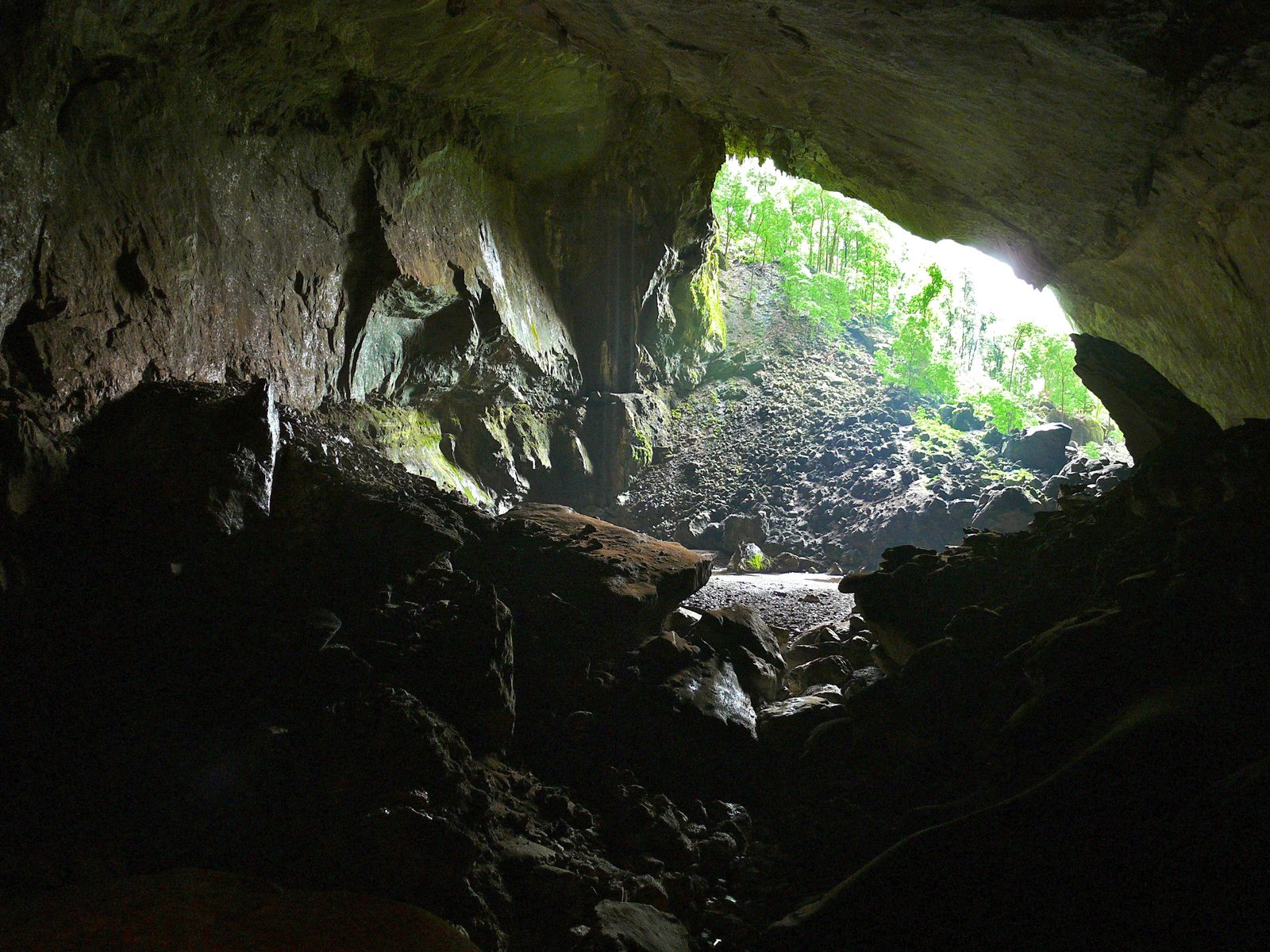
Gunung Mulu National Park in Sarawak, inscribed by UNESCO in 2000, is the most remote of the three sites but also the one that most decisively rewards extended time. The park protects 52,864 hectares of rainforest-clad karst limestone and sandstone ridges, and the cave systems within it are on a scale that makes superlatives almost unavoidable: Deer Cave has a passage cross-section of 120–150 metres in diameter, making it one of the largest in the world; the Sarawak Chamber, measuring 600 metres long and 415 metres wide, is the largest known underground chamber by area on Earth. Some 295 kilometres of cave passage have been surveyed, and Clearwater Cave is the longest cave system in Southeast Asia at over 226 kilometres. The biological inventory of the park is equally substantial: 270 bird species, 81 mammal species, 20,000 invertebrate species, and more than 3,500 vascular plant species have been recorded. There is no road access; the only way in is by MASwings or AirAsia regional flights from Kuala Lumpur International Airport to the park’s own airstrip. Permits and a licensed guide are mandatory for all visitors, including the four show caves.
Getting there: MASwings or AirAsia operate flights from KLIA or KLIA2 to Mulu Airport (MZV), approximately 1 hour 30 minutes; book early as frequencies are limited and the airstrip serves only small aircraft. There is no overland route. Allow: 2 days minimum; 3–4 days to cover Deer Cave, Clearwater Cave, the Pinnacles trek, and the evening bat exodus. Accommodation is available inside the park (Marriott Resort) and in simple lodges. Best for: cave geology, tropical biodiversity, adventure trekking.
Frequently Asked Questions
How many UNESCO World Heritage Sites are within reach of Kuala Lumpur?
Three UNESCO inscriptions are accessible from Kuala Lumpur: George Town (Historic Cities of the Straits of Malacca) in Penang, the Archaeological Heritage of the Lenggong Valley in Perak, and Gunung Mulu National Park in Sarawak. The first two are reachable overland; Mulu requires a short domestic flight of around 1 hour 30 minutes from KL International Airport.
Which UNESCO site is closest to Kuala Lumpur?
The Lenggong Valley is the closest by straight-line distance — approximately 200 kilometres north of Kuala Lumpur — and takes around 3 hours 30 minutes by car. However, it has limited public transport links, so most visitors drive or join a guided tour. George Town in Penang is farther at roughly 370 kilometres but is easier to reach independently, with a direct ETS Express train from KL Sentral to Butterworth followed by a 20-minute ferry.
Do I need a visa to visit Penang, Lenggong, and Mulu as a foreign visitor?
Malaysia operates a generous visa-free policy for most nationalities, including citizens of the EU, UK, USA, Australia, Japan, and most ASEAN countries, typically for 30 or 90 days depending on the agreement. Citizens of countries that do require a visa can apply for an eVisa through the Immigration Department of Malaysia. Sarawak (where Mulu is located) operates under the same Malaysian visa but has its own immigration checkpoint at Mulu Airport — carry your passport even if travelling domestically from Peninsular Malaysia.
What is the best season to visit these three sites?
Peninsular Malaysia (George Town and Lenggong) has two monsoon seasons: the southwest monsoon from May to September brings drier weather to Penang and the west coast; the northeast monsoon from November to March brings heavier rain to the east coast but relatively drier conditions on the west side. The ideal window for west-coast Peninsular sites is roughly October to February. Sarawak (Mulu) receives rainfall year-round but is driest between February and April; the park remains open throughout the year and cave visits are unaffected by weather.
Sources
- UNESCO World Heritage Centre, George Town, Historic Cities of the Straits of Malacca (inscription 2008).
- UNESCO World Heritage Centre, Archaeological Heritage of the Lenggong Valley (inscription 2012).
- UNESCO World Heritage Centre, Gunung Mulu National Park (inscription 2000).
- Wikipedia, George Town, Penang.
- Wikipedia, Gunung Mulu National Park.