Jerusalem and its surroundings concentrate an unmatched density of sacred and archaeological heritage. The Old City of Jerusalem — inscribed on the UNESCO World Heritage List in 1981 at the request of Jordan and on the Danger List since 1982 — stands at the geographic and spiritual centre. Ten kilometres to the south, Bethlehem holds two additional inscriptions under Palestine: the Birthplace of Jesus in the Church of the Nativity, inscribed in 2012, and the terraced agricultural landscape of Battir, inscribed in 2014. Together, these four sites represent three living religions, more than three thousand years of continuous settlement, and some of the most contested and revered ground on earth. Each can be reached from central Jerusalem in under an hour, though the sites in Palestinian Authority territory require crossing administrative boundaries. From Cultural Heritage Online.
Old City of Jerusalem and its Walls On foot from Damascus or Jaffa Gate
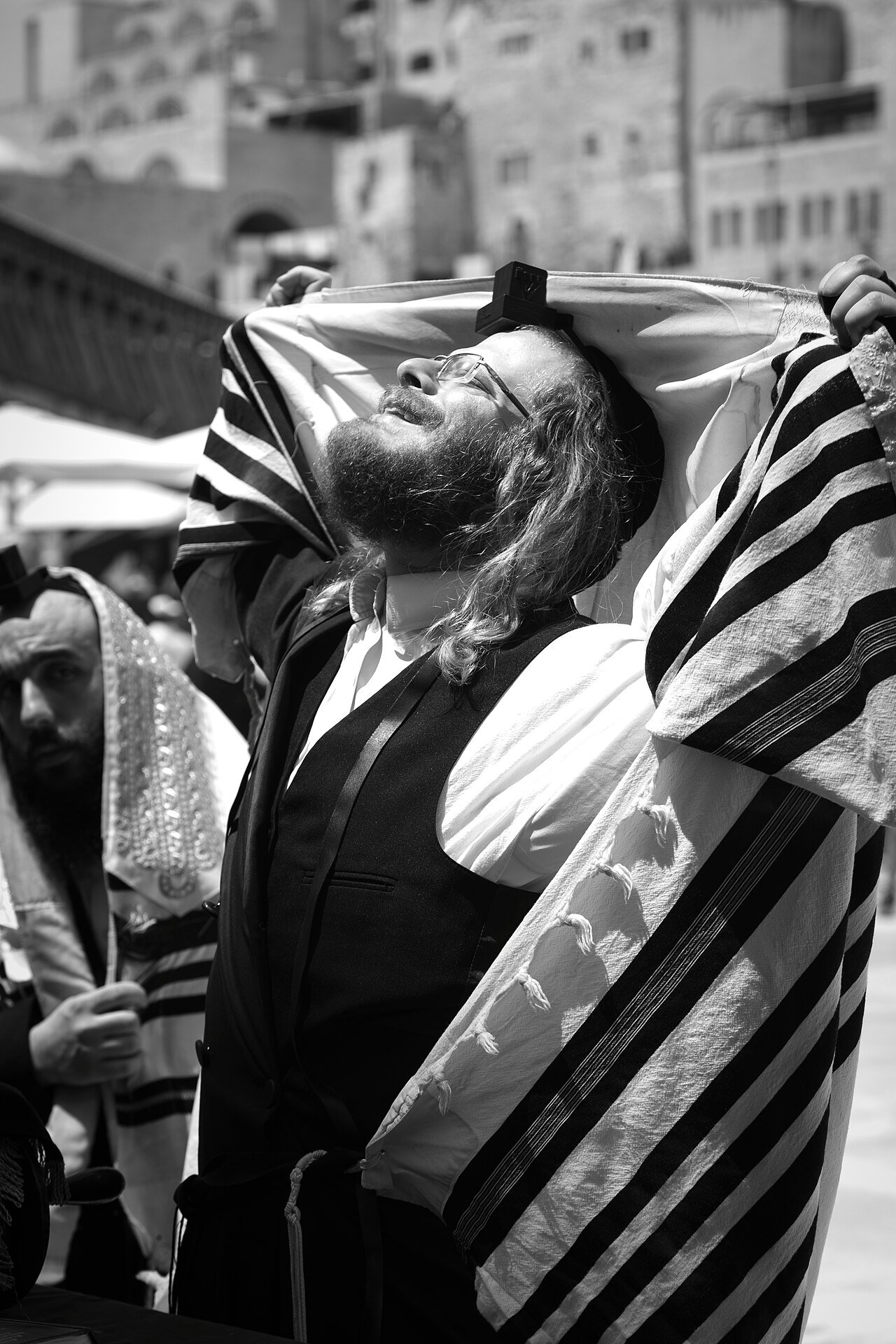
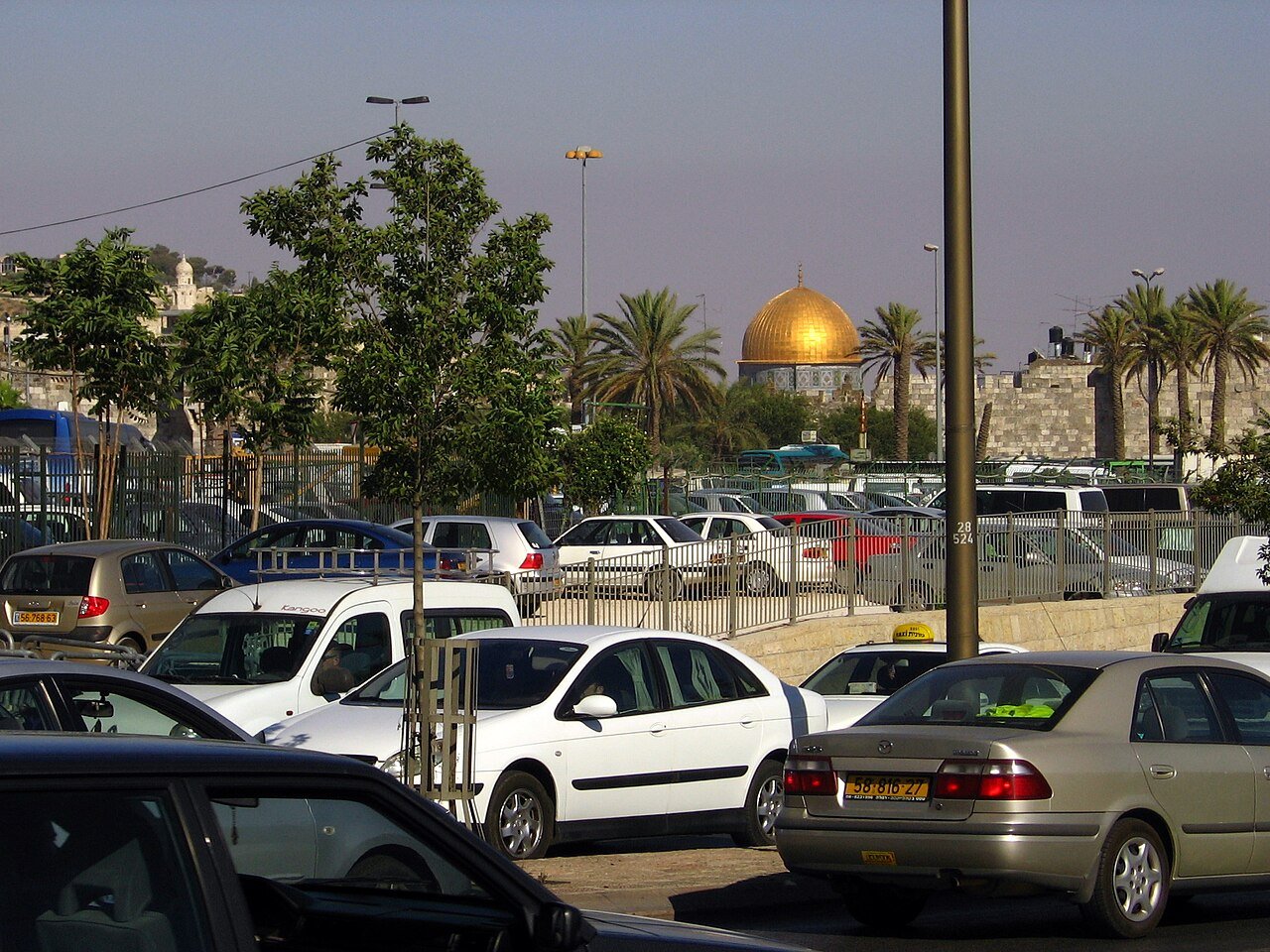
Inscribed on the UNESCO World Heritage List in 1981, and placed on the Danger List in 1982, the Old City of Jerusalem covers just 0.9 square kilometres yet contains sites central to Judaism, Christianity, and Islam. The current limestone walls were built by the Ottoman Sultan Suleiman the Magnificent between 1535 and 1542, enclosing four uneven quarters — Muslim, Christian, Armenian, and Jewish — as well as the Temple Mount compound known to Muslims as Haram al-Sharif. The Dome of the Rock, completed in 691 CE under Umayyad Caliph Abd al-Malik, its gilded dome repaired and re-gilded repeatedly over the centuries, dominates the skyline. The Western Wall, a surviving retaining wall of the Second Temple destroyed by Rome in 70 CE, draws thousands of worshippers daily. Walking through the Old City’s stone-flagged lanes, the smell of incense from open church doors mingles with cardamom from spice stalls. Plan a full day; narrow streets are disorienting and require time to navigate unhurriedly.
Getting there: Accessible on foot from Damascus Gate (Muslim and Christian Quarters) or Jaffa Gate (Armenian and Jewish Quarters). From Tel Aviv: approximately 1 hour by bus 480. From Ben Gurion Airport: 50 minutes by sherut shared taxi. Allow: A full day minimum. Best for: Visitors seeking concentrated engagement with the heritage of all three Abrahamic religions in a single walled precinct.
Church of the Holy Sepulchre 10 min walk inside the Old City from Jaffa Gate
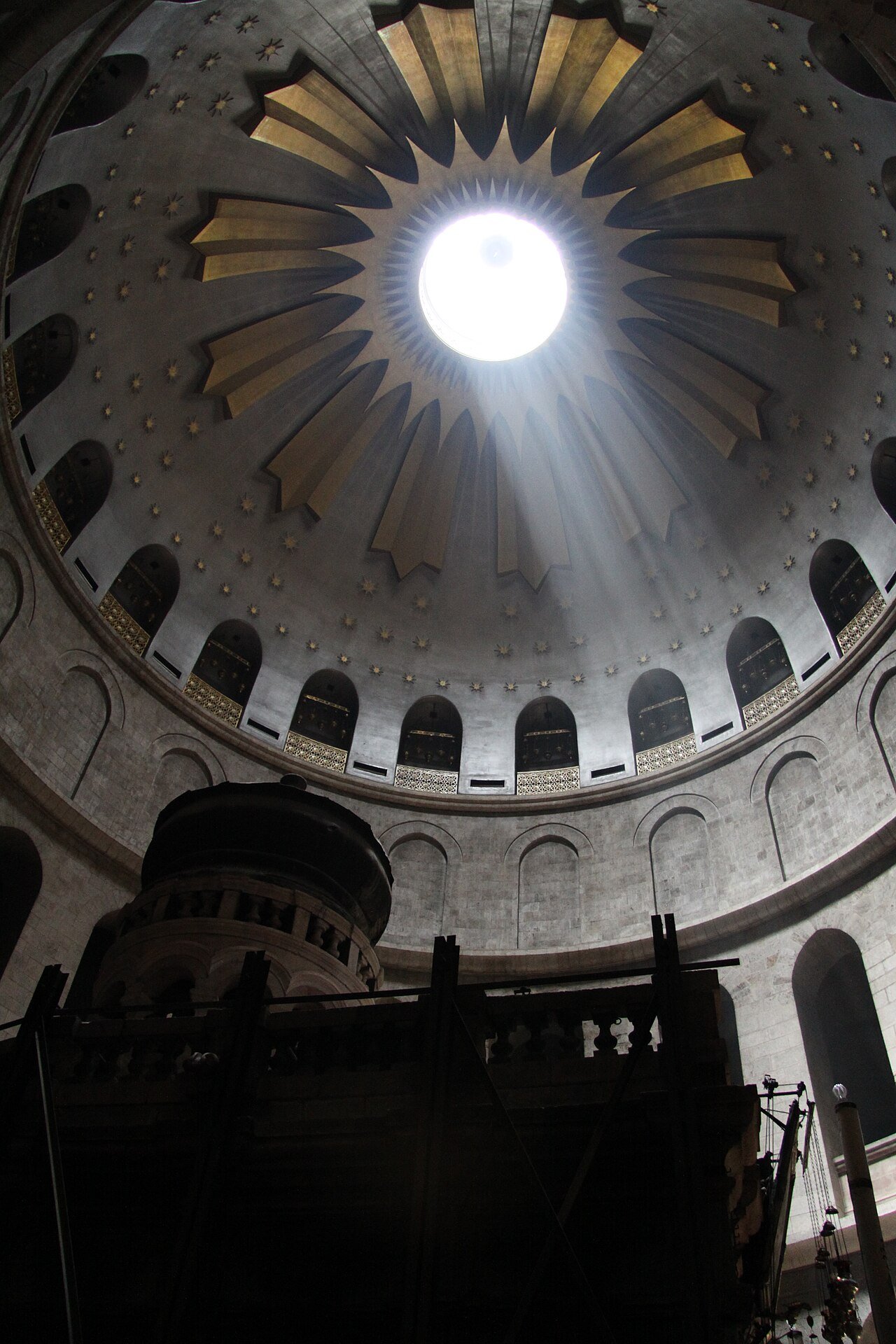
The Church of the Holy Sepulchre stands within the Christian Quarter of the Old City and is considered the holiest site in Christianity. It forms part of the UNESCO-inscribed Old City of Jerusalem inscription (1981). The original basilica was commissioned by Emperor Constantine the Great in the fourth century; it was destroyed in 1009 by Fatimid Caliph al-Hakim and rebuilt between 1042 and 1048 under Byzantine Emperor Constantine IX Monomachos. The Crusaders made extensive modifications after 1099. The site encompasses both Calvary — where the crucifixion is traditionally located — and the Aedicule, the 19th-century shrine enclosing the tomb. The church serves simultaneously as the seat of three patriarchates: Greek Orthodox, Armenian, and the Catholic Latin Patriarchate. Inside, the low grey stone of the rotunda absorbs candlelight from hundreds of hanging lamps, and the air carries the particular stillness of a space in continuous religious use for more than sixteen centuries. The last four stations of the Via Dolorosa are within the church itself. Entry is free, but crowds are heaviest at midday and on Sundays.
Getting there: 10-minute walk inside the Old City from Jaffa Gate, following the Via Dolorosa through the Christian Quarter. No separate transport needed if already in the Old City. Allow: 1–2 hours. Best for: Visitors with particular interest in early Christian architecture and the layered history of Crusader and Byzantine construction.
Birthplace of Jesus: Church of the Nativity, Bethlehem 20 min by shared taxi from Damascus Gate
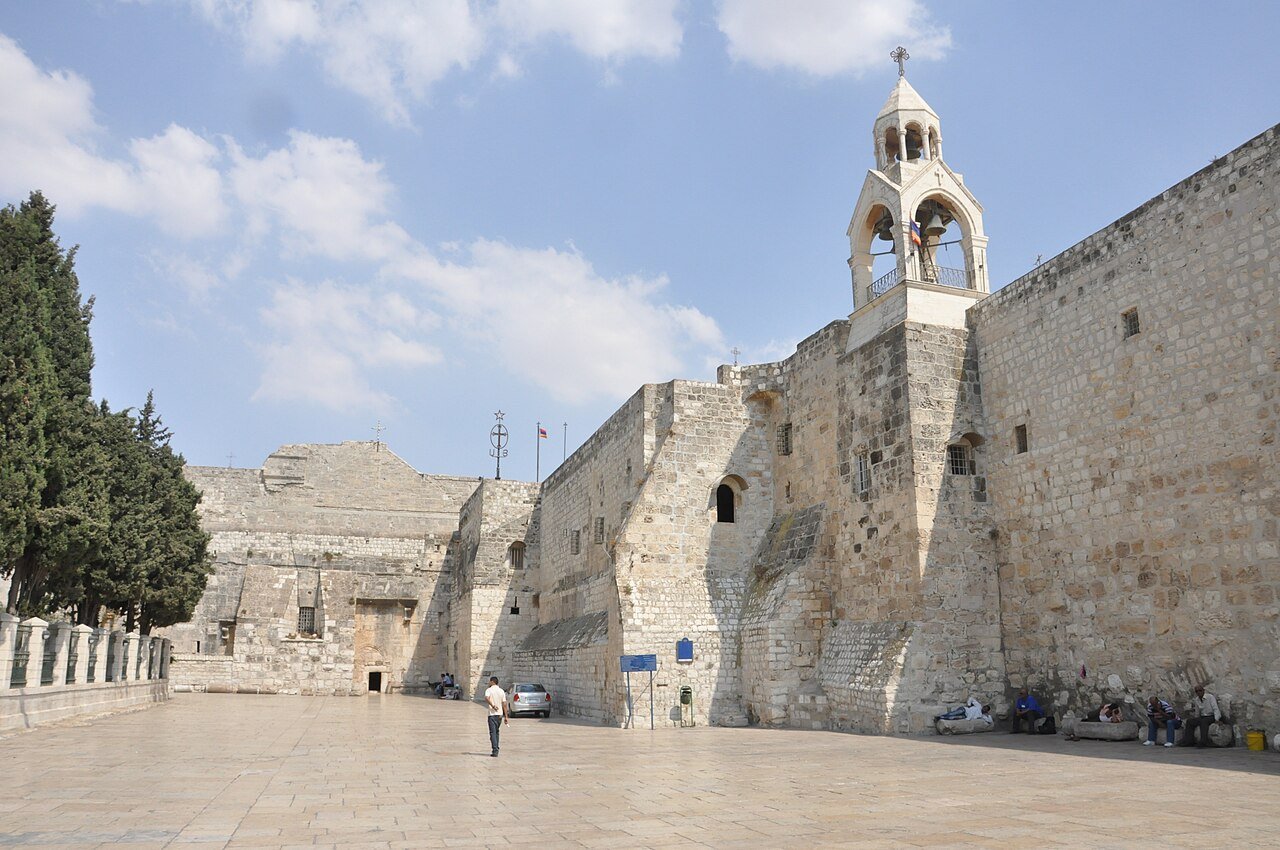
Inscribed on the UNESCO World Heritage List in 2012 under Palestine, the Church of the Nativity in Bethlehem holds the distinction of being the oldest major church in the Holy Land still in active religious use. Construction began under Emperor Constantine the Great following his mother Helena’s visit to Jerusalem and Bethlehem in 325–326 CE; the original basilica was dedicated on 31 May 339 CE. The present structure largely dates from the sixth-century reconstruction commissioned by Byzantine Emperor Justinian I (r. 527–565 CE) following fire damage attributed to the Samaritan revolts. The church covers approximately 12,000 square metres and today encompasses three separate monasteries — Catholic, Armenian Apostolic, and Greek Orthodox — each with its own bell tower. Visitors descend into the Grotto of the Nativity, where a 14-point silver star set into the marble floor marks the spot venerated as Jesus’s birthplace; the air in the grotto is cool and dense with incense. The site lies in the Palestinian Authority and requires passing through Israeli-controlled checkpoints; a valid passport is necessary. Plan the journey as a half-day excursion from Jerusalem.
Getting there: Bethlehem is 10 km south of Jerusalem. Take a shared service taxi (servis) from Damascus Gate into Palestinian Authority territory; journey takes approximately 20 minutes. A valid passport is required for the checkpoint. Allow: 2–3 hours for the church and grotto. Best for: Visitors seeking the oldest continuously active Christian site in the world and the layered architecture of Constantinian, Justinianic, and Crusader building phases.
Battir: Land of Olives and Vines — Cultural Landscape of Southern Jerusalem 30–40 min by car south-west of Jerusalem
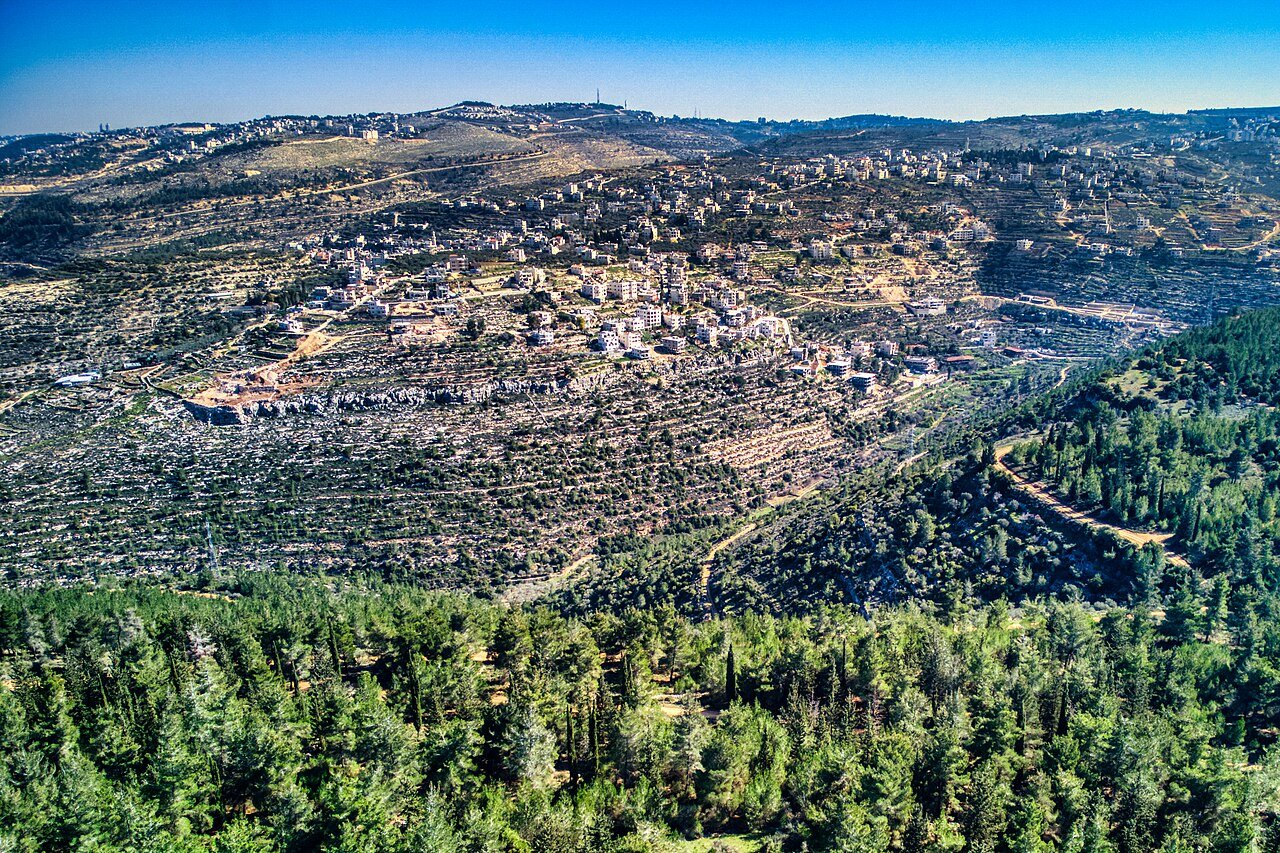
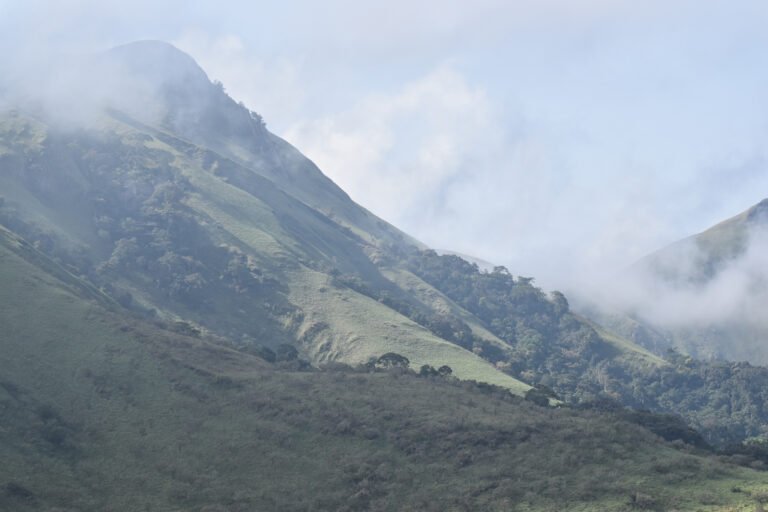
Inscribed on the UNESCO World Heritage List in 2014 under Palestine — simultaneously added to the Danger List — Battir preserves an agricultural landscape of extraordinary continuity. The village sits 10 kilometres south-west of Jerusalem in the Bethlehem Governorate, above the route of the historic Jaffa–Jerusalem railway. Its terraces were built using stone cleared from the fields and are irrigated by a system of spring-fed channels whose origins date to the Roman period; the water-distribution schedule still in use among farming families is believed to derive from agreements documented in the Ottoman era. Within Battir’s territory lies an archaeological site containing remains of Beitar, the last stronghold of the Bar Kokhba revolt against Rome, suppressed by Emperor Hadrian in 135 CE. The terraces descend steeply through groves of olive, fig, and grape; the smell of crushed leaves and damp stone defines the landscape in spring. The site is in Palestinian Authority territory and is most practically reached by car or with a local guide, as there is no regular public bus service from Jerusalem. Allow a half-day for the walk and village.
Getting there: Battir is approximately 10 km south-west of Jerusalem, accessible by car or with a local guide. The site is in Palestinian Authority territory; a valid passport is required. No regular public bus connects Jerusalem to Battir directly. Allow: 2–3 hours for the terraces and village. Best for: Visitors interested in living agricultural heritage, Roman-period landscape archaeology, and the working traditions of Palestinian village communities.
Frequently Asked Questions
How many UNESCO World Heritage Sites are near Jerusalem?
There are four UNESCO World Heritage Sites in or near Jerusalem. The Old City of Jerusalem and its Walls was inscribed in 1981 (proposed by Jordan) and has been on the Danger List since 1982. The Birthplace of Jesus: Church of the Nativity in Bethlehem was inscribed in 2012 under Palestine, and the Battir cultural landscape was inscribed in 2014, also under Palestine. The Church of the Holy Sepulchre is contained within the Old City inscription rather than being a separate listing.
What is the closest UNESCO World Heritage Site to Jerusalem?
The Old City of Jerusalem itself is the closest inscribed site — it lies directly within the city and is accessible on foot from any central neighbourhood. The Church of the Holy Sepulchre, which is part of that same inscription, is a 10-minute walk from Jaffa Gate inside the Old City walls. Bethlehem and Battir, inscribed separately under Palestine, are each about 10 kilometres from Jerusalem’s centre.
Do visitors need a visa or special permit to visit Bethlehem and Battir?
Most nationalities enter Israel without a visa and can cross from Jerusalem into Palestinian Authority-administered Bethlehem using their passport at the checkpoint. Israeli border stamps are issued at entry to Israel; travellers concerned about dual-entry restrictions with other countries should check requirements in advance. No additional permit is required for tourists visiting Bethlehem or Battir, but a valid passport is essential at every crossing point.
What is the best time of year to visit the UNESCO sites near Jerusalem?
March to May and October to November offer the most comfortable conditions: mild temperatures, manageable crowds, and, in spring, wildflowers on the Battir terraces. Summer (June to August) is very hot and extremely crowded at the Old City and Nativity Church. December draws large pilgrim groups to Bethlehem around Christmas. Fridays and Sundays bring higher concentrations of worshippers to the Old City’s religious sites, which affects access to some areas.
Sources
- UNESCO World Heritage Centre — Old City of Jerusalem and its Walls (List No. 148)
- UNESCO World Heritage Centre — Birthplace of Jesus: Church of the Nativity and the Pilgrimage Route, Bethlehem (List No. 1433)
- UNESCO World Heritage Centre — Battir — Land of Olives and Vines: Cultural Landscape of Southern Jerusalem (List No. 1492)
- Wikipedia — Old City of Jerusalem
- Wikipedia — Church of the Nativity