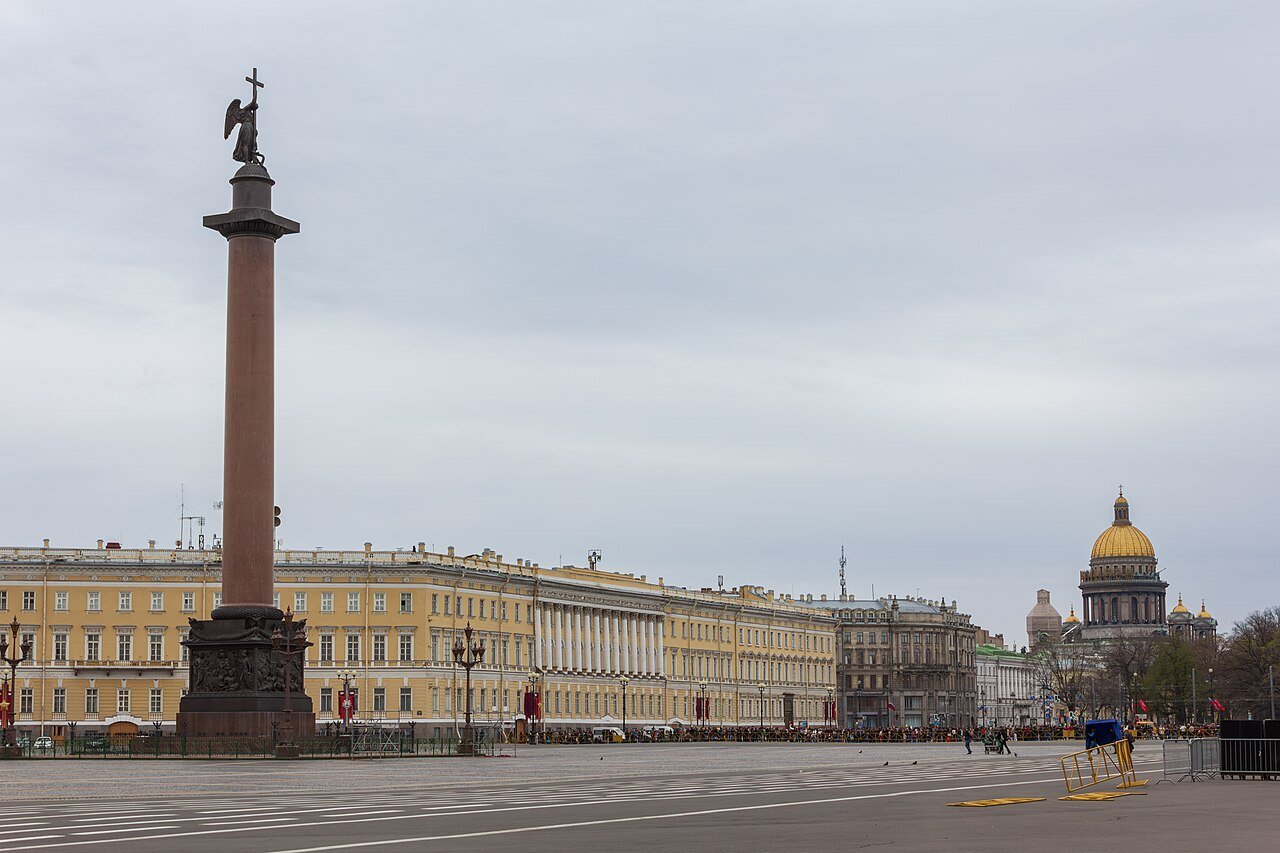
St Petersburg holds one of the most ambitious UNESCO inscriptions in Europe. Awarded in 1990, it covers 37 groups of monuments — not just the city’s historic centre but the entire ring of imperial palace suburbs that Peter the Great and his successors built along the Gulf of Finland. The Winter Palace, the Grand Cascade at Peterhof, the blue-and-gold façade of the Catherine Palace, and the forested grounds of Pavlovsk are all part of a single World Heritage property. Veliky Novgorod, a separate inscription made in 1992, lies three hours south and adds a medieval Kremlin whose origins predate St Petersburg by seven centuries. Together these sites make the city one of the densest concentrations of World Heritage architecture on the planet. From Cultural Heritage Online.
Historic Centre of St Petersburg — Winter Palace and the Hermitage City centre — Metro lines 2 & 5
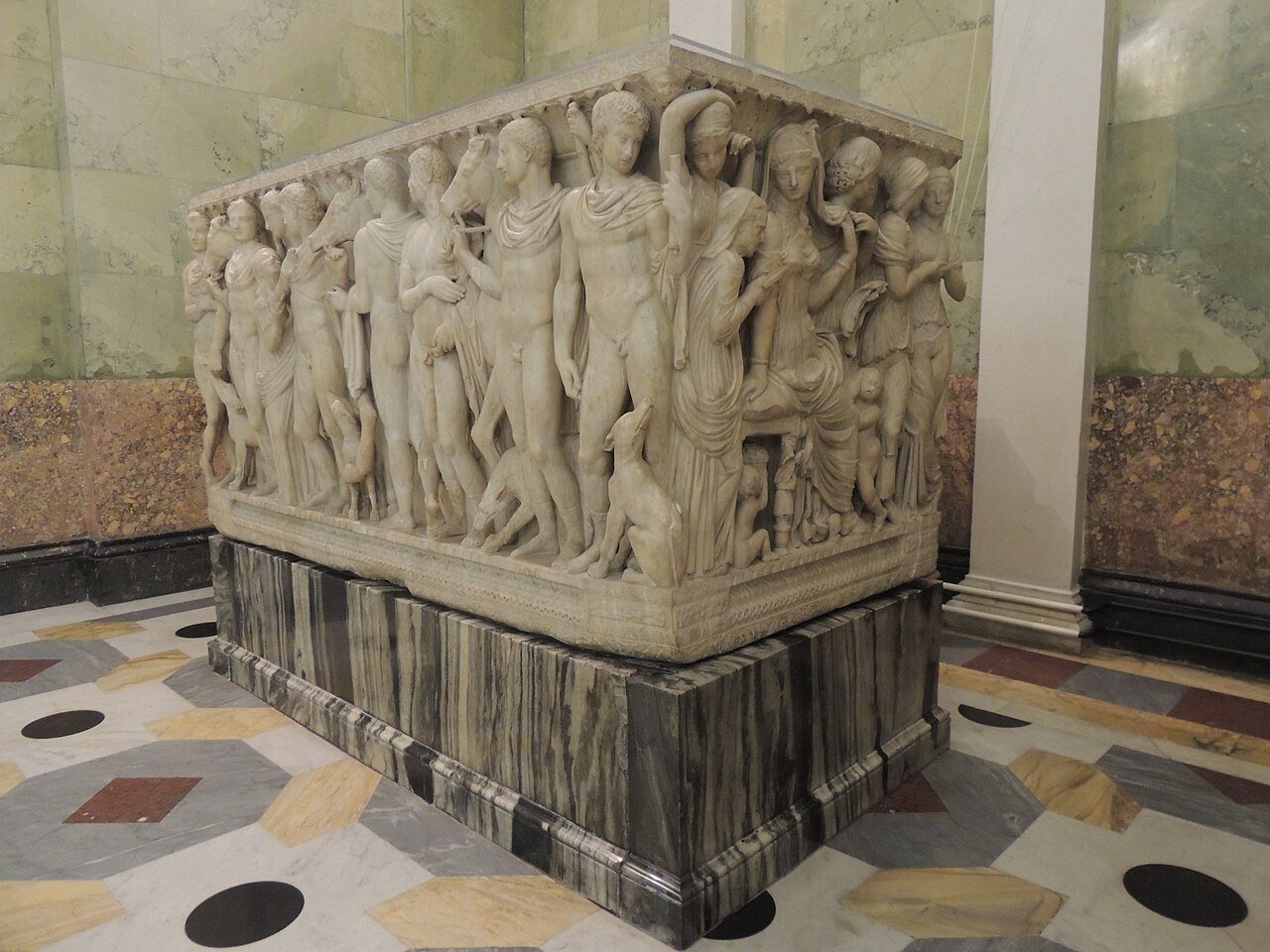
The Historic Centre of St Petersburg was inscribed as a UNESCO World Heritage Site in 1990, with the Winter Palace at its symbolic heart. Architect Bartolomeo Francesco Rastrelli designed the current Winter Palace between 1754 and 1762 for Empress Elizabeth — its 1,786 doors, 1,945 windows, and 1,057 halls and rooms established a scale that few European royal residences matched. Catherine the Great opened the adjacent Hermitage in 1764 to house paintings acquired from the Berlin merchant Johann Ernst Gotzkowsky, founding what would grow into a collection of over three million objects. Today the Hermitage holds the largest collection of paintings in the world. The building’s exterior — a composition of malachite green, white, and gold facing the frozen Neva — is as deliberate a statement of imperial power as the works inside. The Small Throne Room, with its carved oak and crimson velvet, still carries the atmosphere of an active court.
Getting there: Metro lines 2 and 5 (Nevsky Prospekt or Gostiny Dvor stations), then a 10-minute walk along the embankment. Allow: 3–4 hours for the Hermitage alone; a full day for the palace complex and the surrounding historic centre. Best for: Visitors who want the world’s most encyclopaedic collection of European painting alongside one of the great Baroque interiors in existence.
Peterhof Palace and Gardens 30 min by hydrofoil (seasonal) or 40 min by train
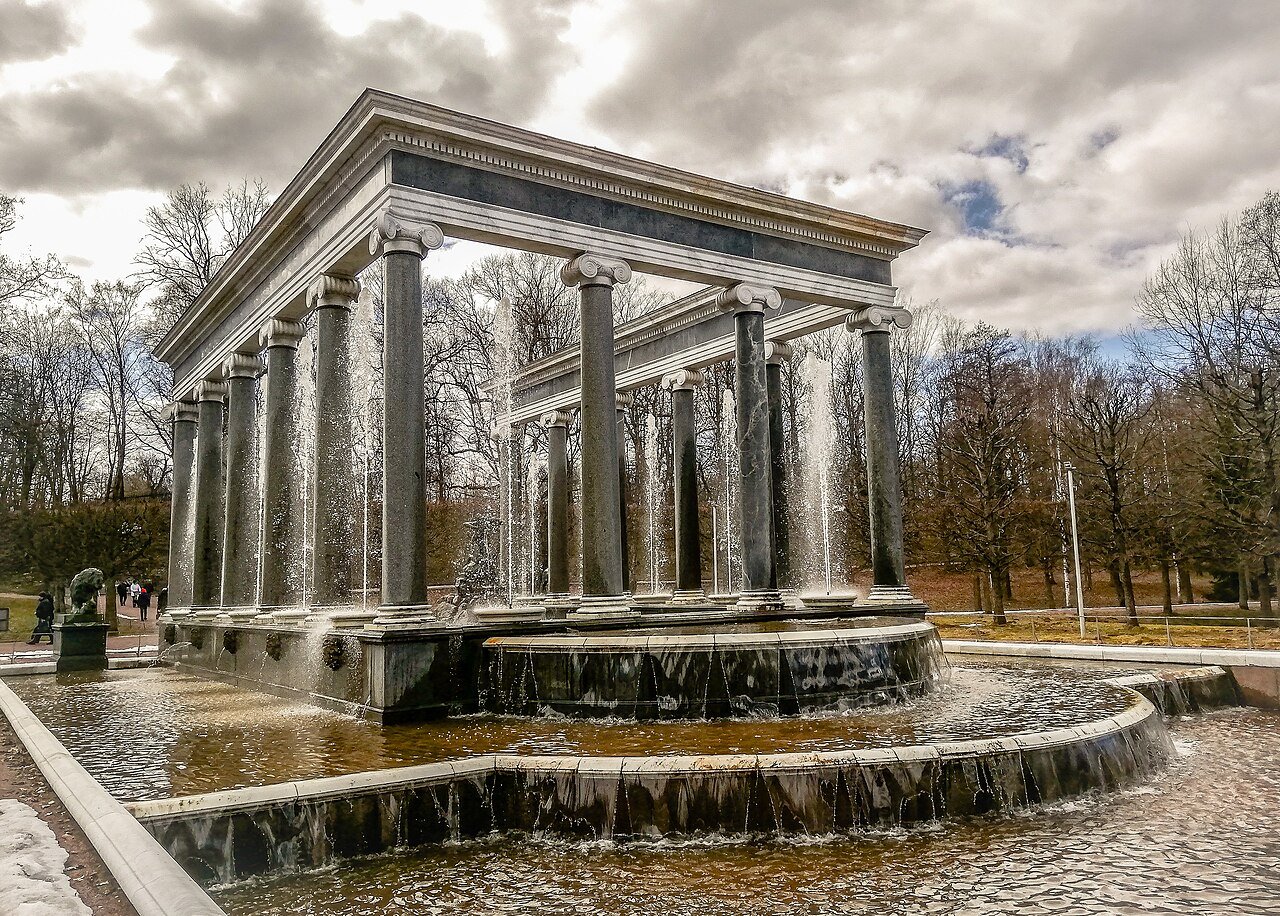
Peterhof Palace, part of the same 1990 UNESCO inscription as St Petersburg’s historic centre, began in 1714 when Peter the Great commissioned Domenico Trezzini to build a coastal residence along the Gulf of Finland. Peter had visited Louis XIV’s Château de Marly in 1717 and returned determined to surpass it. The result is the Grand Cascade — 16 metres high, fed by a 22-kilometre aqueduct, and animated by 64 fountains whose gilded statuary catches the Baltic light in a way no photograph reproduces. Francesco Bartolomeo Rastrelli expanded the Grand Palace between 1747 and 1756, more than doubling its length for Empress Elizabeth. The entire complex covers 3,934 hectares. The fountains run on gravity alone; no pumps have ever been installed. Arriving by the Meteor hydrofoil from Palace Embankment, the cascade appears directly ahead as the boat docks — an entrance sequence Peter planned with theatrical precision.
Getting there: Meteor hydrofoil from Palace Embankment (30 min, seasonal May–September); suburban train from Baltiysky Vokzal to Noviy Petergof station (40 min) plus a 20-minute walk or bus to the Lower Park. Allow: 3–4 hours for the Lower Park and palace interiors. Best for: Those who want the most dramatic outdoor spectacle in the St Petersburg region, especially on a clear summer afternoon.
Catherine Palace, Tsarskoye Selo 30 min by suburban train from Vitebsky Vokzal
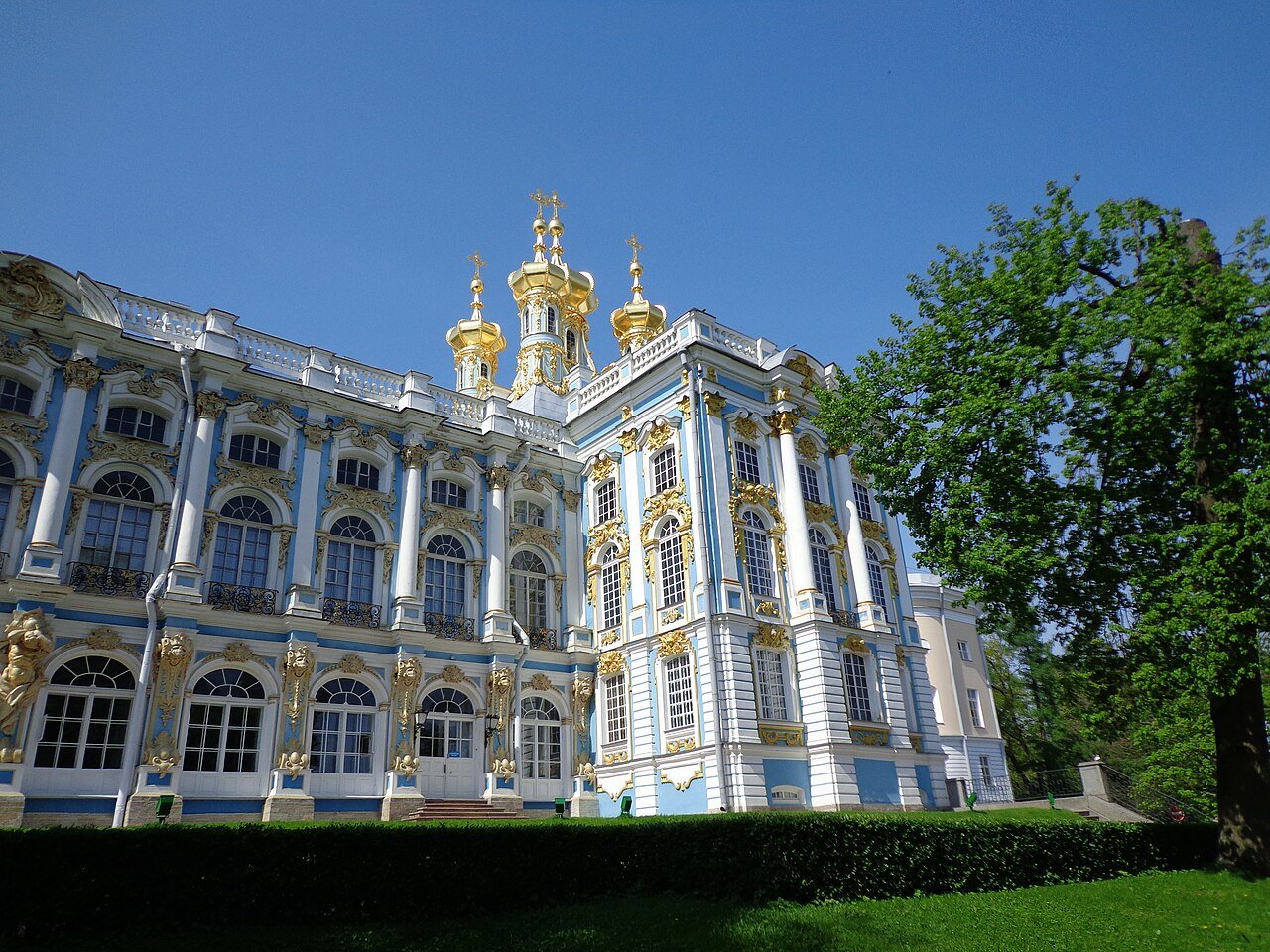
The Catherine Palace at Tsarskoye Selo, part of the 1990 UNESCO inscription, reaches its current form through the work of Bartolomeo Rastrelli, who rebuilt it almost entirely between 1752 and 1756 for Empress Elizabeth. The façade extends 300 metres in sky-blue, white, and gilded stucco — the reconstruction required nearly 100 kilograms of gold for the exterior decorations alone. Peter the Great originally gifted the estate to Catherine I in 1710; the name honours her, not Catherine the Great. Inside, the palace contained 40 state apartments and over 100 private and service rooms. The most discussed of these is the Amber Room, panelled in amber, gold leaf, and mirrors by designer Andreas Schlüter. German forces dismantled and removed it in 1941; its fate remains unknown. The current Amber Room, completed in 2003 after a 25-year reconstruction programme, gives a precise impression of the original’s saturated warmth. The air inside carries a faint resinous scent from the amber panels.
Getting there: Suburban train from Vitebsky Vokzal to Detskoe Selo station (30 min), then marshrutka or a 20-minute walk to the palace. Allow: 3 hours for the palace and the Catherine Park. Best for: Those interested in Baroque architecture at its most exuberant, or in the history of the Amber Room and World War II cultural losses.
Pavlovsk Palace and Park 35 min by suburban train from Vitebsky Vokzal
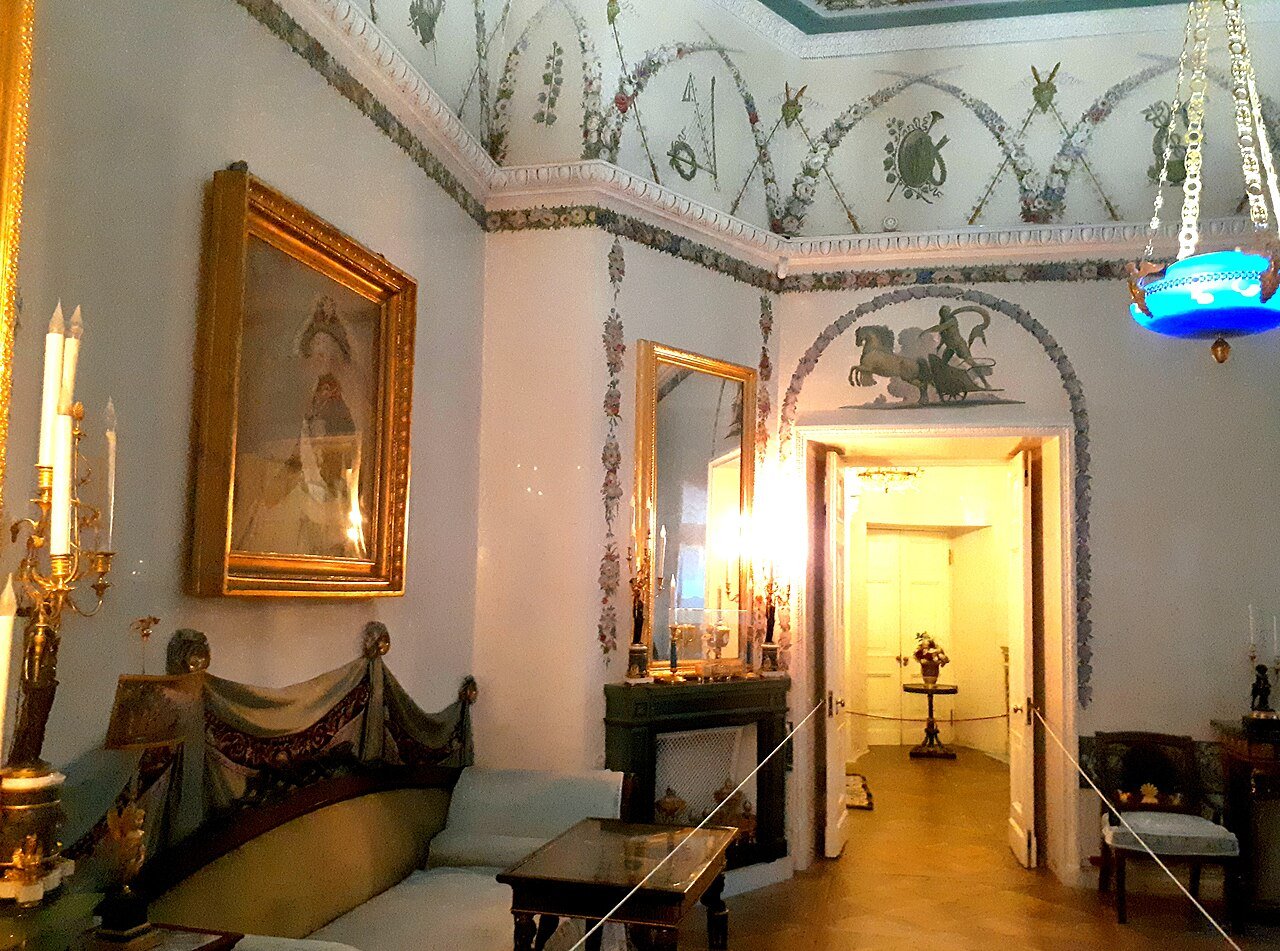
Pavlovsk Palace, also part of the 1990 UNESCO property, was built on a thousand hectares of forest along the winding Slavyanka River, four kilometres from Tsarskoye Selo. Catherine the Great commissioned Scottish architect Charles Cameron to design the main palace from 1780, intending it as a gift for her son Grand Duke Paul and his wife Maria Feodorovna to mark the birth of their grandson, the future Alexander I. Construction began in 1781; Italian architect Vincenzo Brenna later took over interior decoration. The park surrounding the palace is one of the largest landscaped parks in Europe, its paths laid out in the English landscape tradition that was then a novelty in Russia. After a serious fire in 1803, Carlo Rossi and Andrei Voronykhin led further restoration. German forces occupied the palace from 1941 to 1944 and caused substantial damage; the meticulous post-war restoration, completed through the 1970s, is considered among the finest conservation achievements of the Soviet era. The park is quieter and less visited than Tsarskoye Selo, and is often combined with it in a single day trip.
Getting there: Suburban train from Vitebsky Vokzal to Pavlovsk station (35 min), then a 10-minute walk. Often combined with Tsarskoye Selo on the same day; the two stations are one stop apart. Allow: 2–3 hours. Best for: Visitors who prefer a less crowded imperial estate and a serious landscape park over ornamental gardens.
Novgorod Kremlin and Historic Monuments 3 hours by bus or train from St Petersburg
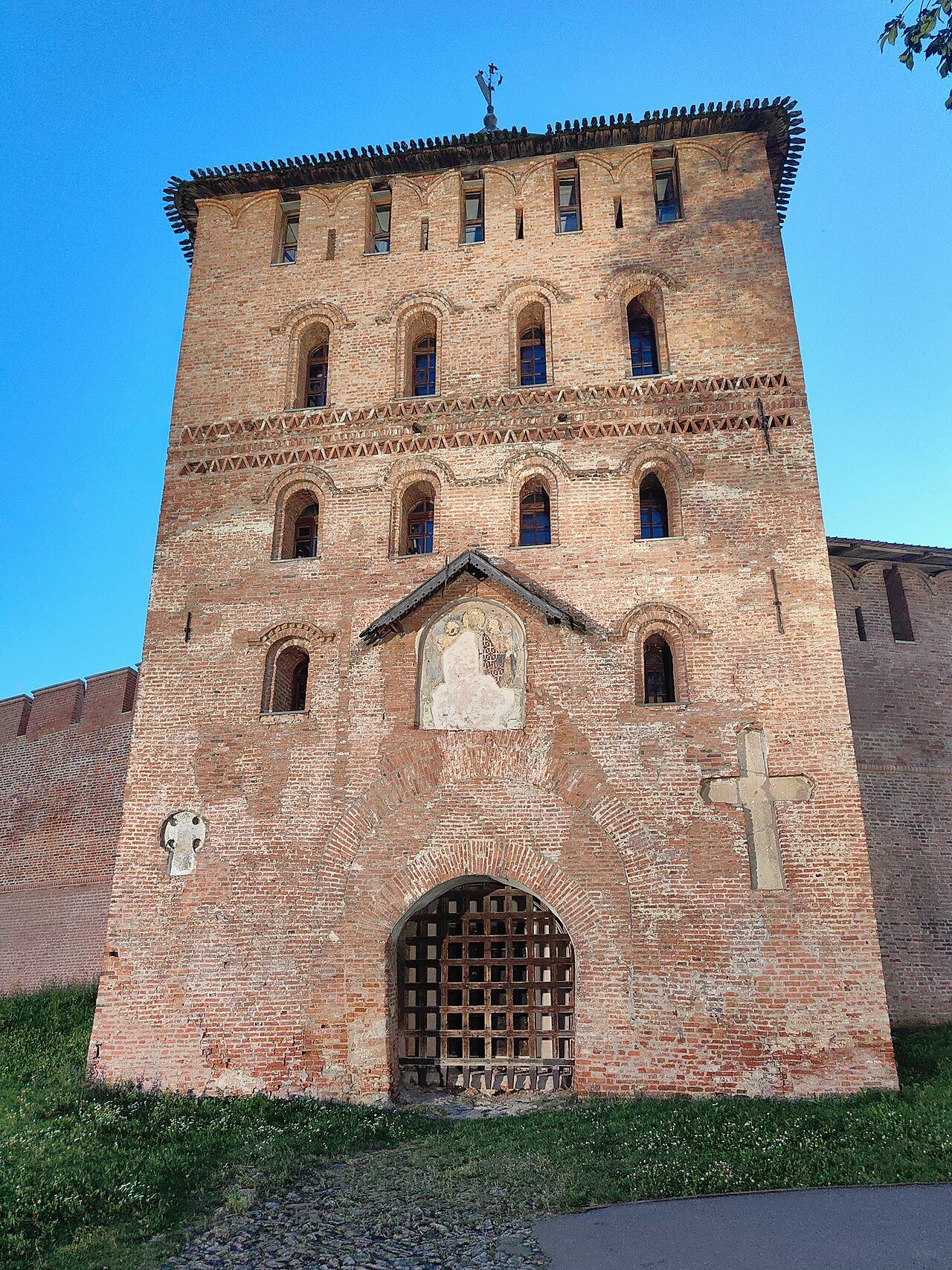
The Historic Monuments of Novgorod and Surroundings received UNESCO World Heritage status in 1992, three years before Veliky Novgorod celebrated its millennium. The Novgorod Kremlin — the Detinets — sits on a promontory above the Volkhov River and traces its current brick form to a reconstruction ordered by Ivan III between 1484 and 1490, after Moscow absorbed the formerly independent Novgorodian republic. The walls extend 1,487 metres in circumference and are anchored by nine surviving towers; the Kokui tower, the tallest, carries a silver dome added in the eighteenth century and is open to climbers who want a panoramic view across the river. Inside the kremlin, the Cathedral of Saint Sophia was established around 989 — centuries before St Petersburg existed — by the first bishop of Novgorod, and represents one of the oldest surviving stone structures in Russia. The Chamber of Facets, built in 1433, is counted as one of the easternmost examples of Brick Gothic architecture in existence. Visiting Novgorod requires an overnight stay or an early start; the journey runs three hours each way, leaving limited time if done as a day trip. Plan accordingly.
Getting there: Bus or train from St Petersburg, approximately 3 hours each way. The Kremlin is a 15-minute walk from the main bus and rail stations. Allow: 3–4 hours at the Kremlin and surrounding monuments; an overnight stay is strongly recommended to reduce travel fatigue and see the site properly. Best for: Travellers with an interest in medieval Russian history, early Orthodox architecture, or the pre-Muscovite period of Russian statehood.
Frequently Asked Questions
How many UNESCO World Heritage Sites are near St Petersburg?
St Petersburg itself is at the centre of one of the most extensive single UNESCO inscriptions in the world, covering 37 groups of monuments across the city and its palace suburbs — including Peterhof, Tsarskoye Selo (Catherine Palace), and Pavlovsk. All were inscribed in 1990 as a single property. Veliky Novgorod, a separate inscription from 1992, lies approximately 200 kilometres to the south and requires a dedicated half-day or overnight trip.
What is the closest UNESCO World Heritage Site to St Petersburg?
The historic centre of St Petersburg itself — including the Winter Palace and the Hermitage — is the most accessible part of the inscription, requiring no travel beyond the city’s metro system. Among the palace suburbs, Peterhof and Tsarskoye Selo are both reachable in under 40 minutes by public transport from the city centre.
Do visitors from most countries need a visa to visit St Petersburg?
Russia requires a visa for most nationalities. Citizens of a small number of countries benefit from visa-free agreements, but travellers from the EU, UK, USA, Canada, and Australia must obtain a Russian visa in advance through their country’s Russian consulate or embassy. E-visa arrangements have changed repeatedly in recent years; checking with the nearest Russian diplomatic mission before booking is strongly advised.
When is the best time of year to visit the palace suburbs around St Petersburg?
Late May through August offers the longest daylight hours and access to the Meteor hydrofoil to Peterhof; the White Nights period in June, when the sun barely sets, is the most atmospheric time to visit the city. The fountain season at Peterhof runs from May to mid-October. Winter visits are possible and far less crowded — the palace parks take on a severe beauty under snow — but outdoor features are closed and some transport options are reduced.
Sources
- UNESCO World Heritage Centre — Historic Centre of Saint Petersburg and Related Groups of Monuments (1990)
- UNESCO World Heritage Centre — Historic Monuments of Novgorod and Surroundings (1992)
- Wikipedia — Hermitage Museum
- Wikipedia — Peterhof Palace
- Wikipedia — Novgorod Kremlin