Goa’s two UNESCO World Heritage designations sit at opposite ends of the geographical spectrum: a cluster of Baroque churches in a former Portuguese colonial capital, and a vast forested escarpment that shelters one of India’s most biodiverse landscapes. Both reward a day’s investment. From Cultural Heritage Online.
Churches and Convents of Goa 20 min from Panaji
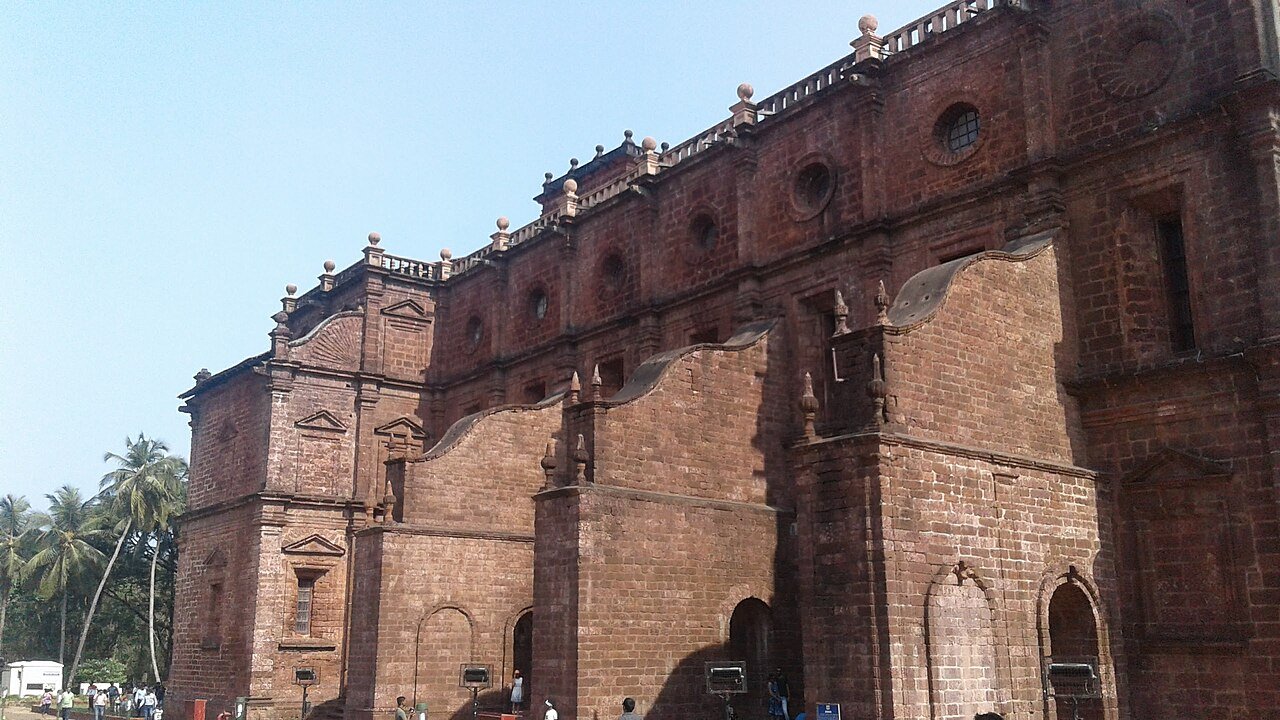
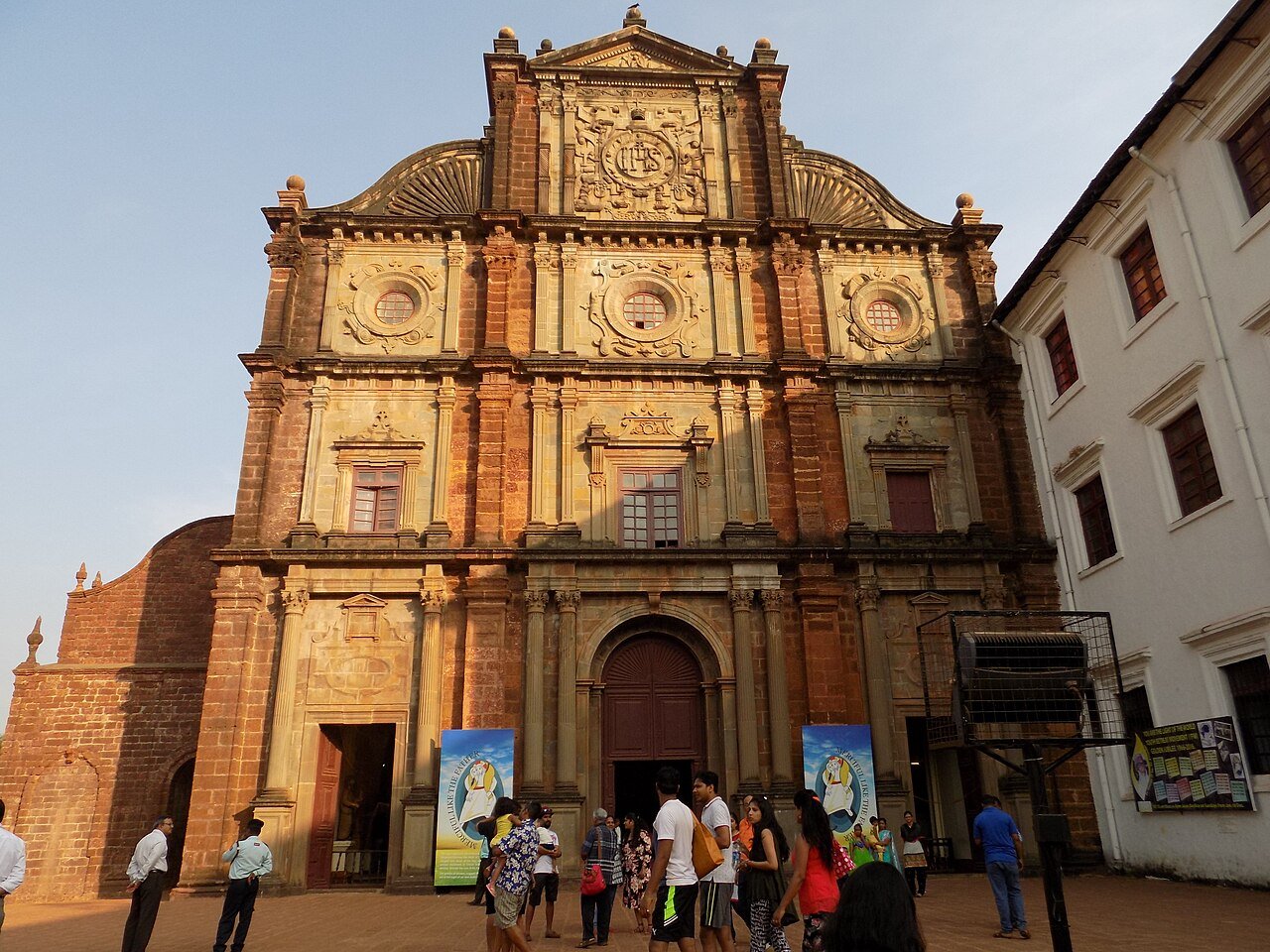
Inscribed by UNESCO in 1986, the Churches and Convents of Goa preserve the finest ensemble of Baroque religious architecture in Asia. Old Goa — Goa Velha — was the administrative heart of the Portuguese Estado da India from 1510, when Afonso de Albuquerque seized the city, until the capital moved to Panaji in 1843. The Basilica of Bom Jesus, begun in 1594 and consecrated in 1605, holds the remains of Francis Xavier in a silver urn inside a mausoleum of Italian marble commissioned in 1697 by Cosimo III de’ Medici, Grand Duke of Tuscany, and crafted by the Florentine sculptor Giovanni Battista Foggini. Opposite the basilica, the Sé Cathedral — completed in 1631 under Viceroy Dom Francisco Coutinho — stretches 91 metres and remains the largest church built by the Portuguese in Asia. The laterite stone of the older structures glows amber in the afternoon light, and the scent of incense drifts across the open square connecting the two buildings.
Getting there: Old Goa is 10 km east of Panaji; KTCL buses from Kadamba Bus Terminal run every 15–20 minutes (journey ~20 minutes, fare minimal) and drop passengers at the church square. North Goa taxis take the same time. Entry to most monuments is free; the Archaeological Survey of India charges a nominal fee for the museum inside the convent of St Francis of Assisi. Allow: 2–3 hours. Best for: Art historians, pilgrims, and anyone interested in how Portuguese colonial architecture fused European Baroque with Indian laterite building traditions.
Western Ghats — Goa Sector 1 hr 30 min from Panaji
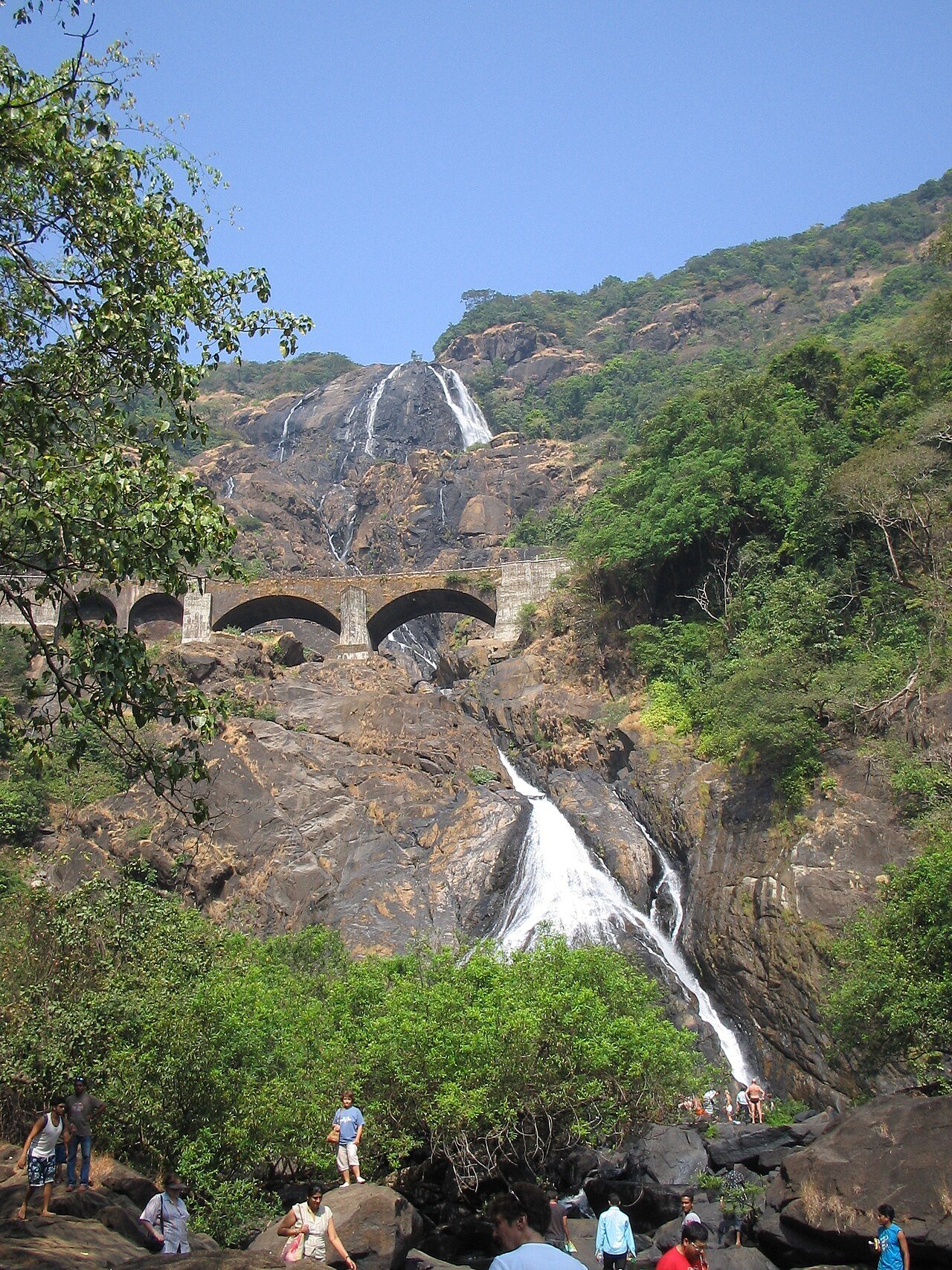
The Western Ghats received UNESCO World Heritage status in 2012 as a serial nomination of 39 sites across seven clusters, spanning 795,315 hectares from Gujarat to Kanyakumari. The inscribed area is recognised as one of the world’s eight biodiversity hotspots, sheltering 1,273 plant species endemic to the range along with 94 endemic amphibian species (78 percent of the Ghats’ amphibian total) and at least 14 endemic mammal species. In Goa, the accessible gateway into the inscribed zone is the Bhagwan Mahaveer Wildlife Sanctuary and Mollem National Park, a 240-square-kilometre protected area established as a wildlife sanctuary in 1969, roughly 57 km east of Panaji. The sanctuary hosts leopards, gaur, king cobras and hornbills — Goa’s state bird, the ruby-throated yellow bulbul, also frequents the forest. Dudhsagar Falls, a 310-metre cascade on the sanctuary’s eastern fringe, is among India’s tallest waterfalls. The air shifts noticeably on the ascent from coastal Goa: humidity gives way to cool shade under semi-evergreen canopy.
Getting there: The sanctuary entrance at Molem is approximately 57 km east of Panaji by NH4A; self-drive or hired taxi takes around 1 hour 30 minutes. There is no direct public bus; the nearest railhead is Castle Rock (Karnataka side) or Colem, from which jeep transfers operate for Dudhsagar. Entry permits and guide fees apply at the forest check-post; guides are mandatory for treks inside the sanctuary. Allow: Half a day minimum; a full day if including Dudhsagar. Best for: Wildlife observers, trekkers, and anyone wanting a contrast to the coast — bring sturdy footwear and carry water, as facilities inside are limited.
Frequently Asked Questions
How many UNESCO World Heritage Sites are near Goa?
Goa has two UNESCO World Heritage Sites. The Churches and Convents of Goa (Old Goa) were inscribed in 1986, and the Western Ghats — of which the Bhagwan Mahaveer Wildlife Sanctuary forms part of the Goa sector — were inscribed in 2012. Both are accessible as day trips from Panaji.
What is the closest UNESCO World Heritage Site to Goa?
The Churches and Convents of Goa in Old Goa are the closest, situated just 10 km east of Panaji and reachable in around 20 minutes by KTCL bus or taxi. The Western Ghats inscribed zone begins roughly 50–60 km from the coast, with the Bhagwan Mahaveer Wildlife Sanctuary about 57 km from the capital.
Do visitors need a visa to visit Goa’s UNESCO sites?
Most international visitors require an Indian e-Visa (e-Tourist Visa), available online before travel. Citizens of several countries — including Pakistan, Bangladesh and a handful of others — are not eligible for the e-Visa and must apply through an Indian embassy or consulate. The e-Visa covers stays up to 30 or 90 days and is issued for tourism, which includes heritage site visits. Check the official Indian government visa portal for current eligibility.
What is the best season to visit Old Goa and the Western Ghats?
October to March is the most comfortable window for both sites. Temperatures along the coast and in the Ghats are mild, and the monsoon (June–September) — while spectacular at Dudhsagar Falls — can make forest trails impassable and some sanctuary access restricted. Old Goa churches can be visited year-round, though the December feast of St Francis Xavier (3 December) draws very large crowds. Note that a dress code applies at all active churches: shoulders and knees should be covered.
Sources
- UNESCO World Heritage Centre — Churches and Convents of Goa (List No. 234)
- UNESCO World Heritage Centre — Western Ghats (List No. 1342)
- Archaeological Survey of India — asi.nic.in (Old Goa monument details)
- Wikipedia — Churches and Convents of Goa
- Wikipedia — Bhagwan Mahaveer Wildlife Sanctuary