Ireland holds two inscribed UNESCO World Heritage Sites — one reachable as a day trip from Dublin, the other demanding a two-day journey into County Kerry. A third UNESCO site, the Giant’s Causeway in Northern Ireland, lies two and a half hours north by direct bus. These are not casual detours; each rewards dedicated time and early planning. From Cultural Heritage Online.
Brú na Bóinne — Newgrange and Knowth 1 hr 15 min from Dublin
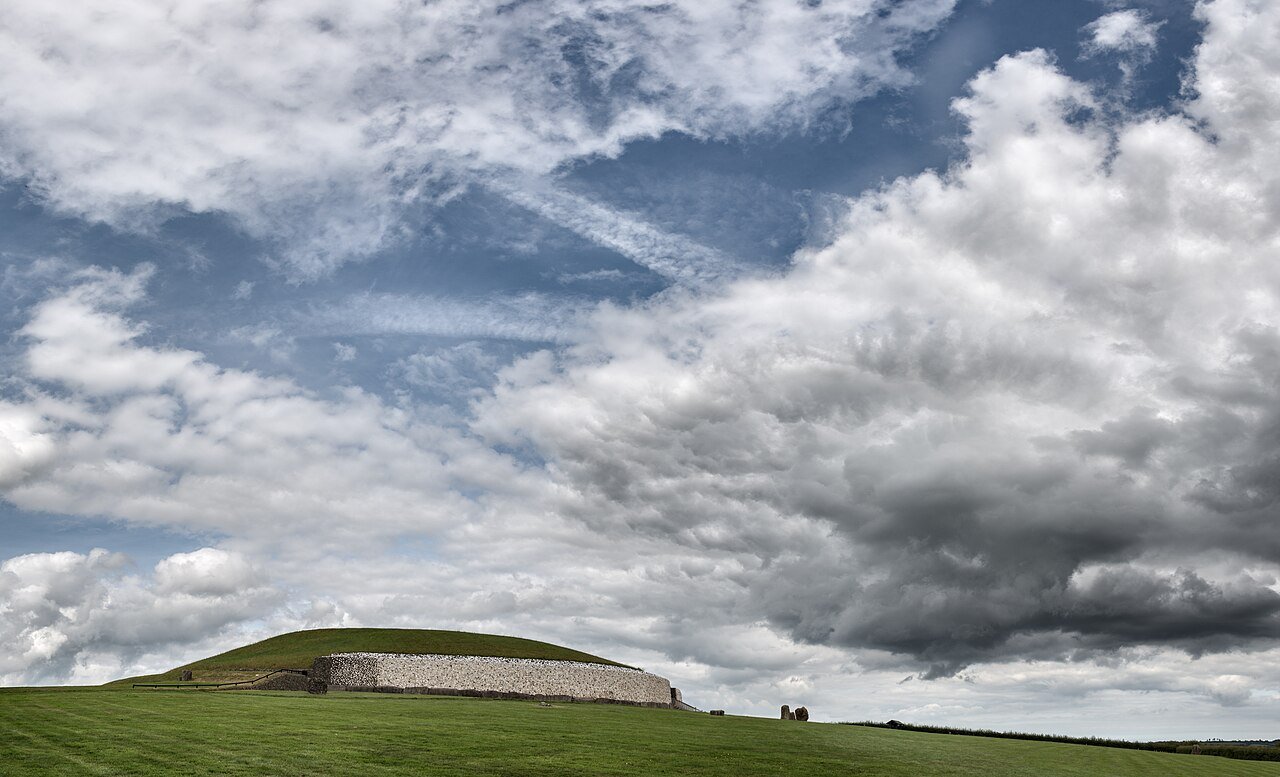
Inscribed by UNESCO in 1993 as the Archaeological Ensemble of the Bend of the Boyne, Brú na Bóinne contains at least ninety Neolithic monuments in a loop of the River Boyne in County Meath. The three principal passage tombs — Newgrange, Knowth, and Dowth — were constructed during the 32nd century BC, making them roughly five centuries older than Stonehenge and a thousand years older than the Great Pyramid of Giza. Together they hold the largest assemblage of megalithic art in Europe: abstract spirals, lozenges, and chevrons carved into stone that has endured five thousand years of Irish winters. On the winter solstice, the rising sun pierces the roof-box above Newgrange’s entrance passage and floods the inner chamber with light for seventeen minutes. It is a calculated alignment, not an accident. The site is accessed exclusively through the Brú na Bóinne Visitor Centre; no independent entry to the mounds is permitted.
Getting there: Bus Éireann route 100X from Dublin Busáras to Donore, then the Brú na Bóinne visitor shuttle (total approx. 1 hr 15 min). Advance booking for Newgrange chamber entry is essential; Knowth is included in the standard visitor centre ticket. Allow: 3–4 hours. Best for: anyone willing to plan ahead for Ireland’s most significant prehistoric landscape — a true day trip from Dublin.
Sceilg Mhichíl (Skellig Michael) Full 2-day journey from Dublin
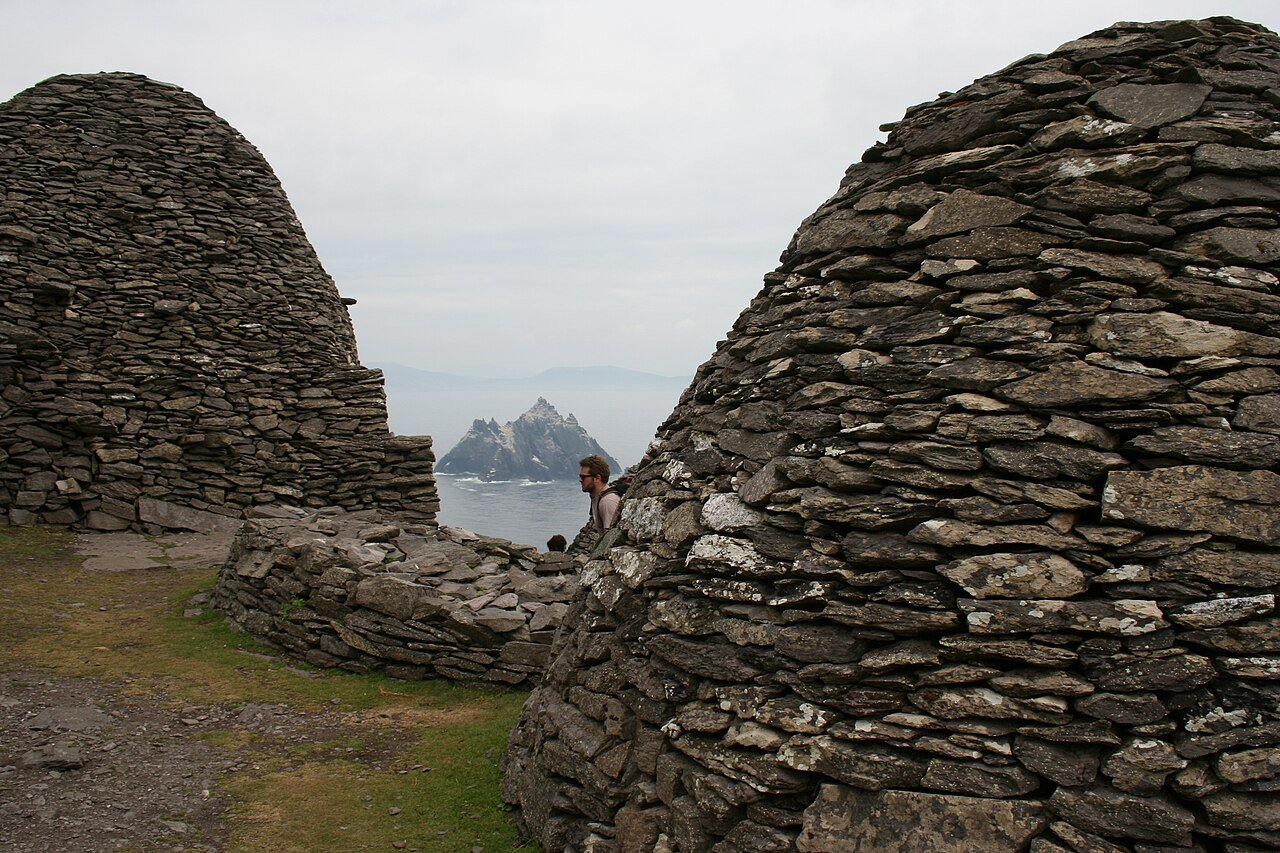
Be direct with yourself: Skellig Michael is not a day trip from Dublin. UNESCO inscribed it in 1996, and the site’s isolation is part of its power. Rising 218 metres above the Atlantic 11.6 kilometres off the Iveragh Peninsula in County Kerry, this rock pinnacle shelters one of the most intact Early Christian monastic settlements in Europe. Between the 6th and 8th centuries, ascetic monks chose this vertiginous outpost deliberately, constructing six dry-stone beehive cells, two oratories, and a network of steep stone steps from sea level to the monastery — all without mortar, all still standing. The silence up there is absolute, broken only by the wind and the cries of gannets spiralling off Little Skellig below. Visiting requires advance booking through the OPW permit system, and boats operate only from May to September, subject to sea conditions. Some days the crossing is cancelled outright.
Getting there: Irish Rail to Killarney (approx. 3 hrs), then taxi or bus to Portmagee (approx. 1 hr), then seasonal boat crossing to the island (approx. 1.5 hrs each way). Plan for a minimum of two days: one overnight in Portmagee or Ballinskelligs before the morning boat. Allow: 3 hours on the island. Best for: travellers who want to earn their UNESCO site — boat permits are limited and the experience is unlike anything else in Ireland.
Giant’s Causeway and Causeway Coast 2 hrs 30 min from Dublin
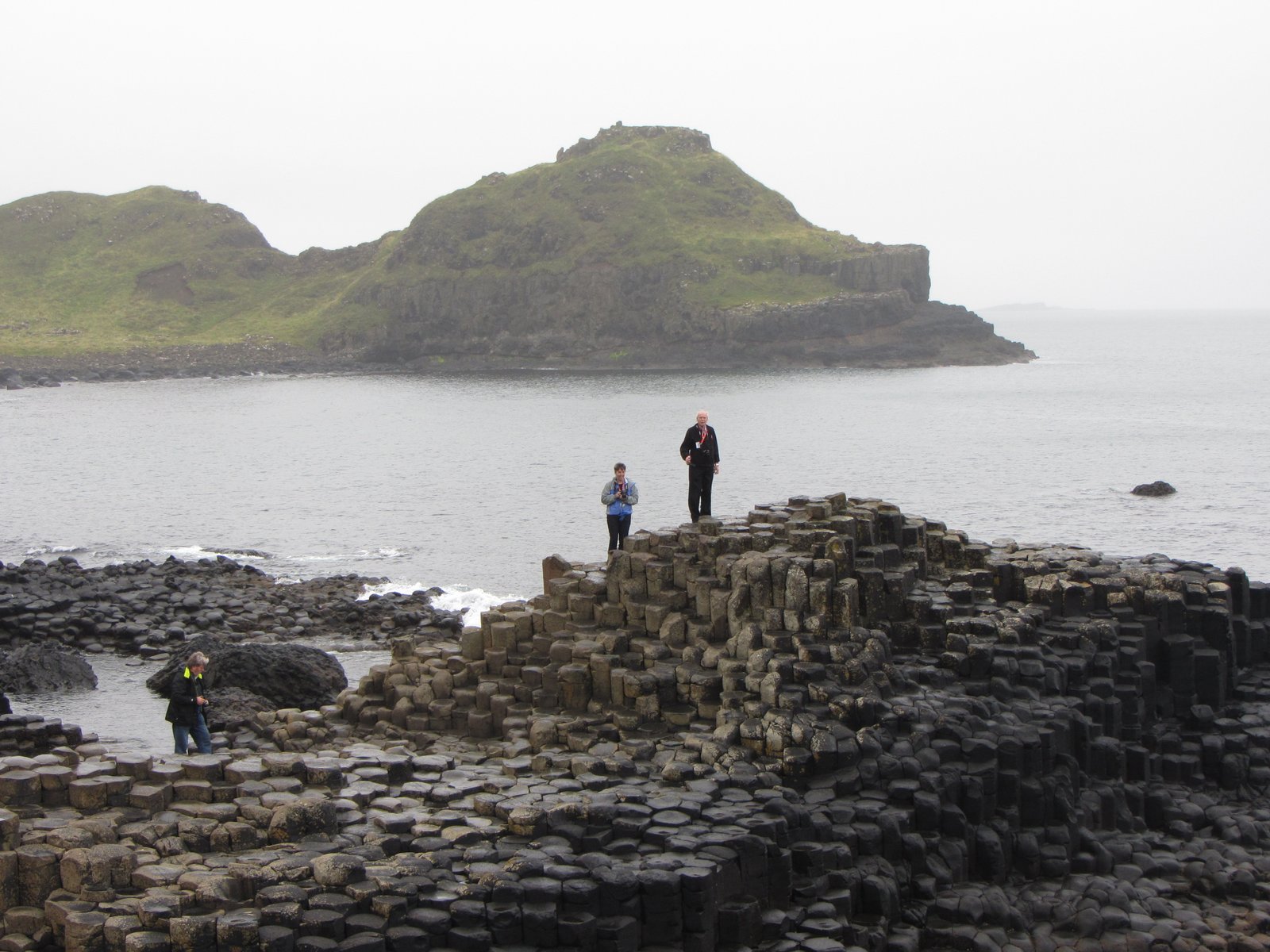
The Giant’s Causeway sits in Northern Ireland, not the Republic — a detail that affects currency and political context but not the sheer strangeness of the geology. UNESCO designated it a World Heritage Site in 1986, recognising approximately 40,000 interlocking basalt columns that emerge from the sea near Bushmills in County Antrim. The tallest columns reach around 12 metres. They formed during a volcanic fissure eruption in the Paleogene period, roughly 50 to 60 million years ago, when lava cooled and contracted into the characteristic hexagonal geometry that covers the headland like a natural cobblestone. Walking across them — the basalt is firm underfoot, each column slightly different in height — produces a sensation somewhere between geological awe and mild vertigo. Irish legend names the builder as the giant Fionn mac Cumhaill, who constructed the causeway to reach his Scottish rival Benandonner across the water. The National Trust manages the site; entry to the stones themselves is free, though car parking carries a fee.
Getting there: Translink Goldline bus from Dublin Busáras direct to Coleraine or Ballycastle, with connections to the Causeway (approx. 2 hrs 30 min total, cross-border service into Northern Ireland). Allow: 2–3 hours. Best for: a long day trip that combines geology and coastline — Northern Ireland’s most visited natural site and an easy direct bus from the capital.
Frequently Asked Questions
How many UNESCO World Heritage Sites are near Dublin?
There are three UNESCO World Heritage Sites reachable from Dublin. Ireland itself has two inscribed sites — Brú na Bóinne (1993) and Skellig Michael (1996). The Giant’s Causeway (1986) lies across the border in Northern Ireland and is accessible by direct bus in around two and a half hours.
What is the closest UNESCO World Heritage Site to Dublin?
Brú na Bóinne — the Archaeological Ensemble of the Bend of the Boyne in County Meath — is the closest, roughly 50 kilometres north of Dublin. Bus Éireann route 100X reaches Donore in about an hour and fifteen minutes, and the Brú na Bóinne visitor shuttle connects from there to the sites.
Do you need to book in advance to visit Newgrange or Skellig Michael?
Yes for both. Entry into the Newgrange passage tomb chamber requires advance booking through the Brú na Bóinne Visitor Centre — numbers are strictly limited. Skellig Michael requires a permit through the OPW (Office of Public Works) booking system; access is also capped, boats are seasonal (May–September), and crossings depend entirely on Atlantic weather conditions.
Can you visit the Giant’s Causeway as a day trip from Dublin?
Yes. The Translink Goldline operates a direct cross-border bus from Dublin Busáras to the Causeway Coast, taking approximately two and a half hours. The stones themselves are free to walk on — only the National Trust car park carries an admission charge. An early departure allows four or five comfortable hours at the site before the return journey.
Sources used in this article
- UNESCO World Heritage Centre — World Heritage List.
- Wikipedia — Brú na Bóinne.
- Wikipedia — Skellig Michael.
- Wikipedia — Giant’s Causeway.
- CHO — Interactive heritage map.