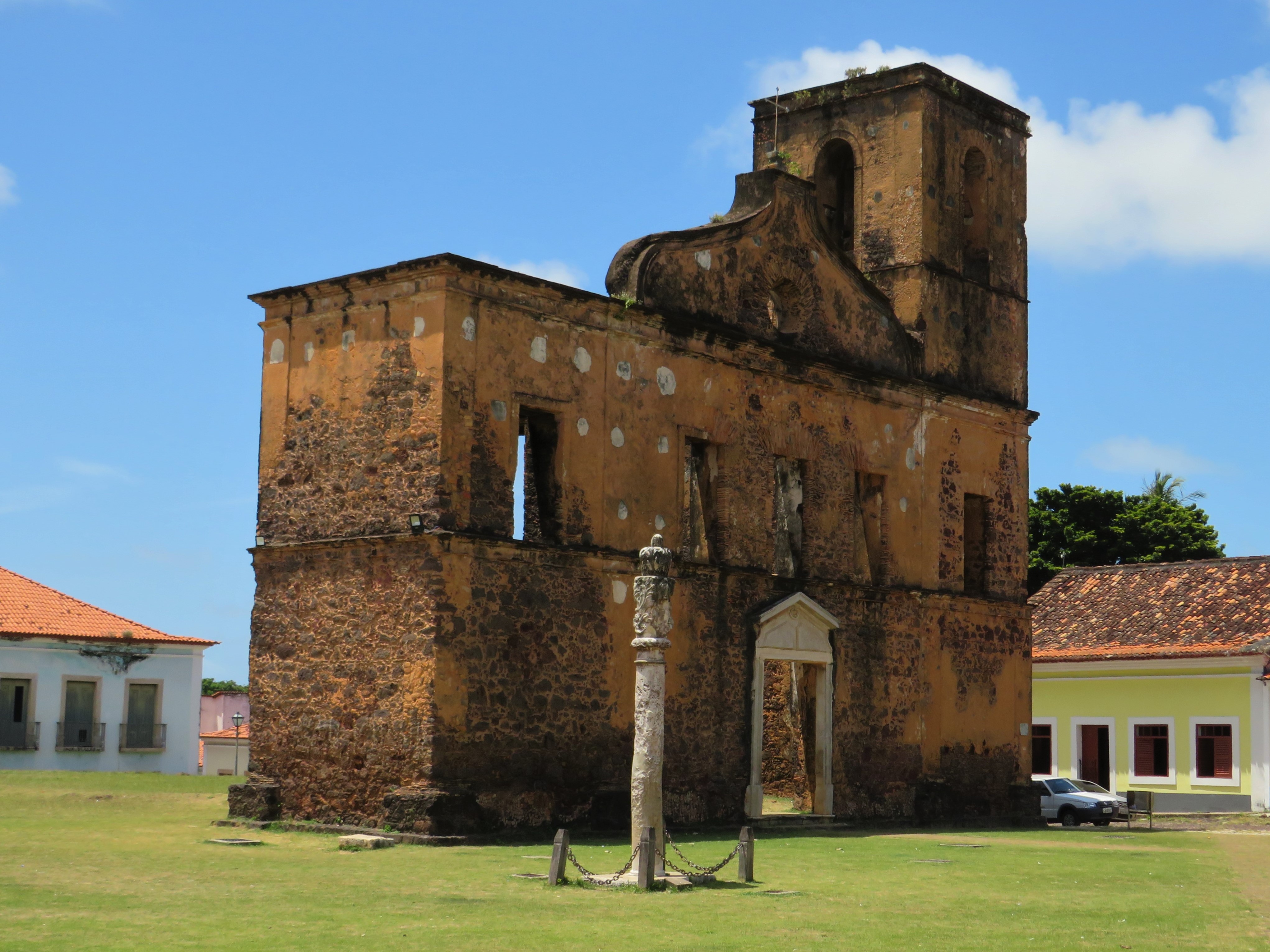
Presented in March 2023, Alcântara—a municipality in Maranhão State with approximately 22,000 inhabitants spread across 1,457.96 square kilometres—was officially designated a Monument City of Brazil in 1948. Known as the Pompeii of colonialism, the city sits on the opposite shore of the bay facing the island of São Luís and is reached by catamaran, typically a journey of about one and a half hours depending on tides. The city represents one of the few Brazilian settlements that offers a genuine immersion into the nation’s historical past, relatively untouched by mass tourism and modernisation.
Two Periods of Significance
Alcântara was founded in 1600 by the Portuguese and developed through two major historical phases. During the first period, spanning the 17th and 18th centuries, the Maranhão aristocracy chose it as a privileged residential seat, giving rise to most of the city’s surviving buildings and monuments. The second significant phase occurred during Brazil’s Imperial period (1822–1889), when the city became a substantial economic centre. The construction of the first sugar mills (engenhos de cana-de-açúcar) catalysed new economic and political elites, spurring construction of noteworthy palaces and monuments throughout the 18th century. This prosperity collapsed in the 20th century when sugar production declined sharply, forcing many inhabitants to emigrate and leaving much of the city abandoned—a circumstance that paradoxically preserved its historical character.
Key Historical Landmarks
The historic heart of Alcântara comprises the Pelourinho and the Igreja e Convento do Carmo, representing the enslaved African and colonial cultures that defined the settlement. The Pelourinho, a granite column over three metres tall, stands in the principal plaza near the port. Enslaved people were tied to this column for public punishment when they violated rules, before execution. Today it is flanked by a green peace-symbol flag. The Igreja e Convento do Carmo, founded by Carmelites between 1646 and 1665, exemplifies Brazilian baroque architecture. The convent was abandoned from 1890 onward, when the Carmelite order was stripped of its holdings and the building converted into a Portuguese fortress.
The Rua do Jacaré, ascending from Porto do Jacaré, displays the Imperial-era character of the city. Its pavement combines dark (cabeça-de-negro) and light stones typical of the region, while colourful colonial houses line both sides and remain inhabited by local residents. Nearby stands the Palácio do Barão de Mearim, a 17th-century structure intended to host Emperor Dom Pedro II but left unfinished—only its perimeter walls, columns, and stone arches remain visible. The Rua da Amargura and former Rua Bela Vista, inhabited by local bourgeoisie, offer characteristic views blending ruins, daily life, and vistas of the small port and ocean.
Neighbouring Island
Less than twenty minutes by boat from Alcântara lies Ilha do Livamento, visible from the overlooking hill. The island has no formal dock; visitors wade ashore near the main beach. The island can be explored in under an hour by walking along the shoreline, observing its extended beaches and reddish cliffs of varied forms against the sometimes turbulent ocean. One indigenous inhabitant, Dona Mocinha, lives in solitude on the island, immersed in nature.
On video
Frequently asked questions
What does the Pelourinho represent?
The Pelourinho is a granite column over three metres tall to which enslaved people were tied for public punishment when they violated rules, serving as a physical symbol of the brutal system of slavery central to Alcântara’s colonial economy.
When did Alcântara’s economic decline begin?
The city experienced a sharp decline in the 20th century when sugar-cane production—its primary source of prosperity—fell steeply, forcing many inhabitants to emigrate and leaving large sections of the city abandoned.
How many people live in Alcântara today?
Approximately 22,000 inhabitants are distributed across the municipality’s 1,457.96 square kilometres.
On the heritage map: Alcântara
Sources
- S1 — Box, Ben. South American Handbook. Footprint Handbooks, 2014. ISBN 978-1-909268-91-3.
- S2 — Bethell, Leslie, ed. Colonial Brazil. Cambridge University Press, 1987. ISBN 978-0-521-34925-3.
Spotted an error? Write to editorial@culturalheritageonline.com and we correct it the same day.