
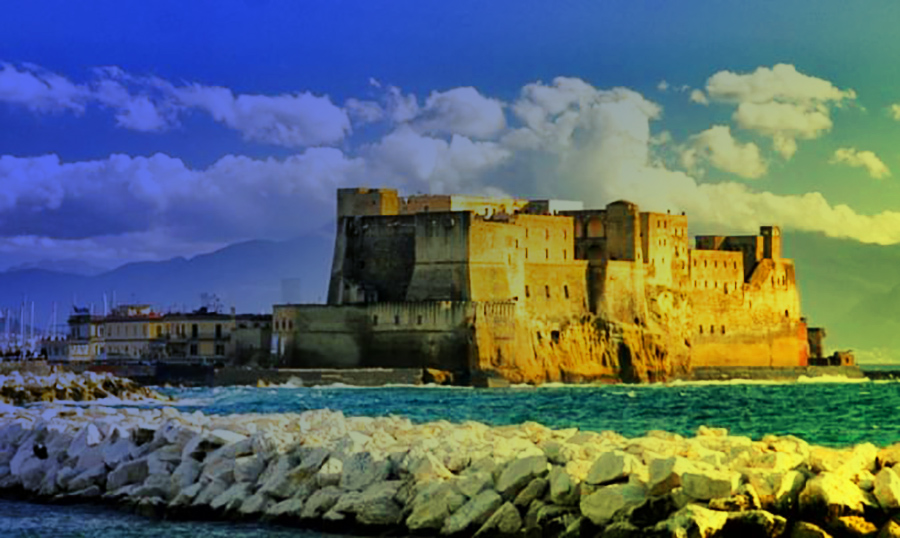
Presented in March 2019, Castel dell’Ovo stands as the oldest castle in Naples and remains one of the most prominent features in the panorama of its gulf. Though substantially altered through various reconstructions across the centuries, it has retained its position as a landmark of the city’s skyline.
The Legend of Virgil’s Egg
The castle’s distinctive name originates from an ancient legend centred on the Latin poet Virgil, who was also regarded as a magician during the Middle Ages. According to this tale, Virgil concealed within the castle’s dungeons an egg possessing the power to sustain the entire fortress. Should the egg break, the legend held, not only would the castle collapse but a series of catastrophic disasters would befall Naples itself.
Fourteenth-Century Crisis and Royal Intervention
During the fourteenth century, the castle suffered significant damage. To prevent panic from spreading among the population, the reigning queen found herself compelled to swear publicly that she had replaced the egg, thereby reassuring the people of the fortress’s continued protection.
Frequently asked questions
Why is the castle called Castel dell’Ovo?
The name derives from a medieval legend in which the Latin poet Virgil, considered a magician in the Middle Ages, hid a magical egg in the castle’s dungeons to keep the fortress standing. Breaking the egg was believed to cause the castle’s collapse and disasters for Naples.
What happened to the castle in the fourteenth century?
The castle suffered extensive damage during the fourteenth century, causing panic among the population. The queen had to publicly swear she had replaced the egg to reassure citizens and prevent widespread fear.
What is the current state of Castel dell’Ovo?
The castle no longer retains its original appearance due to numerous reconstructions over the centuries, though it remains a prominent element of Naples’ gulf panorama.