
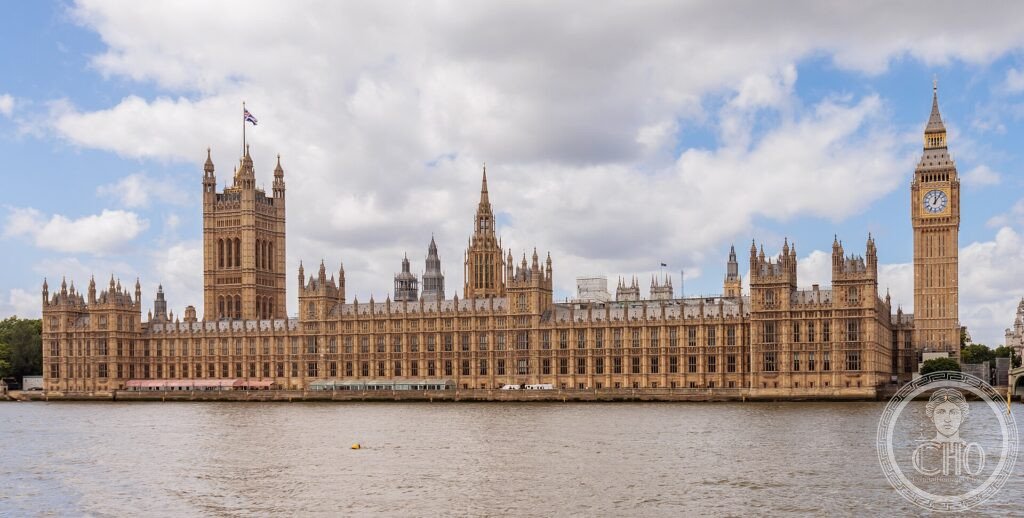
In a single corner of London lies the heart of British monarchy and democracy: Westminster Abbey, where kings have been crowned since 1066, and the Palace of Westminster, seat of Parliament, with the clock tower the world calls Big Ben.
At a glance
The Westminster site brings together three monuments at the symbolic heart of Britain: Westminster Abbey, the Palace of Westminster and the small church of Saint Margaret. The Abbey has been the coronation church of English and British monarchs since 1066 and the burial place of kings, poets and scientists. The Palace, rebuilt in spectacular neo-Gothic style after a fire in 1834, is the seat of Parliament, its clock tower known worldwide as Big Ben. The ensemble was inscribed by UNESCO in 1987.
Key facts
- UNESCO: World Heritage since 1987 (Palace of Westminster, Westminster Abbey and Saint Margaret’s Church)
- Westminster Abbey: coronation church of the monarchy since 1066, in Gothic style
- Palace of Westminster: the Houses of Parliament, rebuilt 1840s–1870s after the 1834 fire
- Architects of the Palace: Sir Charles Barry with Augustus Welby Pugin
- Big Ben: the great bell in the Elizabeth Tower, by which the clock is popularly known
- Burials: monarchs, poets in Poets’ Corner, and scientists including Newton and Darwin
History
A church has stood at Westminster since Anglo-Saxon times; the abbey was rebuilt by Edward the Confessor and consecrated in 1065, and from the coronation of William the Conqueror in 1066 it has crowned England’s and Britain’s monarchs. Henry III began the present Gothic church in the 13th century. Around it grew the royal Palace of Westminster, the seat of king and, increasingly, of Parliament.
In 1834 a fire destroyed most of the old palace. Its replacement, designed by Charles Barry and detailed by Pugin in a romantic Gothic Revival style, became the image of British government, completed with the clock tower now called the Elizabeth Tower, whose bell is Big Ben. The Abbey, the Palace and St Margaret’s together embody more than a thousand years of monarchy, faith and parliamentary democracy.
What you see
Westminster Abbey soars in pointed arches and fan vaulting, from the Cosmati pavement before the high altar to the Lady Chapel of Henry VII; Poets’ Corner and the tombs of monarchs line the aisles. Next door, the Palace presents its long riverfront of pinnacles, with the Victoria Tower at one end and the Elizabeth Tower and Big Ben at the other.
St Margaret’s, the parish church of the House of Commons, stands modestly between the two giants.
Practical information
- Abbey: admission charged; closed to tourists during services
- Parliament: tours available, especially when the Houses are in recess
- Time needed: half a day for the Abbey and the exterior of the Palace
- Note: security is strict; allow time for checks
Getting there
Westminster lies on the north bank of the Thames in central London. Westminster Underground station emerges beside Big Ben; the Abbey is a short walk south. GPS: 51.4995° N, 0.1248° W.
Nearby
- Buckingham Palace — the monarch’s London residence, a short walk through St James’s Park
- Churchill War Rooms — the wartime underground command centre nearby
- Tower of London — the Norman fortress, also UNESCO-listed, downstream
Sources
- UNESCO World Heritage Centre — “Palace of Westminster and Westminster Abbey including Saint Margaret’s Church” (ref. 426)
- Westminster Abbey — official site; UK Parliament — official site
- Encyclopaedia Britannica — Westminster Abbey; Palace of Westminster
Find it on the map
See this place and what’s around it →📷 Become a Cultural Heritage Online photographer
Share your photos of places: they stay published under your name as the author. The more they're seen, the more you get noticed — and soon a contest will reward the most appreciated photos.
Log in or sign up free to add a photoIs this page about you?
This page is read by travellers and heritage enthusiasts who find it on Google. Tell us how you are connected to this place and we will take it from there.