

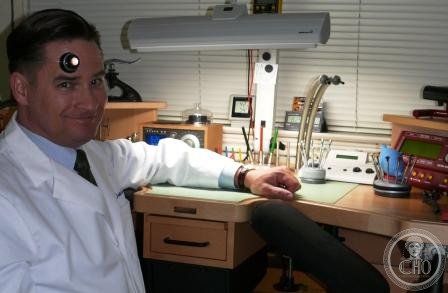
In the heart of eastern France, Besançon preserves a centuries-old tradition of mechanical watchmaking, where artisans craft and repair timepieces with precision and skill passed down through generations.
At a glance
Watchmaking in Besançon represents the art of creating and maintaining mechanical watches—instruments of extraordinary complexity requiring deep technical knowledge and manual dexterity. Master watchmakers design, assemble, and repair timepieces by hand, fabricating parts when necessary and ensuring each mechanism functions with absolute precision.
Origins and history
Watchmaking emerged as a distinct craft from clockmaking, with artisans specializing in portable timekeeping devices. Originally, watchmakers were master craftsmen who built entire watches from individual components, creating every spring, gear, and jewel by hand. Besançon developed into a major European watchmaking center, its reputation rooted in generations of skilled artisans dedicated to the trade.
The tradition today
Modern watchmakers in Besançon balance heritage with contemporary practice. Many have completed formal watchmaking degrees at technical schools and continue in-house training within the industry. While some focus on servicing current production watches using factory spare parts, independent watchmakers—a growing minority—maintain the traditional skills of fabricating replacement components for older timepieces where factory parts no longer exist. This requires mastery of metallurgy, mechanics, and design.
Watchmakers today also provide specialized restoration services: case polishing, ultrasonic cleaning, and detailed movement inspection to preserve both function and beauty. Access to genuine spare parts remains restricted, particularly among Swiss manufacturers, though some prestigious brands—including Rolex and Omega—pre-qualify independent watchmakers who meet rigorous standards for cleanliness, training, equipment, and credentials.
Cultural significance
Watchmaking embodies human ingenuity and patience. Each timepiece represents hundreds of hours of labor and an intimate understanding of mechanical systems. In Besançon, the craft sustains a connection to artisanal values—precision, quality, and accountability—that industrial manufacturing cannot replicate. The tradition preserves knowledge systems that might otherwise vanish.
Key facts
- Country: France
- Anchor community: Besançon
- UNESCO Intangible Cultural Heritage: Craftsmanship of mechanical watchmaking and art mechanics (Representative List)
- Watchmakers traditionally fabricate all parts by hand; modern practitioners often combine factory service work with independent restoration
- Training typically occurs through formal technical education and in-house brand certification
Where to experience it
Besançon’s watchmaking heritage is visible in its museums, heritage sites, and active workshops. You can observe artisans at work and learn about the craft’s history in the city’s cultural institutions dedicated to timekeeping arts.
Sources & resources
- Watchmaker – Wikipedia
- Cultural Heritage Online
Find it on the map
See this place and what’s around it →📷 Become a Cultural Heritage Online photographer
Share your photos of places: they stay published under your name as the author. The more they're seen, the more you get noticed — and soon a contest will reward the most appreciated photos.
Log in or sign up free to add a photo