

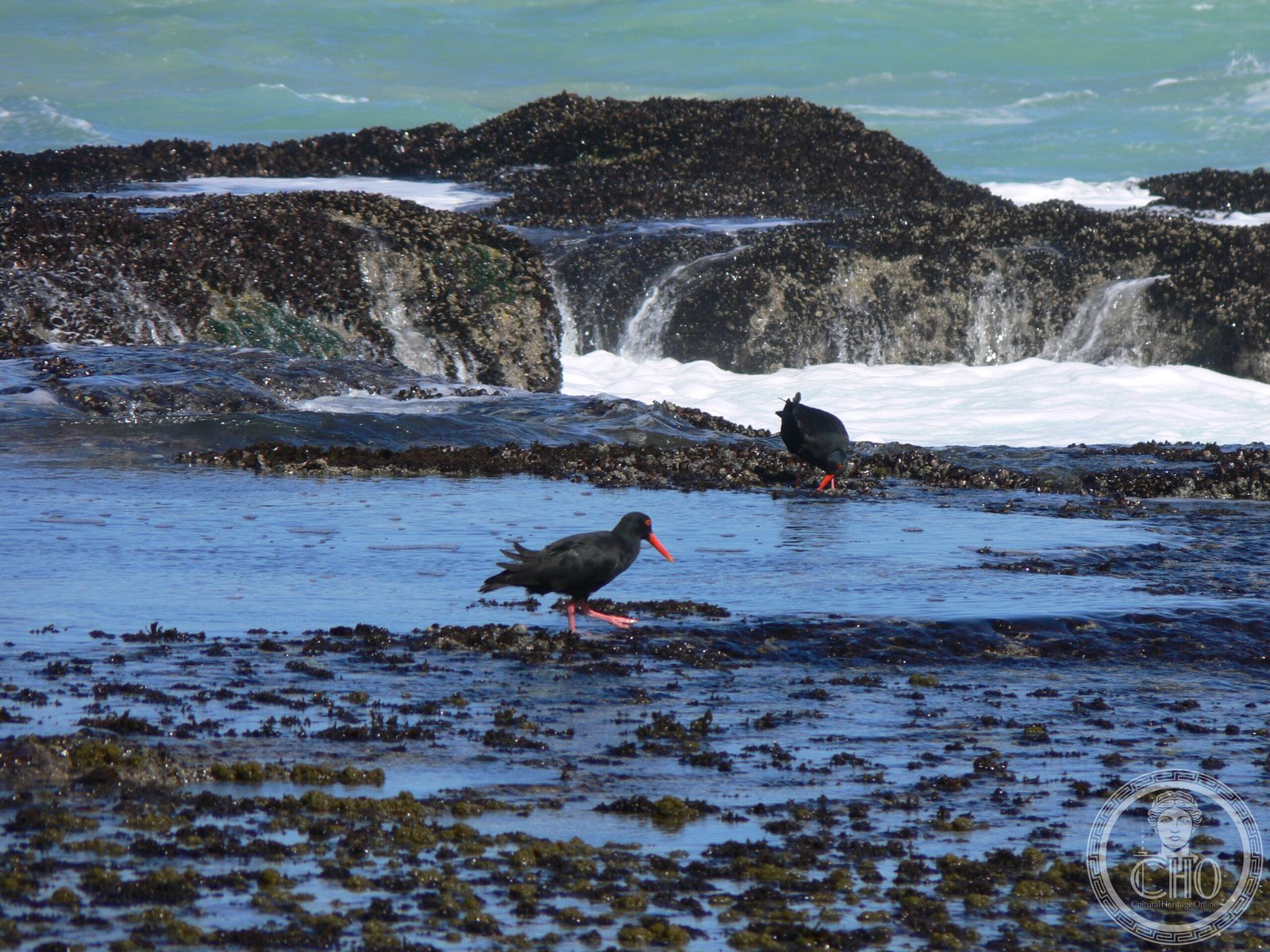
A sprawling coastal wilderness near Africa’s southern tip, De Hoop protects fynbos ecosystems and marine life across 340 square kilometres of pristine landscape.
At a glance
De Hoop Nature Reserve spans approximately 340 square kilometres in South Africa’s Western Cape, positioned three hours from Cape Town in the Overberg region near Cape Agulhas. It ranks among the largest natural areas managed by CapeNature, the provincial conservation authority.
History
De Hoop was designated as a protected area to safeguard the unique fynbos vegetation and coastal ecosystems of the southern Cape. The reserve forms part of the Cape Floral Region Protected Areas, a UNESCO World Heritage Site recognizing the exceptional biodiversity of South Africa’s southwestern coast.
What you see
The landscape combines dramatic coastal cliffs, sandy beaches, and interior heathland dominated by fynbos—a fire-adapted shrubland endemic to the Western Cape. Marine and terrestrial habitats create distinct ecological zones within the reserve’s boundaries.
Cultural significance
As a component of the Cape Floral Region Protected Areas World Heritage Site, De Hoop contributes to global conservation of one of the world’s most botanically diverse temperate regions. The reserve protects critical habitat for endangered species and represents an irreplaceable natural heritage.
Key facts
- Country: South Africa
- Region: Western Cape Province, Overberg
- Area: 340 square kilometres (130 square miles)
- Nearest city: Cape Town (approximately three hours’ drive)
- Coordinates: 34.43°S, 20.55°E
- Marine protected area extends three nautical miles offshore
- UNESCO World Heritage Site component
Practical information & getting there
De Hoop is accessible by vehicle from Cape Town via the Overberg region, approximately three hours’ drive. For current opening hours, accommodation options, entrance fees, and visitor facilities, consult CapeNature’s official website or contact the reserve directly.
Sources & resources
Find it on the map
See this place and what’s around it →📷 Become a Cultural Heritage Online photographer
Share your photos of places: they stay published under your name as the author. The more they're seen, the more you get noticed — and soon a contest will reward the most appreciated photos.
Log in or sign up free to add a photo