
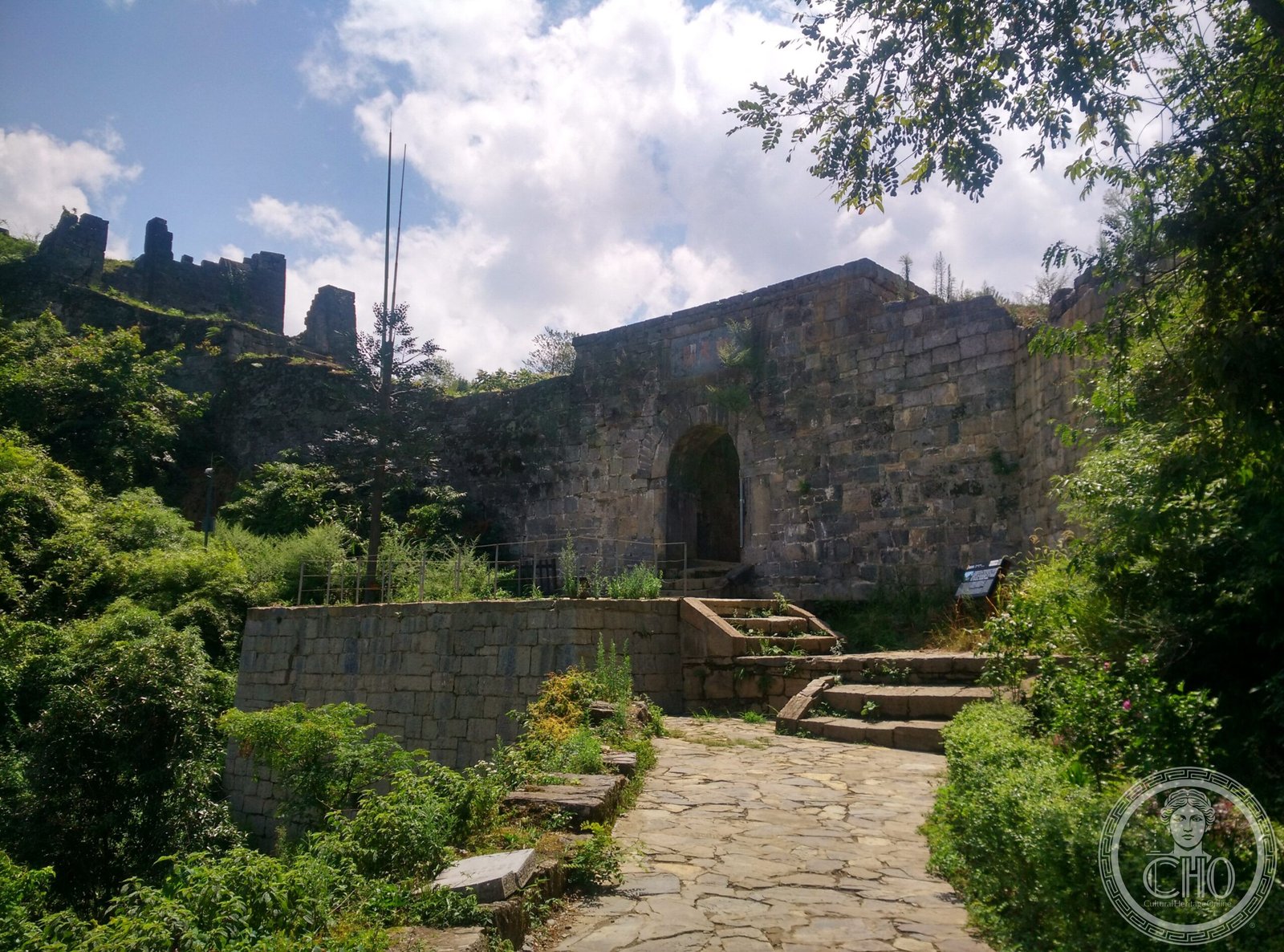
Three ancient administrative centers in mountainous Southwest China that preserve evidence of the tusi governance system—a unique feudal arrangement that granted local authority to indigenous chieftains under imperial Chinese oversight for over seven centuries.
At a glance
The Tusi Sites comprise three distinct locations showcasing the architectural and administrative legacy of tusi rule. Designated a UNESCO World Heritage Site in 2015, they represent China’s 48th inscription on the World Heritage List and stand as exceptional testimonies to a political system that balanced central control with regional autonomy across mountainous terrain.
History
The tusi system emerged during China’s imperial period as a pragmatic governance strategy. Rather than impose direct rule over remote mountainous regions in the southwest, the imperial court appointed or recognized local chieftains as administrators—granting them hereditary authority in exchange for nominal allegiance and tribute. This arrangement proved remarkably durable, persisting from the 13th century through the 20th century, adapting to successive dynasties and political changes. The three Tusi Sites preserve physical evidence of how this system functioned across different eras and communities.
What you see
The sites feature the defensive structures, administrative buildings, and residential complexes that characterized tusi settlements. These constructions reflect the synthesis of indigenous architectural traditions and Chinese imperial influences—a material expression of the cultural and political hybridity that defined the tusi system.
Cultural significance
The Tusi Sites document a distinctive approach to imperial administration that respected regional complexity and indigenous authority. They illustrate how mountain geography shaped governance strategies and demonstrate the resilience of cultural practices across centuries of political transformation in China’s southwest.
Key facts
- Country: China
- Region: Southwest China (mountainous)
- Coordinates: 28.9986°N, 109.9669°E
- UNESCO World Heritage Site: Yes (inscribed July 3, 2015)
- China’s designation number: 48th World Heritage Site
- Historical span: 13th–20th centuries
Practical information & getting there
The three Tusi Sites are located in the mountainous regions of Southwest China. Detailed access information and visitor facilities vary by site. Consult local tourism resources or UNESCO’s World Heritage database for current opening hours, admission fees, and transportation options.
Sources & resources
Find it on the map
See this place and what’s around it →📷 Become a Cultural Heritage Online photographer
Share your photos of places: they stay published under your name as the author. The more they're seen, the more you get noticed — and soon a contest will reward the most appreciated photos.
Log in or sign up free to add a photo