
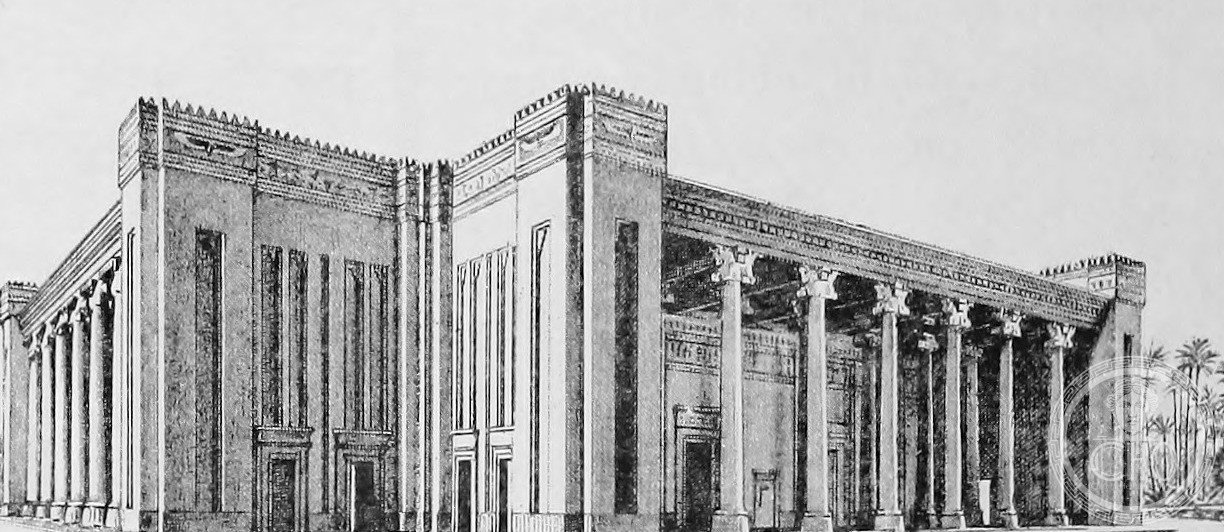
One of the ancient world’s great power centers, Susa commanded the crossroads between Mesopotamia and the Persian plateau, serving as capital to empires and dynasties across three millennia.
At a glance
Susa was an ancient city in southwestern Iran, lying between the Karkheh and Dez Rivers in the lower Zagros Mountains, approximately 250 km east of the Tigris. The modern city of Shush now occupies this storied site. Its strategic location made it a dominant force in the ancient Near East for countless generations.
History
Susa rose to prominence as the capital of Elam, one of the earliest civilizations in the region. Its importance only deepened when it became the winter capital of the Achaemenid Empire, the vast Persian state that dominated the eastern Mediterranean world. Following the Achaemenids, Susa remained a vital strategic center through the Parthian and Sasanian periods, testament to its enduring geographical and political significance.
What you see
The archaeological site preserves layers of occupation spanning millennia. Visitors encounter remains from multiple periods of habitation and rule, reflecting the city’s continuous importance across different empires and dynasties.
Cultural significance
Susa represents a meeting point of civilizations—where Mesopotamian, Elamite, and Persian cultures intersected and influenced one another. Its role as a capital of the Achaemenid Empire places it among the most important sites for understanding ancient Persian power and administration. The city’s persistence across political transitions demonstrates the enduring appeal of its location and resources.
Key facts
- Country: Iran
- Modern city: Shush
- Coordinates: 32.19°N, 48.26°E
- UNESCO World Heritage Site: Yes
- Location: Lower Zagros Mountains, between Karkheh and Dez Rivers
Practical information & getting there
Susa lies in Khuzestan Province in southwestern Iran. The archaeological site is accessible via the modern city of Shush. For current visiting hours, facilities, and travel requirements to Iran, consult official tourism resources before planning your visit.
Sources & resources
Find it on the map
See this place and what’s around it →📷 Become a Cultural Heritage Online photographer
Share your photos of places: they stay published under your name as the author. The more they're seen, the more you get noticed — and soon a contest will reward the most appreciated photos.
Log in or sign up free to add a photo