
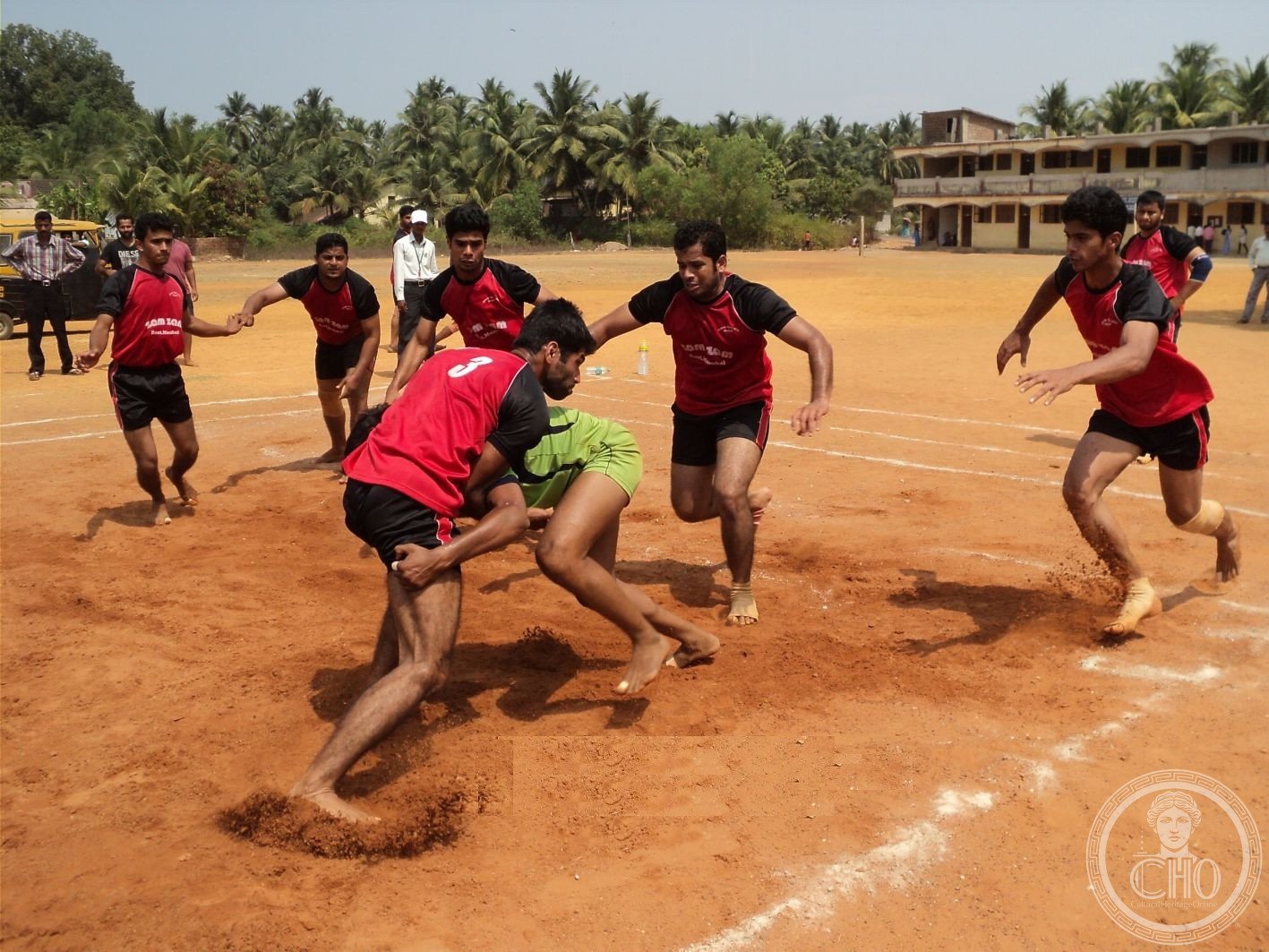
Physical activities played for centuries across cultures, traditional sports and games embody the values, spirituality, and social bonds of communities worldwide. UNESCO recognises them as living intangible heritage worthy of preservation and celebration.
At a glance
Traditional sports and games (TSG) represent physical activities practised for centuries by peoples globally, predating modern Western sports by centuries. They encode religious duties, social cooperation, and a community’s relationship to the natural world. Many TSGs declined during colonialism as Western sports were imposed; UNESCO now champions their revival as expressions of cultural identity and intercultural dialogue.
Origins and history
Traditional sports and games emerge from the lived experience of communities across time and geography. They were integral to ritual life, social cohesion, and the transmission of values long before the advent of codified modern sport. The colonial era brought sharp decline as Western athletic practices supplanted local traditions. Post-colonial periods have seen further erosion, though global recognition of TSG as intangible cultural heritage has catalysed renewed interest in their documentation and practice.
The tradition today
Contemporary TSG practice spans continents and cultures. UNESCO established a dedicated TSG Advisory Committee and has convened four Collective Consultation Meetings—in Paris (2006), Tehran (2009), Paris (2017), and Istanbul (2018), the last drawing more than 82 participants from 40 countries. These gatherings bring together scholars, practitioners, and cultural custodians to share knowledge, develop preservation strategies, and explore TSG’s potential as a bridge between communities. Practitioners and researchers work to document games and sports at risk of disappearing.
Cultural significance
Traditional sports and games function as living repositories of cultural identity, spiritual practice, and environmental knowledge. They strengthen social bonds within communities and create spaces for celebrating shared values. By promoting ludodiversity—the rich variety of play forms across cultures—TSG challenges the homogenising effect of globalised Western sport and asserts the legitimacy of multiple ways of moving, competing, and belonging together.
Key facts
- Country: Belgium
- Anchor community: Ghent
- UNESCO Intangible Cultural Heritage: Listed on the Representative List (Programme of cultivating ludodiversity)
- Span: Physical activities practised for centuries across all continents
- Focus: Preservation, documentation, and intercultural dialogue through sport and play
Where to experience it
You can engage with traditional sports and games through local cultural organisations, universities, and heritage institutions in Ghent and across Belgium. UNESCO’s official platform and regional intangible heritage programmes provide information on TSG practices in your area. Many communities host festivals, workshops, and demonstrations celebrating traditional play forms.
Sources & resources
Find it on the map
See this place and what’s around it →📷 Become a Cultural Heritage Online photographer
Share your photos of places: they stay published under your name as the author. The more they're seen, the more you get noticed — and soon a contest will reward the most appreciated photos.
Log in or sign up free to add a photo