

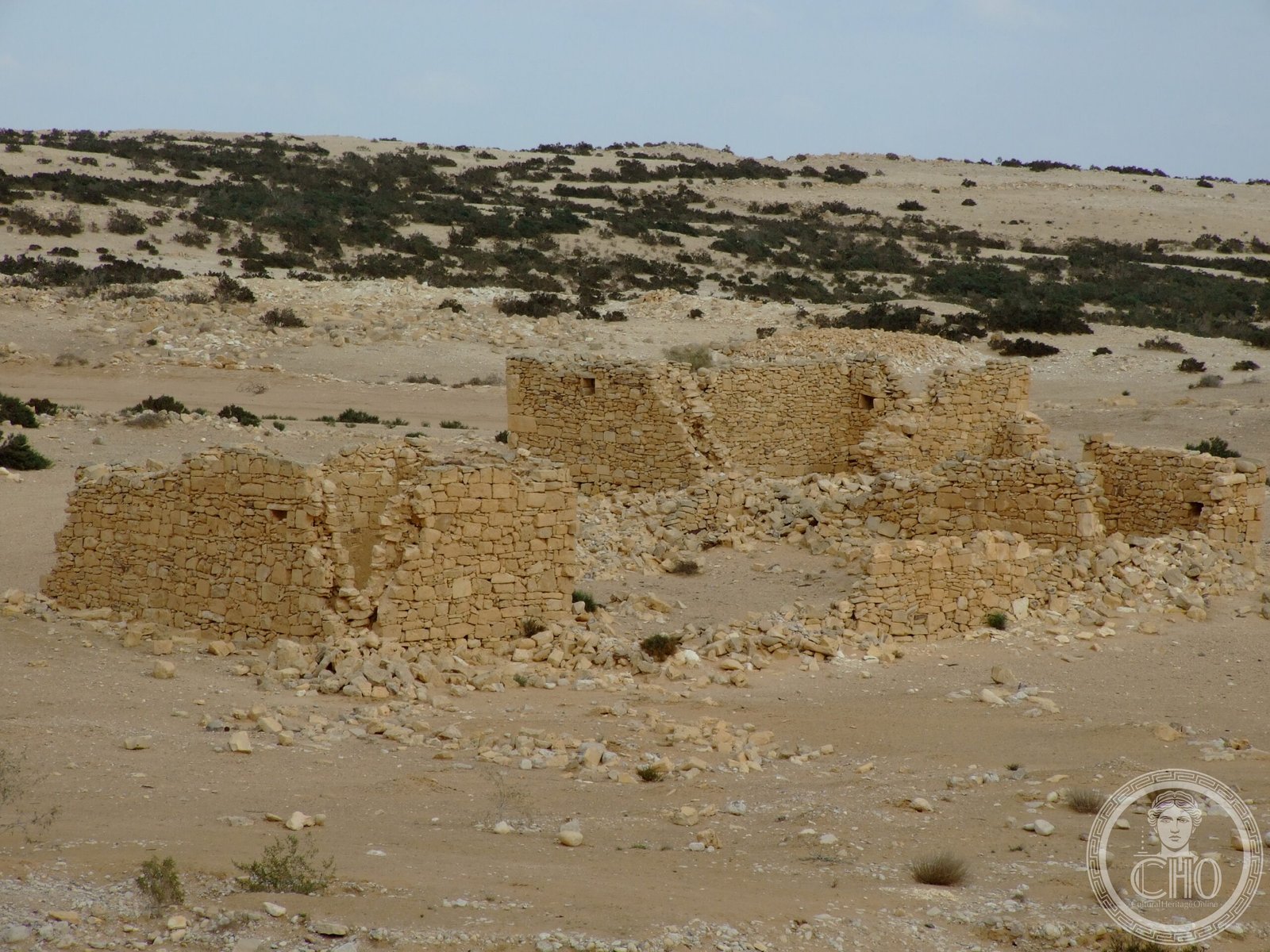
A Nabataean trading city on the ancient Incense Route, Elusa flourished as a centre of wine production before becoming a Byzantine settlement. Today its remains lie in the Negev Desert near Kibbutz Mash’abei Sadeh.
At a glance
Elusa occupied a strategic position on the caravan route connecting Petra to Gaza, controlling the flow of precious spices and aromatics across the ancient Near East. The settlement thrived under both Nabataean and Byzantine rule, adapting to shifting political and economic circumstances across more than a millennium.
History
Originally known as Halasa or Chellous in Greek, the city was renamed Elusa during the Byzantine period. It served as a crucial waypoint along the Nabataean Incense Route, the vast trading network that brought frankincense and myrrh from southern Arabia to Mediterranean markets.
By the 5th century, Elusa had transformed into an agricultural centre surrounded by vineyards. Its wines became celebrated throughout the region, evidence of the city’s prosperity and the fertility of the oasis. During the Early Muslim period, it was called al-Khalūṣ, and later Al-Khalasa in the 20th century.
What you see
Detailed architectural information about Haluza’s surviving structures requires on-site investigation or specialist sources.
Cultural significance
Elusa stands as a remarkable record of desert urbanism and cross-cultural exchange. Its development from a trading hub into an agricultural settlement demonstrates how oasis cities adapted to their environment and economic opportunities.
UNESCO recognised Haluza’s importance by designating it a World Heritage Site alongside Mamshit, Avdat and Shivta—four interconnected settlements that together illuminate the history of the Negev under Nabataean and Byzantine rule.
Key facts
- Country: Israel
- Region: Negev Desert
- Coordinates: 31.097°N, 34.652°E
- UNESCO World Heritage Site (inscribed with Mamshit, Avdat and Shivta)
- Historical names: Halasa, Chellous (Greek); Elusa (Byzantine); al-Khalūṣ (Early Muslim period); Al-Khalasa (20th century)
Practical information & getting there
Haluza is located near Kibbutz Mash’abei Sadeh in the Negev Desert. The site is managed as part of Israel’s network of archaeological parks. Consult local tourism websites for current opening hours, entry fees and accessibility information.
Sources & resources
Find it on the map
See this place and what’s around it →📷 Become a Cultural Heritage Online photographer
Share your photos of places: they stay published under your name as the author. The more they're seen, the more you get noticed — and soon a contest will reward the most appreciated photos.
Log in or sign up free to add a photoIs this page about you?
This page is read by travellers and heritage enthusiasts who find it on Google. Tell us how you are connected to this place and we will take it from there.