
A sealed prehistoric rock shelter preserving some of Spain’s oldest known human artwork, including paintings up to 33,000 years old and expertly crafted bone tools from the Magdalenian period.
At a glance
This Asturian cave shelter was inhabited by early humans before 10,000 BC and contains twelve Palaeolithic paintings alongside remarkably preserved Magdalenian artifacts. A natural rock collapse sealed the original entrance millennia ago, protecting its contents until rediscovery in 1968. The site is now part of a UNESCO World Heritage designation recognizing the cave art of Northern Spain.
History
Humans occupied Tito Bustillo during the Upper Palaeolithic, with strong evidence of Magdalenian culture presence. The cave may have been inhabited earlier, though this remains uncertain. Thousands of years ago, a collapse of the rock face sealed the original entrance, creating an accidental time capsule. This geological event proved fortuitous: when archaeologists rediscovered the cave in 1968, paintings and objects remained in remarkable condition, protected from weathering and disturbance.
What you see
The cave preserves twelve prehistoric paintings executed on its rock surfaces. The oldest, an anthropomorphic figure blending male and female characteristics, dates to approximately 33,000 years ago by radiocarbon analysis—raising the unproven possibility of Neanderthal authorship. Other paintings depict horses, deer, moose, and what may be a whale, likely created for hunting rituals. A panel representing female genitalia suggests fertility invocation practices.
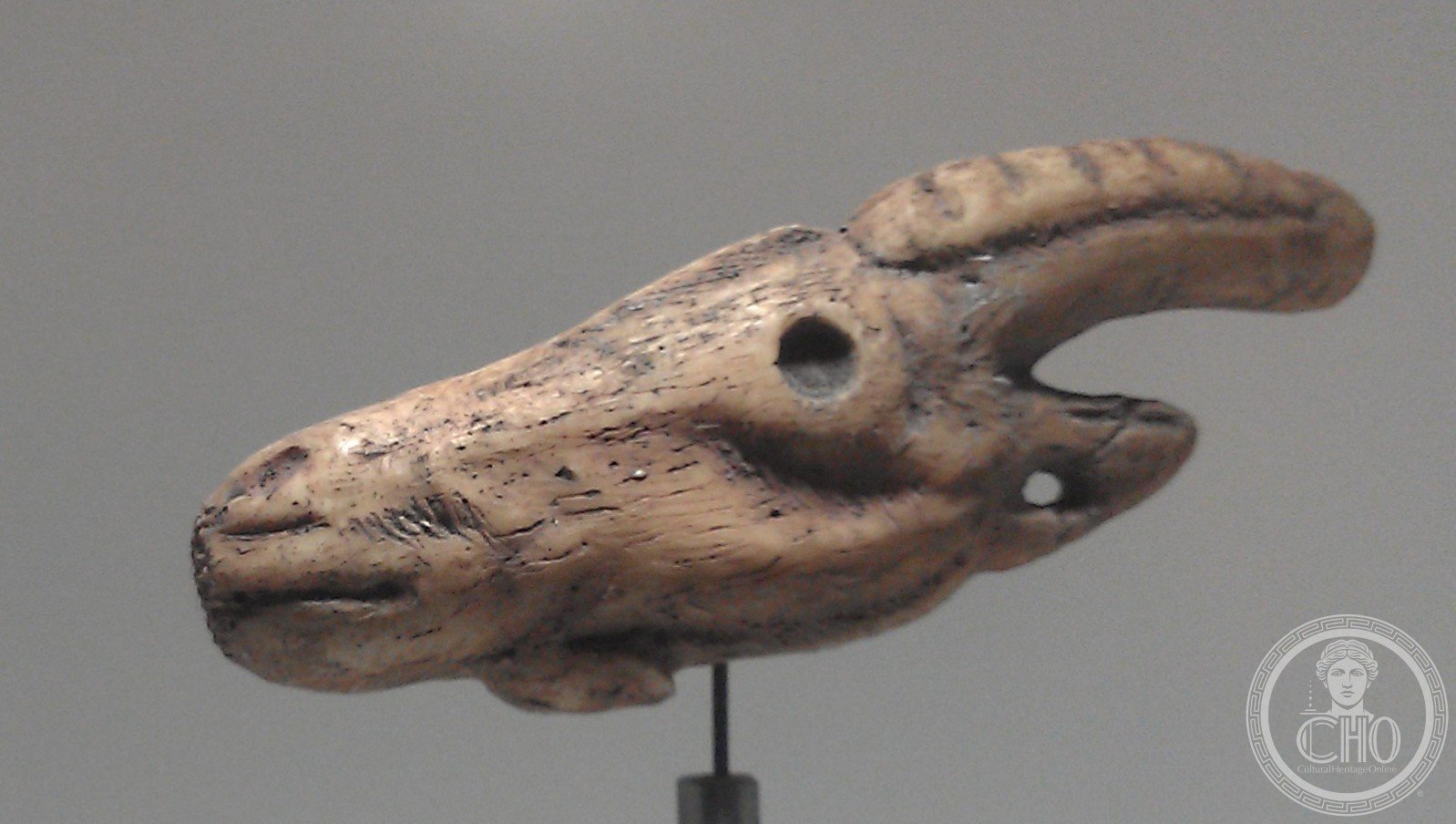
Beyond the artwork, Magdalenian-period objects survived intact: bone harpoons and a carved staghorn depicting a goat head demonstrate sophisticated craftsmanship and tool-making knowledge.
Cultural significance
Tito Bustillo stands among Northern Spain’s most complete examples of prehistoric art. Its paintings span millennia of human expression and ritual practice, while its artifacts illuminate daily life and hunting traditions of Palaeolithic peoples. The combination of durable imagery and portable objects makes it an exceptional record of early human creativity and spirituality.
Key facts
- Location: Ribadesella, Asturias, Spain
- Coordinates: 43.4607° N, 5.0677° W
- UNESCO World Heritage Site (as part of Cave of Altamira and Paleolithic Cave Art of Northern Spain)
- Twelve prehistoric paintings
- Oldest artwork: c. 33,000 years old
- Rediscovered: 1968
Practical information & getting there
The cave is situated in the small town of Ribadesella on Asturias’s northern coast. Access and visiting conditions should be confirmed locally, as many prehistoric caves restrict or control entry to protect their contents. Contact Ribadesella’s tourism office for current opening hours and any necessary permits.
Sources & resources
Find it on the map
See this place and what’s around it →📷 Become a Cultural Heritage Online photographer
Share your photos of places: they stay published under your name as the author. The more they're seen, the more you get noticed — and soon a contest will reward the most appreciated photos.
Log in or sign up free to add a photo