
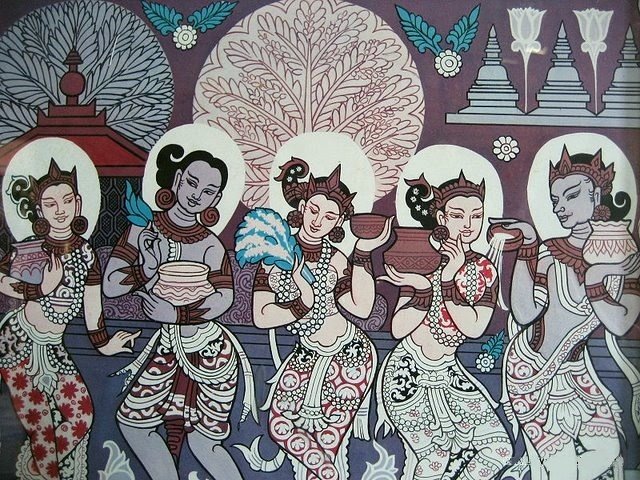
Myanmar’s New Year festival transforms cities into arenas of joyful water play, spiritual cleansing, and communal merit-making, marking the transition between the old year and new across the lunisolar calendar.
At a glance
Thingyan occurs in mid-April over four to five days, culminating in New Year’s Day. Water—thrown in buckets and water guns—symbolizes the washing away of sins and bad luck. Alongside the exuberant water fights, communities gather for music, dance, and religious observance, balancing celebration with spiritual renewal.
Origins & history
Thingyan marks the transition in Myanmar’s traditional lunisolar calendar from one year to the next. The festival shares its seasonal timing with related New Year celebrations throughout Southeast Asia and South Asia, including Pi Mai in Laos, Songkran in Thailand, and the Cambodian New Year, as well as regional festivals like Vaisakhi, Puthandu, Vishu, Ugadi, and Bihu across India. The colonial period left its imprint on the tradition’s evolution.
The practice
Streets come alive with water-soaked revelry. Participants engage in playful water fights using buckets and water guns, especially during the first four days. Temporary open-air stages called pandal are erected, hosting music and dance troupes that draw crowds throughout the celebrations. Amid the joyfulness, people also perform religious observances: almsgiving, the ritual release of fish and birds, and visits to monasteries. A quieter but significant practice involves paying respect to elders and parents through the ceremonial washing of their hair or feet.
Cultural significance
Thingyan is one of Myanmar’s most anticipated public holidays, embodying both renewal and reverence. The festival weaves together communal joy and individual spiritual practice, allowing participants to mark the calendar’s turning while simultaneously honoring family bonds and religious duty. Water, the festival’s central symbol, represents purification—a physical and metaphorical cleansing that prepares communities for the year ahead.
Key facts
- Countries: Myanmar
- Anchor community: Yangon
- UNESCO Intangible Cultural Heritage inscription: 2016 (reference 02085)
- Coordinates: 16.79196, 96.16473
- Timing: Mid-April, four to five days
Where to experience it
Yangon and communities across Myanmar are the heartland of Thingyan. The festival transforms public spaces nationwide, with streets, neighborhoods, and temporary stages hosting celebrations throughout the four or five days. Specific venues and festival dates vary by location; consult local sources for current-year observances in your chosen destination.
Sources & resources
- Thingyan — Wikipedia
- Myanmar Traditional New Year at Thingyan Festival — UNESCO Intangible Cultural Heritage
- Cultural Heritage Online
Find it on the map
See this place and what’s around it →📷 Become a Cultural Heritage Online photographer
Share your photos of places: they stay published under your name as the author. The more they're seen, the more you get noticed — and soon a contest will reward the most appreciated photos.
Log in or sign up free to add a photo