

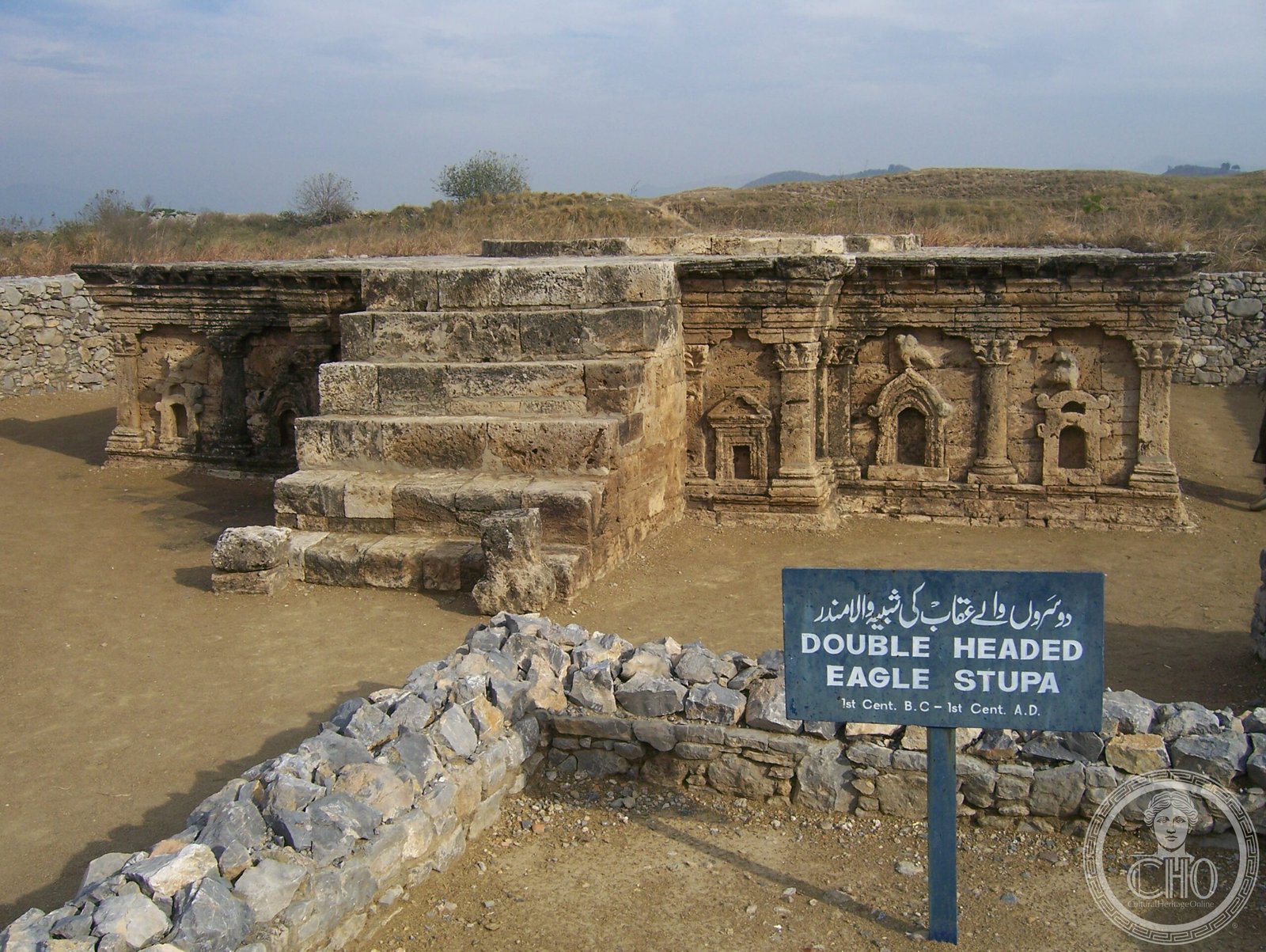
A Greco-Bactrian city founded on the banks of the Haro River, Sirkap stands as a striking testament to the meeting of Greek and Indian civilizations in the ancient world.
At a glance
Sirkap is an archaeological site near Taxila in Punjab, Pakistan. The city was established by the Greco-Bactrian king Demetrius around 180 BC following his invasion of the region, and represents one of the most important physical remnants of Indo-Greek rule in South Asia.
History
Demetrius I, a Greco-Bactrian ruler, founded Sirkap after his military campaigns into modern-day Pakistan around 180 BC. The city became the heart of an Indo-Greek kingdom that endured until approximately 10 BC. King Menander I is also recorded as having rebuilt portions of the city, further developing its character and infrastructure during the height of Indo-Greek power in the subcontinent.
What you see
The archaeological remains at Sirkap reveal the urban planning and construction methods of a Hellenistic city adapted to its South Asian setting. Excavations have uncovered structures reflecting both Greek architectural traditions and local building practices, offering insights into the daily life and administrative organization of this cross-cultural settlement.
Cultural significance
Sirkap embodies a crucial chapter in the history of cultural exchange between the Mediterranean world and the Indian subcontinent. The city exemplifies how Greek settlers and administrators shaped urban life in ancient Pakistan, leaving behind evidence of syncretism in art, architecture, and governance that influenced the broader region for centuries.
Key facts
- Country: Pakistan
- Region: Punjab, near Taxila
- Coordinates: 33.7577, 72.8293
- Founded: circa 180 BC by Demetrius I
- Period of occupation: 180 BC to approximately 10 BC
Practical information & getting there
Sirkap is located on the bank opposite to Taxila in Punjab. The site is accessible to visitors interested in Greco-Bactrian archaeology and ancient Indian history. For current opening hours, admission fees, and travel logistics, consult local tourism authorities or official archaeological site information.
Sources & resources
Find it on the map
See this place and what’s around it →📷 Become a Cultural Heritage Online photographer
Share your photos of places: they stay published under your name as the author. The more they're seen, the more you get noticed — and soon a contest will reward the most appreciated photos.
Log in or sign up free to add a photoIs this page about you?
This page is read by travellers and heritage enthusiasts who find it on Google. Tell us how you are connected to this place and we will take it from there.