

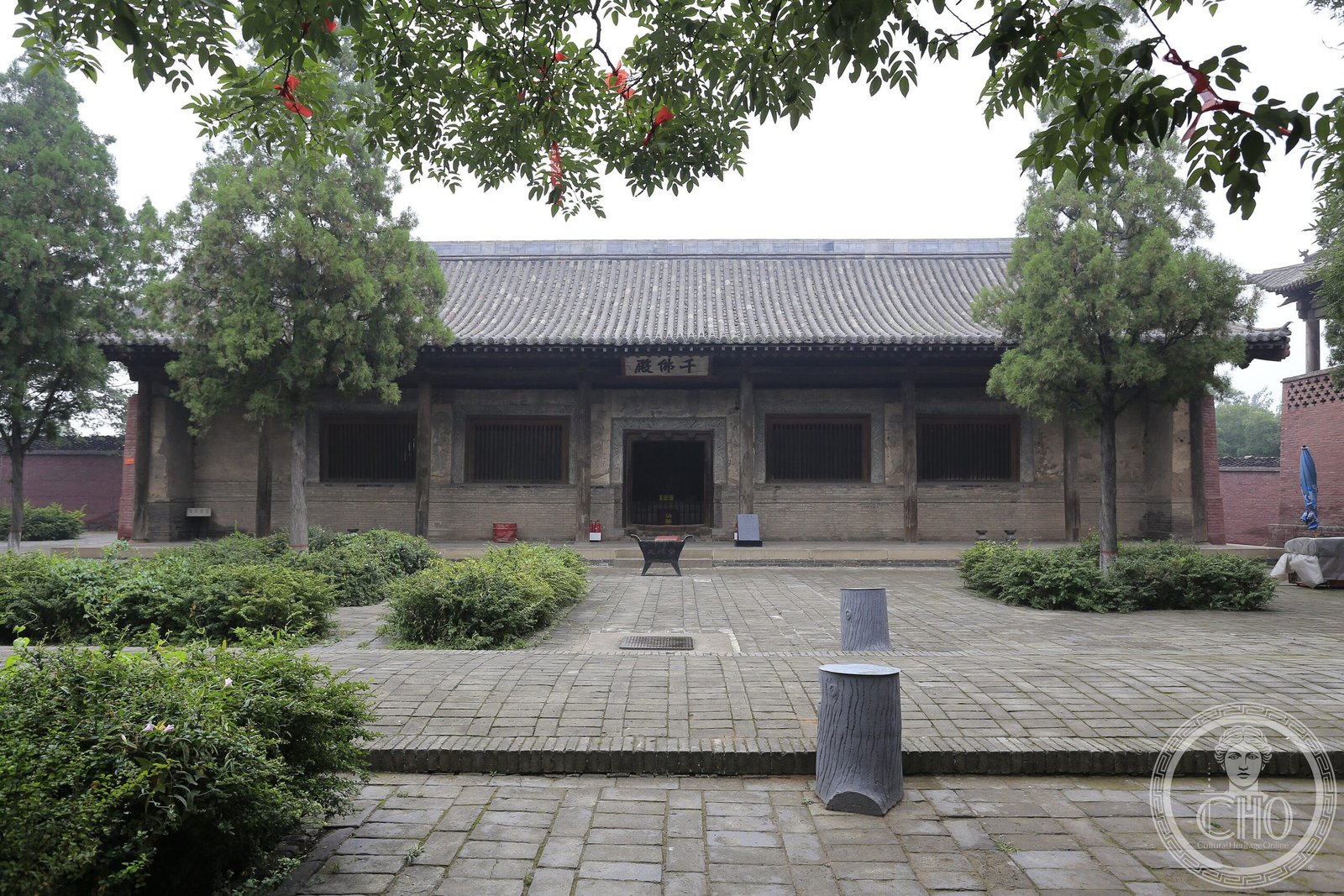
A Buddhist temple in Shanxi Province renowned for its extraordinary collection of more than 2,000 decorated clay statues spanning the 12th to 19th centuries.
At a glance
Shuanglin Temple stands in the countryside near the ancient city of Pingyao, approximately 6–7 kilometres southwest. As one of three components of the UNESCO-inscribed Ancient City of Pingyao, it represents a significant repository of Buddhist sculptural art. The temple earned the nickname “museum of coloured sculptures” for its exceptional and extensive collection.
History
The temple was founded in the 6th century under its original name, Zongdu. During the Northern Song dynasty, it was renamed Shuanglin, meaning “double grove.” The majority of its celebrated clay statues date to the Song, Yuan, Ming, and Qing dynasties, accumulating over centuries of devotional practice and artistic refinement.
What you see
The temple’s primary distinction lies in its collection of more than 2,000 decorated clay sculptures. These works span from the 12th to 19th centuries, representing successive dynasties and stylistic periods. The statues showcase the evolution of Buddhist sculptural techniques and aesthetic preferences across multiple centuries of Chinese history.
Cultural significance
Shuanglin Temple holds profound importance as a repository of Buddhist artistic heritage. Its sculptures provide invaluable insight into the development of religious iconography, craftsmanship, and spiritual expression across medieval and early modern China. The temple’s designation as part of a UNESCO World Heritage Site underscores its global cultural value.
Key facts
- Country: China
- Location: Qiaotou village, Shanxi Province, approximately 6–7 km southwest of Pingyao
- Coordinates: 37.1708, 112.125
- Founded: 6th century
- Collection: Over 2,000 decorated clay statues (12th–19th centuries)
- UNESCO status: Part of the Ancient City of Pingyao World Heritage Site (inscribed 1997)
Practical information & getting there
The temple is located in the countryside near Pingyao in Shanxi Province. For current visiting hours, admission fees, and travel details, consult local tourism information or the UNESCO World Heritage Site documentation for the Ancient City of Pingyao.
Sources & resources
Find it on the map
See this place and what’s around it →📷 Become a Cultural Heritage Online photographer
Share your photos of places: they stay published under your name as the author. The more they're seen, the more you get noticed — and soon a contest will reward the most appreciated photos.
Log in or sign up free to add a photoIs this page about you?
This page is read by travellers and heritage enthusiasts who find it on Google. Tell us how you are connected to this place and we will take it from there.